






 Portuguese
  Spanish


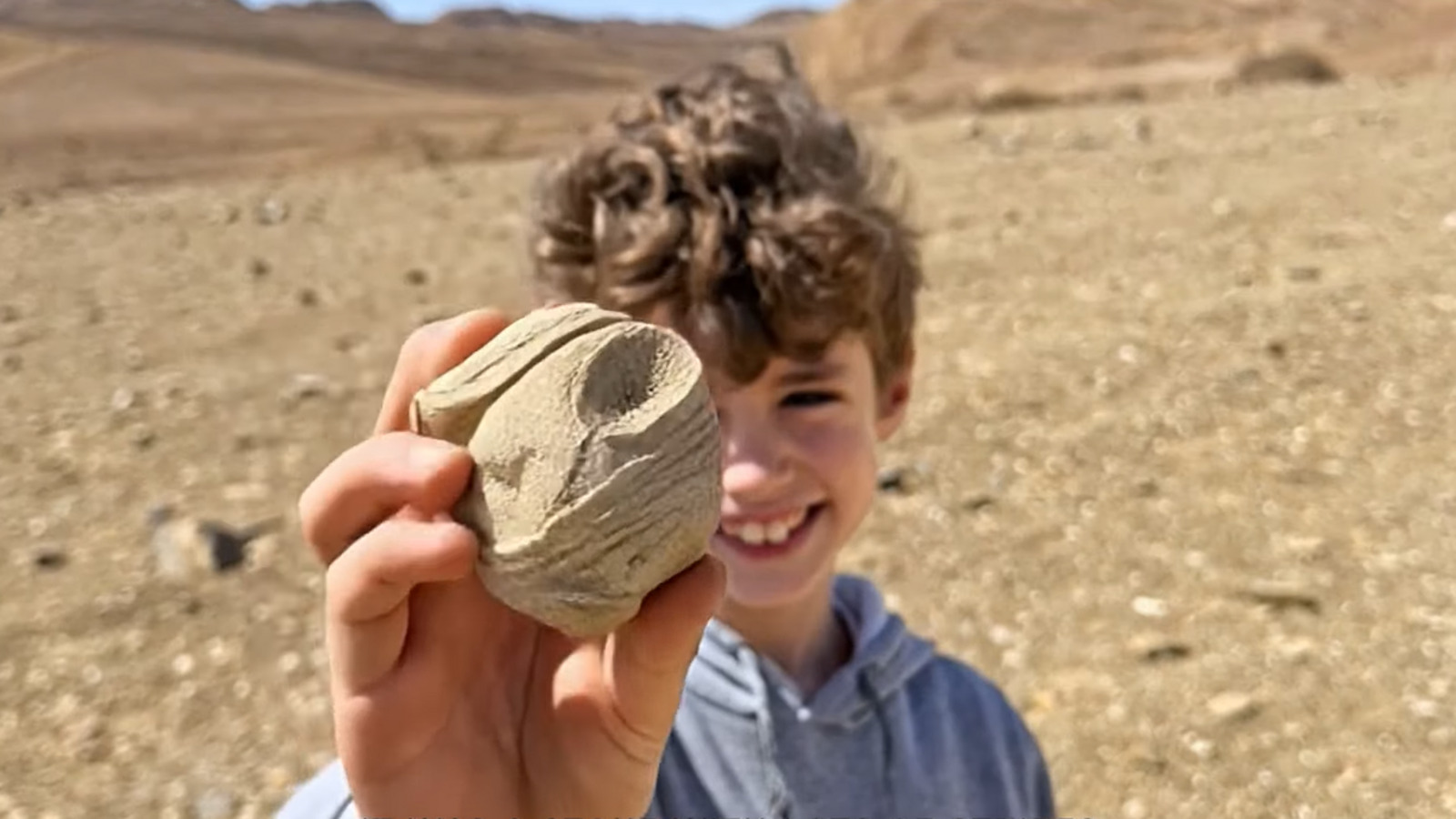

Stone fragment six centimeters long may represent Jupiter or Zeus-Dushara, was produced with local material and appeared near an ancient inn on the international spice route in the Negev desert, Israel
An eight-year-old boy found a fragment of a Roman statuette approximately 1,700 years old during a family hike in the Ramon Crater, in the Negev desert. The stone piece, which may represent the god Jupiter, was examined by the Israel Antiquities Authority and measures about 6 by 6 centimeters.
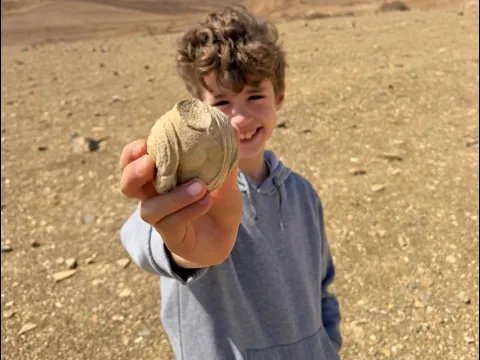

Roman statuette found by the boy drew attention for the sculpted folds
Dor Wolynitz, a boy from Rehovot, was on a weekend excursion when he noticed a small stone with unusual marks on the ground. The boy was looking for special objects he could present to his schoolmates.
Upon picking up the piece, Dor noticed it was not an ordinary stone. Akiva Goldenhersh, supervisor of the Theft Prevention Unit of the Israel Antiquities Authority, initially considered the possibility that the object was a fossil.
-
Brazilian Engineer Revives Ancient Tool for Focus, Creates Supera Network with Over 100,000 Students and $37 Million Revenue

-
Father Turns Simple Idea into Digital Empire, Managing Contracts Worth Over $80 Million Annually

-
12-Year-Old Discovers 1,500-Year-Old Rare Gemstone in Biblical Village Linked to Jesus’ Ministry, Unveiling Ancient Galilean Wealth and Trade

-
Austrian City Revamps Public Parks to Attract Girls Aged 10-13 by Adding Lighting, Sports Facilities, and Inclusive Spaces



The perception changed when he identified carefully sculpted folds, similar to those of a garment. The fragment preserves the upper part of the torso of a male figure, partially covered by a fabric.
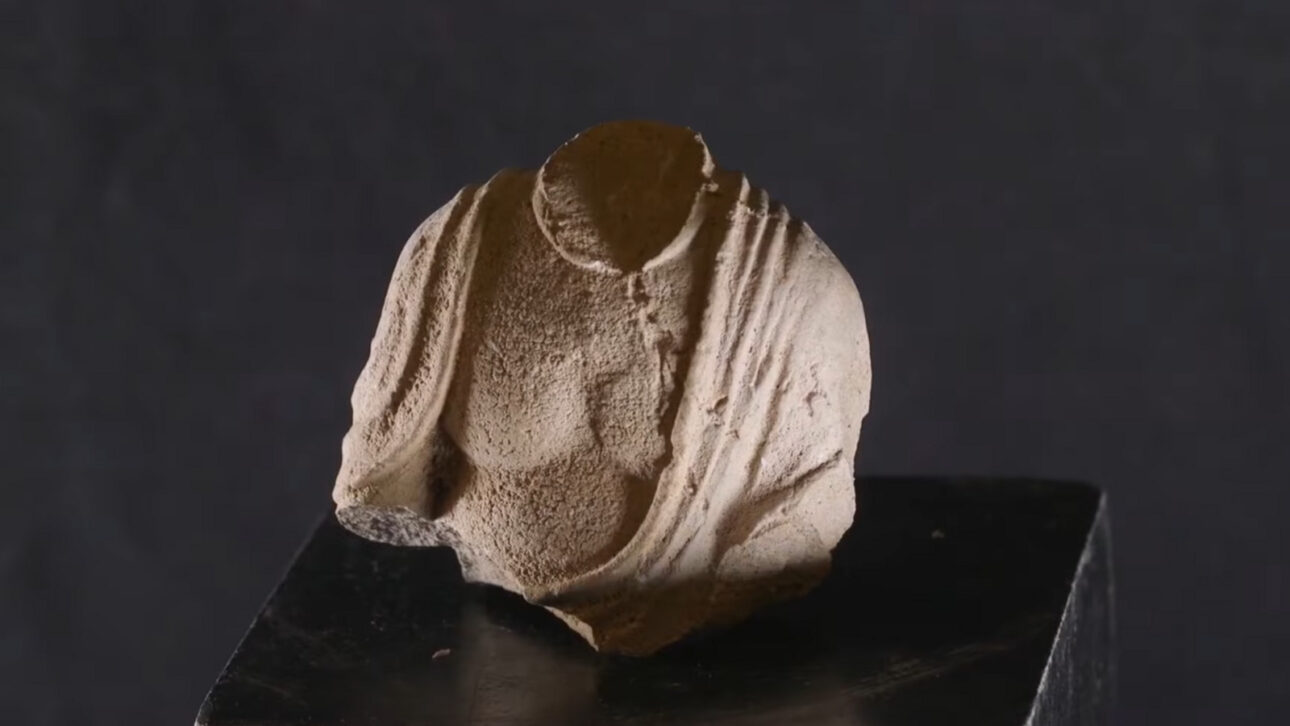
Local stone indicates that piece may have been manufactured in Israel
Geologist Nimrod Wieler examined the find and identified a light mineral of the phosphorite type, a material frequently found in the Negev desert.
This composition indicates that the Roman statuette was likely produced in the region, rather than imported.
The location of the discovery also reinforces its archaeological importance. The fragment appeared near Khan Saharonim, a site that functioned as an inn for travelers on the international spice route during the Nabataean and Roman periods.
The Nabataeans maintained a significant presence in the Negev between the 3rd century BC and the 2nd century AD. This semi-nomadic people engaged in trade in areas that now include Jordan, Israel, the Sinai Peninsula, and Saudi Arabia.
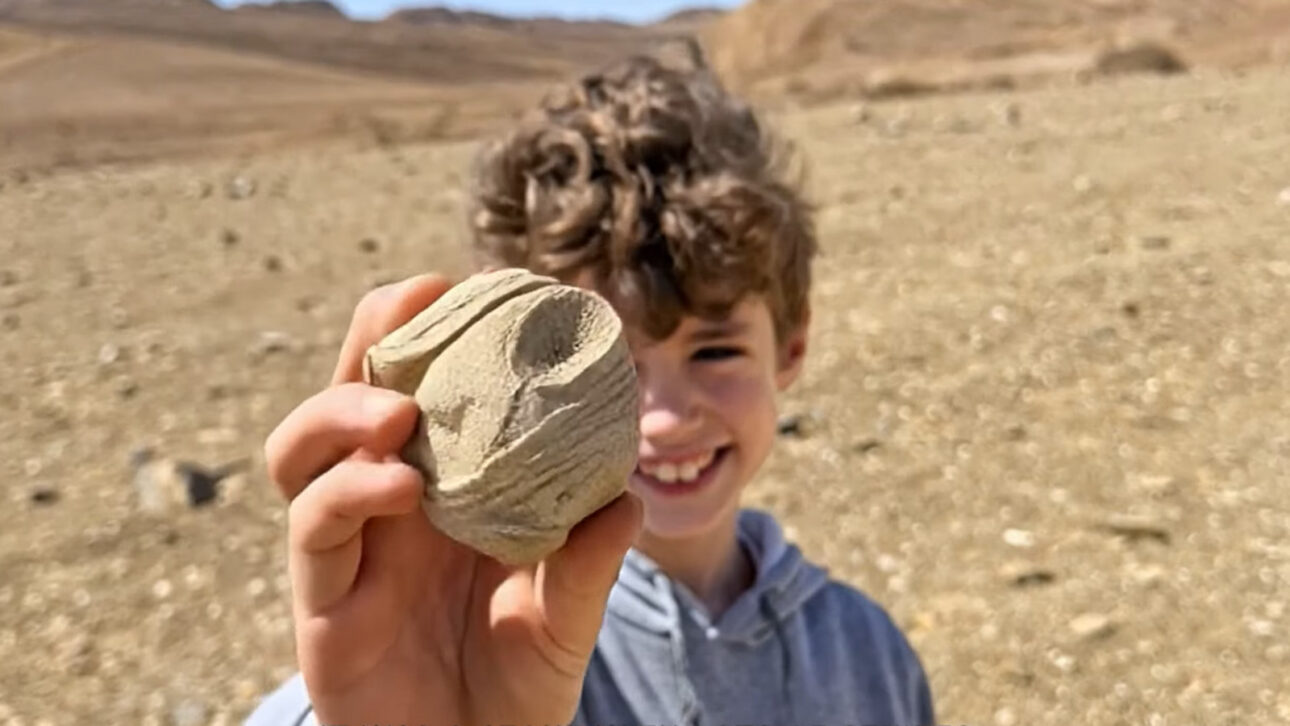
Figure may represent Jupiter or Nabataean deity
The dating was based mainly on the style of the clothing. The figure appears wearing a heavy cloak called himation, without a chiton or other visible undergarment.
The precision of the folds and the use of a delicate stone suggest, according to the analysis, an artist with high technical mastery. Despite this, the exact identity of the figure remains uncertain.
Stylistically, the Roman statuette may represent Jupiter or Zeus-Dushara, a Nabataean deity associated with Zeus during the encounter between local traditions and Hellenistic-Roman culture.
The Israel Antiquities Authority highlighted that ancient objects found in the country must be handed over to the agency.
This measure allows for the study, preservation, and incorporation of the findings into the National Treasures collection, making the information accessible to the public.
This article was prepared based on information from the Israel Antiquities Authority, with data, numbers, and statements preserved as per the consulted material.


