Portuguese


Petrobras set a new production record in the pre-salt, with 2.66 million barrels of oil equivalent per day extracted from the layer beneath a thick band of salt at the bottom of the sea. Adding all operations, the total production operated by the company reached 4.65 million barrels per day, also a record, according to the most recent balance from the state company. The company’s own production grew about 16% compared to the same period last year.
The numbers confirm the pre-salt as Petrobras’ golden goose. The layer, discovered less than twenty years ago, today accounts for the majority of all the oil Brazil extracts, and continues to grow as new platforms come into operation.
What is the pre-salt
The pre-salt is a layer of oil reservoirs located at great depths at the ocean floor, below a thick wall of salt that can be kilometers thick. Reaching there is one of the most complex feats of engineering: it is necessary to drill through the water column, then rocks, and finally traverse the salt to reach the oil, thousands of meters from the surface.
-
Petrobras to Double Natural Gas Supply in Northeastern Brazil with New Investment

-
Petrobras Approves $1.2 Billion Refinery in Brazil to Produce Aviation Fuel and Diesel from Plants
-
Petrobras Secures $2.2 Billion Contract to Build and Operate Four Support Vessels for Brazil’s Offshore Oil Fields
-
Oil production grows in Rio, but reserve replacement raises a warning sign


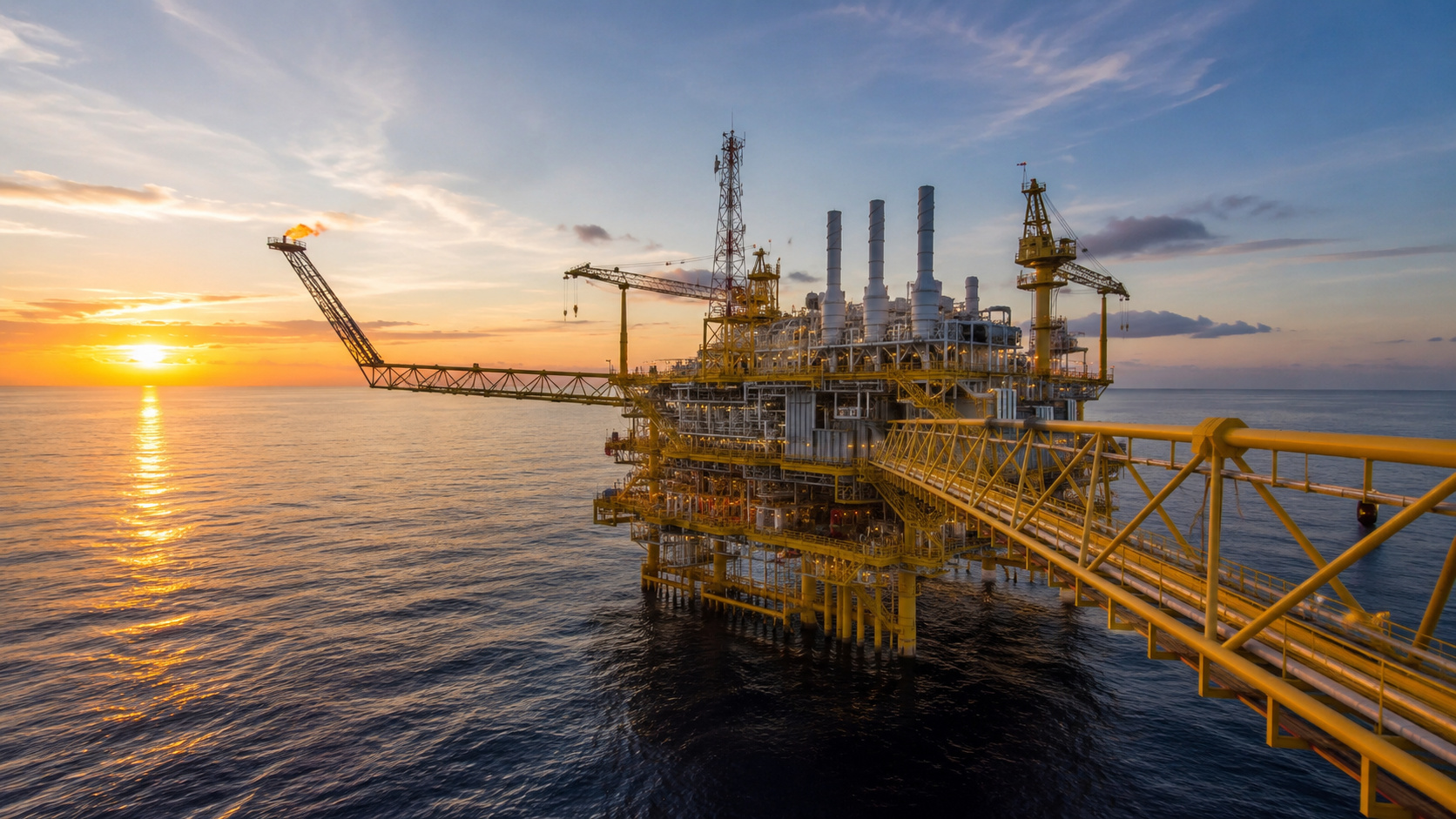
Despite the difficulty, the oil from the pre-salt is of excellent quality and is concentrated in large volumes, making its extraction highly profitable. The main reserves are in the Santos and Campos basins, off the Southeast coast, where the company’s efforts are concentrated.
The record did not come by chance.
New platforms drive the increase
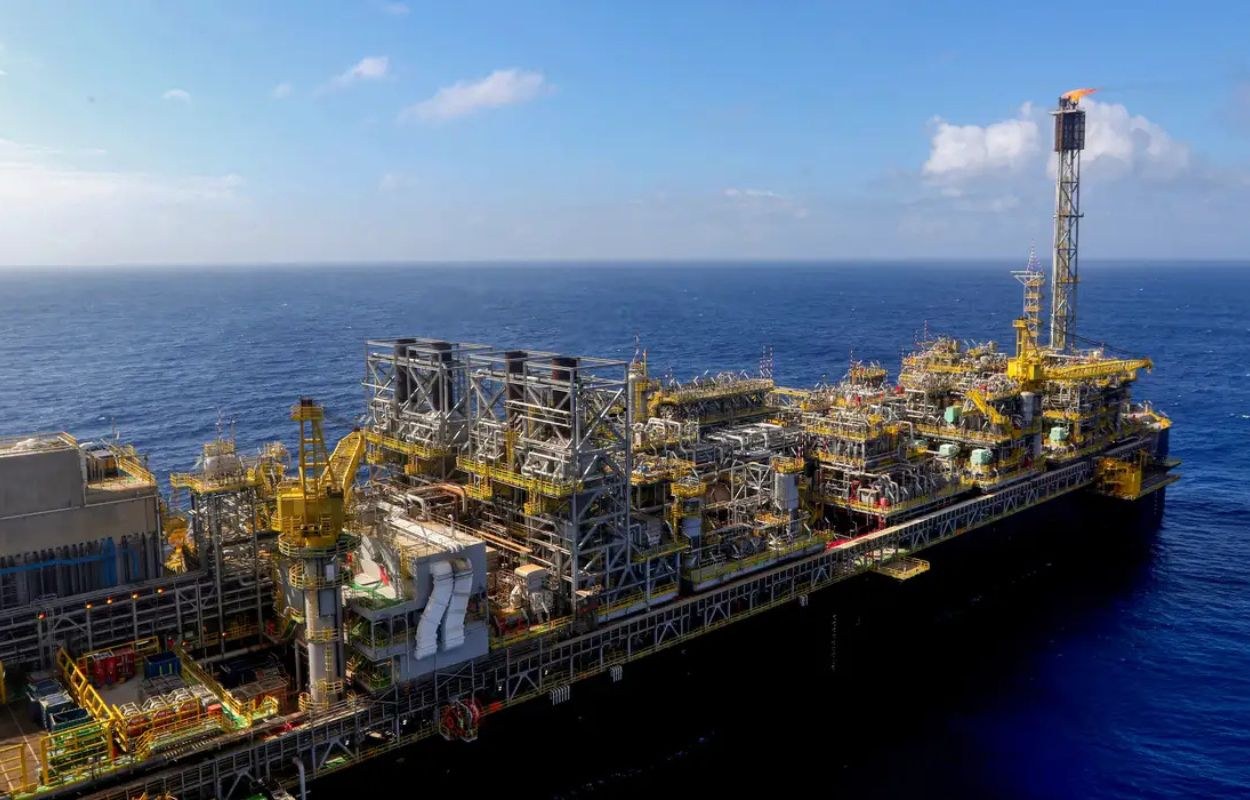
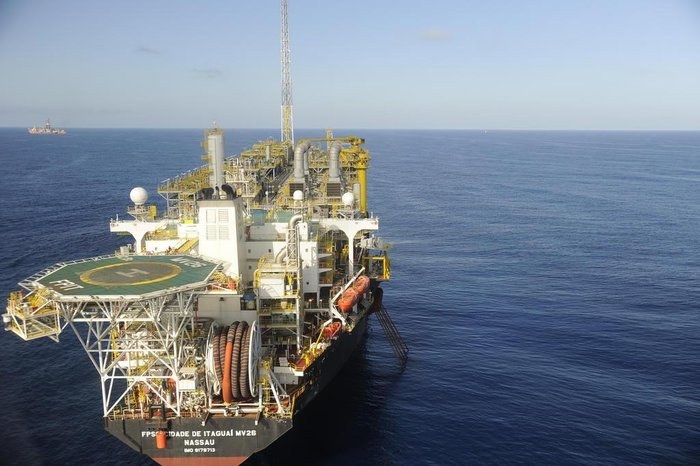
The production growth is a direct result of the entry of new platforms in the pre-salt. Petrobras has been installing a series of production units, of the FPSO type, which are gigantic ship-platforms capable of extracting, processing, and storing oil at sea before transferring it to transport ships.
The Búzios field, in the Santos Basin, is the big highlight. Considered one of the largest deep-water oil fields in the world, it has been receiving successive platforms that increase production with each new unit connected. Each FPSO that comes into operation adds tens or hundreds of thousands of barrels per day to the company’s total.
Why the record matters
The record production has a direct impact on the country’s accounts. Petrobras is one of the largest companies in Brazil and one of the largest taxpayers and dividend payers, and a good part of its revenue comes precisely from the pre-salt. More barrels extracted mean more revenue for the Union, the states, and the producing municipalities, via royalties and participations.
The performance also reinforces Brazil’s position among the world’s major oil producers, at a time when the country is competing for space with Middle Eastern nations and the United States. The pre-salt has given Brazil self-sufficiency and even a surplus to export crude oil.
The future of production
The company projects to maintain the growth curve in the coming years, with more platforms expected to come into operation in the pre-salt. At the same time, Petrobras is seeking new frontiers, such as the Equatorial Margin in the north of the country, to ensure that production does not decline when current fields begin to age.
This balance between extracting the most from the pre-salt today and discovering tomorrow’s reserves is at the center of the company’s strategy. For now, the record shows that the bet on the pre-salt continues to pay off.
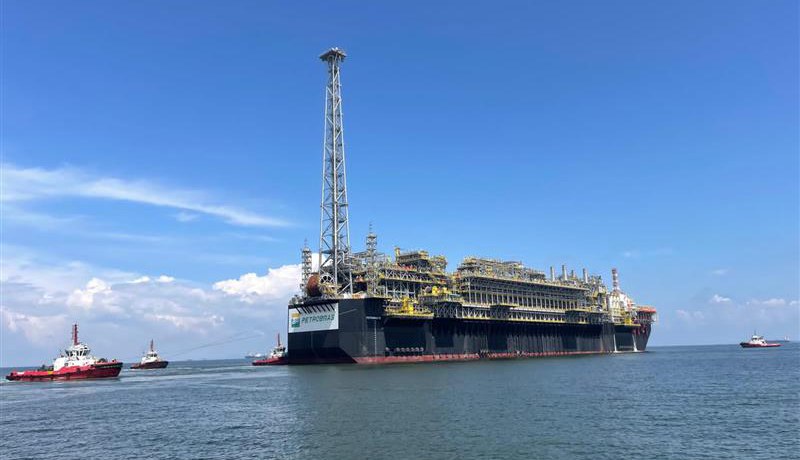
With production on the rise and new projects on the way, Petrobras reaches one of its best operational moments. According to Agência Petrobras and Agência Brasil, the pre-salt records are expected to repeat as the platforms under construction come into operation over the coming years.