Portuguese
  Spanish


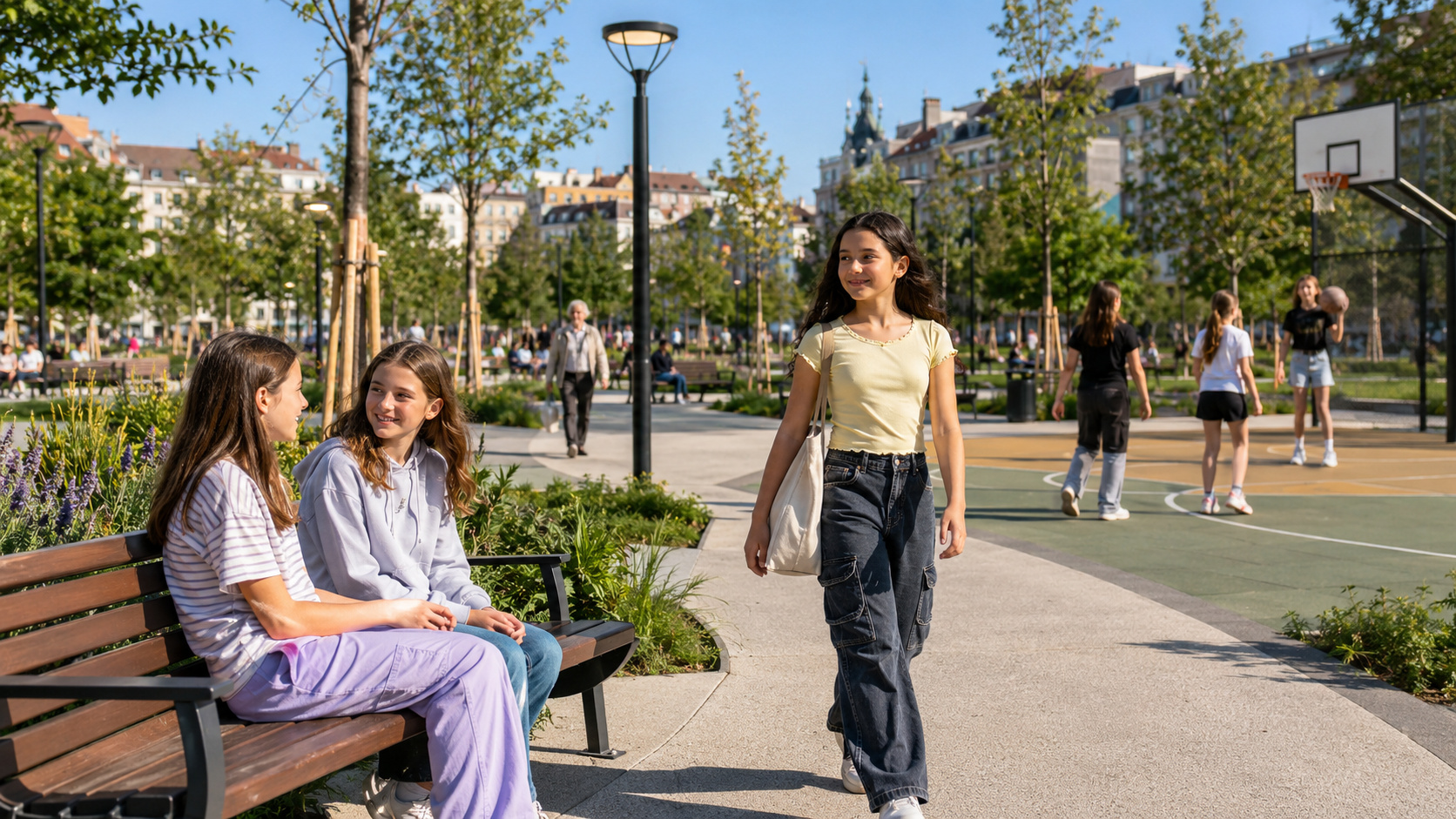

In Vienna, public parks have come to include lighting, sports, benches, and clear paths to enhance safety, belonging, and inclusive public spaces for teenagers, families, the elderly, and other residents.
In 1999, Vienna identified that girls aged 10 to 13 were less present in public parks than boys. The city consulted residents, schools, and experts before redesigning two parks in the Margareten district, with renovations completed in 2001.
The parks are located in the city’s fifth district, called Margareten. The information was released by Metropolis, an international network of local and regional governments. The planning involved visitors, residents, mothers, representatives from schools and kindergartens, planners, and a sociologist.
The goal was not just to install new equipment. The renovation aimed to create parks with greater perceived safety, more freedom of movement, and better conditions for people of different ages and interests.
-
Man’s Metal Detector Outing at Brazilian Beach Turns Up Empty Jewelry Box, Lost Key, GoPro Mount, and Mysterious Ritual Scene

-
Nepalese Youth Use Minecraft to Redesign a Deteriorated Public Square and Present Their Vision to Local Authorities

-
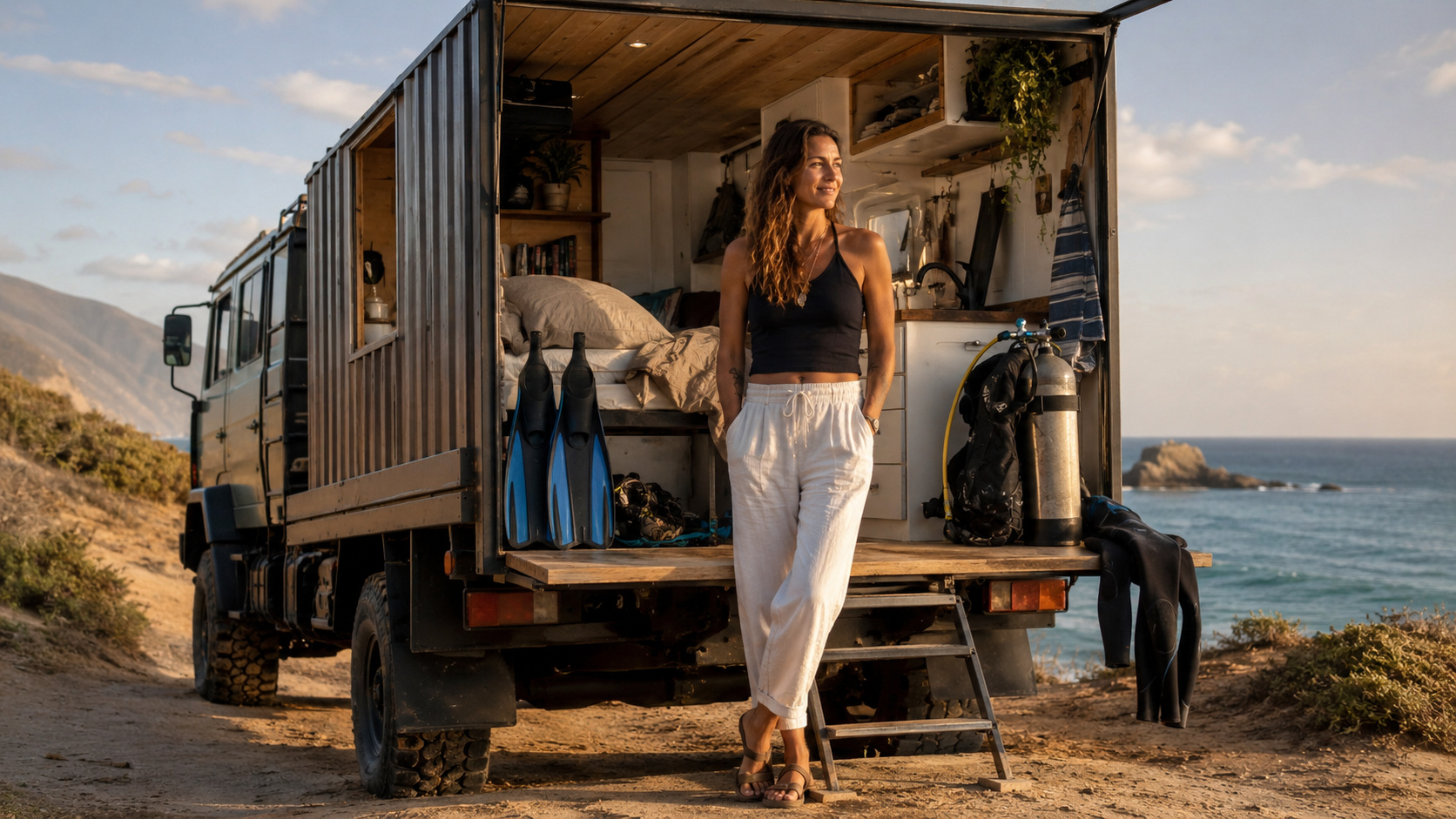
Artist Converts Truck into Mobile Home to Embrace Diving Lifestyle, Complete with Bed, Kitchen, and Storage
-
Over 300 People in Barcelona Demonstrate Temperature Differences Between Shaded and Sun-Exposed Sidewalks



Public parks can be occupied unequally
A park seems open to everyone, but the way the space is used can vary greatly among groups. When a court concentrates most activities or when there are not enough places to sit, talk, and move around, some visitors may feel out of place.


In Vienna, girls aged 10 to 13 appeared less in these spaces than boys. The city decided to address the issue and placed their needs at the center of the redesign of two public parks.
This does not mean that all girls want the same things. The main point was to create more options for staying for those who did not want to compete for a single space or stay in uncomfortable areas.
Light, benches, and visible paths helped change the parks
The renovation brought lighting to the entire area, improved the visibility of the main paths, and created open spaces. These elements help park-goers see their surroundings and feel more comfortable staying.
The projects also included a ball game area, smaller spots for different groups, and more secluded points. Benches and meeting areas became important because the park is not just for running or playing sports.
Metropolis, an international network of local and regional governments, recorded the use of constant lighting, more visible paths, and open common areas. The design aimed to enhance the sense of security without turning the park into a closed-off area.
Gender-sensitive urbanism listened to those who used the spaces less
Gender-sensitive urbanism is a way of planning the city by considering how different people use the same place. In practice, this means observing who occupies the spaces, who avoids staying, and what obstacles appear in daily life.
In Vienna, a team of planners and a sociologist monitored the situation of the parks before the renovation. The process listened to residents and people who lived or circulated near the two locations.
The conversations helped define needs related to sports, leisure, circulation, and socializing. The participation made a difference because those who use the park know problems that do not always appear in technical drawings.
Safety in public parks also depends on visibility
Safety in public parks does not depend solely on the presence of equipment. Clear paths, good lighting, and open areas help reduce the feeling of isolation and facilitate the circulation of those who are alone, in groups, or with children.
The change in Vienna considered girls and young people, but also the elderly and families with small children. This shows that an inclusive public space needs to accommodate more than one way of experiencing the city.
The renovation does not eliminate all urban problems nor does it solve inequalities outside the park on its own. It creates fairer conditions of use, with more choices for those who want to play sports, chat, or just stay in the place.
Brazilian squares can also observe who is left out
Many Brazilian squares have playgrounds, benches, or courts, but this does not guarantee that teenagers and women feel comfortable staying. A place can have structure and still offer few reasons for different groups to remain.
The experience in Vienna helps to look at simple details, such as dark sections, confusing paths, isolated benches, and sports areas occupied by only one group. Small changes can increase the presence of more people in the same space.
Listening to residents before renovating a square can also prevent decisions that are out of touch with reality. Those who frequent the place know where there is a lack of light, where people avoid passing, and which activities are missing.
Vienna showed that public parks can be designed for more than just one activity or one group. Light, benches, visible paths, open areas, and public participation helped create spaces with more possibilities for social interaction.
The main lesson is to observe who uses the parks less and understand why. Inclusive public spaces begin when planning considers the needs of those who were previously excluded.
In your city, would a square with more light, benches, and different activities make teenagers and women feel more comfortable staying? Share your opinion in the comments and share this post.