






 Portuguese
  Spanish
  5 min of reading
  0 comments


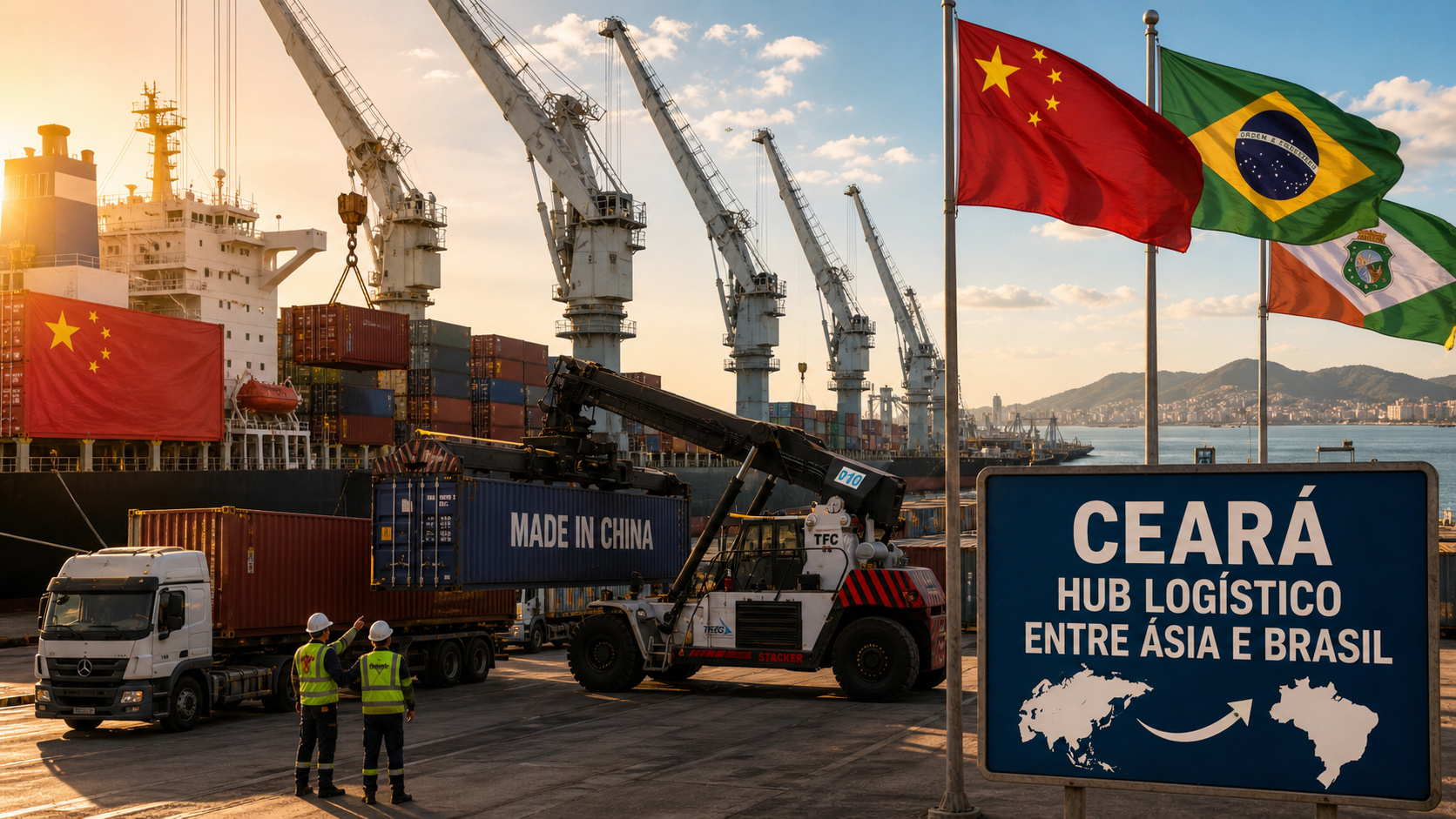
Ceará expands imports with 92 new Chinese products and seeks to consolidate itself as a logistics hub between Asia and Brazil.
In 2026, Ceará‘s foreign trade registered a change that goes beyond isolated numbers: the state began importing 92 types of Chinese products that did not appear on the import list in the same period of 2025, considering January and February, according to data from Comex Stat, the official system of the Federal Government, reported by Diário do Nordeste on March 29 and by the BE News portal on April 1, 2026. This advance signals a transformation in Ceará’s role within national logistics, with the state moving from being seen merely as a route for goods entry to expanding its connection with industrial, commercial, and technological supply chains from Asia.
This movement is linked to the strengthening of routes between China and the Brazilian Northeast, especially through the Port of Pecém, in São Gonçalo do Amarante, which gained relevance with the direct route between Ceará and Asia.
The arrival of new items, which includes everything from consumer goods to machinery, chemical inputs, medical equipment, and industrial components, shows that the change involves not only an increase in volume but also a diversification capable of repositioning Ceará in international trade and expanding the competition for cargo within Brazil’s port infrastructure.
-
Why can the crane operator only obey the correct signalman on the construction site: among dozens of workers, a hand raised by the wrong person can confuse the maneuver and turn a load of tons into an immediate risk.

-
What changes with the new public transportation rules that can reduce pressure on fares and pave the way for zero fare in Brazil?
-
Argentina confirms Belgian giant to lead strategic Paraná River waterway and promises to reduce logistical costs on one of South America’s most important routes
-
MBRF surprises the logistics sector by demonstrating how Artificial Intelligence can directly influence deliveries throughout Brazil by reorganizing distribution routes in seconds, optimizing fleet usage, reducing logistics costs, and speeding up product arrivals even in the face of unforeseen road incidents.
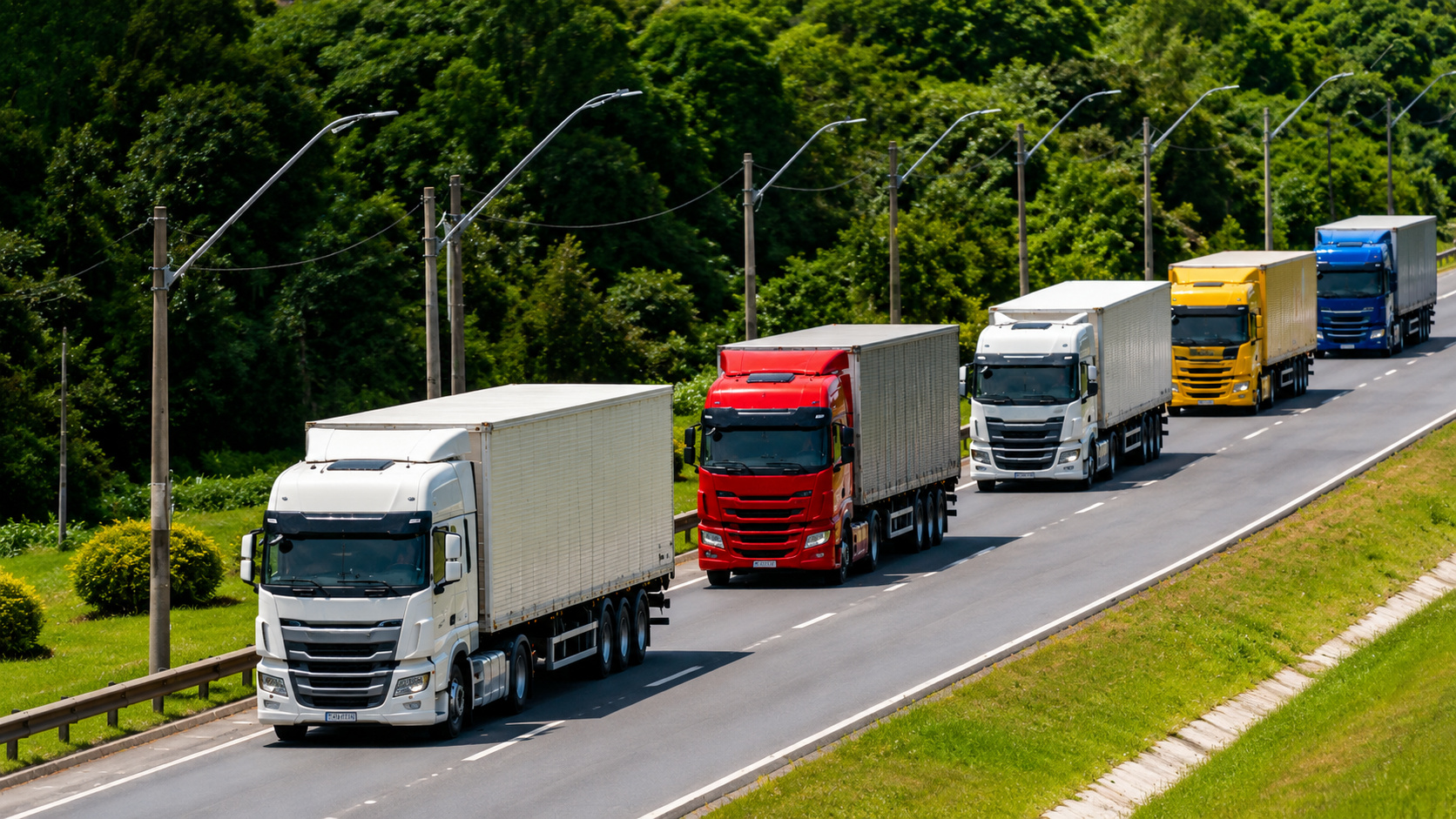
Entry of 92 new products indicates structural change in Ceará’s import profile
The most relevant data is not just the growth of imports, but the variety of items that have started entering the state. The inclusion of 92 new products shows that Ceará is expanding its participation in different production chains, going beyond traditional goods.
This diversification suggests that the state is beginning to absorb products with higher added value, including industrial equipment, technological components, and inputs that can be used in local production processes.
This represents an important change because it transforms the state from a final consumer into a potential industrial integrator, connecting import and production.
Port of Pecém consolidates as the central axis of this logistics transformation
The increase in imports is directly linked to the growth of the Port of Pecém. The terminal is being expanded and modernized to operate as a logistics hub, connecting the Northeast to international routes with greater efficiency.


The port’s strategic location allows for reduced distances compared to traditional routes that pass through the Southeast, which can decrease transport time and logistics costs. Furthermore, the complex’s structure facilitates the movement of containers, industrial cargo, and high-volume products.
This infrastructure is essential to enable the increase in imports and integration with exports within the same logistics flow.
Relationship with China gains weight and expands commercial integration with the Northeast
China is already Brazil’s main trading partner, and the increase in imports in Ceará strengthens this relationship at a regional level. The state is positioning itself as a strategic point for the distribution of Asian products in the North and Northeast.
This movement reduces dependence on Southeast ports and can accelerate the arrival of goods to regional markets. At the same time, it creates space for local companies to use this structure to export Brazilian products in the opposite direction.
The flow ceases to be unilateral and begins to operate in two directions, increasing system efficiency.
Diversification of imports can boost industrial and technological sectors
The entry of new products creates opportunities for different sectors of the local economy. Industrial equipment, parts, and components can be used by industries located in the state, stimulating production and value aggregation.
Furthermore, the presence of new inputs can attract investments, as companies tend to set up in regions with easy access to raw materials and efficient logistics.
This process can transform Ceará into an integration hub between import, production, and export.
Logistics strategy aims to avoid empty cargo returns and increase efficiency
One of the most relevant points of this transformation lies in the logistical logic behind the routes. Traditionally, many ships arrive loaded and return with idle capacity, which represents a loss of efficiency.

With the increase in imports and product diversification, the state creates conditions to also occupy the outbound flow with local exports, such as fruits, nuts, granite, and other products.
This strategy reduces logistical costs and increases the competitiveness of foreign trade, as it makes better use of each trip.
Growth indicates an attempt to reposition Ceará as a national logistics hub
The increase in imports should not be seen merely as an isolated fact, but as part of a larger strategy. Ceará seeks to consolidate itself as a logistics corridor between Asia and Brazil, leveraging its geographical position and infrastructure.
This repositioning could change the map of Brazilian foreign trade, reducing concentration in the Southeast and expanding the role of the Northeast.

The expansion of imports and product diversification can generate effects in different sectors. Trade can benefit from a greater variety of goods, while industry gains access to new inputs.
Furthermore, regional distribution tends to become more efficient, with products reaching states in the North and Northeast more quickly.
This can reduce internal logistical costs and increase the competitiveness of local companies.
The expansion of routes and imports in Ceará occurs at a time of global transformation in supply chains. Companies are seeking alternatives to reduce risks and diversify entry and exit points for goods. In this context, regions outside traditional major centers gain strategic importance.
Ceará attempts to move from the logistics periphery to the center of international trade
Historically, Brazilian foreign trade has been concentrated in a few ports. The current movement indicates an attempt at decentralization, with new hubs gaining relevance.
Ceará appears as one of the candidates to take on this role, leveraging investments in infrastructure and commercial partnerships.
The entry of 92 new products is a concrete sign of this change, indicating that the state is expanding its participation in global trade.
Now the direct question remains: with new routes, more products, and a logistics integration strategy, will Ceará manage to consolidate itself as one of Brazil’s main commercial hubs, or does this transformation still depend on factors that could hinder this progress?





Be the first to react!