





 Portuguese
  English
  Spanish
  3 min of reading
  4 comments


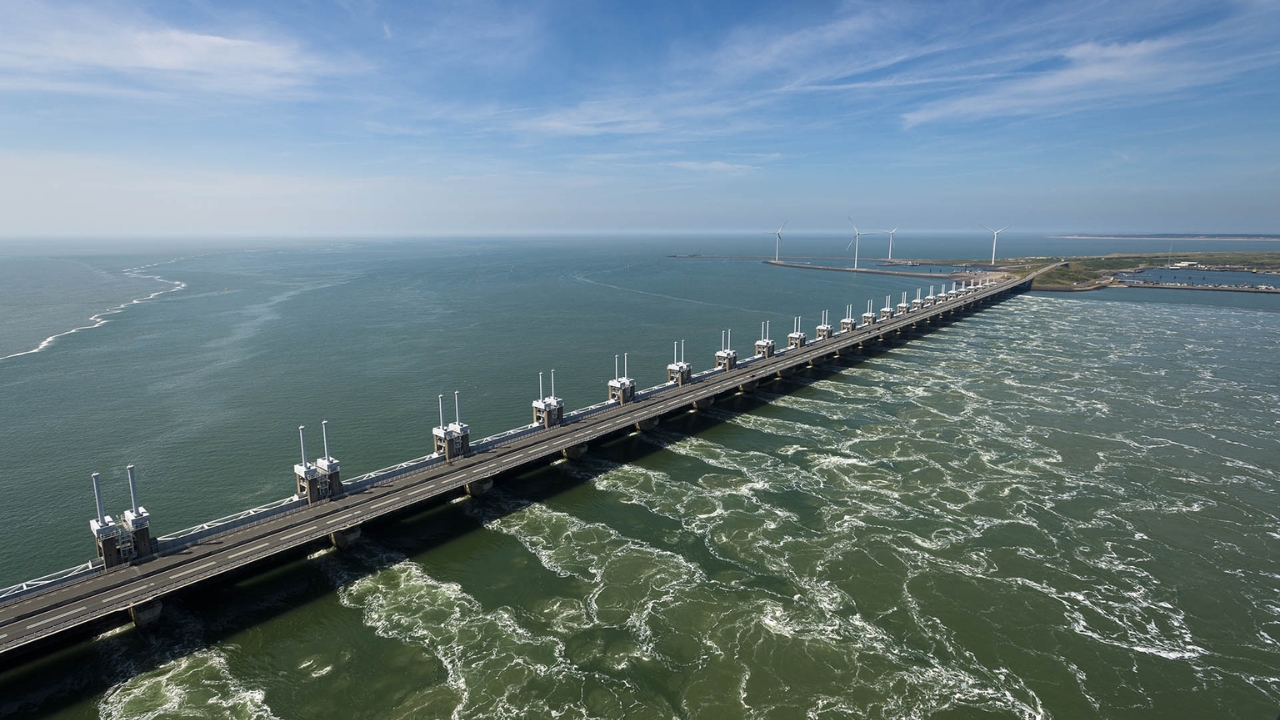


In A Country Where More Than 60% Of The Population Lives In Vulnerable Areas, The Delta Works Supports Dikes, Gates, And Polders As A Continuous Line Of Defense That Cannot Fail For 48 Hours Without Consequences
The Delta Works is one of the largest hydraulic infrastructures ever built and sustains daily life in the Netherlands. In a country where 26% of the territory is below sea level, water protection needs to operate continuously.
The impact is direct because more than 60% of the population lives in areas vulnerable to permanent flooding. Defense does not act in isolated moments, but as part of the normal operation of the territory.
A widespread interruption for 48 hours can already allow water to enter areas where natural drainage does not exist, creating a difficult-to-control scenario.
-
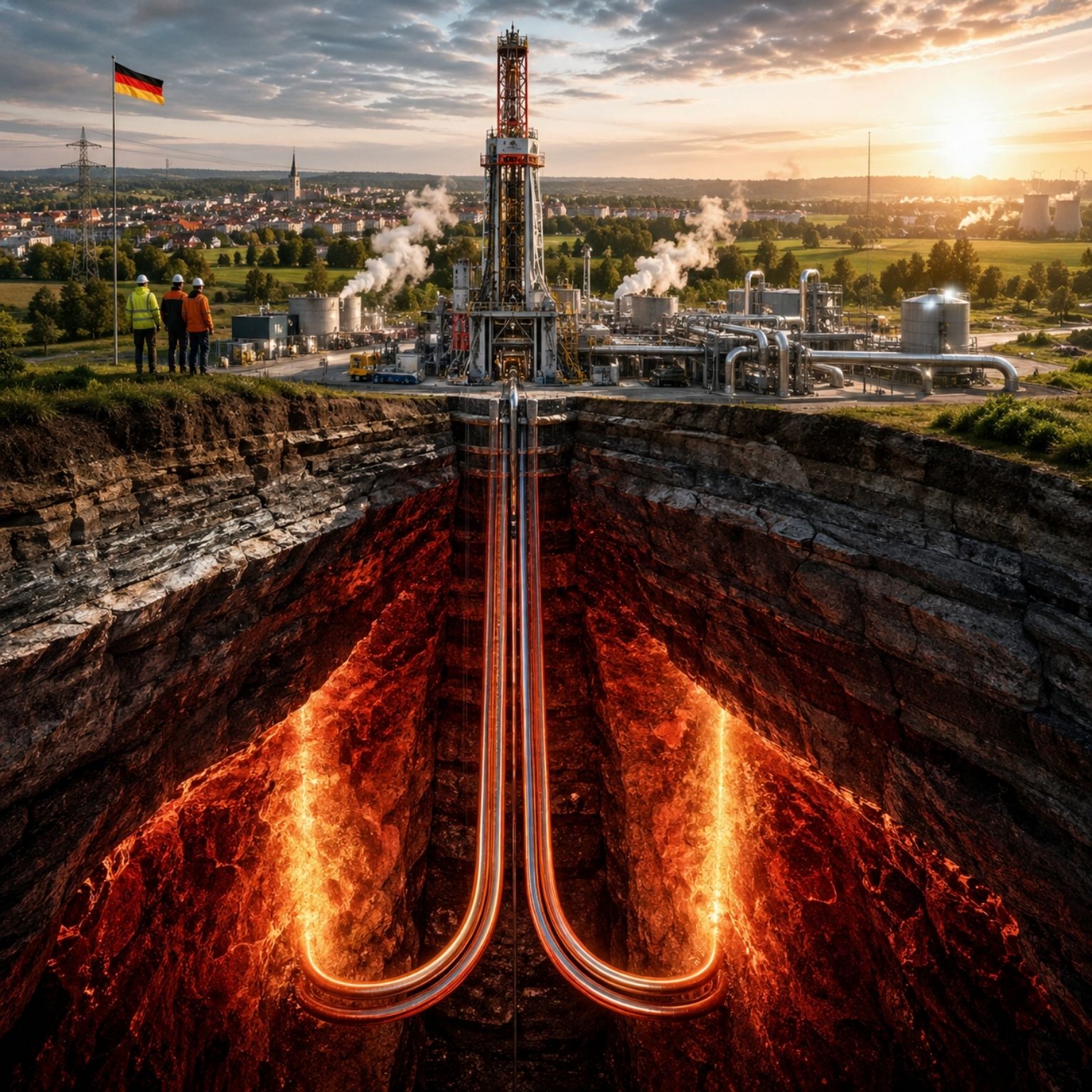
Germany turns on a “giant underground radiator” with up to 90 km of boreholes at a depth of 5 km, betting on a closed-loop system without fracking and transforming hot rocks into electricity and heating to open a new phase of clean geothermal energy in Europe.

-
A city is building low-cost houses for people experiencing homelessness, with community support, assembled in a few hours, costing $2,500, and with a simple structure to protect from the cold and rain.

-
Brazil is the 8th largest energy producer in the world and has an 83% renewable matrix — but its electricity bill is among the most expensive on the planet and 35 million people live in energy poverty.

-
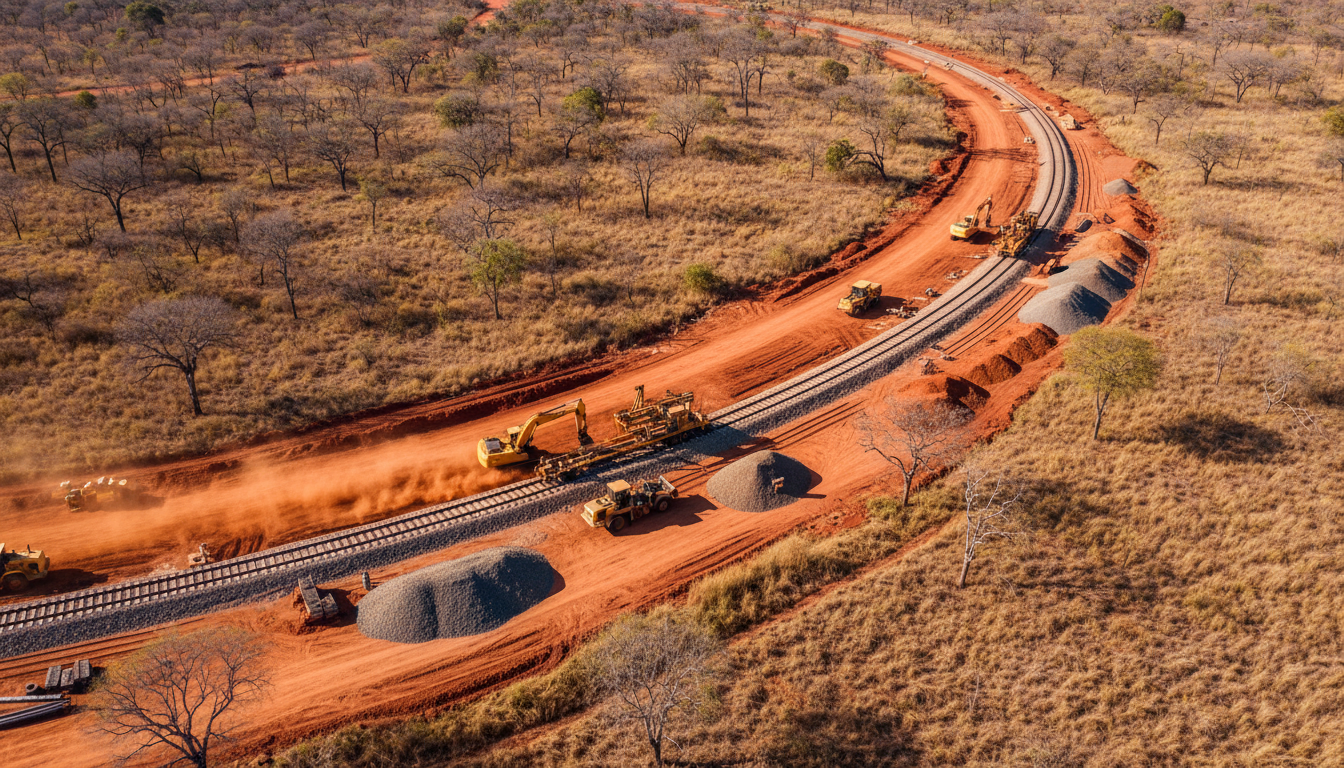
Government plans R$ 530 billion for 15 railways, but the 1,527 km FIOL between Bahia and Tocantins has been waiting for decades — Lula asks for its completion by December 2026.


Origin Of The Delta Works After The Flood Of 1953

The geography of the country concentrates deltas of major rivers and an open coast to the North Sea. This combination has always exposed cities and productive areas to storms and high tides.
The flood of 1953 marked a breaking point by causing 1,836 deaths and revealing the fragility of the existing defenses. The episode accelerated a national response.
The main works began in 1954 and progressed over decades, until completion in 1997, transforming how the country deals with water risk.
Integrated Engineering Structure Sustaining The System
The Delta Works consists of 13 major engineering projects that operate in a coordinated manner. The goal is to reduce direct contact with the sea and maintain control of water levels inland.
Much of the protected areas include polders, artificially drained regions where water does not flow out on its own. In these zones, the balance depends on permanent control.
Dikes, movable barriers, gates, locks, and pumping stations form a unique system, in which each component has a defined function to prevent the advance of water.
Strategic Works Concentrating Coastal Protection

The Oosterscheldekering is one of the most iconic structures of the system. At about 9 kilometers, it uses movable gates that remain open under normal conditions and close when the risk increases.
The Maeslantkering directly protects the port area of Rotterdam, one of the most relevant logistics centers in Europe. The movable barrier only operates in critical situations.
Structures such as Haringvlietdam, Grevelingendam, and Brouwersdam regulate the relationship between rivers and sea and eliminate old points of vulnerability along the coast.
Technical Consequences Of A Prolonged Operational Failure
A widespread failure for 48 hours can disrupt the balance in areas where the terrain is well below sea level. The entry of water tends to be rapid and difficult to contain.
Cities like Amsterdam, Rotterdam, and The Hague are exposed to impacts on tunnels, underground networks, public transport, and essential services. In many cases, the removal of water depends on continuous pumping.
Another relevant effect is salinization. The entry of seawater compromises freshwater reserves and the soil, extending recovery time after flooding.
Permanent Maintenance And Long-Term Planning

Water defense requires constant updating. Its operation depends on inspections, structural reinforcements, and continuous adaptation to environmental changes.
The country works with projections of 50 and 100 years, anticipating risks related to rising sea levels and intensifying extreme events. This planning reduces reliance on emergency responses.
Beyond physical barriers, the Room for the River program creates controlled areas to accommodate larger volumes of water, decreasing pressure on dikes and gates.
The Delta Works ensures the existence of the Netherlands in an extreme geographical condition, with 26% of the territory below sea level. The infrastructure functions as the basis of the territory, not as a temporary measure.
The decisive factor is time. A widespread failure for 48 hours can already allow water to advance and generate urban and environmental impacts that are difficult to reverse.


Na Holanda têm os holandeses.
No Brasil, os brasileiros.
MAGNÍFICO ESSES ENGENHEIROS HOLANDESES
E as leis da hidrodinâmica??? Abaixo do nivel do mar?….os rios correm de baixo para cima???
Para resolver esse problema os Holandêses recorrem a bombas de drenagem (no início os moinhos de vento cumpriam essa função entre outras), diques, canais e reservatórios de armazenamento gigantes, durante a maré alta que são escoados na maré baixa.
Já lutam contra o mar à séculos e são simplesmente os melhores do mundo nisso.