





 Portuguese
  English
  Spanish
  2 min of reading
  0 comments


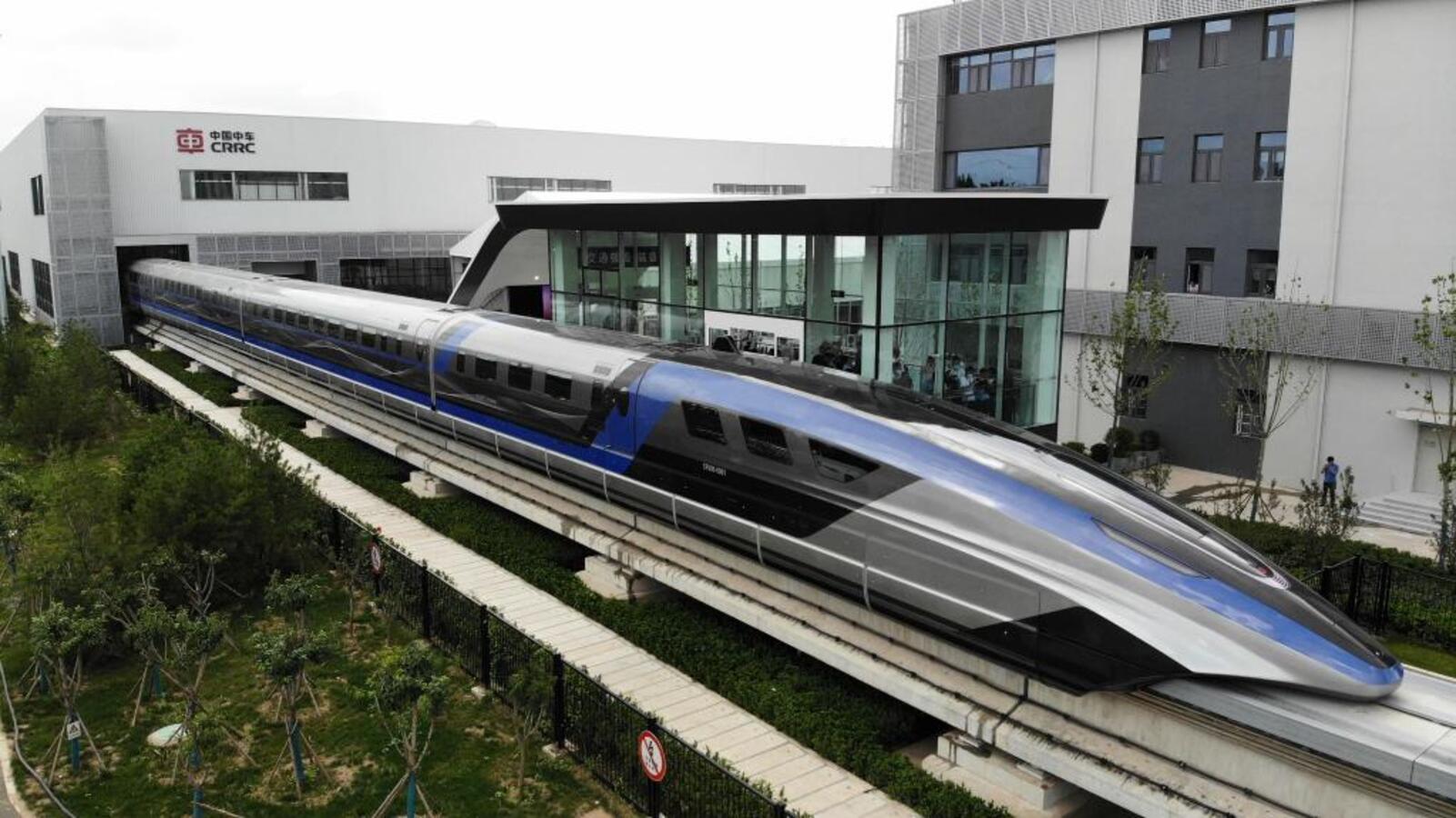
Chinese Maglev Prototype Could Reduce Travel Time Between Shanghai and Beijing from Five to Two and a Half Hours, Marking a New Era in Transportation
The quest for speed and sustainability has led China to develop a magnetic levitation train capable of reaching 600 km/h.
More than a technical advance, the project could set a new standard for rail transport, shortening distances and reducing environmental impacts.
Traditional trains are now left behind. Today, modern systems use electrification and automated control to reduce errors and enhance energy efficiency.
-
A new 3D printing technology promises to give robots muscles similar to humans.

-
While thieves looted almost all the neighboring tombs over 2,600 years, an Etruscan chamber in Italy remained sealed and untouched all this time, and archaeologists have just opened it to find more than a hundred objects in the exact place where they were left.

-
Black Hawk helicopter carries 24 basalt rocks weighing up to 2 tons through narrow Australian valleys to rebuild a 100-year-old dam, after floods destroyed the structure and forced engineers to transform the aircraft into a flying crane.

-
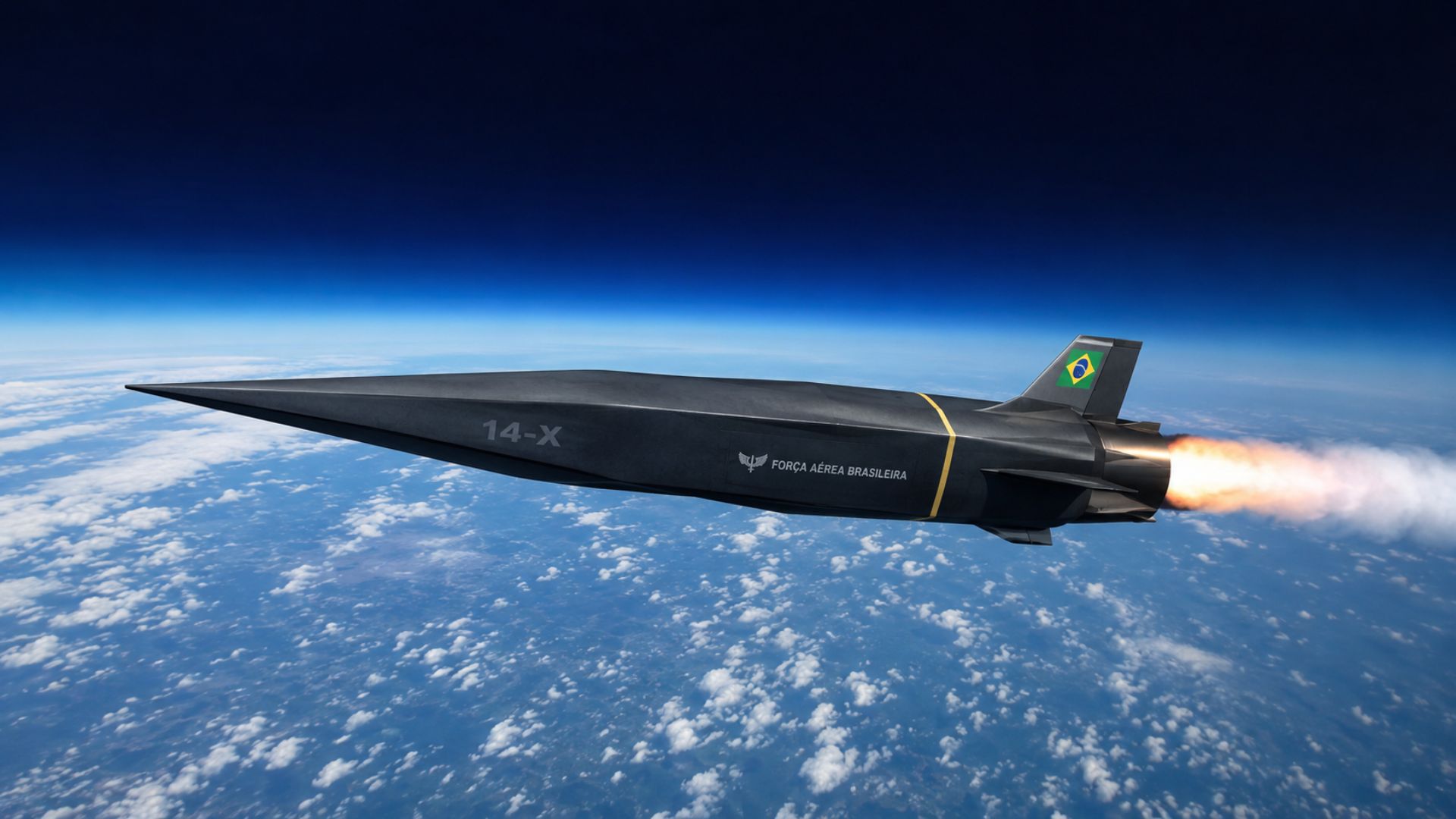
At 30 km altitude and nearly 7,000 km/h, the 14-X demonstrator of the Brazilian Air Force tested a scramjet engine without moving parts in Alcântara, in a project with the ambitious goal of reaching Mach 10, which has just received a historic investment of R$ 93 million from Finep.




This evolution has opened the door for technologies like magnetic levitation, which eliminates contact with the tracks and drastically reduces friction.
With huge distances between its major cities, China bets on this innovation to shorten travel times and promote quieter and more sustainable transportation, transforming urban and intercity mobility.
The Project That Floats Above the Tracks
At the 17th Modern Railways Exhibition in Beijing, the state-owned China Railway Rolling Stock Corporation (CRRC) showcased a maglev prototype capable of reaching 600 km/h.
The secret lies in the magnetic fields that elevate the train a few centimeters above the tracks, allowing for a smooth, contactless ride.
The journey begins with rubber wheels. They retract upon reaching 150 km/h, at which point the train begins to “fly” to its destination.
Although CRRC leads the development, there are indications of collaboration with German engineers, combining Asian and European know-how.
Journeys Measured in Minutes
Japan holds the world record for speed with maglev, reaching 603 km/h in tests. However, the Chinese model aims for commercial operation.
The trip between Shanghai and Beijing, which currently takes five and a half hours, could drop to about two and a half hours. In Europe, it would be like traveling from Bilbao to Málaga in just over an hour.
If the project stays on schedule, China will be a pioneer in operating commercial trains at this speed, entering direct competition with national aerospace projects.
Moreover, this technological race promises to redefine the future of transportation and how major cities connect.
With information from Gizmodo.





-

1 person reacted to this.