





 Portuguese
  English
  Spanish
  5 min of reading
  19 comments




As of 2025, the Electronic Toll Tag will be mandatory on Brazilian highways. This change promises to transform the transportation sector, reduce costs, and optimize traffic flow on the roads. Companies like Veloe and ConectCar are ready to provide the tags. Get ready for the necessary adaptation and understand the impacts of this innovation.
The landscape of road transportation in Brazil will undergo a major transformation starting January 1, 2025.
The decision by the ANTT (National Land Transportation Agency) to implement the Mandatory Toll Tag (VPO) exclusively through electronic tags promises to disrupt the routine of drivers, carriers, and logistics companies across the country.
What does this change really mean for your wallet and the traffic flow on the highways?
-
The largest highway concession company in Brazil already belongs to an Italian group, and now the railway sector may be next to receive billions in investments from Italy amid the progress of the Mercosur and European Union agreement.

-
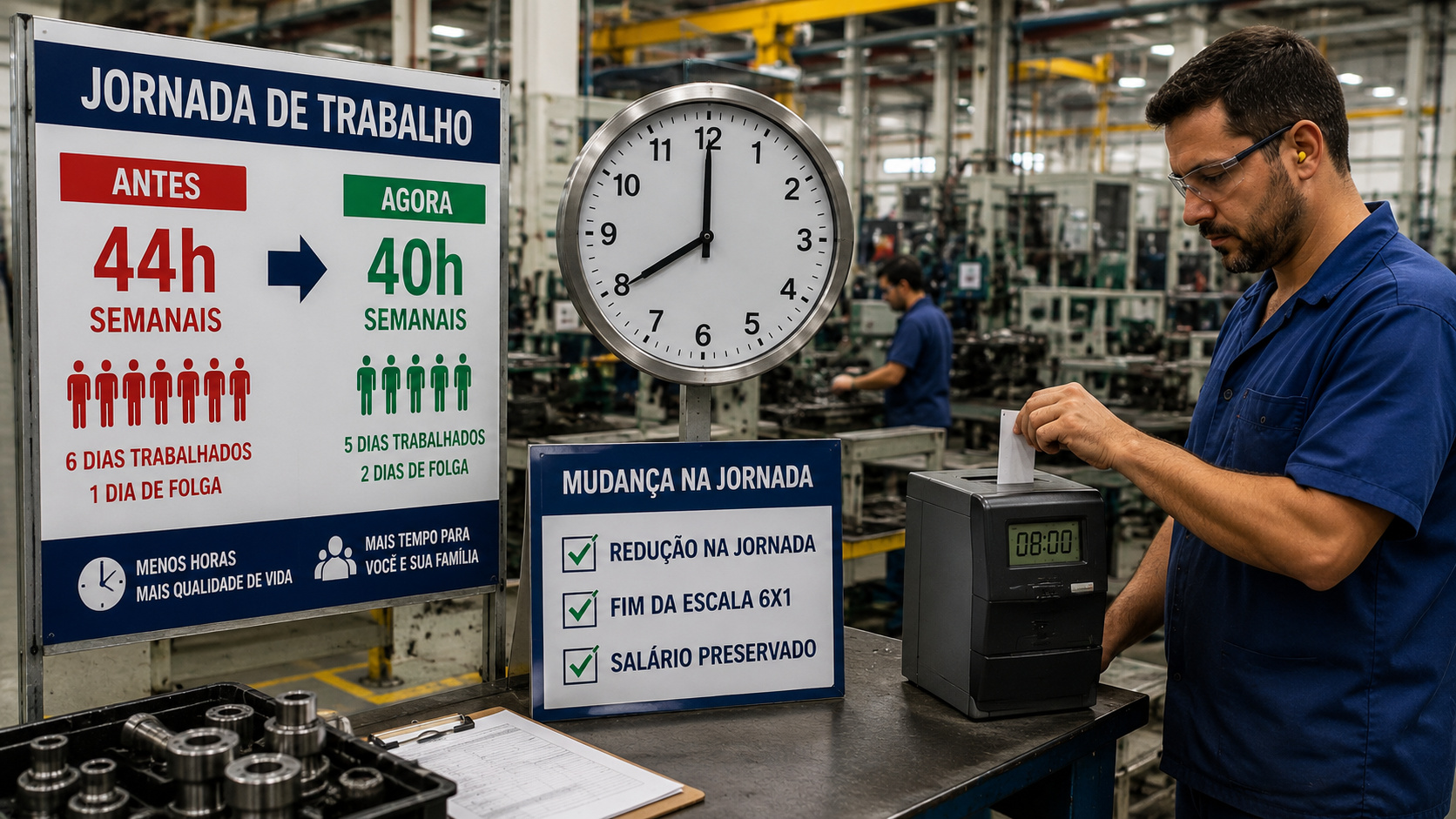
Work less and earn the same? PEC discussed by Lula and Hugo Motta affects the 6×1 schedule and reignites the debate on working hours, days off, and salary in Brazil.

-
Companies from Ceará generate billions and dominate Brazil without many people noticing, with giants born in the state such as Hapvida, Pague Menos, M. Dias Branco, and Três Corações totaling almost R$ 104 billion in revenue just in 2024.
-
A ton of old cell phones can contain up to 800 times more gold than a ton of ore extracted from a mine, according to the UN, and it is this hidden wealth in drawers that drives so-called urban mining, which can even be turned into Olympic medals.



Did you know that for many drivers and companies, the mandatory use of the tag could reduce costs and increase efficiency in the traffic of goods?
That’s right! The transition to a fully digital model aims to eliminate bureaucracy and optimize processes.
But there are also those who doubt its short-term efficiency. Keep reading to understand the impact of this innovation and whether you are prepared for the change!
Electronic Toll Tag: The Change That Will Revolutionize Brazilian Highways
Starting in 2025, the use of electronic tags will be the only form of payment for tolls on Brazil’s highways.
This measure, according to ANTT Resolution 6.024/23, emerges as an advancement in the digitalization of highway services, replacing old manual payment systems and speeding up vehicle movement.
Companies like Alelo, Veloe, ConectCar, Greenpass, and Move Mais are already prepared to provide the tags that will be mandatory for drivers and carriers.
This movement mainly aims to reduce bureaucracy and waiting times at toll booths.
The tags will allow for automatic and efficient charging, eliminating manual payment, which promises to enhance traffic agility.
The idea is to transform the experience on the highways into something faster, safer, and, of course, less costly for everyone involved.
Benefits for Carriers and Logistics Companies
But how does this change actually benefit the transportation and logistics sector in Brazil?
According to André Turquetto, CEO of Veloe and president of Abepam (Brazilian Association of Automatic Payment Companies for Mobility), the implementation of the VPO goes far beyond simplifying payments.
It can provide a range of operational advantages for companies that rely on road transportation to conduct business.
Reduction of Operating Costs: Real Savings
With the automation of payments, carriers and logistics companies will be able to eliminate administrative costs related to manual payments, which in many cases represents a significant portion of operating costs.
The digitalization of the process can improve cash flow and increase operational efficiency.
The reduction of bottlenecks at toll booths and the decrease in stop times mean more productivity and fuel savings.
It is estimated that the transition to the electronic tag system will generate savings of up to R$ 7 billion per year for transport companies.
This significant amount can be reinvested in operational improvements, increased competitiveness, and consequently, better service for consumers.
Economic and Logistical Impacts of the New Regulation
In addition to benefiting transport companies, ANTT Resolution No. 6.024/2023 aims to create a positive impact on the sector as a whole, reducing logistical costs and promoting greater competitiveness in Brazil.
Automation of toll payments will allow for greater predictability in the revenues of concessionaires, which directly impacts how highways are managed.
This may result in better-maintained highways and smoother operations.
According to Turquetto, “this change will create a more efficient and safe environment for everyone involved.
The implementation of the system will strengthen the sector and ensure that payments are made more quickly and transparently.”
For him, the VPO will bring a series of improvements, both financially and in logistics for transport in the country.
Who Needs to Activate the Electronic Tag?
Although the resolution directly affects carriers and logistics companies, regular drivers will also need to adapt.
Starting in January 2025, all drivers using toll roads will be required to use the electronic tag to pay the toll.
This applies not only to freight vehicles but also to private car drivers, buses, and motorcycles.
The Future of Electronic Payment on Highways
With technological advancements, electronic payment will solidify as a new standard on Brazilian highways.
Companies are already investing to adapt their systems and make the process even faster and more efficient.
The expectation is that the implementation of the electronic toll tag will expand to all highways in Brazil in the coming years, becoming a fundamental part of the country’s transportation infrastructure.
Additionally, the increased adoption of electronic tags could generate new business models and increase integration with other forms of digital payment, such as urban transportation systems and international toll systems.
Preparation for the Change: What You Should Do
Now that you know about the requirement for the electronic toll tag, the question is: are you ready to do your part?
If you do not have an electronic tag yet, it is time to get one. The companies providing the tags are prepared to offer drivers and carriers the infrastructure needed to ensure compliance with this new regulation.
Remember: the change is already in effect, and those who do not adapt may face fines and difficulties at tolls.
What to Expect in 2025?
The transition to the electronic toll tag is just the beginning of a series of changes that promise to transform transportation in Brazil.
With benefits such as reduced operating costs and greater fluidity on highways, digitalizing toll payments is expected to accelerate the modernization process of the sector.
The only question that remains is: do you already have your electronic tag, or will you wait until the last minute to adapt?




Só esqueceram de falar que as empresas dona do produto transportado paga o pedágio e a transportadora não repassa o mesmo, descontando do frete Ruin que é pago, quem se lasca no final das contas é o caminhoneiro.
Mais uma vez o caminhoneiro sustentando todo esse pessoal.
Daí fazem tantas exigências, de horário, manutenção, e o caminhoneiro sempre diminuindo seu lucro para manter o caminhão e sua família.
Mais uma vez não agrega em nada para o transporte
Supostamente: sem funcionários, cobrando taxa do TAG, muito mais lucro. Enfim só no nosso. Políticos usam avião sem TAG e às custas do povo. BRASIL um País de tols.
Fazem leis que o sistema não tá preparado só dor de cabeça