Portuguese
  Spanish


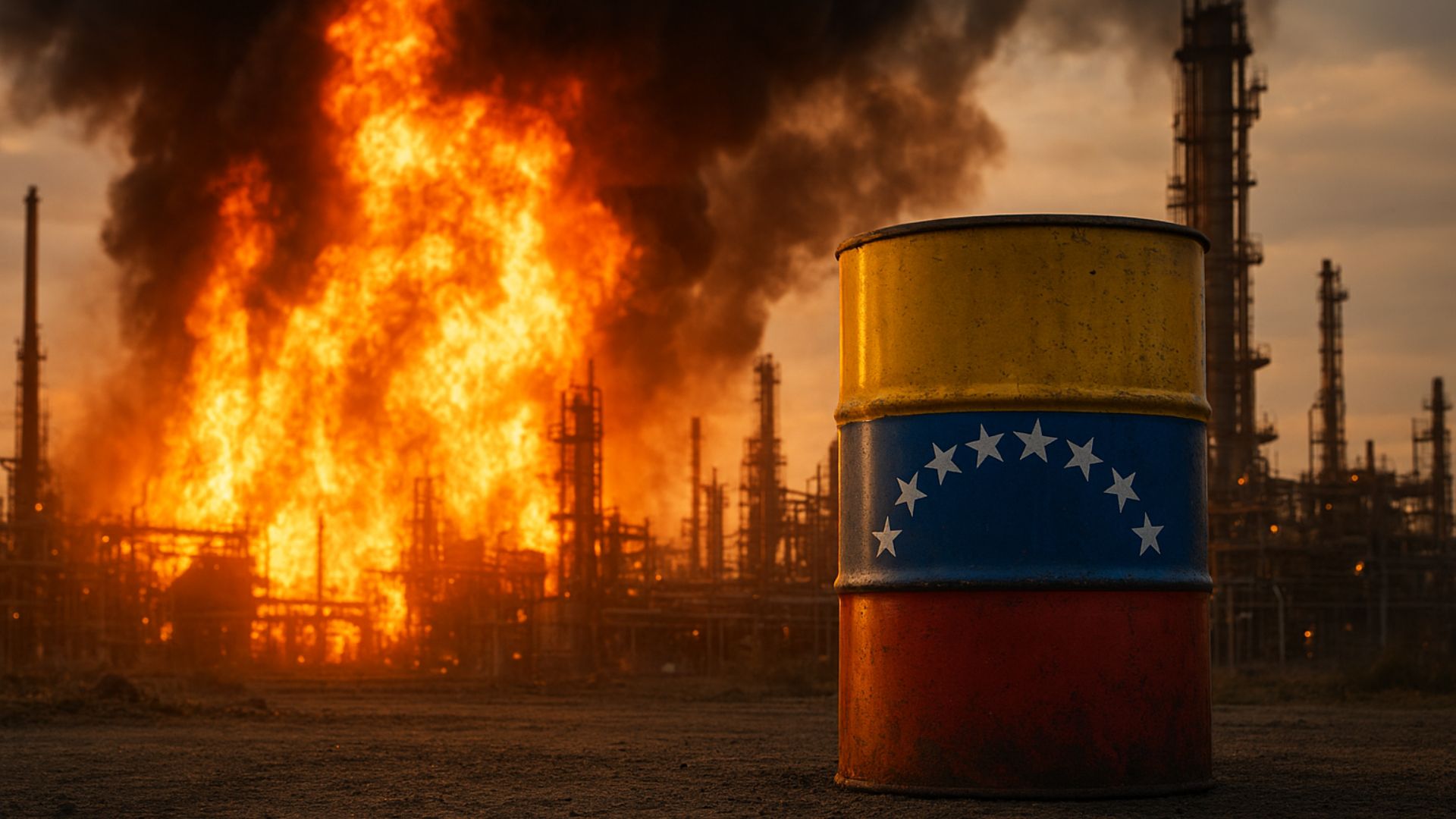


Authorities Investigate The Explosion That Caused A Fire At The Petrocedeño Refinery In Venezuela, Creating Intense Smoke In Anzoátegui And Raising Environmental And Operational Concerns
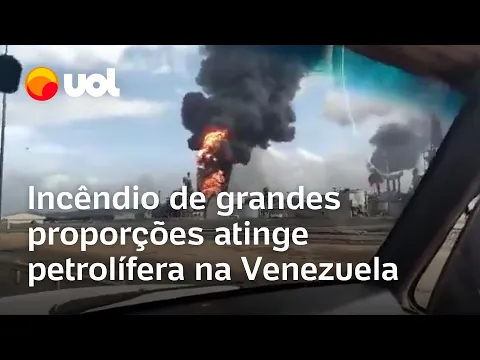
On November 19, 2025, a fire hit the Petrocedeño refinery, located in the state of Anzoátegui, in Venezuela, following an explosion that occurred in the afternoon. The situation quickly gained international attention due to the height of the smoke column and the history of accidents in refining facilities in the country.
First Information About The Fire And The Explosion At Petrocedeño
According to reports from CNN Brasil, the plant workers were immediately evacuated as a safety measure, and there were no reports of injuries. Although the exact cause is still under investigation, the incident has once again sparked debates about industrial maintenance, environmental risk, and operational stability in the Venezuelan oil sector.
Shortly after the fire began, international vehicles reported that the explosion occurred near a processing area of the refinery, where essential equipment for oil distillation is located. According to sources cited in the original report, the smoke could be seen from long distances and remained concentrated over one of the towers in the complex.
-
OPEC+ Boosts Oil Supply by 188,000 Barrels per Day in July 2026, Leading to Price Drop from $112 to $89 per Barrel in Under Two Months

-
TotalEnergies Signs 20-Year Deal to Purchase 2 Million Tons of LNG from Alaska, Boosting Project Viability
-
Turkey Deploys Çağrı Bey Drilling Ship to Explore New Oil Frontier Off Somalia’s Coast
-
Golden Pass LNG Ships First Liquefied Gas Cargo from the U.S., Completing $10 Billion QatarEnergy and ExxonMobil Investment



Additionally, emergency teams quickly arrived on-site, reinforcing the scope of the risk involved. Although there are still no in-depth details about the exact point of the explosion, authorities in the Anzoátegui region were called in to control the spread of the flames and monitor possible environmental impacts. The initial priority was to remove employees from the industrial area and prevent further explosions, which required complete isolation of the nearby processing lines.
Emergency Response And Immediate Evacuation
The rapid evacuation was one of the most highlighted elements by international sources. Shortly after the explosion, internal alarms were triggered, and the safety teams of the Petrocedeño complex initiated the worker evacuation protocol. As a result of this procedure, there were no injury reports, indicating that industrial safety protocols were appropriately followed.
The teams involved in combating the flames included local firefighters and professionals specialized in industrial fires. Their joint action was essential to contain the advance of the fire since oil facilities require specific containment techniques to prevent flames from spreading to adjacent storage and processing areas.
At the same time, testimonies reported in local media indicated that residents of nearby areas also observed the smoke and were advised to avoid prolonged exposure to outdoor air until the situation was more controlled.

Environmental Impact And Risk To The Anzoátegui Region
The size of the smoke column raised significant concerns. When a fire occurs at a refinery, especially in facilities dealing with heavy oil — a typical case for plants in the Orinoco Belt region — there is a possibility of releasing harmful compounds, such as sulfur dioxide, particulate matter, and aromatic hydrocarbons. Although local authorities have yet to release air quality analyses, this risk cannot be ignored.
Furthermore, the density of the smoke suggests the burning of complex materials, which can cause short-term environmental damage. Even if the flames are controlled quickly, atmospheric residues can spread to nearby urban areas, causing respiratory irritation, reducing air quality, and potentially impacting the health of more vulnerable populations.
This type of situation rekindles debates about the need for more rigorous environmental monitoring in large-scale facilities, especially in countries where maintenance infrastructure often faces criticism. In the specific case of Venezuela, experts have already pointed out that the lack of continuous investment in the oil sector contributes to incidents like this becoming more frequent over the years.
Strategic Importance Of The Petrocedeño Refinery
The Petrocedeño refinery is located in an area of great relevance to the Venezuelan oil production chain: the Orinoco Oil Belt. This region houses some of the largest heavy oil reserves in the world and plays a fundamental role in national production.
For this reason, a fire of this magnitude generates not only environmental concerns but also economic impacts. Any prolonged shutdown can directly affect oil production and processing, harming the export capacity and reducing the revenue flow of the state company responsible for operating several units in the region.
This highlights the strategic importance of this facility within the country’s energy system. In addition to supplying fuels and derivatives for domestic consumption, the unit processes significant volumes intended for export. Therefore, any damage to the infrastructure can jeopardize production targets and affect already established international agreements.
Economic And Geopolitical Repercussions Of The Fire At Petrocedeño
From an economic standpoint, the fire can have direct impacts on the pace of derivative production. Depending on the extent of the damages, full resumption of operations could take weeks or even months. This directly affects the export chain — a crucial element for the Venezuelan economy, which heavily relies on international oil sales to maintain its financial balance.
Moreover, the international fallout can influence the perception of investors and trade partners. Countries that have agreements with Venezuela for oil supply often closely monitor incidents of this nature. As a result, episodes like the one at Petrocedeño can create uncertainties, especially if additional investments are needed for the total recovery of the plant.
Geopolitically, the situation also requires attention. Since Venezuela is one of the countries with the largest proven oil reserves in the world, failures in its infrastructure can affect regional markets and pressure negotiations related to the energy sector. Therefore, the response from authorities and the transparency in disclosing the causes play an essential role in preserving international trust.
Paths For Reconstruction And Prevention Of New Accidents
In the face of such a significant episode, certain actions are typically expected by local communities, analysts, and workers in the industry. Firstly, it is crucial that clear reports on the causes of the explosion are published. This helps establish prevention strategies and, at the same time, reinforces the credibility of the institutions involved.
Additionally, the reconstruction of the affected area should take into account updated industrial safety measures, such as more sensitive detection systems, reinforced containment barriers, and regular emergency training. Implementing these improvements tends to reduce future risks and ensure more stable operations.
Finally, independent environmental analyses can help identify potential contamination and support mitigation actions. In areas with high industrial concentration, continuous monitoring of air, soil, and water is essential to protect nearby populations and preserve operational viability in the long term.