





 Portuguese
  English
  Spanish
  4 min of reading
  0 comments


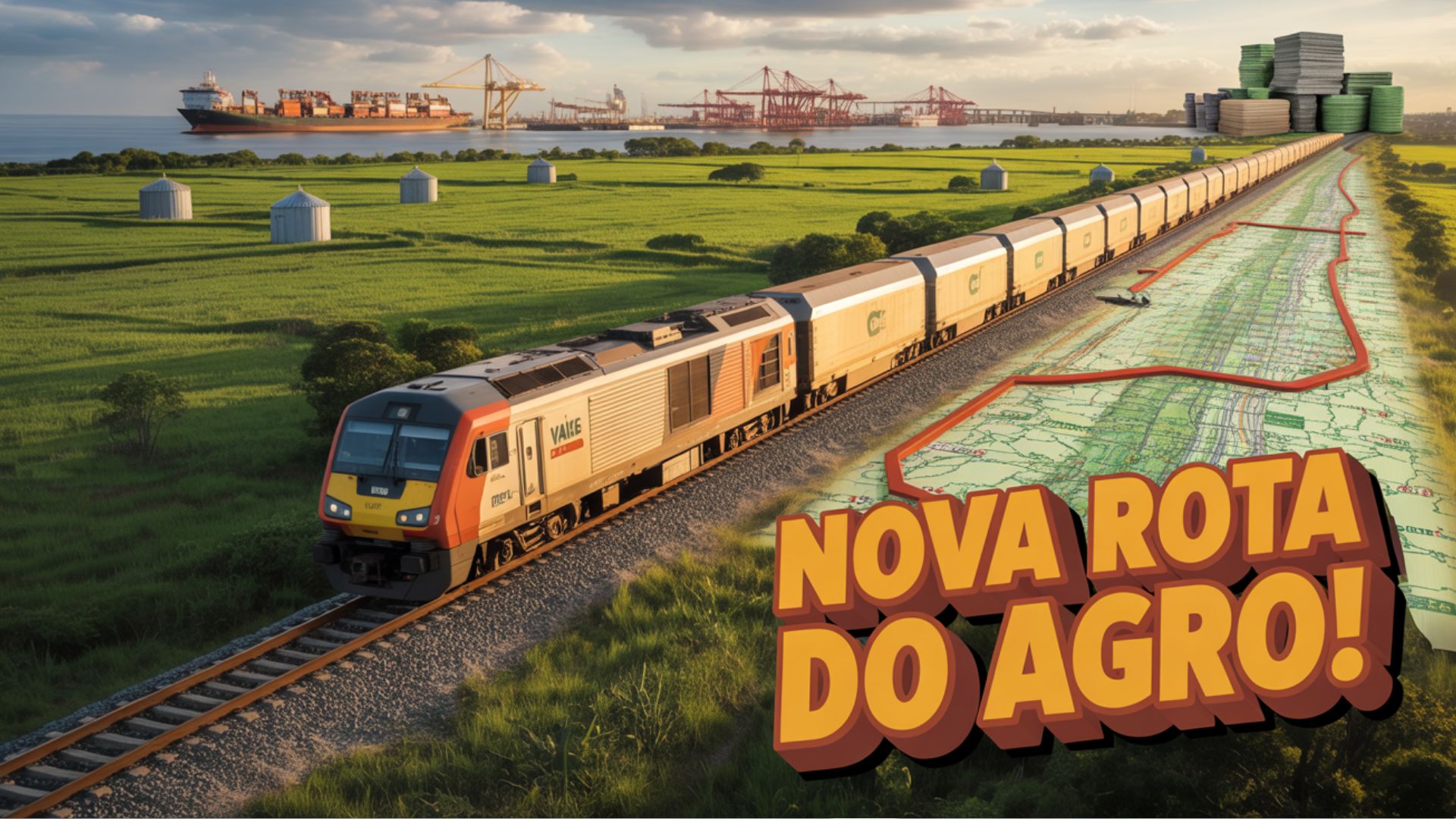
575 Km Railway Project Between Espírito Santo and Rio de Janeiro Advances With Auction Expected By 2026 and Promise to Transform Grain, Mineral, and Industrial Cargo Transportation in the Southeast.
The federal government will launch, in the second half of 2025, the concession notice for the Southeast Railway Arc, also known as EF-118.
The new railway, with a length of 575 kilometers, will be built from scratch and will connect ports in the states of Espírito Santo and Rio de Janeiro.
The expectation is that the auction will take place between the end of this year and the first quarter of 2026.
-
The largest railway under construction in the Northeast will complete 20 years of construction in June — spanning 1,206 km, with R$ 14.9 billion invested, 727 km completed, and 53 cities that waited 67 years to see the first cargo train cross the sertão towards the sea.

-
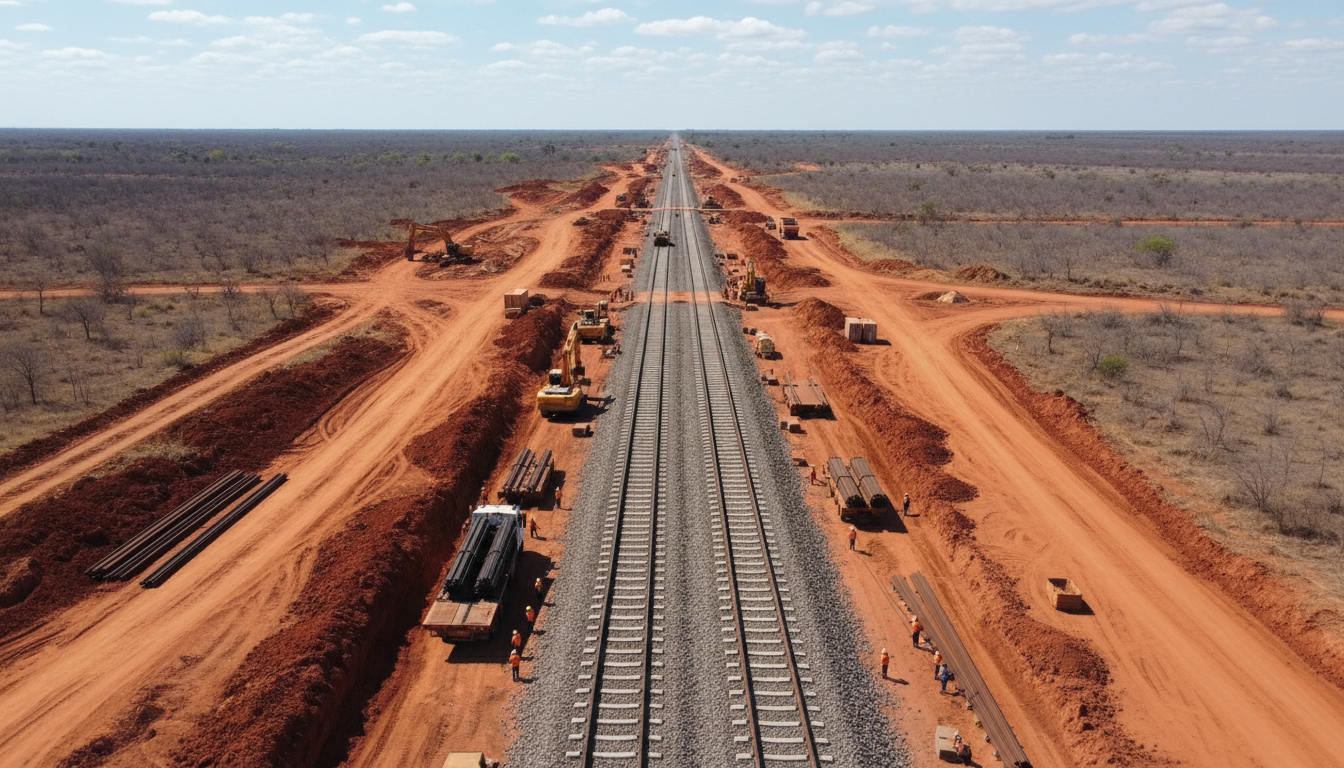
While the São Paulo-Rio high-speed train has never left the drawing board, the largest railway under construction in Brazil is advancing 1 km per day in Mato Grosso — 73% of the 743 kilometers are already completed and R$ 5 billion have been invested.

-
While in Brazil the São Paulo-Rio high-speed train never materialized, China plans to tunnel 120 km under the sea to connect two cities by rail — 90 km will be underwater, with trains at 250 km/h, and the 8-hour journey will be reduced to 40 minutes.
-
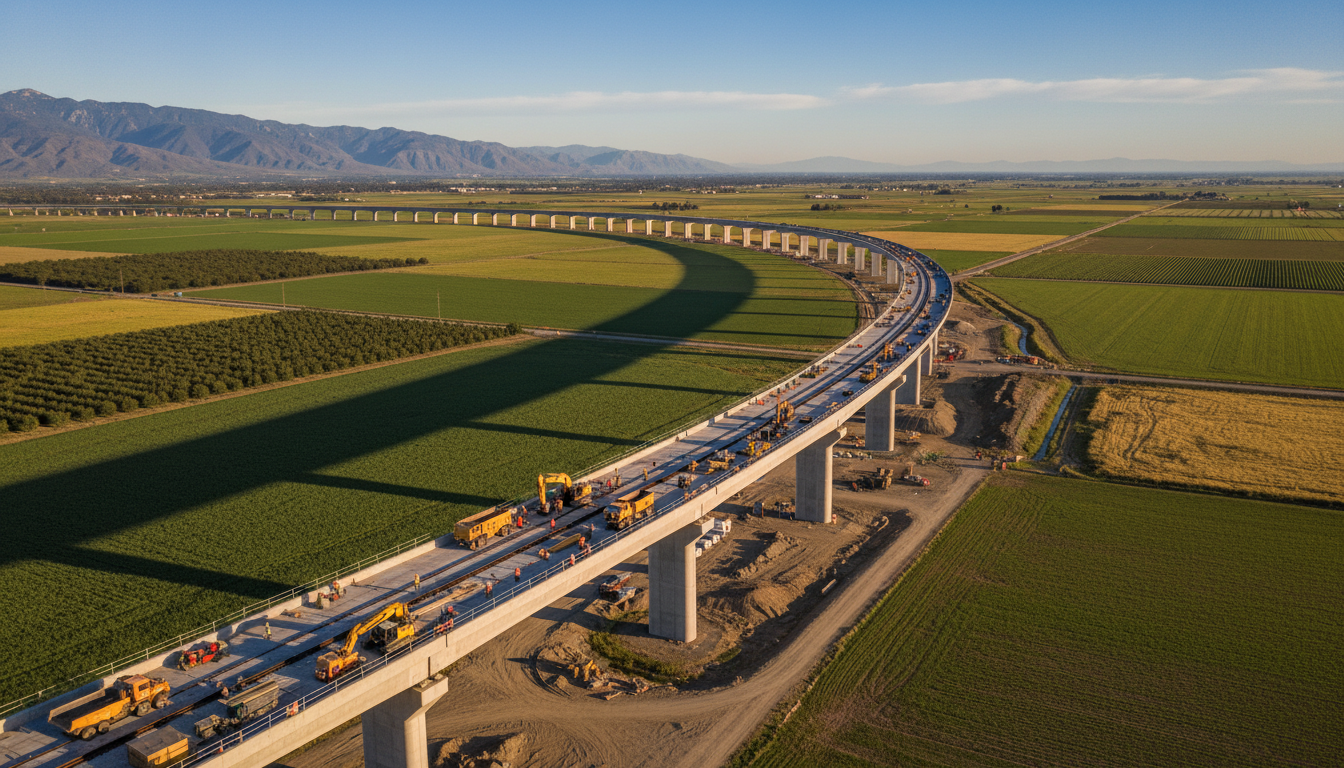
While in Brazil the bullet train between São Paulo and Rio never got off the ground, California already has 130 kilometers of completed viaduct, 16,700 jobs created, and is installing tracks for trains at 350 km/h.



Logistical Connection in the Southeast With National Impact
The route of EF-118 provides for a direct interconnection between the Port of Vitória, the Port of Ubu, the Port Central — in preparatory phase in the municipality of Presidente Kennedy (ES) — and the Port of Açu, located in São João da Barra (RJ).
The latter is considered the largest private port-industry complex in Latin America.
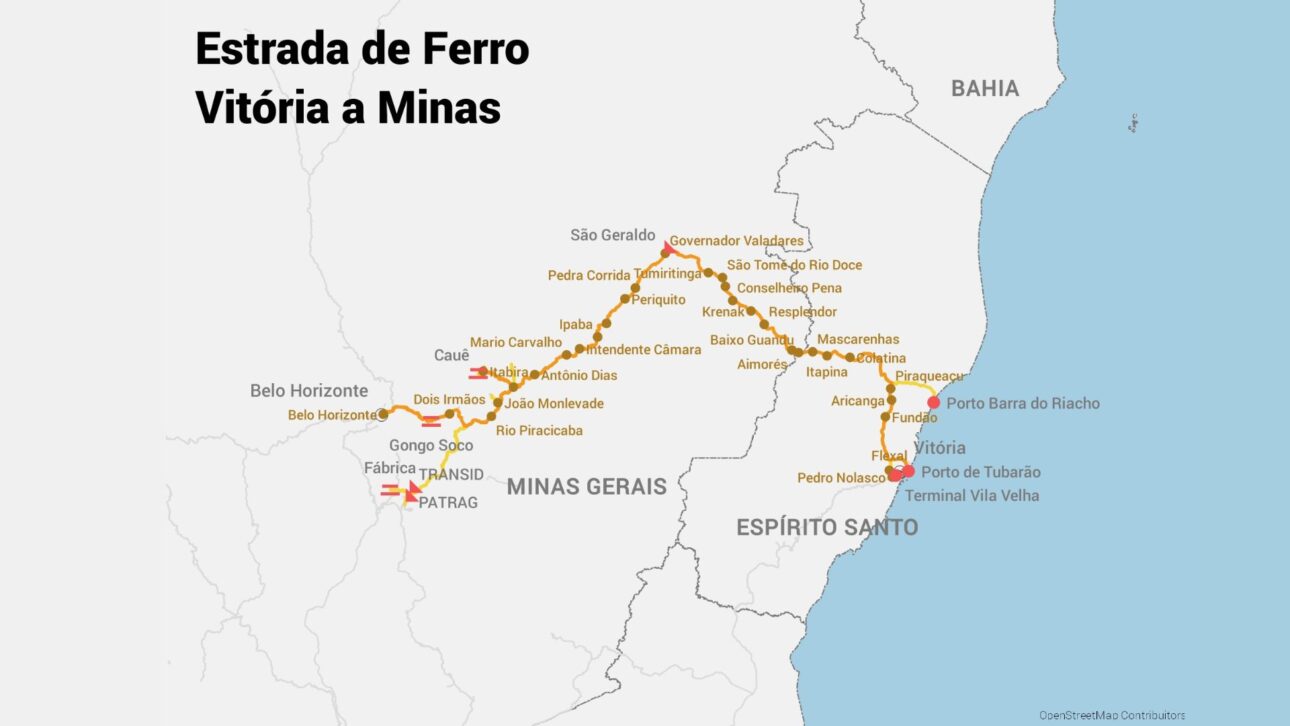
The work will be initiated from a financial contribution from the mining company Vale, estimated at R$ 2.5 billion, as a counterpart for the early renewal of the concession of the Victoria-Minas Railway (EFVM) for another 30 years.
The company has committed to enabling the construction of an initial stretch of 80 kilometers between the municipalities of Cariacica and Anchieta in Espírito Santo.
According to reports from the newspaper Folha de S.Paulo, the current proposal provides that Vale will transfer the amount directly to the winning concessionaire of the auction, who will be responsible for carrying out the works.
The goal is to make the bidding more attractive to the market and exempt the mining company from technical issues related to railway construction.
Stages of the Work and Expected Expansion
This initial stretch, when completed, will serve as the basis for the extension of the line to São João da Barra (RJ), adding another 170 kilometers.
Subsequently, the project foresees a new expansion to Nova Iguaçu (RJ), with an additional 325 kilometers, totaling the proposed 575 km.
For the stage between Anchieta and São João da Barra, the government estimates investments of R$ 4.54 billion, with R$ 3.27 billion coming from public funds in the first eight years of the concession.
The contract will last for 50 years.
Port of Açu Should Expand Operations With Grains
The Port of Açu is closely monitoring the development of the railway.
In operation for only a decade, the terminal has already received R$ 22 billion in investments and plans to invest another R$ 22 billion in the next five years.
The new railway network promises to redirect the logistical plans of the complex, which until now operated mainly with maritime cargo and slurry pipelines.
Although it is a port focused on the movement of oil, gas, and iron ore, Açu has been attracting agribusiness, especially with the arrival of grains from Goiás and Minas Gerais.
Currently, about 1 million tons of grains are handled annually at the multi-cargo terminal of the port.
In an interview with the newspaper Folha de S.Paulo, the president of the Port of Açu, Eugenio Figueiredo, stated that the site has demonstrated logistical potential for the agricultural sector and is in the final decision phase regarding the construction of a terminal dedicated exclusively to grain export.
The engineering project is already complete, and the port is negotiating with potential partners to facilitate the investment.
In addition, there are future plans for the construction of a berth exclusively for grain carriers.
The Port of Açu manages an area of 130 square kilometers, of which 40 km² are environmental reserves and the remaining 90 km² are designated for logistical and industrial enterprises.
About half of this usable area is available for new projects.
Historical Demand and Integration With Other Networks
Figueiredo also stated to the Folha de S.Paulo that the expectation for the arrival of the railway is longstanding.
According to him, the project has been articulated for over a decade.
For the executive, even before the completion of the works, a successful auction should already be enough to redirect investments and consolidate the strategic position of the port in the Brazilian logistical landscape.
The integration of EF-118 with other railways operated by private concessionaires, such as EFVM itself and the MRS Logística network — which connects Nova Iguaçu to the Port of Santos (SP) — increases the intermodal capacity of the new line.
This connection will link the railway to important export routes for agricultural, mineral, and industrial products.
The newspaper also pointed out that the government proposal aims to stimulate competition among the ports in the Southeast, creating viable alternatives for the outflow of national production.
Especially for agribusiness, which today relies heavily on overloaded road routes and ports.
The new railway not only expands the logistical map of the region but also strengthens the potential for investment in infrastructure.
It promotes greater efficiency in cargo transport and reduces operational costs for exporters.





Be the first to react!