





 Portuguese
  English
  Spanish
  4 min of reading
  0 comments


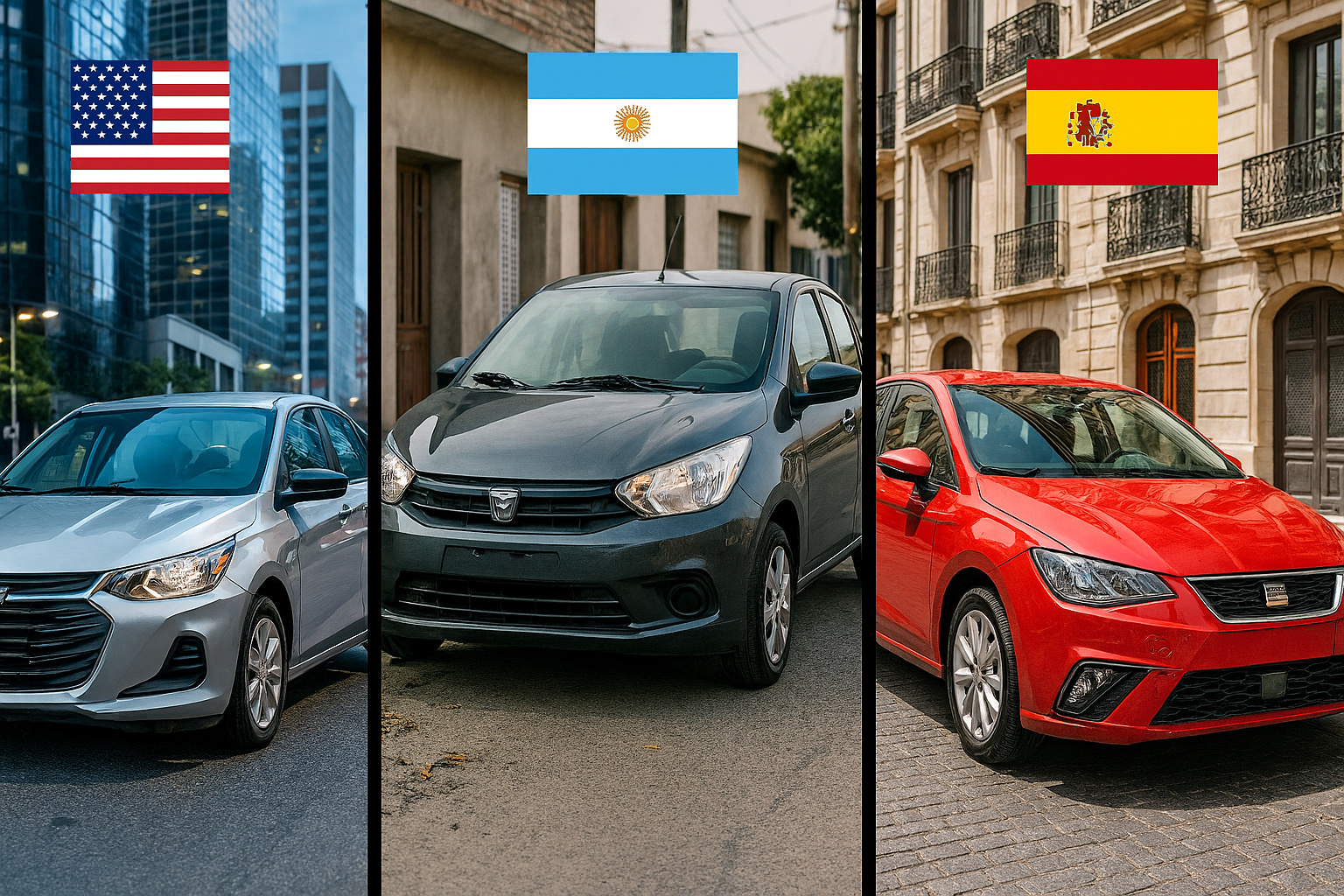
Popular Cars Don’t Mean the Same Thing Worldwide. Compare How the USA, Argentina, and Spain Define Their “Populars” and Understand the Impact of Culture, Economy, and Mobility.
When we talk about “popular cars,” the first image that comes to many Brazilians’ minds is that of a compact hatch 1.0, economical and affordable. However, this concept is far from universal. In each country, the term is shaped by the purchasing power of the population, urban reality, infrastructure, and cultural preferences. To understand what “popular car” really means outside of here, we analyzed three different and relevant markets: the United States, Argentina, and Spain. The results reveal how mobility can be viewed in completely distinct ways around the world.
What Defines a Popular Car in the USA


In the American market, the idea of a “popular car” is not linked to size or small engine, as in Brazil. What defines a popular car in the United States is:
- affordable price for the average income,
- mechanical reliability,
- versatility for daily use.
The American consumer travels long distances daily, whether for leisure travel, commuting, or intercity travels. This means that cars considered popular there are, in practice:
-
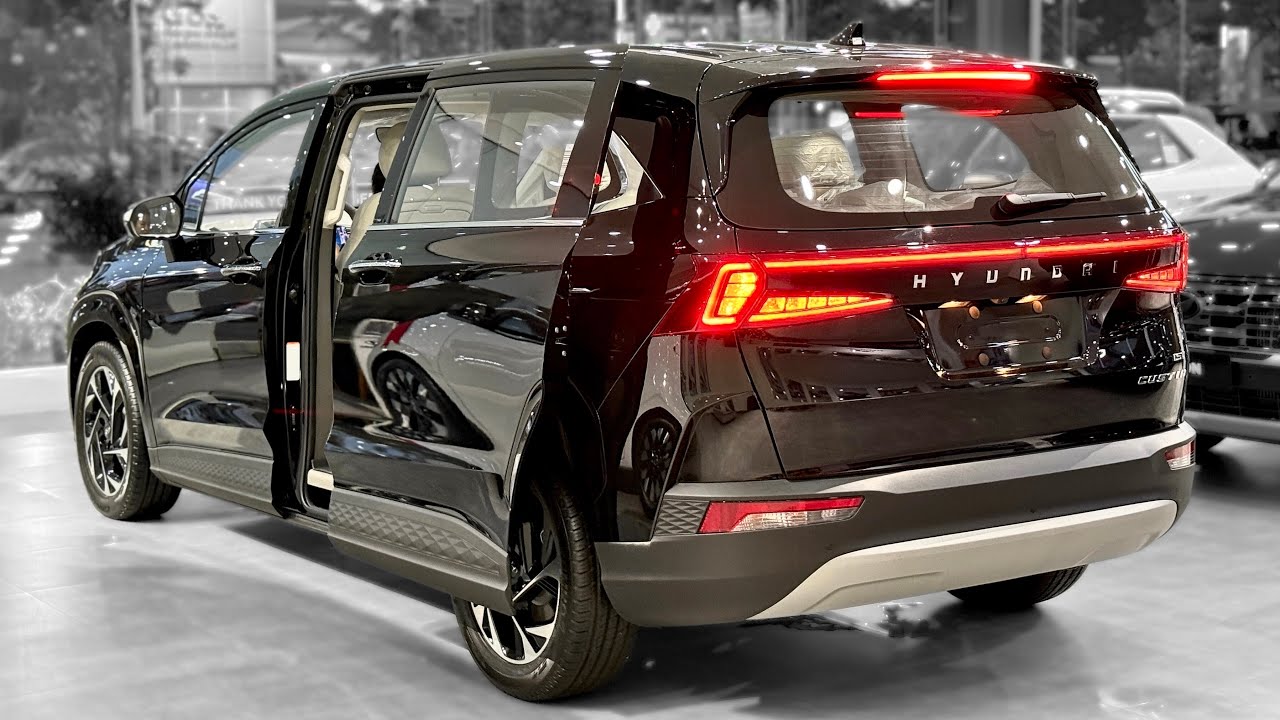
Hyundai sells an executive minivan that looks like a VIP room on wheels: Custin carries 7 people, uses a 1.5 turbo engine with 168 hp, 8-speed automatic transmission, and costs around R$ 157,000 in direct conversion in Vietnam.

-
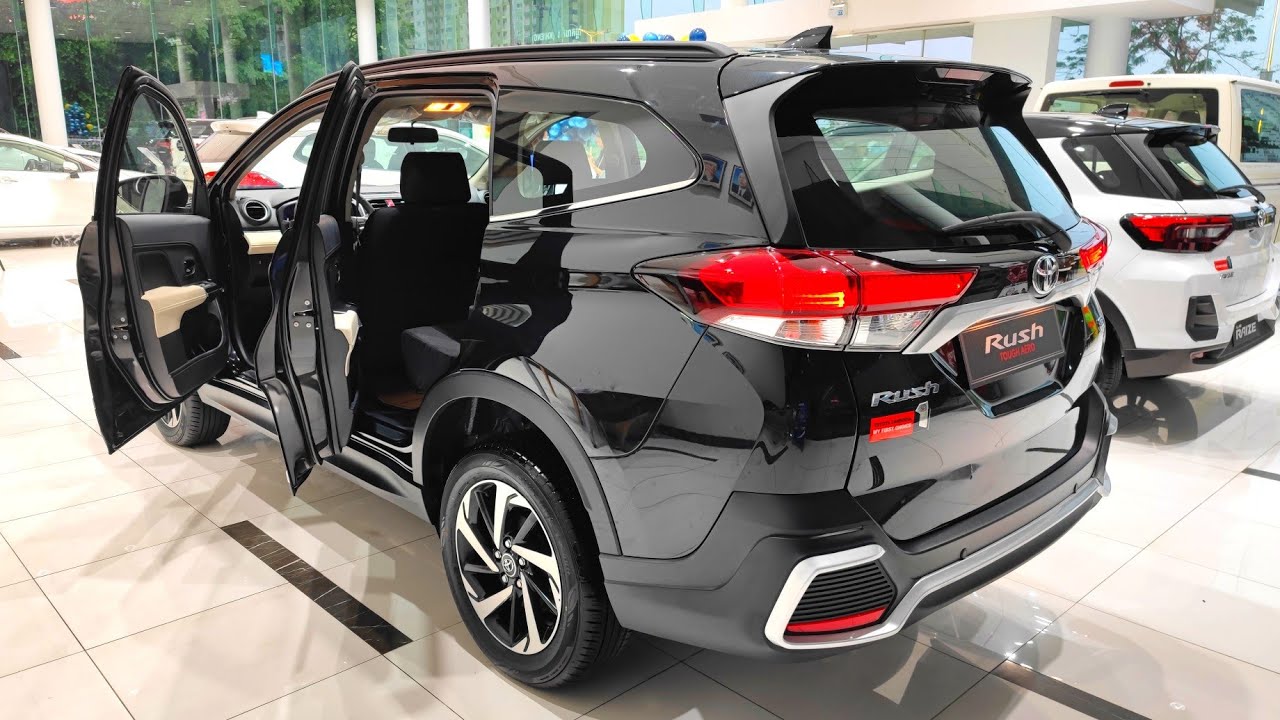
The 7-seater Toyota that seems too cheap to exist in Brazil: Rush has a 1.5 engine, manual or automatic option, and a converted price close to R$ 81,000, while here families need to aim for much more expensive SUVs.
-
The 2012 Mitsubishi Pajero Dakar diesel shows 314,000 km and still draws attention for its reputation for durability; the seven-seater 4×4 SUV handles trails, but signs of severe use may conceal losses for used car buyers.
-
Peugeot publicly acknowledged the errors of the PureTech engine, which caused serious failures in hundreds of thousands of cars, and introduced the new Turbo 100 as a definitive solution, a 1.2 turbo tested for over 3 million kilometers that replaces the faulty belt with a more durable chain.



- mid-size sedans,
- compact SUVs,
- and even pickups.
Models that in Brazil would be classified as “higher category”, in the USA are part of the family’s first car.
This is the case of the Honda Civic, regarded in Brazil as a sophisticated mid-size sedan, but seen in the USA as a reliable entry-level car, just like the Toyota Corolla and some compact SUVs.
Moreover, pickups such as the Ford F-150 and Chevrolet Silverado, despite their size and power, are extremely common and affordable in the American context, as they serve a work, leisure, and family profile at the same time.
How Argentinians Understand the Popular Car
In Argentina, the concept of a popular car is closer to the Latin American logic, but with its own peculiarities.

Argentinians value vehicles that provide:
- reasonable maintenance costs,
- balanced consumption,
- urban usability,
- and versatility for highways and rural areas.
Therefore, models considered popular in the country include:
- compact sedans, such as Toyota Yaris and Fiat Cronos,
- compact SUVs, such as Chevrolet Tracker,
- and mid-size pickups, such as the Ford Ranger.
The presence of pickups among the popular is no coincidence. Argentina has a strong agricultural tradition, with rural routes and long distances, creating a demand for durable and utilitarian vehicles that can also serve as family cars.
While in Brazil the classic popular car is small, economical, and urban, in Argentina the popular can range from a cheap compact sedan to a mid-size pickup used in both countryside and city.
Why the Spanish Popular Car is Compact and Urban
In Spain — and much of Europe — the scenario changes completely. There, the concept of a popular car is strongly associated with three factors:
- low consumption,
- reduced dimensions,
- ease of parking and navigating narrow cities.
Models like Dacia Sandero and Renault Clio frequently appear among the best sellers in the country and perfectly represent the European popular car:
- compact hatch,
- economical,
- affordable,
- easy to maintain,
- ideal for urban centers.
The Spanish urban geography, with narrow streets, historic neighborhoods, and high population density, makes larger cars less practical. Additionally, the cost of fuel and taxes on pollutants encourage more efficient models.
While in the USA the “popular” car is one that travels 500 km comfortably, in Spain the popular is the one that gets 20 km per liter in the city and fits in any parking space.
Comparing the Three Markets
To understand the contrast, it’s enough to observe what each country considers important:
| Country | What Defines the Popular Car |
|---|---|
| USA | Affordable + reliable + versatile (sedans, SUVs, and pickups) |
| Argentina | Economical + functional + utilitarian (compact sedans and pickups) |
| Spain | Compact + efficient + urban (small hatches) |
This comparison makes it clear that there is no global standard. The popular car is a direct reflection of the reality of each society.
The Economic Factor: Income, Taxes, and Fuel
In addition to culture, there are decisive economic factors:
- United States: higher purchasing power and accessible credit make SUVs and mid-size sedans “popular”.
- Argentina: inflation and volatility lead consumers to value total cost of ownership.
- Spain: taxes on emissions and fuel prices encourage efficient and small cars.
Meanwhile, in Brazil, the traditional popular car is still linked to the 1.0 aspirated, low maintenance, and cheap fuel, although compact SUVs are slowly taking that space.
The “Popular” is Cultural
This analysis makes it clear that the popular car is not just an automotive category, but a social portrait.
- In the USA, the popular is the car for traveling.
- In Argentina, the popular is the car for working and saving.
- In Spain, the popular is the car to fit in the city and spend less.
And in Brazil, the popular has always been the car to pay little and maintain cheaply, but this view is changing.
The final question is inevitable: what will be considered a popular car in the future?
With SUVs dominating sales, electrification advancing, and taxes changing, the answer may shift faster than we imagine.


Be the first to react!