Portuguese
  Spanish


The 2012 Pajero Dakar HPE 3.2 automatic shown in the video combines high mileage, diesel engine, seven seats, and 4×4 traction, but requires attention to chassis, suspension, transmission, and signs of severe trails before purchasing in the Brazilian used market, when buying a used diesel SUV.
A Pajero Dakar HPE 3.2 turbodiesel automatic, year 2012, caught attention when it appeared in a video with 314 thousand kilometers driven recorded on the dashboard. The Mitsubishi SUV, with seven seats and 4×4 traction, was presented as a vehicle still preserved despite the high mileage, reigniting interest in diesel models known for their robustness.
As shown in a video published by the channel TulioMegaTorque, the material shows the unit in detailed evaluation, but does not provide the exact date of recording or the location where the vehicle was filmed. Besides highlighting interior space, mechanical set, and off-road capability, the presenter issues a warning: in a used Pajero, especially with a history of trails or heavy work, subtle signs can indicate high expenses after purchase.
2012 Pajero Dakar emerges with 314 thousand km and preserved appearance
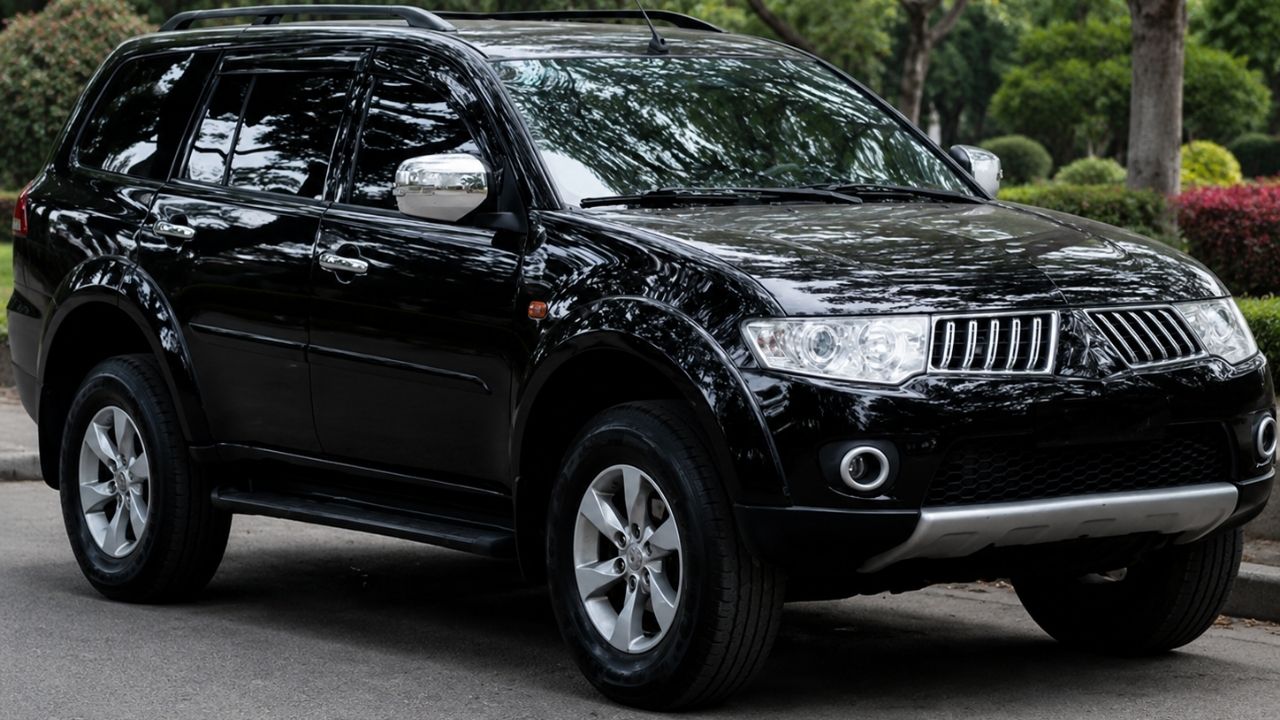
The number displayed on the odometer translates to the high mileage of the unit and is the first element that impresses: 314 thousand kilometers driven in an SUV produced in 2012. During the presentation, the visual state of the unit is highlighted as an example that a vehicle of this size can reach high mileage while maintaining a good appearance when cared for over the years.
-
Volkswagen to Cut Production by 1 Million Cars by 2030, Reducing Jobs and Platforms, Focusing on More Profitable Models

-
Toyota Launches First 100% Electric Car in Brazil: bZ4X with 343 HP, All-Wheel Drive, 361 km Range, Priced at $419,990 BRL, Limited to 99 Units

-
Chinese SUV Achieves 24.4 km/l, Outperforms Toyota Yaris Cross in Real-World Tests with 224 hp Hybrid System, Offers 51-Liter Tank for Greater Range, and Costs Up to R$ 5,000 Less.
-
Uber Black Revamps Fleet, Drops Ten Car Models and Sets Deadline for Electric BYD Dolphin


This, however, does not mean that every example with similar mileage is in good condition. In used vehicles, mileage is only part of the analysis. Maintenance history, type of use, structural repairs, condition of mechanical components, and interior conservation can weigh more than the isolated number shown on the dashboard.
High mileage can indicate durability, but it does not replace a complete inspection before purchase. A diesel SUV that has traveled long highway distances may show very different wear from another repeatedly used in mud, severe trails, towing, or low-maintenance conditions.
In the case shown in the video, the Pajero retains seats, dashboard, and internal components in a condition considered positive by the presenter. Even so, the record itself reinforces that the external and internal appearance is not enough to eliminate hidden risks under the vehicle or in the traction and engine systems.
Seven-seater SUV combines diesel engine, automatic transmission, and 4×4 traction
The unit presented is a Mitsubishi Pajero Dakar HPE equipped with a 3.2 turbo diesel engine, automatic transmission, and 4×4 traction system. The model offers three rows of seats, a feature that positioned it as an alternative for families seeking space without giving up the ability to tackle dirt roads and more demanding routes.
With the third row raised, the trunk becomes limited, as demonstrated in the video. When the rear seats are folded down, the available area for luggage increases significantly, making the SUV more suitable for trips, transporting equipment, and family use with fewer passengers.
The Pajero Dakar’s proposal has always been linked to the balance between internal space and resistance for off-road use. Its elevated size, driving position, and 4×4 set help explain why the model continues to attract attention among used utility vehicle buyers.
At the same time, the size brings compromises. The third row is presented as more appropriate for children or short trips with adults, while the firm suspension, necessary to support weight and difficult terrains, may deliver less comfort than some buyers expect from a large SUV.
Reduced traction increases capacity in mud and difficult terrains
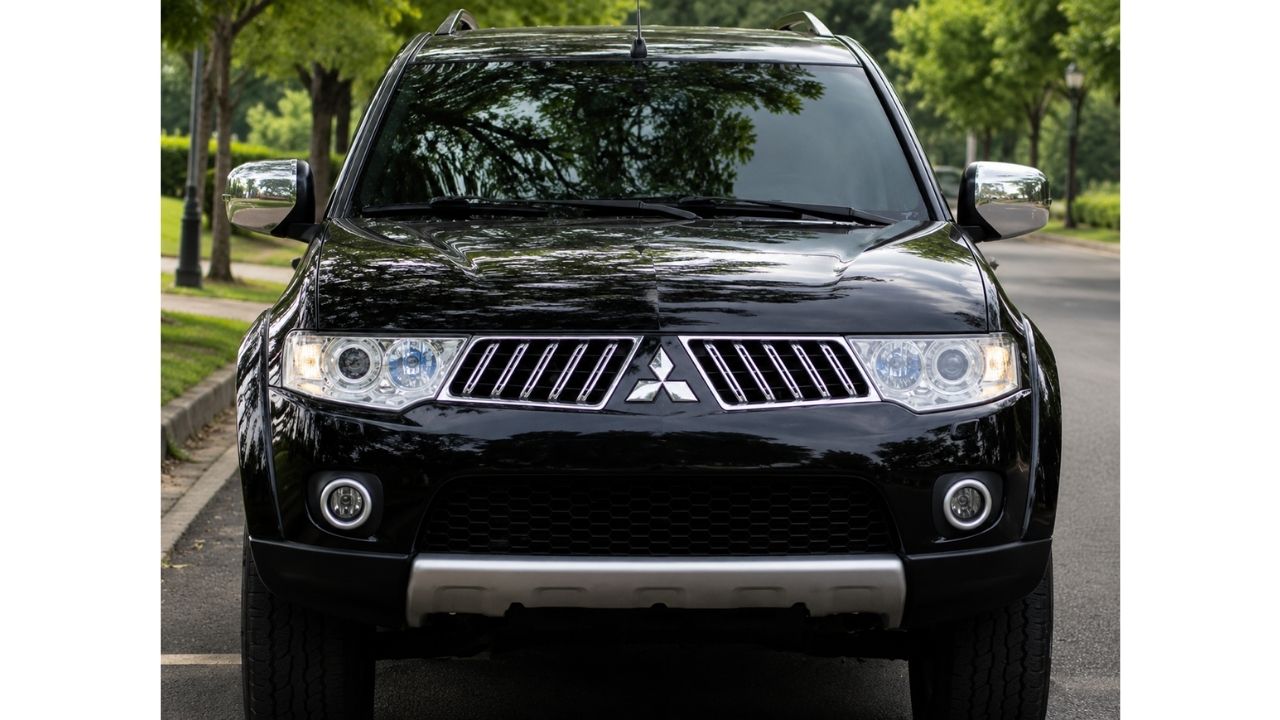
One of the main attractions of the analyzed Pajero is the traction system. The video shows controls for use in different situations, including driving with rear-wheel drive, engaging 4×4, and modes aimed at more severe conditions, such as mud or sections that require more force to overcome obstacles.
This set makes the model an option sought by those intending to travel on rural roads, uneven terrains, or routes where common vehicles might face difficulties. The ground clearance and elevated body also contribute to the image of an SUV ready for adventures.
The same 4×4 traction capability that enhances the vehicle’s value in the used market also requires extra attention. A Pajero bought to tackle heavy trails may accumulate impacts on the chassis, suspension, underbody protection, transmission, and traction system components.
Therefore, the presence of 4×4 should not be seen only as an advantage at the time of choice. The buyer needs to check if all traction modes engage correctly, if there are noises during activation, and if previous use has left marks of excessive strain.
Signs on the chassis and under the carpets can reveal severe use
During the analysis, the presenter recommends carefully observing the underside of the Pajero, looking for welds, dents, leaks, and signs of structural repairs. These points may reveal impacts suffered on trails, accidents, or adaptations made by previous owners.
Another warning involves the vehicle’s interior. Holes, screws, or marks under carpets and linings may indicate that the SUV received additional structures, such as protective cages used in more extreme off-road situations. Although this type of modification alone does not determine a problem, it may suggest a history of more demanding use.
In a 4×4 utility vehicle, hidden marks tell part of the story that the polished paint does not reveal. A visually beautiful car may have undergone intense efforts, especially when its design encourages activities on difficult terrains.
In addition to the chassis and interior, buyers should observe tires, body alignment, door fit, uneven wear, functioning of the transmission couplings, and possible noises during slow movements. The goal is not to condemn vehicles used on trails, but to understand the level of wear before assuming the costs.
Diesel engine is known for robustness, but maintenance weighs in the decision


The 3.2 turbodiesel engine appears in the video as one of the points of interest of the Pajero Dakar. Diesel vehicles of this size usually attract buyers for their low RPM power, travel autonomy, and association with greater resistance for prolonged use.
However, diesel mechanics also require specific care. The evaluation mentions components such as the EGR and DPF systems, as well as the need for preventive maintenance on filters and monitoring signs of irregular operation. In a unit with more than 300,000 kilometers, the documentation of services performed becomes especially relevant.
Reliability does not mean absence of cost, especially in an old and sophisticated diesel SUV. Even models recognized for their durability can require significant expenses when maintenance is delayed or when the buyer is unaware of the unit’s real history.
Before considering a purchase, the most prudent recommendation is to evaluate cold start, presence of unusual smoke, leaks, noises, automatic transmission response, and 4×4 system operation. A professional inspection can reduce the risk of acquiring a seemingly intact vehicle but with expensive repairs looming.
Seven seats attract families, but comfort has limitations
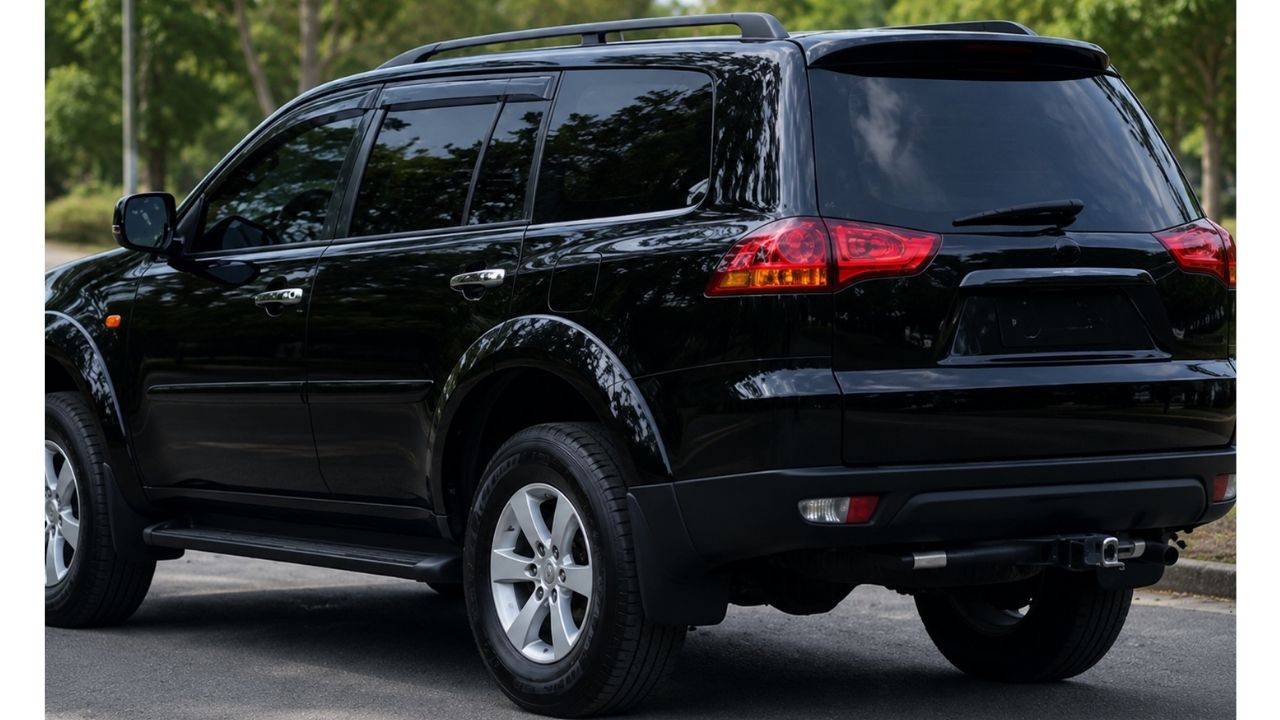
The interior of the Pajero shown in the video reinforces its family vocation. The second row offers adequate space for adults, upholstered seats, and armrests, while the third row allows for transporting more passengers when necessary. The air conditioning system also has vents directed to the rear part.
The evaluation, however, indicates limitations for larger occupants in the last row. Adult passengers may face limited leg and headroom, especially on longer journeys. Thus, the seven seats function as a useful resource but do not necessarily offer the same comfort for all occupants.
For large families, the Pajero can be attractive for its versatility, but the third row needs to be tested personally. Those intending to transport adults frequently should check space, access to the rear seats, and luggage capacity when all seats are in use.
The choice also depends on the vehicle’s purpose. For those who need to transport cargo frequently, a pickup might be more suitable; for those seeking a closed cabin, protected passengers, and the possibility of use on difficult terrains, the SUV presents its own advantages.
Unit with more than 300,000 km shows why purchase requires caution
A Pajero Dakar diesel from 2012 shown in the video has features that continue to attract buyers: large size, seven seats, diesel engine, automatic transmission, and traction prepared for off-road situations. The dashboard with 314 thousand km reinforces the perception that the model can cover long distances without completely losing its visual presence.
But the same record also serves as a warning. A vehicle designed to face mud, bad roads, and trails may carry signs of intense use that do not always appear in ad photos or during a quick spin around the block.
Buying a used Pajero requires looking beyond its reputation for toughness. Chassis, leaks, diesel engine history, traction engagements, transmission, carpets, suspension, and any adaptations need to be considered before making any decision.
Would you buy a Pajero diesel with over 300 thousand kilometers if it showed good conservation and proven maintenance, or would the high mileage be reason enough to give up? Leave your opinion in the comments and tell us what you would check first in a used 4×4 SUV.