Portuguese
  Spanish


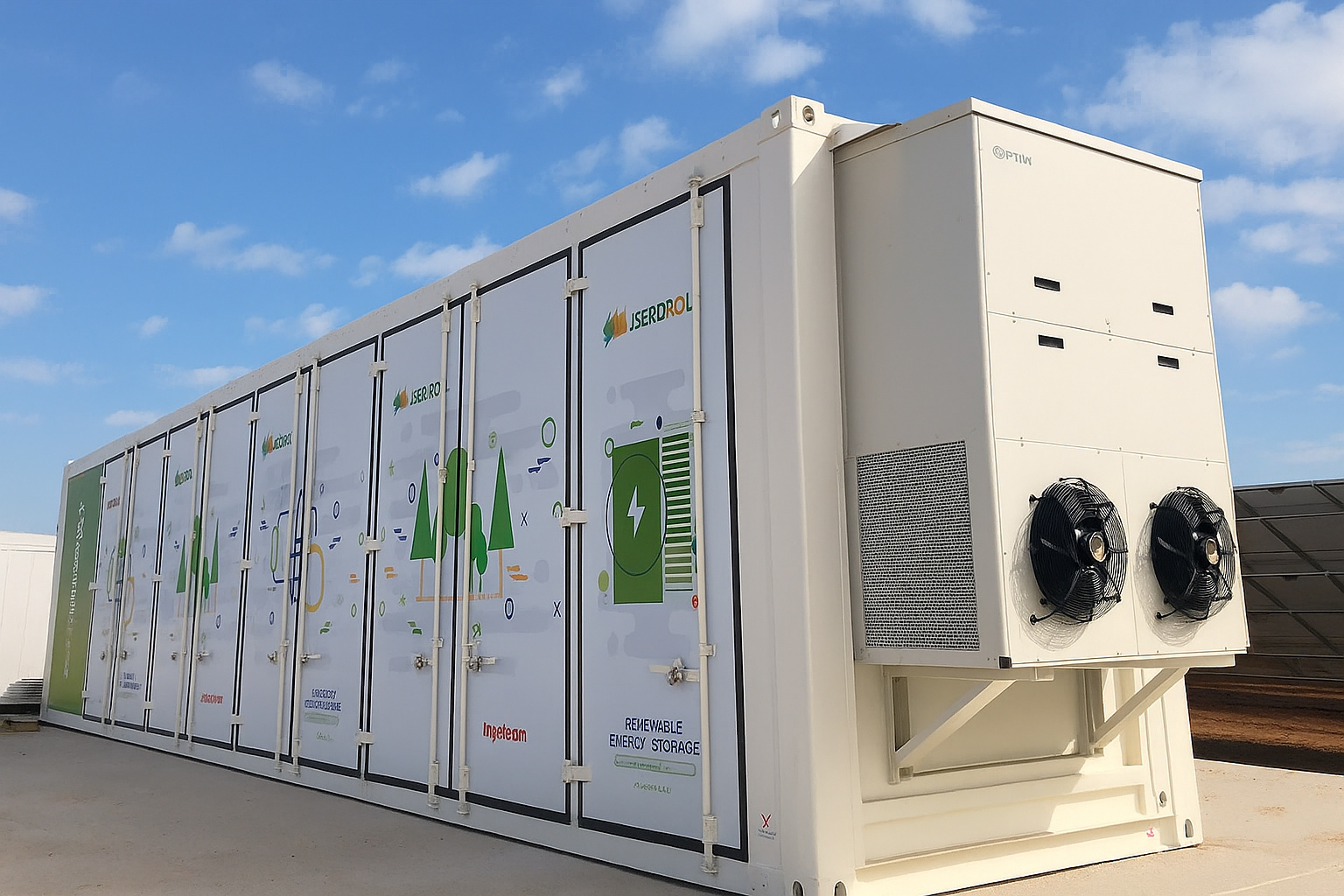

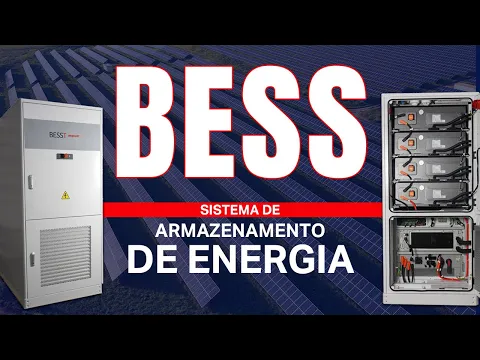
Storage Market Triples and is Expected to Generate R$ 2.2 Billion by 2025, Driven by Cost Reductions and Expansion of Battery Systems in Brazil.
The storage market is tripling in Brazil and, therefore, consolidating itself as a strategic sector for the development of electric infrastructure.
Recent projections indicate that by 2025, the Brazilian energy storage market with batteries is expected to generate around R$ 2.2 billion, which is more than triple the R$ 700 million recorded in 2024.
This growth reflects not only technological advancements but also significant changes in the energy matrix and, consequently, in consumer behavior, who are increasingly seeking autonomy and efficiency in electricity use.
-
Giant Batteries Take Center Stage in Chile Auction as Company Offers 960 GWh of Solar Energy for Nighttime Use, Aiming to Stabilize Solar Power Supply

-
After a Year of Success in Switzerland, Solar Railway Attracts Italy’s Interest for Clean Energy Transformation
-
Robots Clean Solar Panels in Desert Power Plants Without Water, Preventing Energy Losses
-
Brazil’s Offshore Wind Energy Potential Worth $1 Trillion Stalled by Long-Delayed Agreement



Historically, Brazil has always concentrated its energy matrix on hydraulic sources. Since the construction of large hydro plants in the 20th century, the country has relied on hydroelectric power as a pillar for industrial and urban development.
However, water crises and the growing demand for electricity demonstrate that relying solely on a primary source poses risks.
Therefore, energy storage emerges as a complementary solution, allowing for greater flexibility and security in energy supply. In addition, this technology contributes to the modernization of the electric sector as a whole.
Moreover, the technological advancement of batteries significantly contributes to market expansion. New materials, more sophisticated energy management systems, and higher storage efficiency make batteries more durable and reliable.
As a result, companies from various sectors can adopt customized solutions, integrating storage systems with renewable energy projects and energy efficiency initiatives.
Growth Driven by Cost Reductions and Technological Expansion
Additionally, the consultancy CELA (Clean Energy Latin America), specializing in financial and strategic advisory for the energy transition sector, estimates that storage systems could sell between 1.3 GWh and 2.5 GWh in 2025.
This includes contracts in public auctions, such as SISOL in the Amazon, and private applications in trading companies, services, and residences with backup systems.
Thus, this significant increase reinforces the idea that the storage market is tripling, becoming increasingly relevant for the Brazilian energy sector.
One of the main factors driving this growth is the significant drop in equipment prices. In 2024, battery system prices fell by about 40%, and consequently, projections indicate a further reduction of over 15% by the end of 2025.
In this way, this decrease in costs makes investing in energy storage more accessible and attractive, paving the way for accelerated expansion of the sector.
In addition, storage technology offers important operational advantages. For example, batteries allow companies to shift energy consumption from peak hours to lower tariff periods, contributing to cost reduction and increased energy efficiency.
Therefore, for commercial and industrial companies, this practice can generate significant savings, as well as greater control over consumption and energy planning.
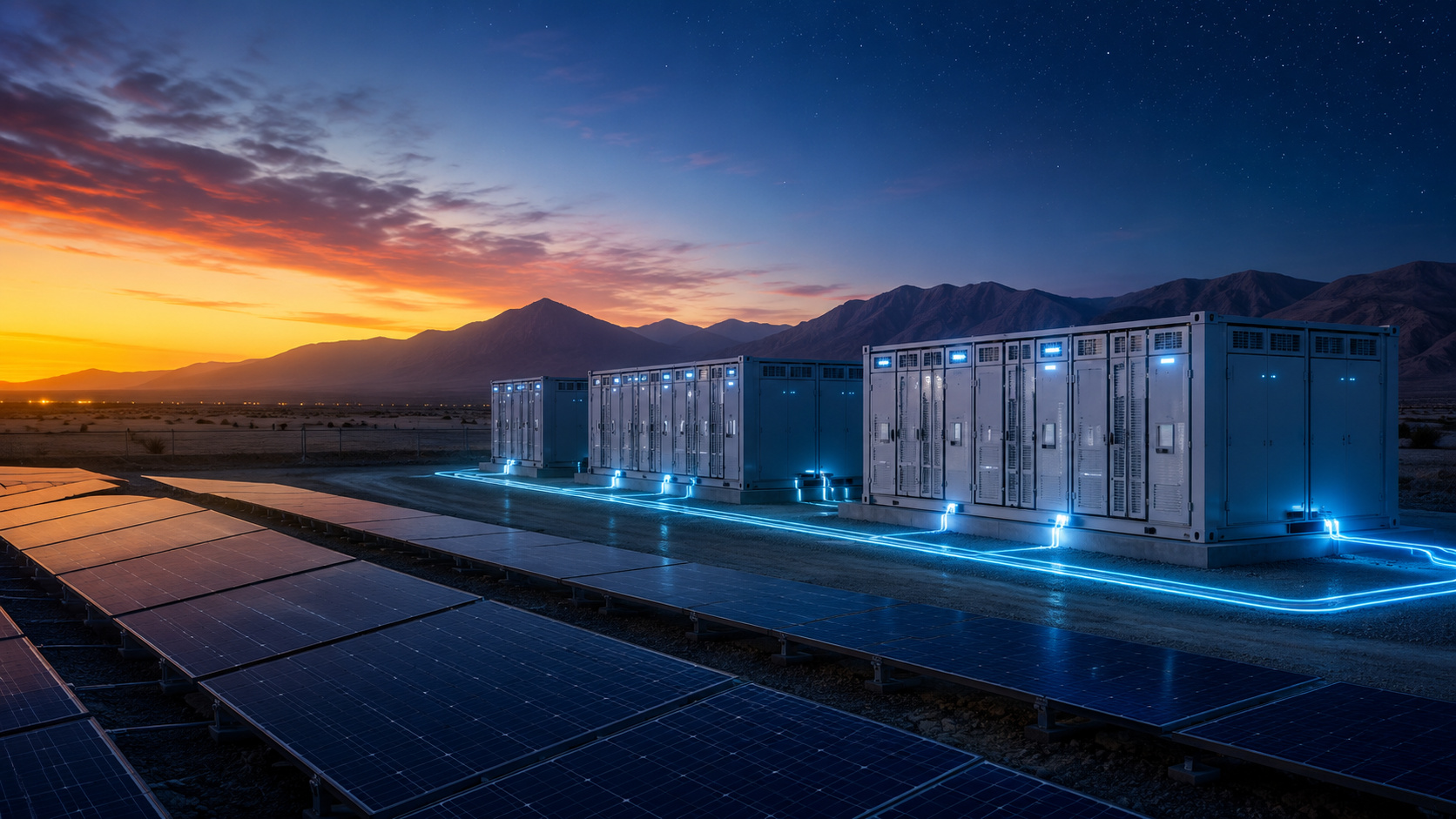
Furthermore, storage facilitates the integration of renewable sources into the electrical grid. Solar and wind energy have variable generation throughout the day, but when combined with storage systems, they become more predictable and stable.
This, therefore, increases the reliability of the electrical system and enables companies to reduce their dependence on energy supplied by traditional utilities.
Business Models and Energy Autonomy
The storage market is tripling also due to new business models that facilitate access to technology.
Currently, there are two predominant forms of investment. First, the direct investment by the consumer, who assumes the risks, owns the asset, and fully enjoys the benefits.
Secondly, the “as a service” model, in which the consumer shares the savings and energy security benefits while the service provider retains ownership of the system and performs maintenance.
Thus, these models expand the reach of energy storage, allowing companies of different sizes to adopt the technology in a viable manner.
Moreover, another strategic aspect of batteries is their ability to ensure autonomy in case of power failures. The systems offer backup of up to three hours, with almost instantaneous activation, in about 0.3 seconds.
Therefore, this feature becomes particularly important for sectors that rely on continuous energy, such as hospitals, manufacturing industries, and technology services, where interruptions cause significant losses.
The market growth also depends on public policies and specific regulations. Proper incentives and clear targets can accelerate the adoption of storage, making Brazil more competitive in the global clean energy landscape.
Furthermore, it is estimated that, under ideal conditions, the installed capacity of storage systems could exceed 18.2 GW, including “behind the meter” systems installed by industries, commercial enterprises, rural properties, and residences.
In this way, this potential shows that the storage market is tripling not only in terms of financial turnover but also in strategic and technological impact.
Historical Evolution and Long-Term Perspective
Historically, the evolution of energy storage in the country has followed the expansion of the electrical matrix and the emergence of complementary technologies.
From small batteries used in isolated areas to complex systems connected to the electrical grid, the sector has established itself as a key component in the transition to renewable sources, such as solar and wind.
In this way, the development of these systems allows energy generated during low demand periods to be stored and used when necessary, balancing supply and consumption.
The long-term perspective is also encouraging. According to analyses by CELA, the Brazilian storage market is expected to grow 12.8% per year until 2040, potentially reaching an increase of up to 7.2 GW of installed capacity during this period.
Under current rules, this advance could generate more than US$ 12.5 billion annually, reflecting the economic importance of the sector.
With adequate policies, the potential is even greater, consolidating the storage market as a strategic and sustainable segment.
In addition to economic and operational benefits, energy storage contributes to the reduction of carbon emissions, aligning the Brazilian energy sector with global decarbonization goals.
Moreover, the integration of batteries with renewable sources, such as solar and wind, allows for greater utilization of clean energy, reducing dependence on thermal power plants and fossil fuels.
Therefore, this aspect reinforces the relevance of market growth for sustainability and for national energy security.
Furthermore, the adoption of storage encourages innovation in automation, artificial intelligence, and consumption monitoring.
Companies using smart batteries can optimize operations, reduce waste, and plan more efficient expansion strategies, thereby creating a virtuous cycle of technology and economy.
The Future of the Storage Market in Brazil
In summary, the growth of the storage market is tripling highlights a profound transformation in the Brazilian electric sector.
Thus, the combination of cost reductions, technological innovation, flexible business models, and favorable regulatory policies creates a promising scenario.
Brazil is moving towards a safer, more efficient, and sustainable energy matrix, with energy storage playing a central role in this process.
Furthermore, the future of the sector shows that batteries will cease to be just auxiliary equipment and become a strategic asset for companies and consumers, providing savings, security, and autonomy.
With the expected advance in the coming years, the storage market tripling is not just a financial projection but a reflection of the structural and technological transformation of energy in the country.