Portuguese
  Spanish


Engie evaluates new solutions for the Assú Sol solar complex in Rio Grande do Norte after generation cuts began to affect the project’s profitability and pressure the entire renewable sector in Brazil.
Engie is considering using batteries or even bitcoin mining to better utilize the energy from its largest solar project in Brazil, the Assú Sol complex in Rio Grande do Norte. The idea arose because the plant has been suffering from generation cuts imposed by the electrical grid, which reduce the energy that could be delivered and affect the return on investment.
According to CNN, the project entered commercial operation this month and is already considered the largest project of the French group in the world. However, the company sees the excess energy available during the day as a problem that is weighing not only on the plant but on the entire solar and wind energy sector in the country.
Engie’s move shows how the expansion of renewables in Brazil has begun to encounter a new challenge: producing more energy than the grid can absorb at certain times. And for a project of this size, each cut imposed by the system turns into money that stops coming in.
-
Air Products Cancels $2.9 Billion Clean Hydrogen Megaproject in Louisiana, Shuts Down Arizona Unit, Highlighting High Costs of U.S. Energy Transition

-
Over 60 Tractors Take to the Streets in Lopera as Solar Parks Compete with Olive Groves, Affecting 13,000 to 100,000 Trees According to Conflicting Reports

-
Green Hydrogen Projects in Northeastern Brazil Stalled for 18 Months Awaiting Government Decree, Delaying Billions in Investments
-
Brazil Concludes Largest Energy Auction in History, Secures 18.97 GW and Mobilizes $12.8 Billion to Ensure Supply Until 2031


R$ 3.3 billion complex became both a showcase and a headache
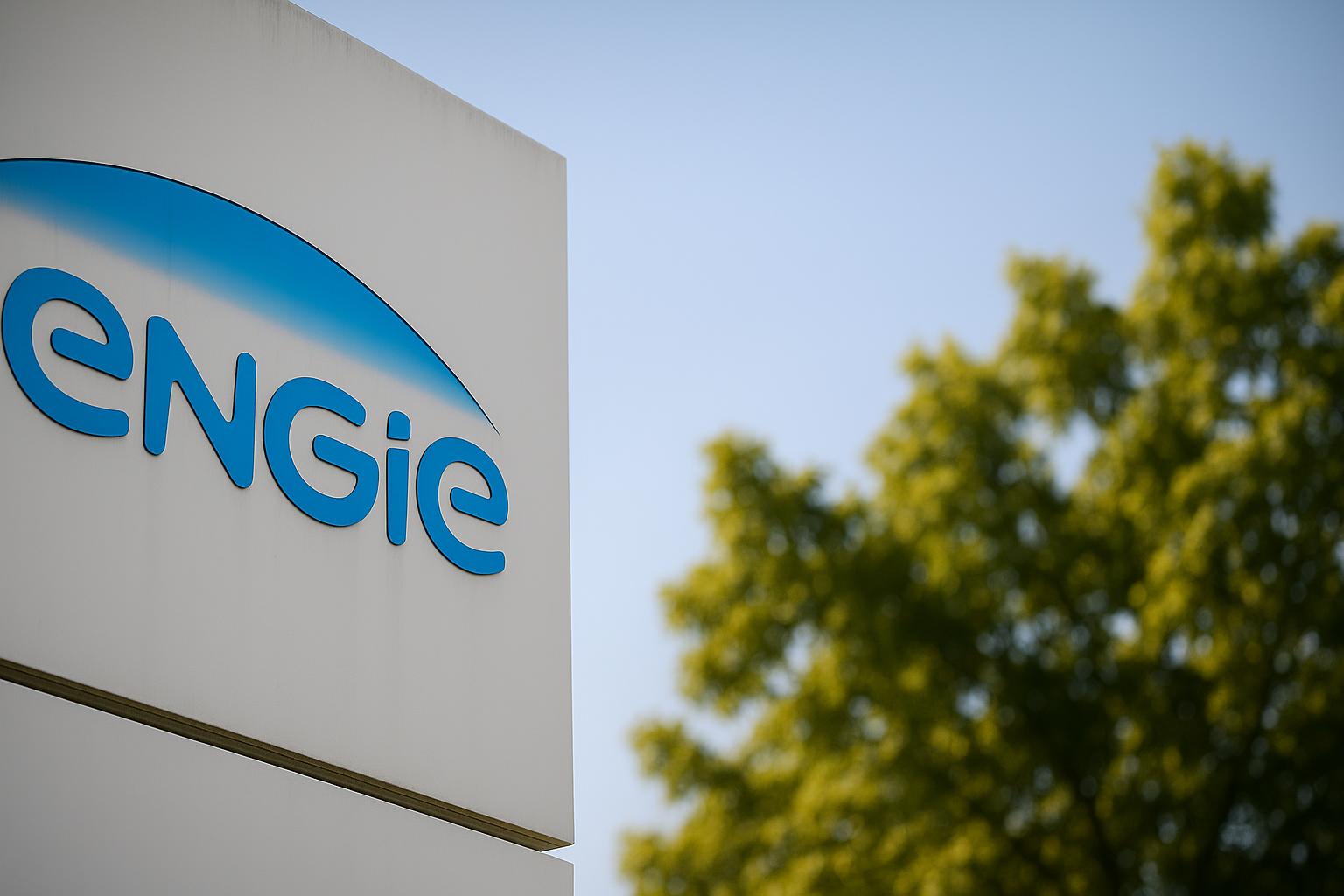
The Assú Sol was inaugurated after two and a half years of construction and received R$ 3.3 billion in investments from Engie Brasil Energia. The complex totals 753 MW of installed capacity and comprises more than 1.5 million photovoltaic modules.
According to the company’s calculations, the production is enough to supply a city of 850,000 consumers. The energy generated is already contracted with companies in the free market, which reinforces the commercial relevance of the plant.
But the size of the project also exposed the company to the problem of so-called curtailments, when the National Electric System Operator determines cuts in generation. Eduardo Sattamini, country manager of Engie in Brazil, said that the restriction is impacting the project’s return.
Generation cuts already cause billion-dollar losses in the sector
The cuts do not only affect Engie. According to the report by cnn, the restrictions have been causing revenue losses reaching billions of reais for solar and wind power plants since 2023.
The problem became more visible after the rapid advancement of renewable generation in the country, especially distributed solar, which grew with economic incentives and helped create a situation of oversupply at certain times of the day.
In practice, part of the energy is produced but cannot be dispatched. For companies that heavily invested in expansion, this means less revenue and more pressure to find solutions to keep the projects viable.
Batteries and bitcoin enter the equation as a solution for idle energy
In this scenario, Engie began evaluating alternatives to create local demand in Assú Sol. Among them are battery storage systems and data centers for bitcoin mining, which could consume the energy currently limited by the grid.
Sattamini stated that the company is analyzing potential buyers for this energy and agreements to enable mining. But he made it clear that this is not an immediate solution.
According to him, the plan may take years to materialize. The company also did not detail timelines or values for these alternatives.
Engie halts new projects until the market finds balance
Even with the significance of having established the company’s largest solar plant in the world, the Brazilian subsidiary does not see room to accelerate new investments in the short term. Sattamini said he does not foresee the company investing in new solar capacity until the market corrects the imbalances between supply and demand.
The message shows that the issue of cuts has become more than an operational noise: it already interferes with the appetite for new projects and how large companies plan their next steps in Brazil.
Meanwhile, Engie’s largest solar complex remains a symbol of two realities at the same time: the advancement of solar energy in the country and the risk of seeing part of this generation wasted before even reaching the consumer. If you wish, share this article and tell us what you think of this solution for the energy that currently goes unused.