Portuguese
  Spanish


Brazil has one of the best offshore winds in the world and the promise of attracting around R$ 1 trillion in investments in the coming decades, but offshore wind energy remains stalled at the dock waiting for a signature that the government has delayed since last year.
The figures are impressive. The sector estimates that the exploration of offshore wind farms could generate R$ 1 trillion over the next few years, transforming the Brazilian coast into one of the new global frontiers of clean energy. The problem is that between the promise and the first wind turbine planted in the ocean, there is a regulatory gap that no one has managed to fill so far.
I confess that I have been following this issue for some time with a sense of déjà vu. Every six months the market repeats that Brazil is about to unlock offshore wind energy, and every six months the auction that would officially kick off gets postponed further.
What exactly is stalled
The legal framework for offshore energy generation was approved in 2025, and this should have been the green light. But a law alone doesn’t make any turbine spin. What is missing now, according to the sector itself, is to move from the legal field to the operational one: the detailed rules on how maritime areas will be granted and, mainly, the auction for granting these areas.
-
World’s Largest Engie Solar Plant in Brazil Highlights Billion-Dollar Energy Waste Issue: Company Considers Batteries and Bitcoin Mining to Avoid Wasting Production

-
Air Products Cancels $2.9 Billion Clean Hydrogen Megaproject in Louisiana, Shuts Down Arizona Unit, Highlighting High Costs of U.S. Energy Transition
-
Over 60 Tractors Take to the Streets in Lopera as Solar Parks Compete with Olive Groves, Affecting 13,000 to 100,000 Trees According to Conflicting Reports

-
Green Hydrogen Projects in Northeastern Brazil Stalled for 18 Months Awaiting Government Decree, Delaying Billions in Investments


Without this auction, no company can guarantee where it will install its parks, and without this guarantee, no one releases billions in capital. “The market is eager for the publication of the auction for granting areas,” summarizes Marco Wobeto, executive of the turbine manufacturer Mingyang in Brazil and the Americas, one of the names that have most urged authorities to hurry.
The first step has been taken, but it’s timid
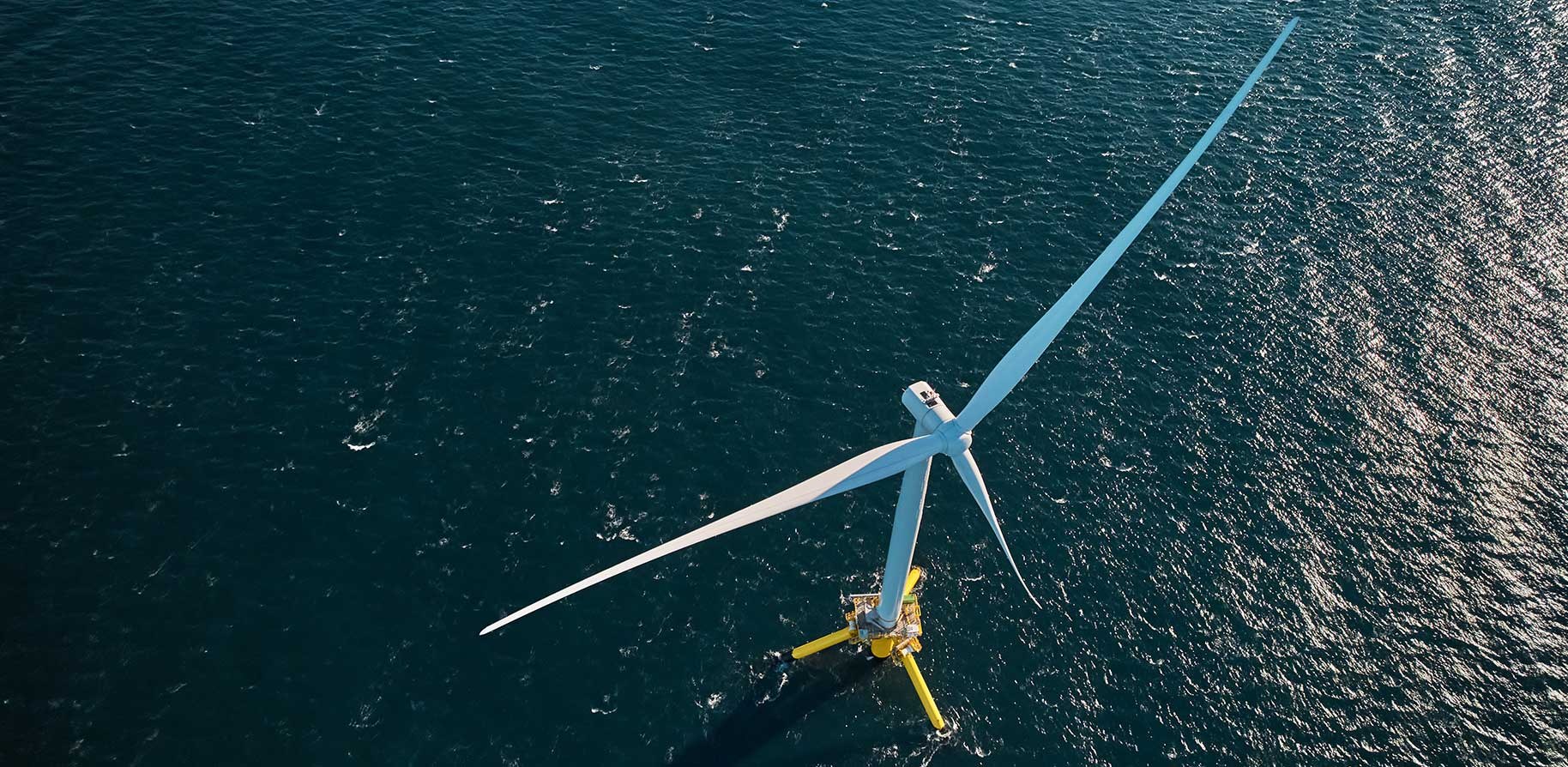
It’s not that nothing has progressed. In June, Ibama granted the first preliminary license for an offshore wind project in Brazil, in the municipality of Areia Branca, in Rio Grande do Norte. The project plans to install only two wind turbines, with a combined capacity of 24.5 megawatts, a modest number compared to the promised trillion, but symbolic for being the first environmental stamp of its kind in the country.
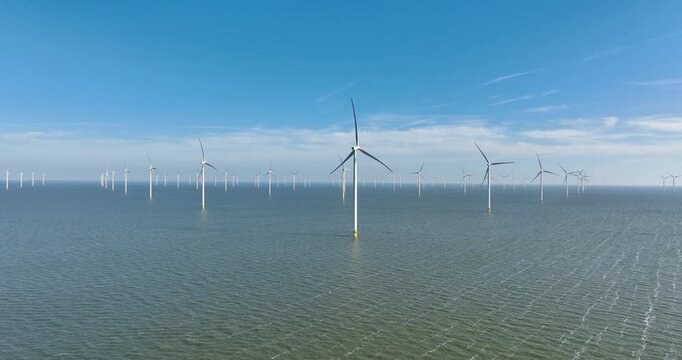
It’s the kind of progress that shows the machinery exists, it’s just turning slowly. While Europe already has parks with hundreds of turbines anchored on the seabed, Brazil is still discussing how to get off the ground, and it does so sitting on a marine wind potential that studies point to as among the largest on the planet.
Why the delay is costly
Each year of delay has a price. The regulation, according to the sector, could unlock billions in immediate investments and put the country on the radar of major global turbine manufacturers, who today decide where to set up factories and supply chains. If Brazil delays, this capital simply goes elsewhere in the world with clearer rules.
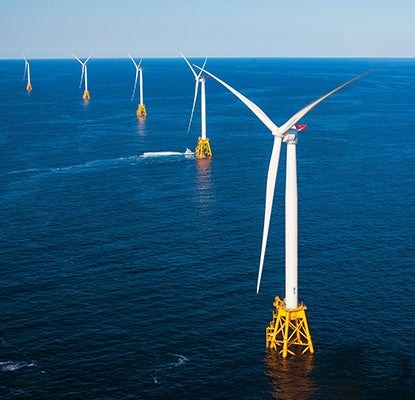
The assembly of these parks, by the way, is a project in itself. It depends on special installation ships, gigantic vessels capable of erecting towers dozens of meters high in the middle of the ocean, and ports prepared to receive pieces the size of a building. It’s an entire industrial chain that only arises when there is predictability, and it is precisely predictability that has not yet arrived.
An auction that might be postponed to 2027
The most realistic expectation today is that the first auction of areas will be postponed to 2027, which in practice pushes the first commercial parks to the end of the decade. For a sector that has become accustomed to promises, it’s just another date on the horizon.
I keep thinking about the contrast. On one side, one of the largest marine wind potentials in the world and a line of investors knocking at the door. On the other, a signature that doesn’t come. Brazil has the wind, the sea, and the interest of capital. It just needs to unlock the paperwork, and the R$ 1 trillion clock keeps ticking.
Do you think Brazil will finally unlock offshore wind energy or will it miss this wave of investments?