






 Portuguese
  Spanish


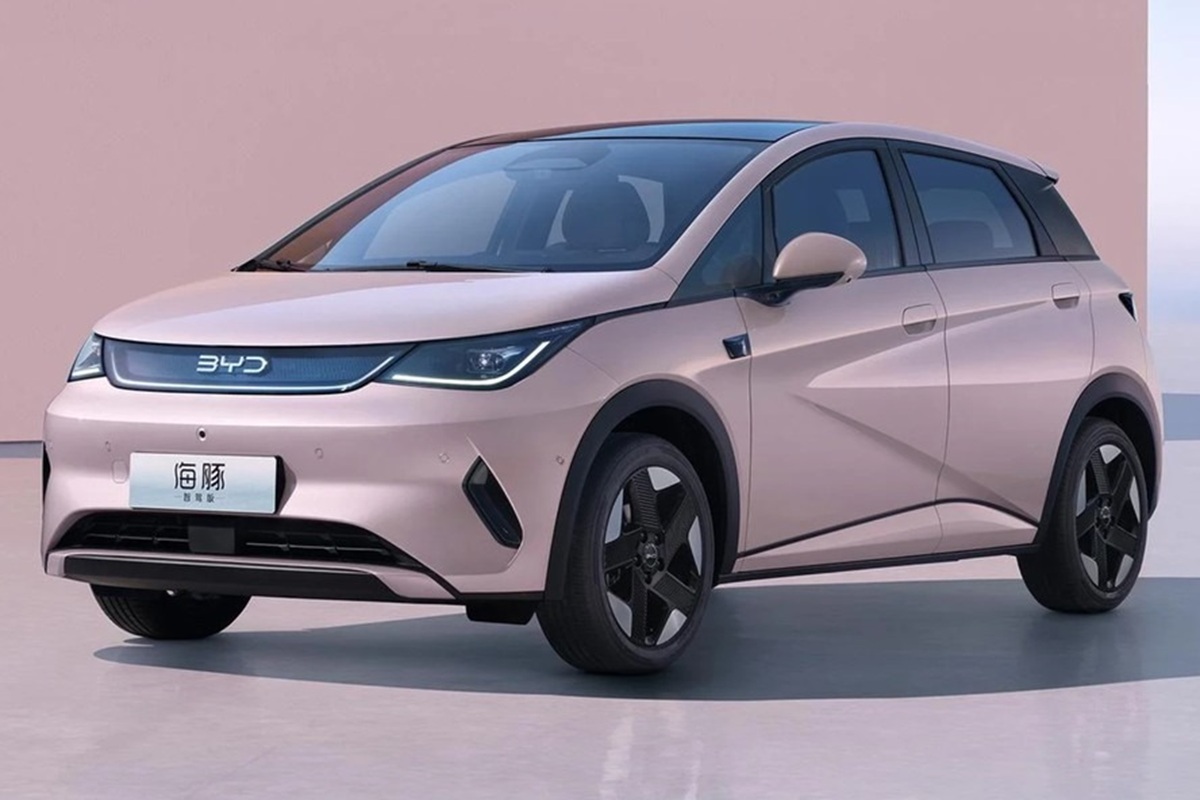


With Minor Adjustments to the Intermediate Versions, the Chinese Electric Hatch Expands Battery Capacity and Promises More Efficiency, Maintaining Options of 45.1 kWh and 60.4 kWh, as Well as Motors of Up to 204 hp
The Redesigned BYD Dolphin Arrives on the Market with One of Its Main Evolution in Its Electric Set: Range. The Brand Confirmed New Blade Batteries, Which Now Offer Up to 520 Kilometers of Range in the Chinese CLTC Cycle.
The Model, Which Will Be Produced at the Camaçari (BA) Complex in SKD Mode, Will Debut in Brazil in the Last Quarter of 2026.
Increased Capacity in Entry-Level Versions
The Most Noticeable Change is in the Entry and Intermediate Versions, Which Increase from 44.9 kWh to 45.1 kWh.
-
Electric and Hybrid Cars Set to Transform Brazilian Streets: A New Era Begins

-
Chinese Giant Invests $1.3 Billion in Brazil to Produce 50,000 Cars Annually, Create Jobs, Develop Local Suppliers, and Manufacture Electric, Hybrid, and Combustion Models by 2027

-
Unprecedented achievement in India: a colossal 650-ton, nearly 3,000 hp excavator is transformed into 100% electric, marking a new phase in heavy mining.
-
Frightened by the speed of Chinese manufacturers, Renault decided to mimic the pace, made the new electric Twingo in just 21 months, wants to repeat the feat with 36 models by 2030, and along the way, will cut up to 2,400 engineering positions.


Although the Increase Seems Small, BYD Highlights the Enhanced Efficiency of the New Generation of the Blade Battery. Meanwhile, the More Expensive Option Maintains a Capacity of 60.4 kWh, Intended for Higher Performance Configurations.
These Updates Result in Three Levels of Range: 410 km, 420 km, and 520 km, According to the Chinese CLTC Cycle Standard.
The Company Has Not Yet Released the Adjusted Figures for the Brazilian Standard, but the Efficiency Gain Reinforces the Brand’s Commitment to Expand Range Without Compromising Performance.
Powertrains Maintain Good Performance
The New Dolphin Will Continue to Offer the Known Options of Electric Powertrains. The Catalog Includes Versions with Motors of 95 hp and 204 hp, as Well as an Intermediate Configuration That Shares the Set from the BYD Yuan Pro, with 177 hp and 29.5 kgfm of Torque.
The Focus, According to the Brand, is to Provide a Balance Between Range and Power, Maintaining the Light Handling That Established the Model.
Even with the Same Power Outputs, the Combination with the Updated Battery Promises Better Energy Delivery and Lower Consumption in Urban Use. The Optimized Electric System Also Helps the Durability of the Blade Cells, Recognized for Their Resistance and Safety.
Blade Battery: The Technology That Sets BYD Apart
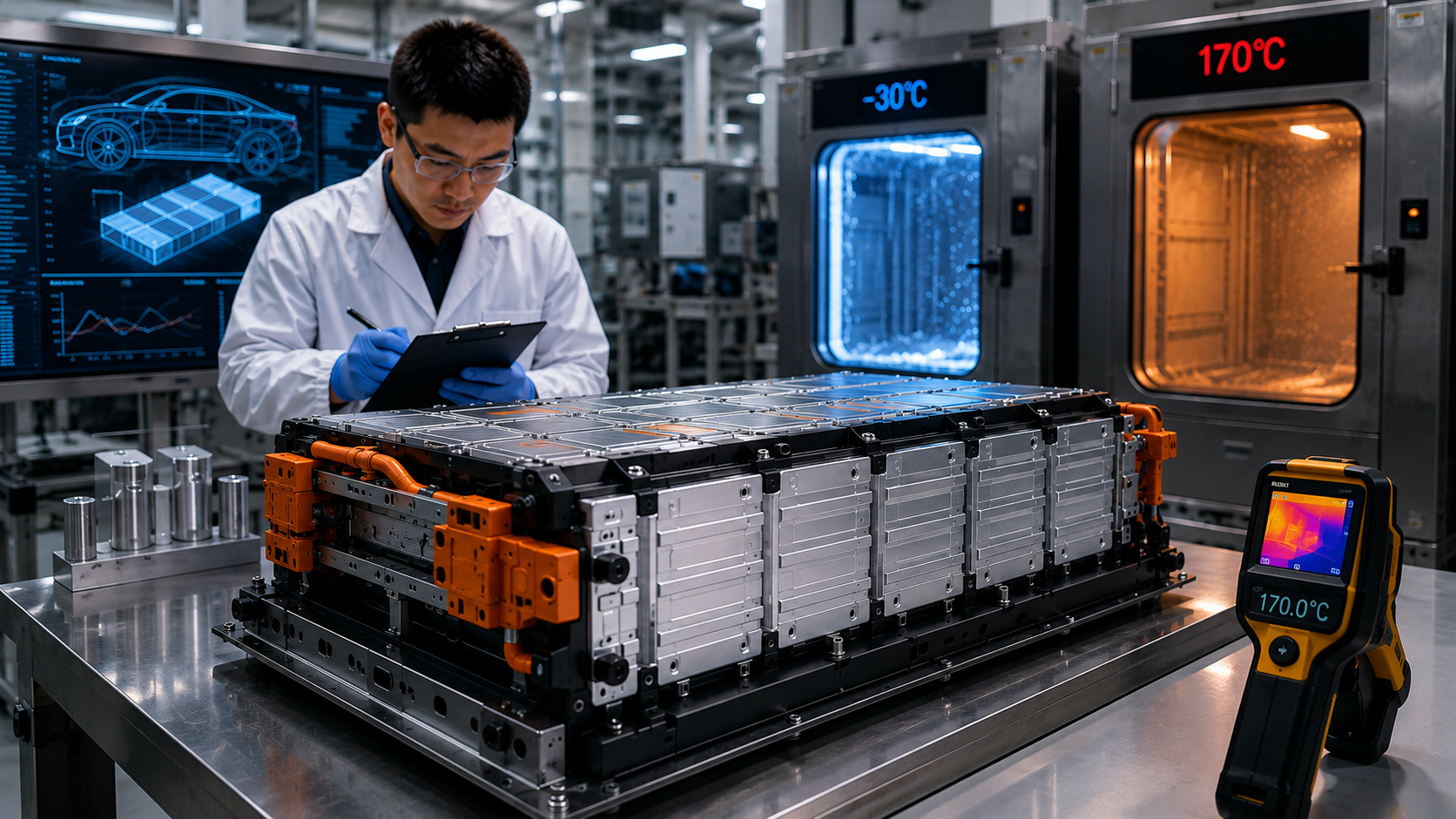
The Blade is One of BYD’s Major Bets for Its Electric Models. Entirely Produced by the Company Itself, the Cell Has an Elongated Shape and Structure That Reduces the Risk of Overheating, Allowing for Superior Energy Density and More Stable Recharging.
This Technology is Considered One of the Key Competitive Differentiators for the Brand in the Global Electric Vehicle Market.
In Addition to Energy Performance, the Blade System Offers Greater Thermal Protection and Contributes to Internal Space Utilization, as It Eliminates the Need for Conventional Modules Between Cells.
Preparation for the New Generation
While the Redesigned Hatch Arrives in 2026, BYD is Already Testing the Second Generation of the Dolphin, Expected for 2027, When an Unprecedented Flexible Hybrid Version is Expected to Arise.
The Strategy Shows That the Brand Aims to Establish the Dolphin as One of the Main Entry-Level Electric Vehicles in the Country, Offering Outstanding Range, National Assembly, and Cutting-Edge Technology.




****!!! Último trimestre de 2026? Tá muito longe ainda .