Portuguese
  Spanish


According to EPTV, longan is cultivated in Santa Rita do Passa Quatro, in the interior of São Paulo, where the Asian fruit, little known in Brazil, shares space with other crops. A relative of lychee, it attracts attention for its delicate flavor, curious appearance, and potential for a differentiated agricultural niche in the São Paulo region.
The Asian fruit longan, a close relative of lychee, is beginning to gain space on a rural property in Santa Rita do Passa Quatro, in the interior of São Paulo. According to an EPTV report published on June 20, 2026, the cultivation draws attention for its appearance, sweet flavor, and exclusivity in the São Paulo countryside.
Still little known in Brazil, longan appears as a differentiated agricultural alternative for producers seeking crops outside the more common circuit of already established fruits. On the property mentioned in the report, the cultivation is conducted by Marco Barbuio and shares space with other rural productions.
Longan is still little known in the Brazilian market
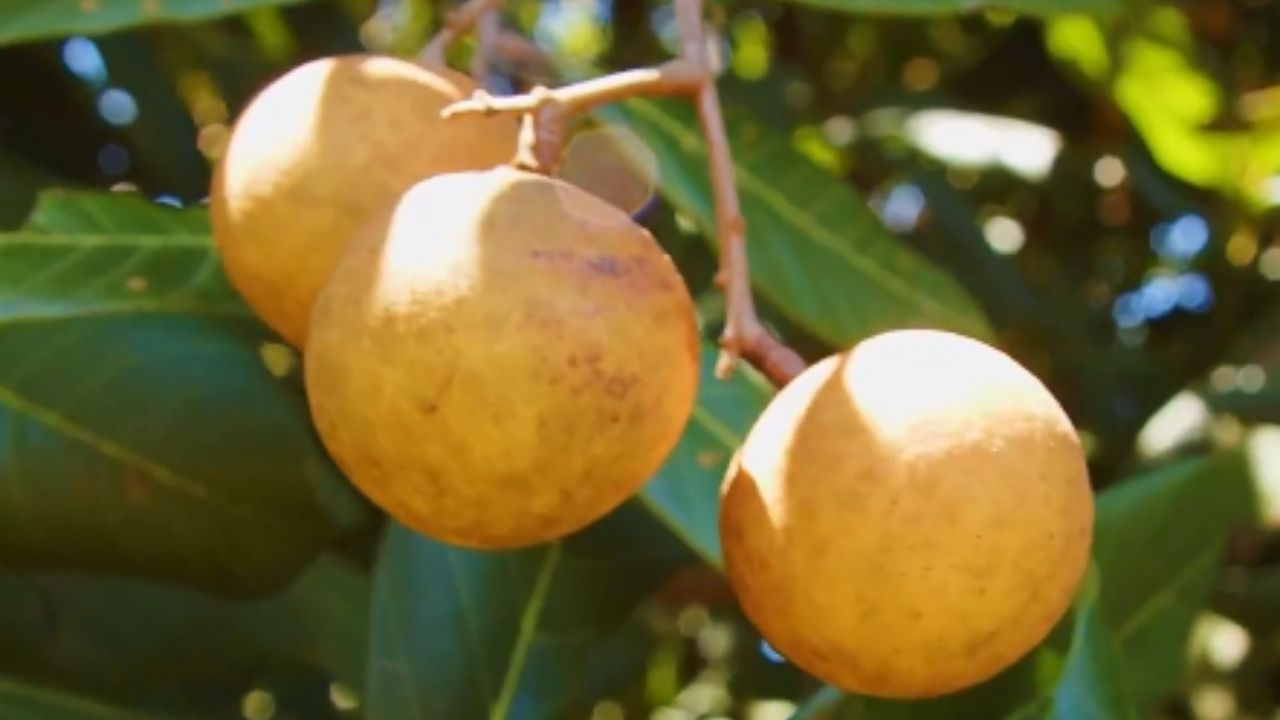
Longan is a fruit originating from Asia and has a strong cultural presence in countries like China, Thailand, and Vietnam. The EPTV report highlights that, in these places, it has been part of the diet for centuries and carries stories and traditions linked to consumption in the East.
-
Brazilian Company Known for Brooms Grew for 95 Years to Become One of Latin America’s Largest Brush Manufacturers, with Over 300,000 Sales Points and Revenue of $150 Million

-
World’s Largest Piano Manufacturer Produces Over 100,000 Units Annually in China, Each with 12,000 Parts

-
Meet the HMS Eagle: A Colossal 34,000-Ton Aircraft Carrier of the British Royal Navy with a 247m Length, Capacity for 55 Aircraft, and 2,750 Personnel
-
“Ghost Bird” Thought Extinct for 86 Years Reappears, Disappears Again, but New Recording Sparks Global Effort to Save One of the World’s Most Sought-After Species


In Brazil, however, the Asian fruit still remains distant from the knowledge of most consumers. This creates a curious scenario for agriculture: while there is low familiarity, there is space to introduce to the market a new option, visually appealing and linked to different consumption experiences.
The main strength of longan lies precisely in the combination of rarity and identification with lychee. Since the two fruits are close relatives, lychee helps the public understand the category, while longan maintains the appeal of novelty.
This relationship facilitates the entry of the topic in fairs, gastronomy content, specialized markets, and discussions on agricultural diversification. The source, however, does not provide information on production volume, planted area, sale price, or commercial channels already used by the farm.
Appearance and flavor help explain the interest
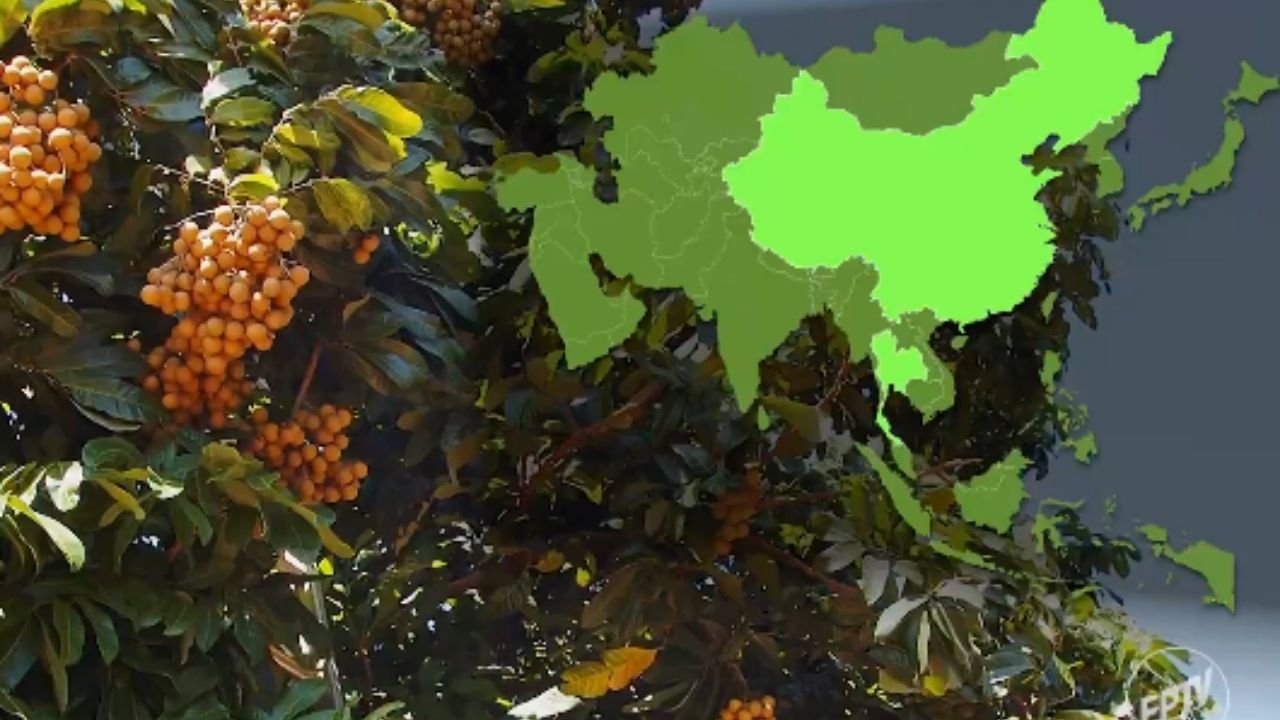
The longan attracts attention with its curious appearance. Although the source does not describe technical details of shape, skin, or pulp, the report highlights that appearance is one of the factors that make the fruit different for those who are not yet familiar with the species.
Another point mentioned is the delicate and sweet flavor. This profile brings the Asian fruit closer to an audience interested in fresh novelties, exotic fruits, and products that can be consumed both out of curiosity and gastronomic interest.
In the fruit market, appearance and flavor are important assets. Unknown products need to first convince through their visual appeal, then through the consumption experience, and finally through the regularity of supply.
In this context, the longan can function as a niche fruit. It does not initially compete with high-scale products but can attract consumers looking for novelties, chefs, specialized fairs, and producers interested in diversifying their property.
Cultivation in São Paulo shows rural diversification
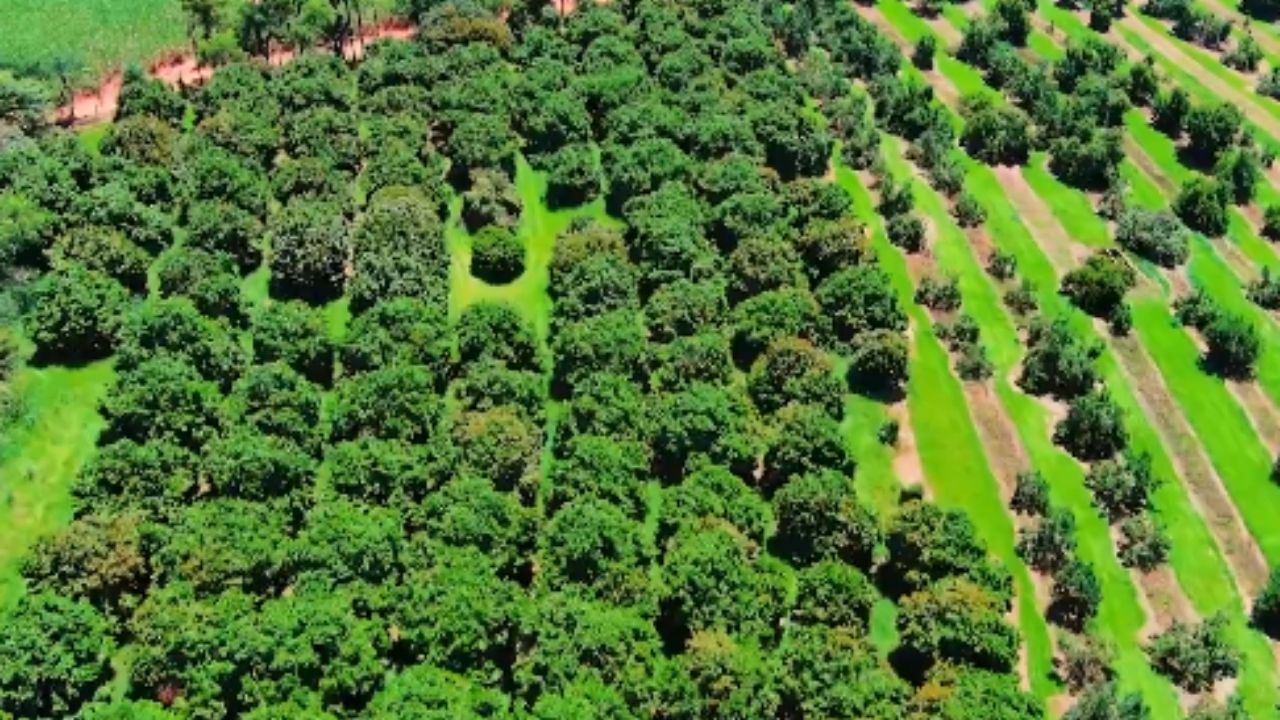
The presence of longan in Santa Rita do Passa Quatro reinforces the diversity of São Paulo’s agriculture. The region appears in the report as a setting for a production that deviates from the more traditional repertoire of fruits known to the general public.
The cultivation on a rural property in the interior of São Paulo shows how agriculture also moves through experimentation. Instead of relying solely on widely established crops, some producers look at less common species to find differentiation.
This type of agricultural bet does not need to be treated as an isolated curiosity. It can indicate a search for niches, value addition, and identity building for properties that want to stand out in specific markets.
The report states that the longan shares space with other agricultural productions. This detail is relevant because it suggests that the cultivation does not appear as a total replacement of rural activity, but as an alternative within a diversified property.
Asian fruit connects to the interest in consumption novelties
The Brazilian food market has room for products that combine origin, history, and sensory experience. The longan brings together these three elements: it comes from Asia, is linked to ancient food traditions, and has a sweet taste.
For the consumer, discovering a little-known Asian fruit can generate immediate curiosity. For the producer, the challenge is to turn this curiosity into real demand, with quality, supply, and clear communication about how to consume the fruit.
The comparison with lychee is useful, but should not overshadow the identity of the longan. Lychee serves as a reference for understanding, but the longan needs to be presented as its own product, with specific characteristics and uses.
The source does not indicate whether the production already serves restaurants, markets, or direct sales. Therefore, the safest point is to state that the fruit attracts attention and represents an opportunity for diversification, without claiming a commercial scale that is not yet documented.
Management requires care from production to harvest
The EPTV report states that production requires special care from cultivation to harvest. This information is important because less common fruits in the Brazilian market may demand attentive management, climate observation, harvest timing, and adaptation to the local environment.
In the case of the longan, the source does not detail irrigation techniques, pruning, fertilization, productivity, or harvest calendar. Nevertheless, it makes clear that cultivation does not depend solely on planting a different species, but on conducting the process with technical attention.
To become a rural opportunity, the fruit needs to combine agronomic adaptation and consumer acceptance. An exotic crop only gains strength when it can consistently deliver quality and find an audience willing to buy.
This is the point that differentiates novelty from business. The longan may attract attention for its appearance and taste, but its viability in the field depends on production, logistics, conservation, promotion, and market.
Oriental tradition helps build symbolic value
In Asian countries, the longan has been part of the food culture for centuries, according to the report. This tradition can help build symbolic value for the fruit in Brazil, especially among consumers interested in foods with history and defined origin.
The presence in countries such as China, Thailand, and Vietnam also expands the repertoire of use. Although the source does not detail recipes or preparation methods, the association with oriental cuisine creates a cultural layer that can be explored in an informative way.
In agriculture, product origin and narrative help differentiate niche cultures. This does not mean turning the topic into exaggerated exoticism, but explaining why the fruit has relevance outside Brazil and why it is starting to gain interest here.
The longan, therefore, is not just “a fruit similar to lychee.” It belongs to a broader food tradition and can enter the Brazilian market as a discovery product, especially in regions where there is openness to differentiated fruits.
Opportunity lies in exclusivity and information
Exclusivity is one of the points highlighted by EPTV. Since the longan is still little known, the very presentation of the fruit becomes part of the commercial process. The consumer needs to know what it is, where it comes from, what the taste is like, and why it’s worth trying.
This type of culture requires information along with the offer. Without it, the fruit may be seen only as a curiosity. With proper explanation, it can gain value as a differentiated option in the special fruit sector.
The opportunity for the producer is to turn ignorance into interest. For this, the Asian fruit needs to be communicated simply, showing its relation to lychee, sweet taste, and Asian origin.
The report does not indicate whether there is planned expansion, volume of seedlings, or production growth expectations. Therefore, the most accurate reading is that the longan is beginning to gain space as a differentiated rural bet, still in a phase of greater public visibility.
Diversification can strengthen small and medium properties
Uncommon crops can be an alternative for properties seeking market differentiation. Instead of competing solely on volume in widely known products, the producer can bet on special fruits with a novelty appeal.
This does not eliminate risks. Niche fruits depend on consumer acceptance, production regularity, and distribution capacity. Even so, they can open doors in local markets, fairs, direct sales, and establishments that value exclusive products.
In the case of the longan, the differential lies in combining agriculture, food culture, and consumption experience. The Asian fruit has a history outside Brazil, a look that arouses curiosity, and a taste that can facilitate acceptance.
For Santa Rita do Passa Quatro, production also helps showcase the rural diversity of the São Paulo interior. Local agriculture does not appear only as a repetition of traditional crops but as a space for new productive possibilities.
Longan shows how agriculture also bets on niches
The introduction of longan on a São Paulo farm reinforces an important trend: agriculture is not limited to large commodities. There is also room for special crops, rare fruits, regional production, and smaller-scale markets with greater differentiation.
This movement depends on research, market observation, and the ability to present the product to the consumer. In the case of longan, the initial advantage is the visual impact and the similarity to a more well-known fruit, the lychee.
The Asian fruit can find a place precisely because it is not yet widespread. Its value lies in novelty, exclusivity, and the potential to create a different experience for those seeking new flavors.
Have you already known about longan or have you only heard of lychee? Leave your opinion in the comments and tell us if an uncommon Asian fruit would have space in the Brazilian market or if it still depends on more promotion to reach the consumer.