Portuguese
  Spanish


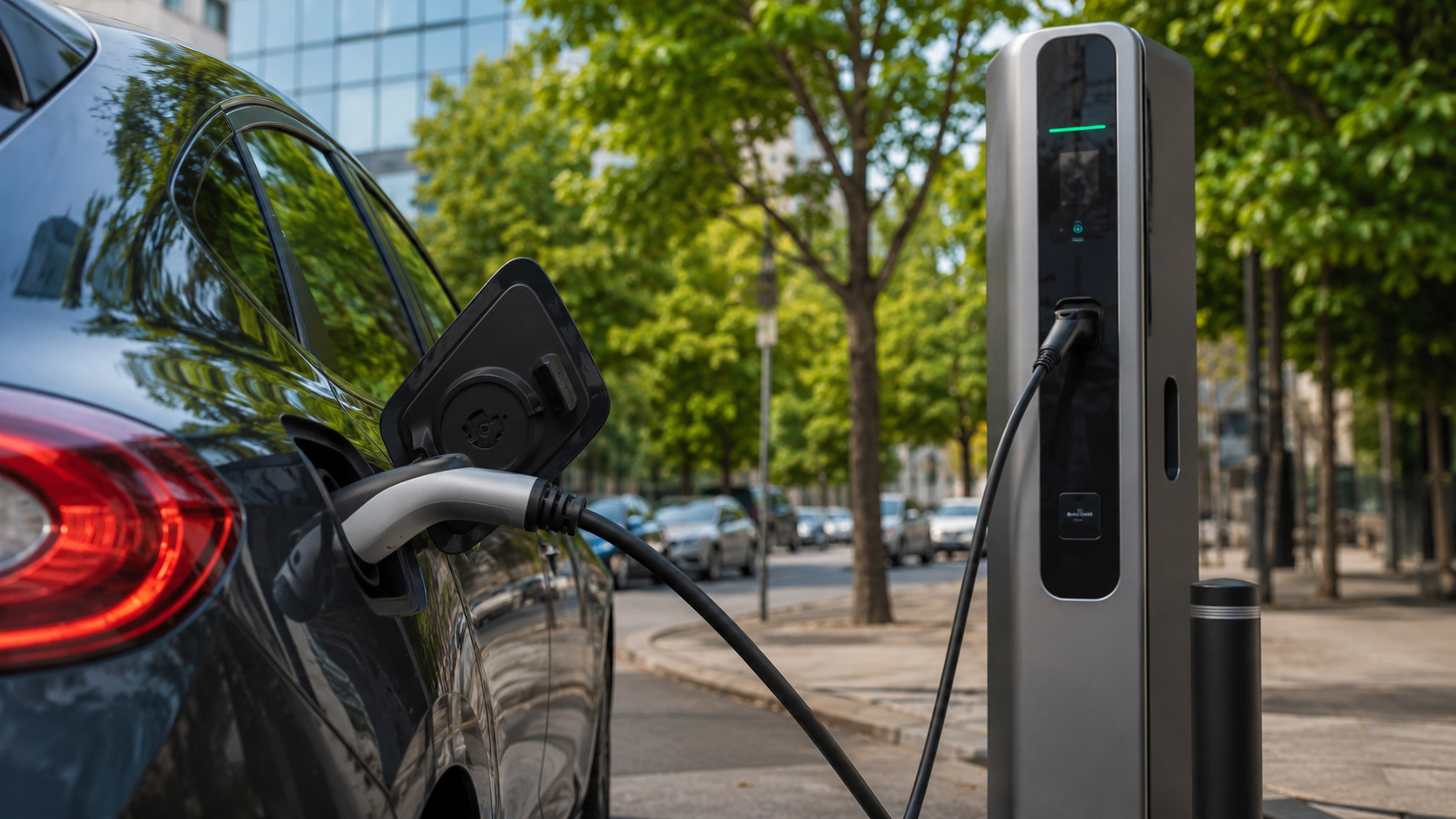

Brazil accelerates the energy transition of vehicles with electrification, ethanol, and global platforms adapted to the national market
The Brazilian automotive industry is undergoing a new phase of transformation. Currently, manufacturers are seeking to balance electric cars, hybrid technologies, and biofuels to define the future of mobility in the country.
Moreover, the Brazilian strategy follows a different path from markets like Europe and China. While these countries have advanced more rapidly in total electrification, Brazil is betting on a gradual transition.
-
Chinese Giant Invests $1.3 Billion in Brazil to Produce 50,000 Cars Annually, Create Jobs, Develop Local Suppliers, and Manufacture Electric, Hybrid, and Combustion Models by 2027

-
Unprecedented achievement in India: a colossal 650-ton, nearly 3,000 hp excavator is transformed into 100% electric, marking a new phase in heavy mining.
-
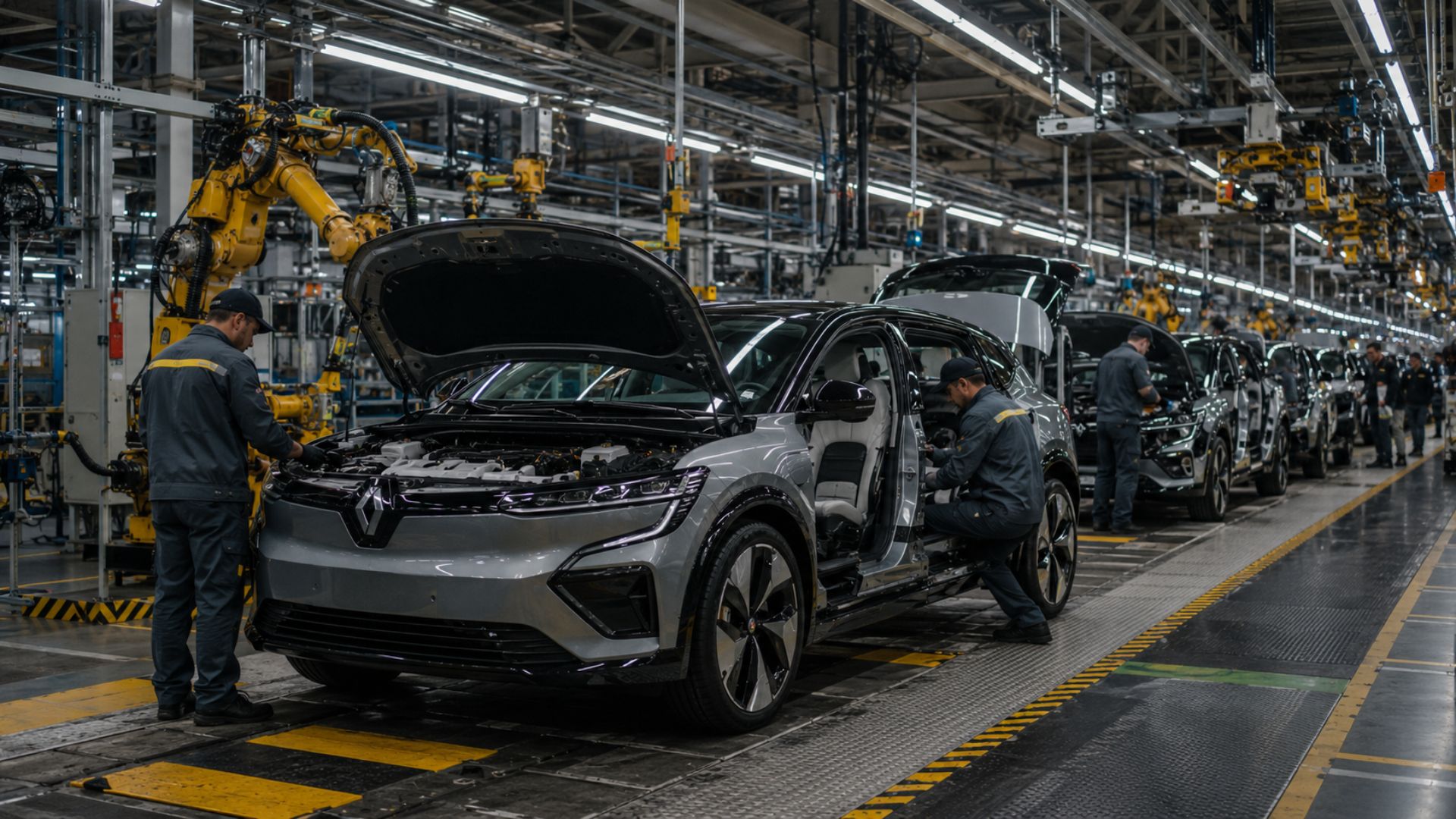
Frightened by the speed of Chinese manufacturers, Renault decided to mimic the pace, made the new electric Twingo in just 21 months, wants to repeat the feat with 36 models by 2030, and along the way, will cut up to 2,400 engineering positions.

-
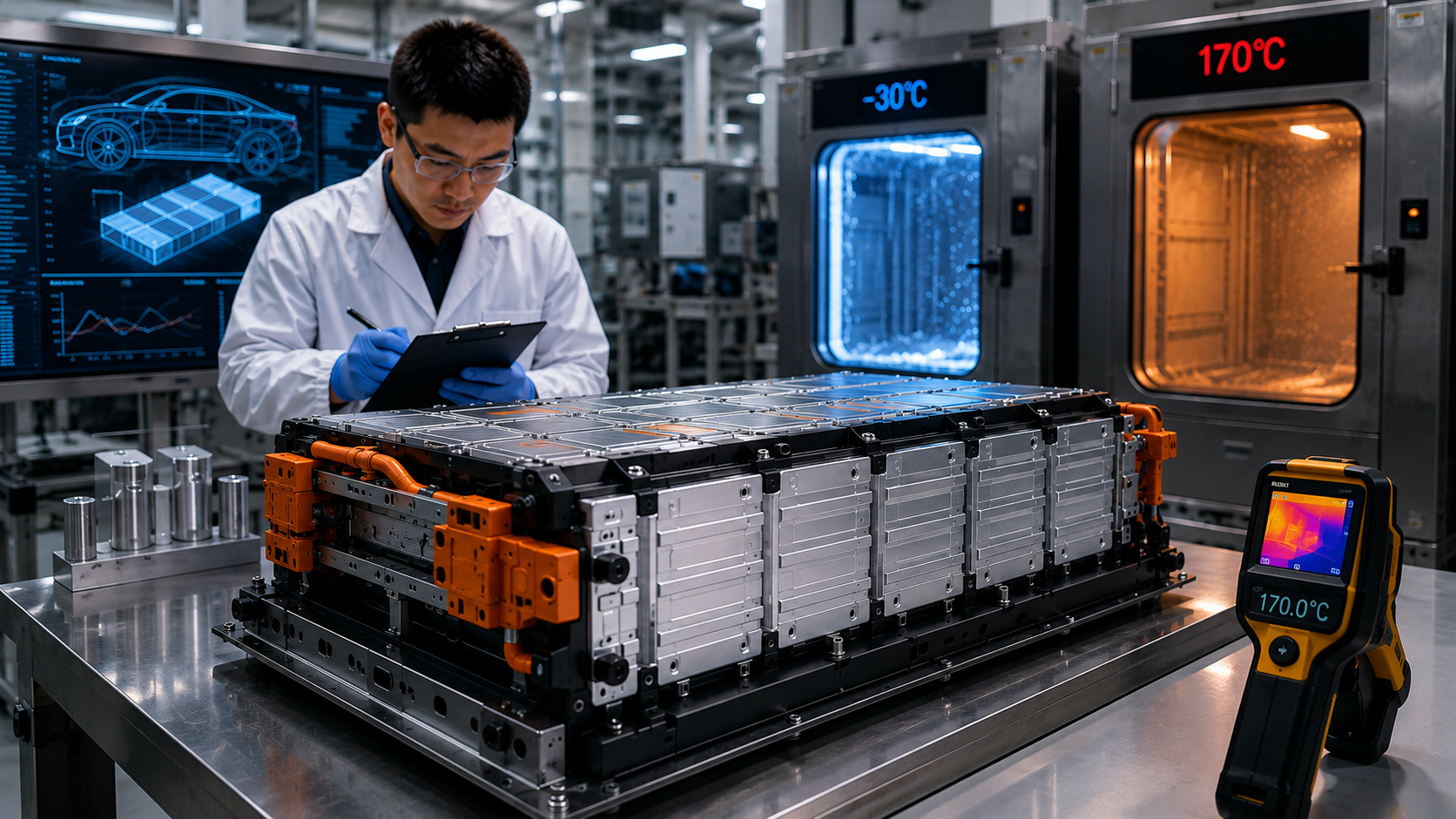
Chinese battery from Dongfeng promises to exceed 1,000 km without relying on liquid electrolyte, and the detail behind the technology could change the electric car competition.

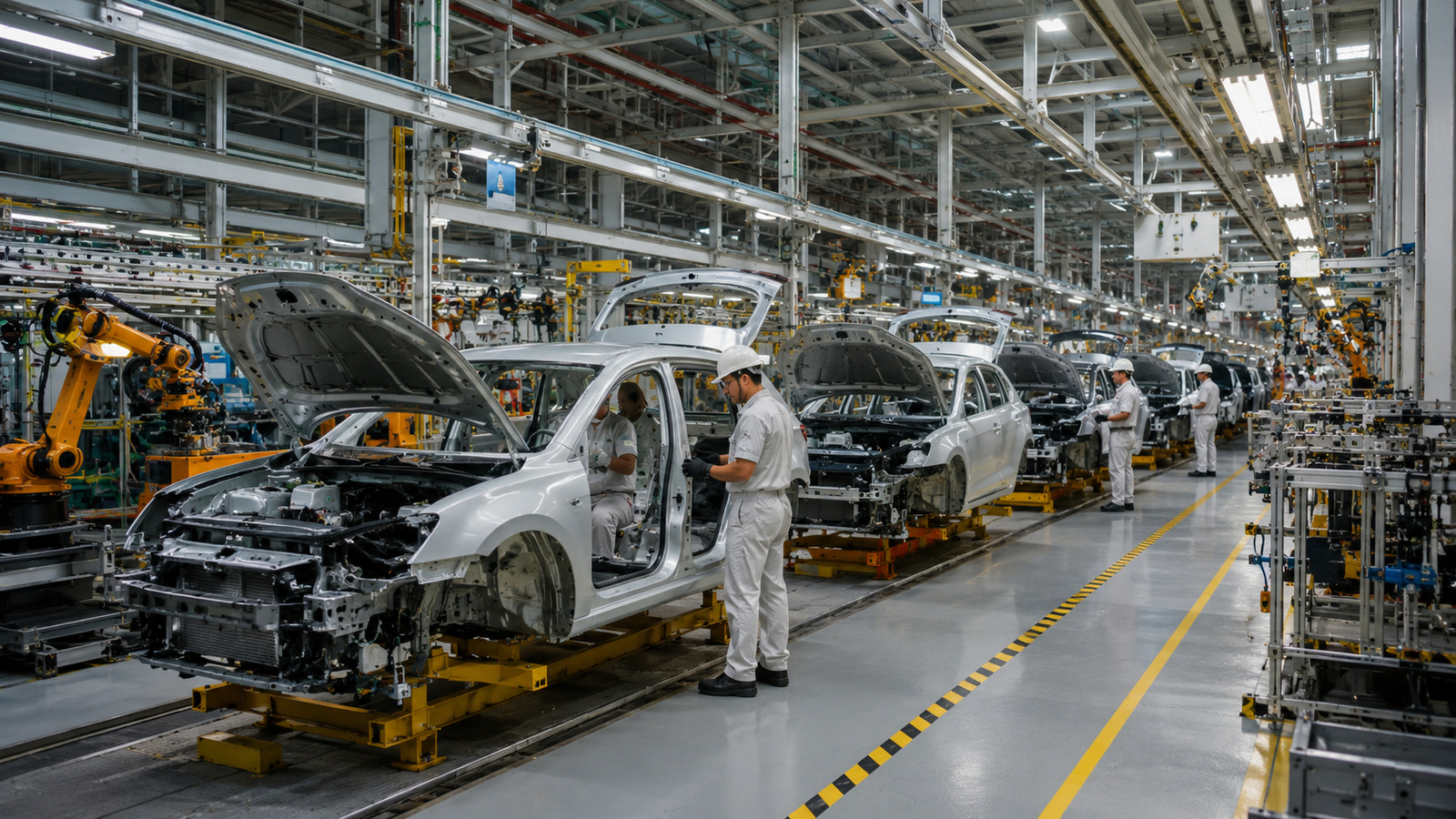
Brazil builds its own path for the future of cars
Since the opening of imports in the 1990s, the national automotive sector has not faced such a profound change. Now, however, the pressure to reduce emissions has accelerated new investments.
According to the Ministry of Development, Industry, Commerce and Services (MDIC), automotive innovation programs have started to encourage projects focused on decarbonization, digitalization, and the development of new technologies in Brazil.
However, the Brazilian reality presents specific challenges. The charging infrastructure still limits the expansion of fully electric vehicles.
Furthermore, the strength of agribusiness has made ethanol a strategic piece in the national energy transition.
Therefore, the industry primarily works with flex hybrid vehicles, which combine electric engines with renewable fuels.
The evolution of electric cars changes the strategy of manufacturers
Initially, the first generation of electric vehicles required high investments and presented high development costs.
However, this period served as a learning experience for manufacturers.
The president and CEO of Volkswagen do Brasil, Ciro Possobom, explained that the evolution of electric platforms represents an important change within the industry.
According to the executive, models like ID.3, ID.4, ID.5, and ID.6 marked a first stage of development. Now, new architectures promise to reduce costs and accelerate launches.
Thus, the second generation of electric vehicles arrives with greater efficiency and more adaptation to different markets.
Chinese platforms may influence the next Brazilian cars
Additionally, Brazilian automakers are analyzing new solutions coming from the Asian market.
The electric platforms developed in China have gained ground because they offer lower costs and large-scale production.
Thus, these architectures can be adapted for popular vehicles in Brazil.
According to information from the automotive sector, Volkswagen has been developing new electronic architectures in China to expand its global electrification strategy.
Therefore, established models in the Brazilian market may receive global technologies adjusted to local conditions.
Flex hybrids emerge as the main path in the short term
Currently, the national industry considers hybrid electrification as a fundamental step.
Among the main solutions are:
- Flex Hybrids: vehicles that combine an electric motor and fuels like ethanol and gasoline.
- High-efficiency ethanol: technology that leverages the Brazilian energy matrix.
- Modular platforms: architectures that allow cost reduction and accelerate new models.
Additionally, recent investments show this trend.
The BNDES approved financing for projects aimed at the development of hybrid and electric vehicles produced in Brazil, including technologies with flex engines and electric systems.
The future of Brazilian mobility will be gradual
Therefore, Brazil is not expected to immediately follow a path based solely on 100% electric cars.
Instead, the industry is preparing for a progressive evolution.
Firstly, flex hybrids are expected to increase their share.
Then, more accessible electric platforms may gain ground.
Meanwhile, ethanol will continue to be a Brazilian differentiator.
Historically, the country has accumulated experience with biofuels since the National Alcohol Program (Proálcool), created in 1975, and consolidated flex engines starting in 2003.
Thus, the next generation of Brazilian vehicles will be formed by the combination of electrification, technological innovation, and the use of national renewable fuels.