






 Portuguese
  Spanish


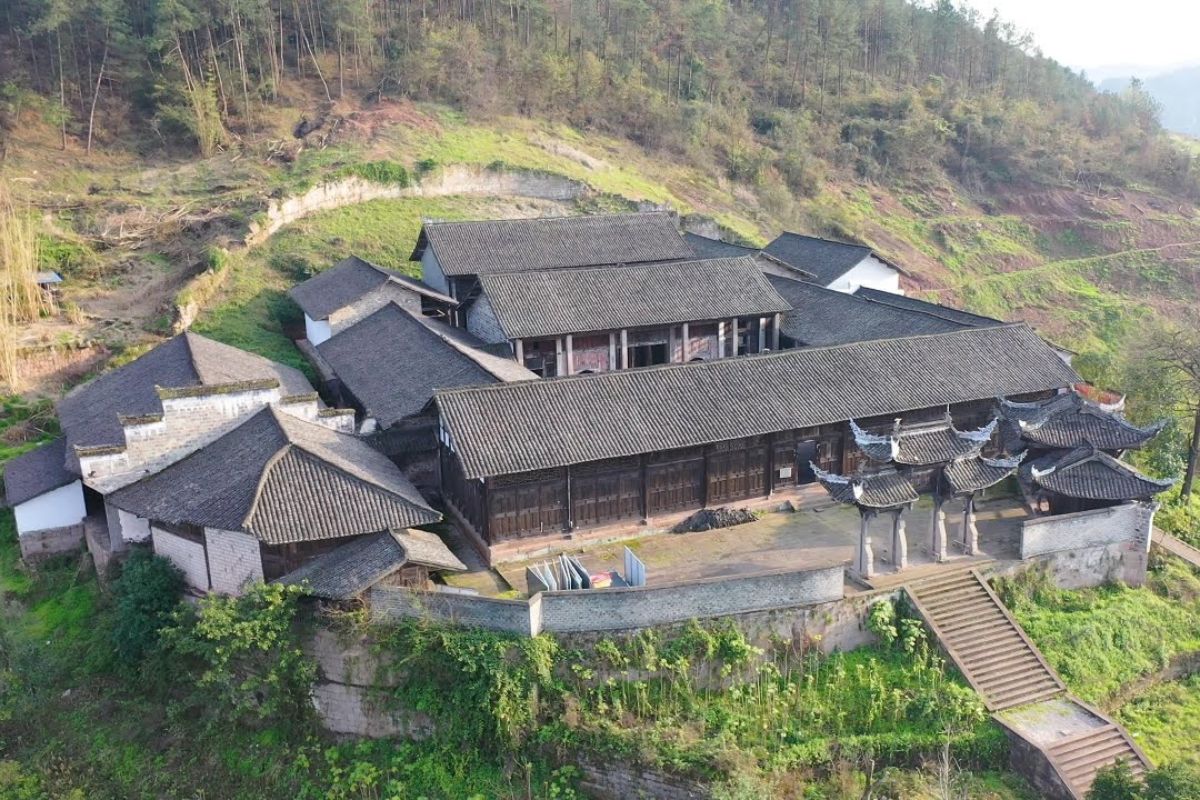

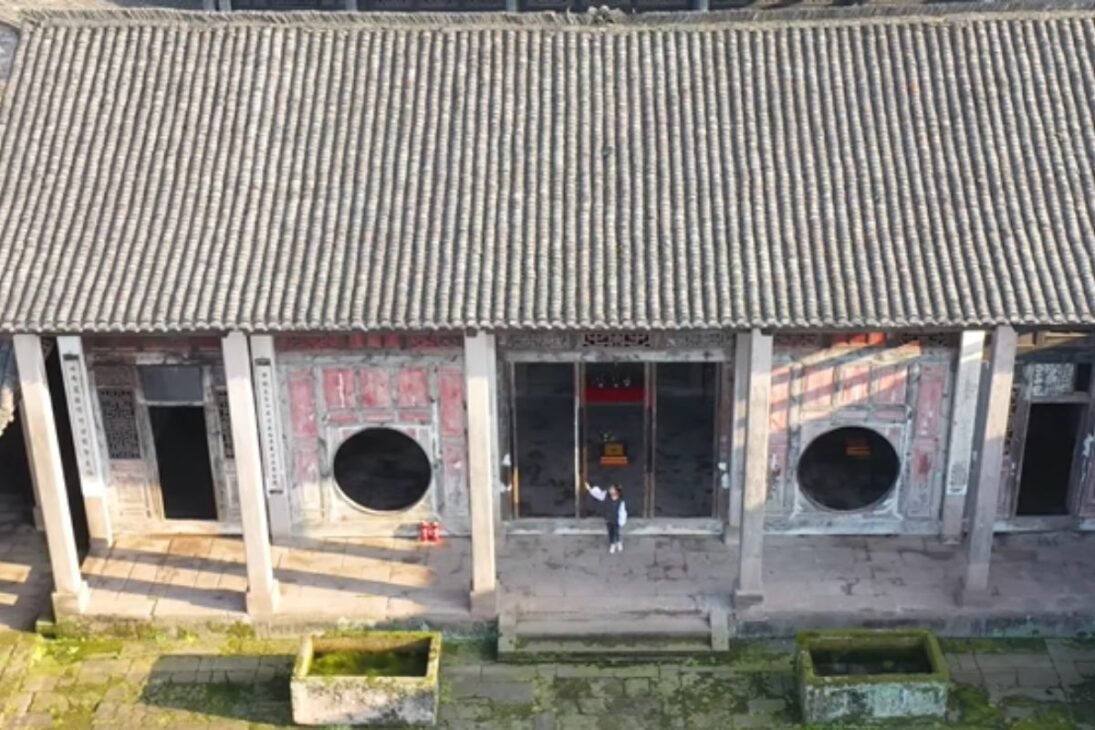
Erected among green hills and facing the Yangtze River, the Wuhuo Temple remains untouched for centuries, preserving the architecture and the traces of one of the oldest shrines in the eastern region of Sichuan.
The Wuhuo Temple, known as a 400-year-old sanctuary hidden in the mountains of Chongqing, defies time and forgetfulness. Built during the Wanli period of the Ming Dynasty, the monastery was one of the three great ancient temples of eastern Sichuan. Despite its grandeur and prime location supported by mountains and facing the Yangtze, it has long ceased to house monks or rituals. The structure stands tall, but silence dominates what was once a vibrant spiritual center.
Exploring its moss-covered staircases and empty halls is to dive into a past that has survived almost intact. The site, located in Fengdu County, maintains inscriptions from the Qing Dynasty, carved reliefs, and stone tanks used for firefighting—traces of an ancient engineering made to last.
Architecture Shaped By The Mountain
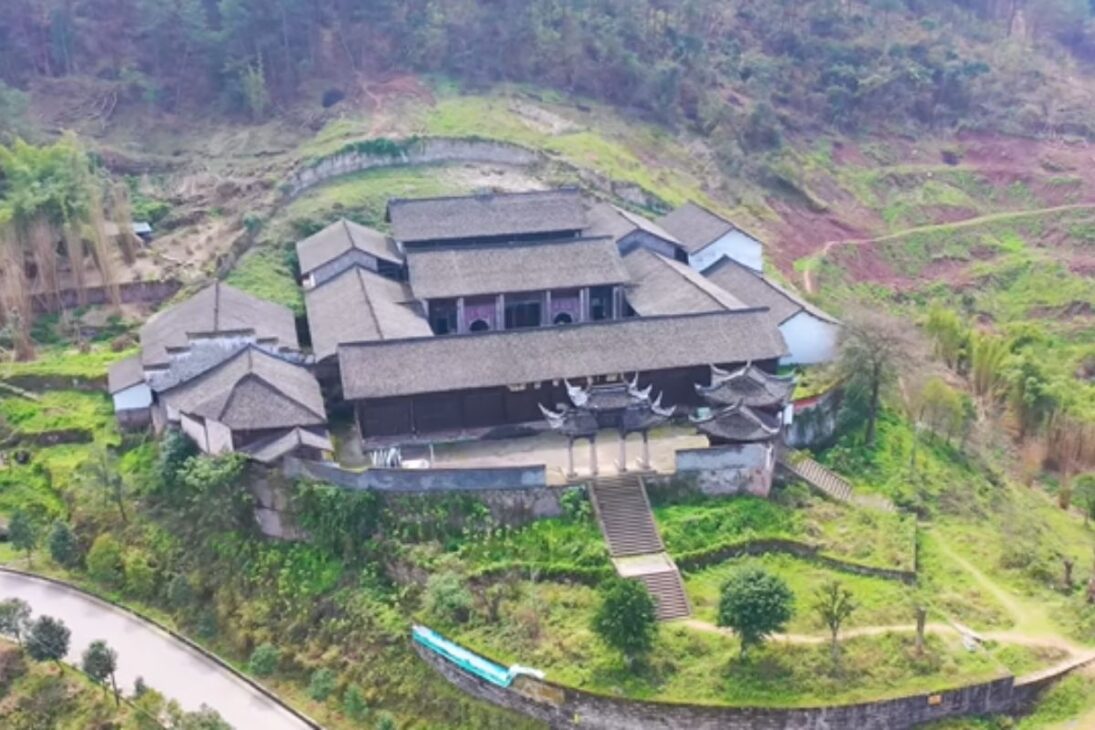
The temple follows the classic pattern of Ming and Qing monasteries: two gates, three corridors, and interconnected courtyards. The “south-facing” construction was a symbol of harmony and balance, an essential principle of traditional Chinese architecture.
-
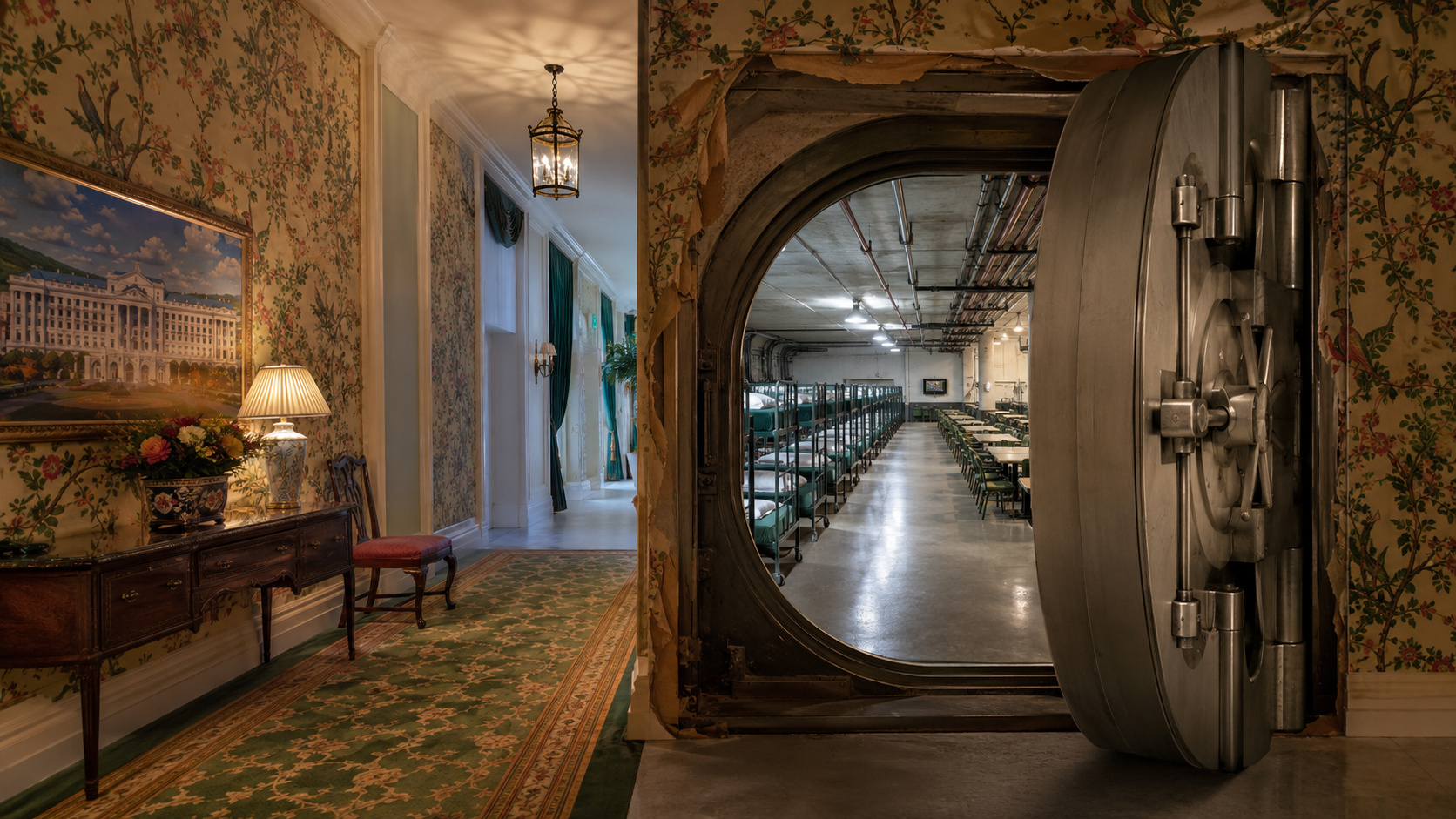
For nearly 35 years, a famous luxury hotel in the United States concealed a secret bunker with a 25-ton door, over a thousand bunks, a dining hall for 400, and space designed to save the entire Congress from nuclear war.

-
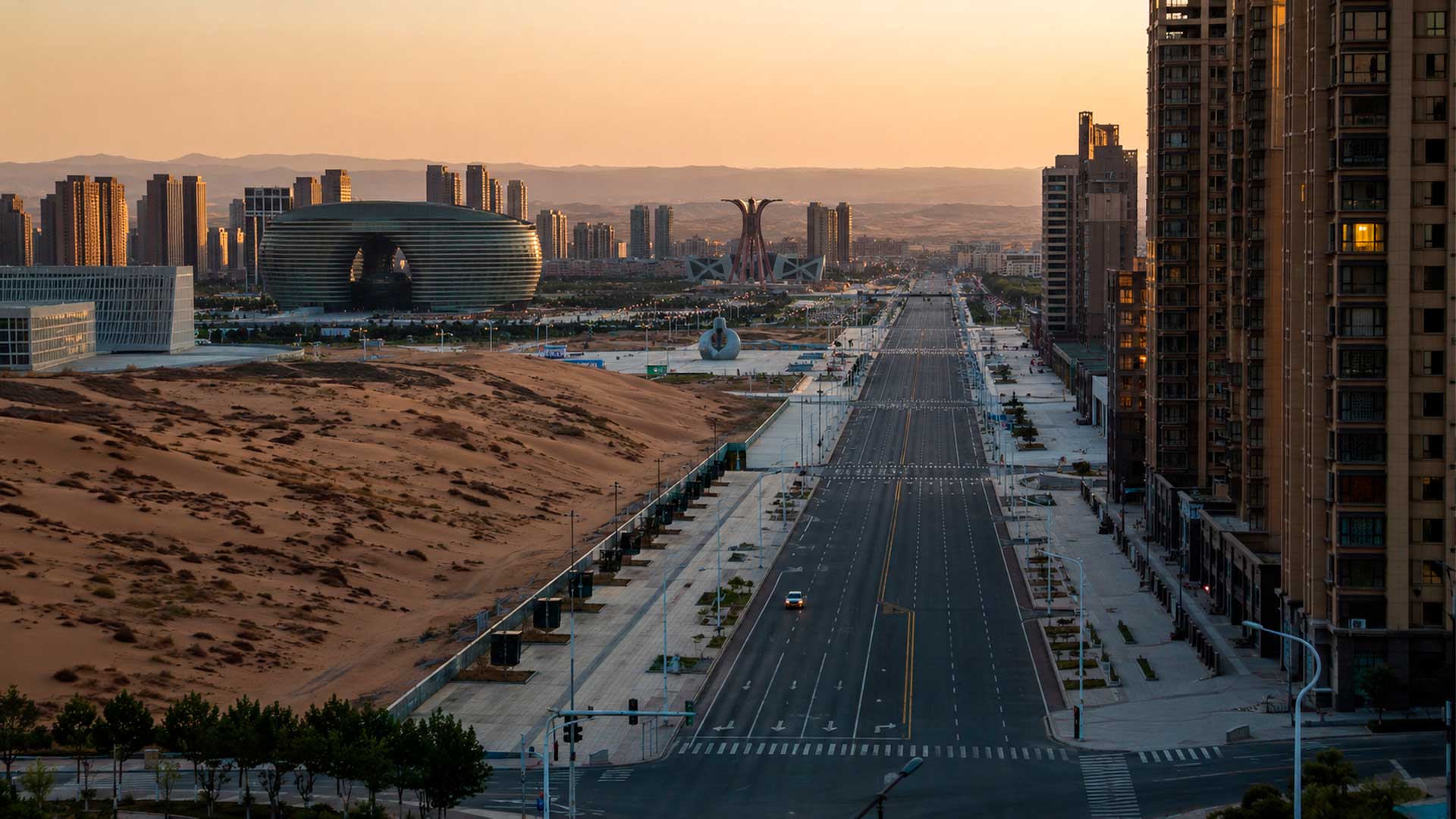
China Invested 17 Billion Yuan to Build a Desert City with Museums and Theaters for 1 Million, but Only 28,000 Moved to Kangbashi Initially

-
Mother and Daughter Convert Small Garage into Full Apartment to Save Money and Stay United
-
Woman Leaves Restaurant Job to Become a Builder in Brazil, Launches Her Own Construction Brand “Construcida”



The visit begins with an irregular stone staircase overtaken by greenery. The gates feature elegantly curved cornice angles and relief sculptures.
On the main beam, an inscription indicates the ninth year of Tongzhi, dating the last major restoration to the mid-19th century.
Inside, stone pillars support the main hall, where sound echoes with an almost ritual intensity. The absence of the ancient Buddha statues, many broken or removed, reveals neglect, but also the resilience of the forms.
Each crack in the floor and every worn beam tells a story of centuries of rain, wind, and forgotten reverence.
From Yongxing To Wuhuo: Three Lives Of The Same Temple
Before becoming the current Wuhuo Temple, the monastery had two historic relocations. The first erection, known as Guguan Temple, was located on top of the mountain and was destroyed by fires caused by intense winds.
During the reign of Kangxi, it moved to the slope, under the name Yongxing Temple. Decades later, under the command of Monk Miaojian, it was permanently established where it is today, assuming the name it has carried for over two centuries.
These changes were not only geographical but spiritual: each reconstruction symbolized the continuity of local Buddhism amid adversities.
The Wuhuo Temple is, in essence, a narrative of architectural and religious persistence.
Echoes Of An Immobile Time


The stone tanks carved from single blocks, still filled with water and moss, reveal the ingenuity of the monks who lived there.
The inscriptions in traditional characters and the stone sculptures form a historical mosaic. Around, the Zen rooms and the ancient kitchen hold traces of monastic routine—stoves, grinders, bowls, and wooden cabinets still in place.
The drainage system, designed to carry rainwater down the mountain, shows the temple’s integration with the natural landscape.
Nothing there is random: each channel, each door, each stone speaks of a time when spirituality and architecture were one language.
Today, the Wuhuo Temple is neither a tourist destination nor a place of worship. It stands desolate but not forgotten. Its almost total preservation is a paradox: abandonment has protected what an excess of visitors would destroy.
The temple remains standing as a witness to an era that united art, faith, and nature.
The 400-year-old sanctuary hidden in the mountains of Chongqing is more than a ruin—it is a living archive, a pause in the rhythm of the modern world, a reminder that time does not erase what the human spirit builds with devotion.
Do you think forgotten temples like Wuhuo should be restored or remain untouched as part of the silent memory of the past?


