Portuguese
  Spanish


According to Só Notícia Boa, Lucas Gabriel Ribeiro, a 17-year-old teenager from Teixeira, in Paraíba, assembled a homemade telescope with two margarine buckets and a wall mirror, received donations of parts, created the Space Exploration project, and started bringing astronomical observations to children in the Paraíba hinterland.
The 17-year-old teenager Lucas Gabriel Ribeiro, a resident of Teixeira, in the Paraíba hinterland, caught attention on social media after assembling a homemade telescope using two margarine buckets and a wall mirror. The idea came about when he wanted to better observe the Moon but did not have professional equipment.
The story was published by Só Notícia Boa on May 31, 2026, in a report by Rinaldo de Oliveira. According to the source, the project grew after gaining attention on social media, received donations of parts, and began bringing astronomical observations to children in schools and public squares in the region.
Interest in the Moon began with photos on the cellphone
Lucas started trying to photograph the Moon with his cellphone in 2024, when he was 16 years old. As the result was not as expected, he decided to research ways to assemble a telescope and test a solution with accessible materials.
-
It combines maximum strength and minimum weight, and that’s why the hexagonal structure has become the secret weapon of engineering: the honeycomb shape, copied from nature, supports airplane panels, satellites, trains, and construction around the world.

-
It is estimated that over 35,000 Brazilians cross the border to study medicine in Paraguay, where the monthly fee drops from R$ 8,000 to less than R$ 2,500 and admission does not require the competitive entrance exam.
-
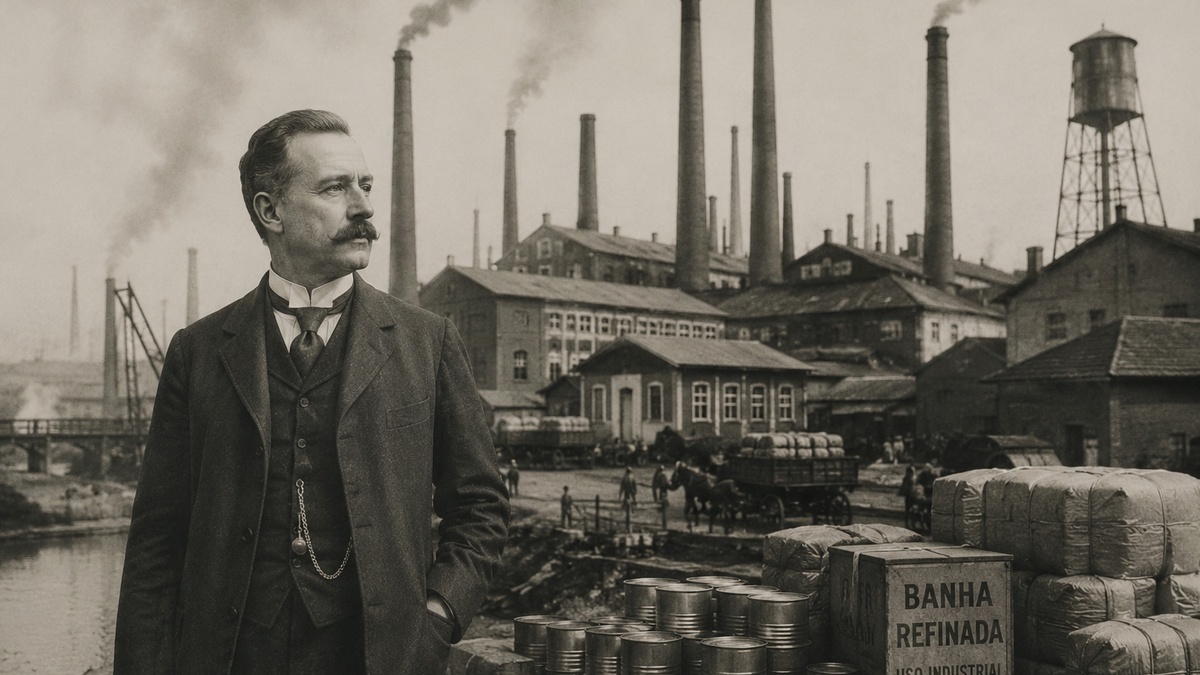
He arrived in Brazil with a thousand liras, saw the cargo of his first business disappear in the sea, and started almost from scratch, but a decision involving pork lard, cans, and flour eventually led the immigrant to command 200 factories, 30,000 employees, and one of the largest industrial empires in Latin America.

-
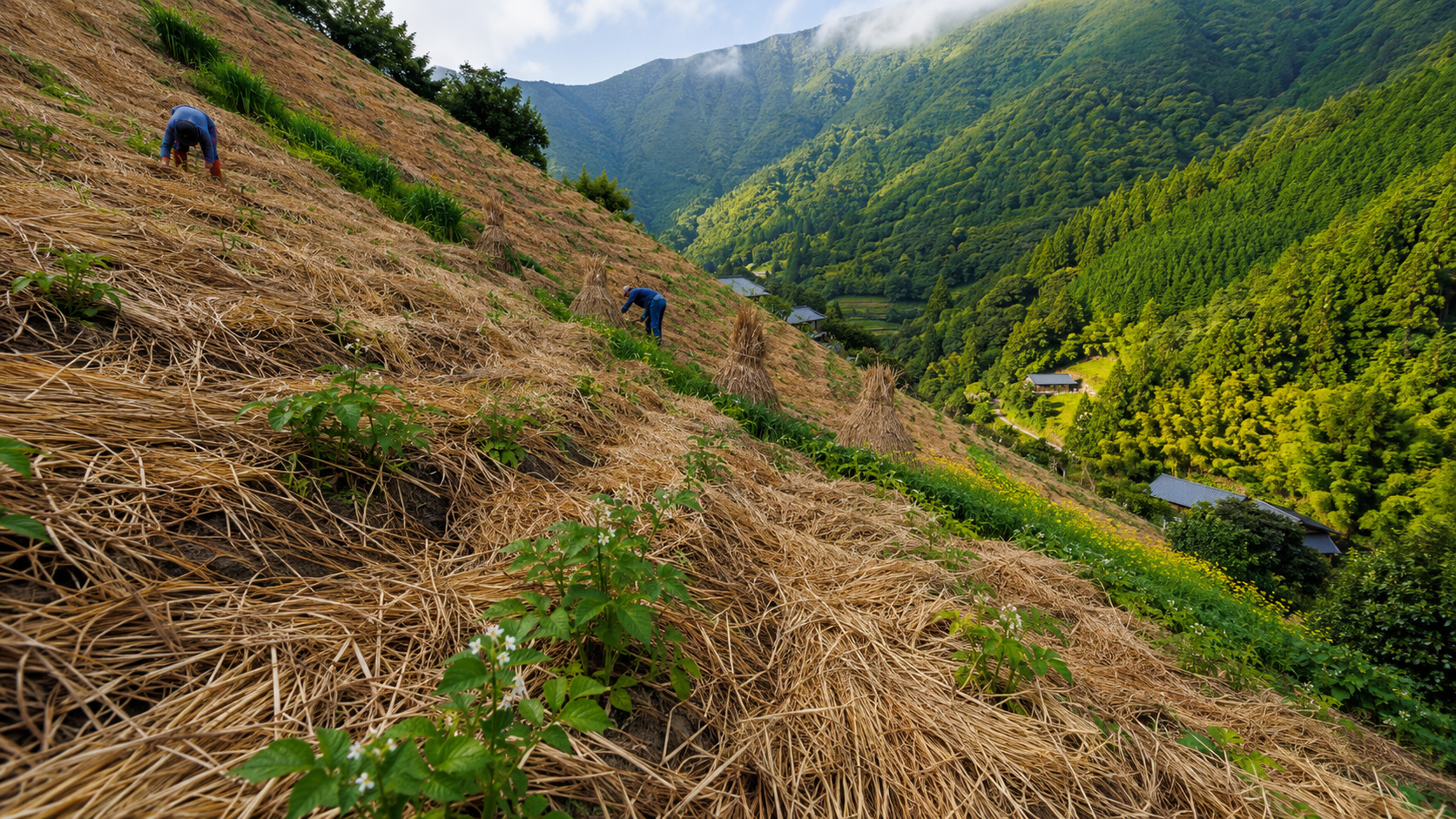
Without leveling mountains or relying on tractors, Japanese farmers spread tons of grass on slopes of up to 40 degrees, keep soil threatened by erosion productive, and cultivate millet, buckwheat, and potatoes.


It was in this process that the two margarine buckets and the wall mirror emerged. The homemade experience allowed him to observe the Moon in more detail and transformed a domestic attempt into the starting point for a larger project.
Homemade telescope caught attention on social media
After assembling the first equipment, Lucas shared the experience on social media. The public’s reaction helped expand the project’s reach and attracted people interested in contributing with parts and accessories for new telescopes.
According to the student, enthusiasts from various Brazilian states sent items such as eyepieces and cellphone holders for photography. With these donations, he was able to build larger and more advanced equipment, enhancing the quality of the observations.
Donations helped improve the equipment
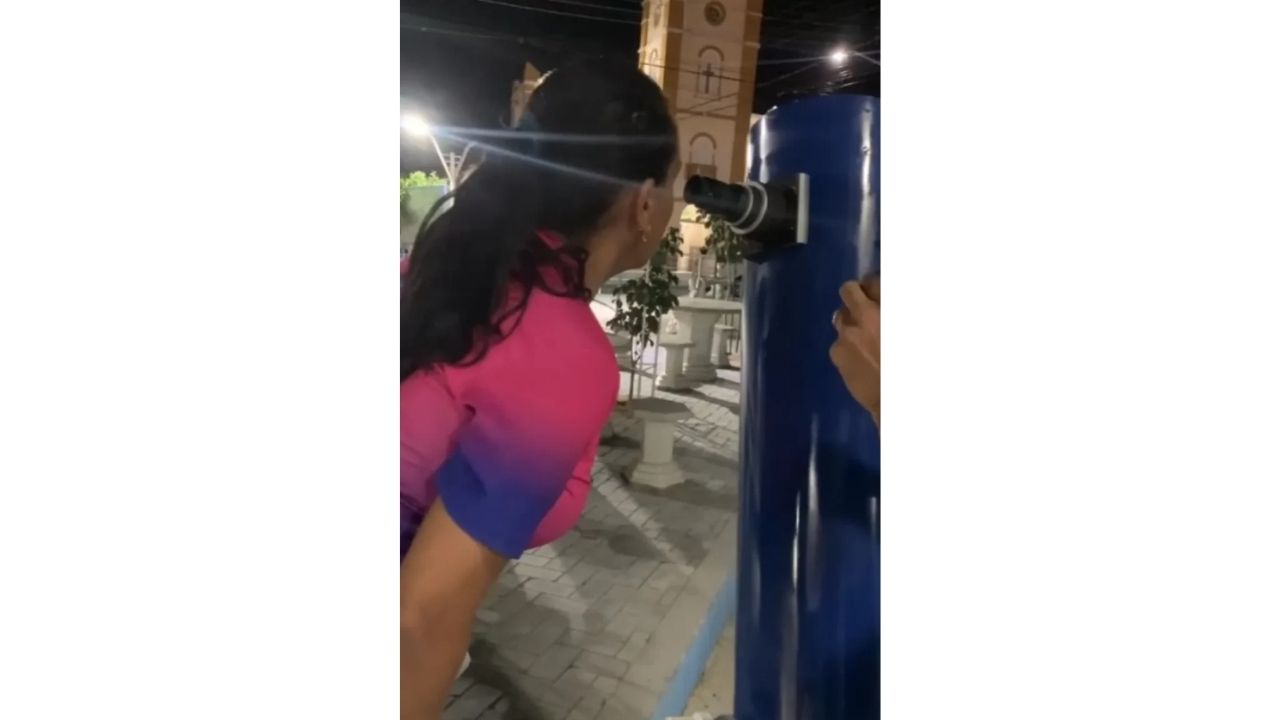
With the new pieces received, Lucas began to observe celestial objects with more definition. He reported seeing Jupiter’s spots, as well as the planets Venus, Mars, and Saturn, and also the Orion Nebula.
This advancement shows how small technical donations can change the reach of an educational initiative. What started with buckets and a mirror has come to include lenses, supports, and more suitable structures to present astronomy to others.
Space Exploration Project brought astronomy to the Sertão
With the repercussion, Lucas created the Space Exploration project and opened a profile on social networks to share astronomical records. The idea reached thousands of people, including followers from other countries.
The project also gained an educational dimension. According to the report, Lucas takes the experience to public schools and squares in the Sertão of Paraíba, bringing children closer to topics such as planets, stars, nebulae, and sky observation.
Squares and schools became observation points
The proposal to take the telescope to squares and schools makes astronomy more accessible to children who may never have used such equipment. Instead of keeping the observation restricted to social networks, Lucas turned curiosity into a face-to-face activity.
This direct contact can spark interest in science, technology, and research. When a child looks at the Moon or a planet through a telescope, astronomy stops seeming distant and becomes part of a concrete experience.
Student wants to pursue a career in astronomy
Lucas said he intends to pursue a career in astronomy after finishing high school. He also wants to deepen his knowledge about space and expand the recognition of the project in Paraíba.
The source does not specify which course he intends to take or if there is already formal institutional support for the initiative. What is clear is that the 17-year-old has started using his own experiments to share scientific knowledge with other children in the region.
Case shows the value of science done with few resources
The story of Lucas Gabriel Ribeiro draws attention because it combines curiosity, practical research, and the desire to share knowledge. The initial equipment was simple, but the quest to improve observation led the student to study, test, and enhance the project.
The case also shows that scientific initiation can start outside sophisticated laboratories. With guidance, access to parts, and community support, a handcrafted idea can become a bridge between students and complex scientific topics.
Social networks expanded the reach of the initiative
Lucas stated that he never imagined reaching 1 million views. The repercussion helped to publicize the project, attract donations, and connect the student with people interested in astronomy in different places.
In this case, social networks functioned as a showcase and support network. The video was not just entertainment: it paved the way for the 17-year-old to improve the telescopes and bring the experience to more children.
Popular astronomy can open doors in the countryside
The Space Exploration project shows how local initiatives can bring children closer to scientific knowledge. In regions where access to equipment is limited, actions in schools and squares help transform curiosity into learning.
The story also raises an important discussion about education. How many young people could create similar projects if they had access to parts, guidance, and public spaces to test ideas? Do you think schools should support more astronomy and practical science clubs in the countryside of Brazil? Leave your opinion in the comments.