Portuguese
  Spanish


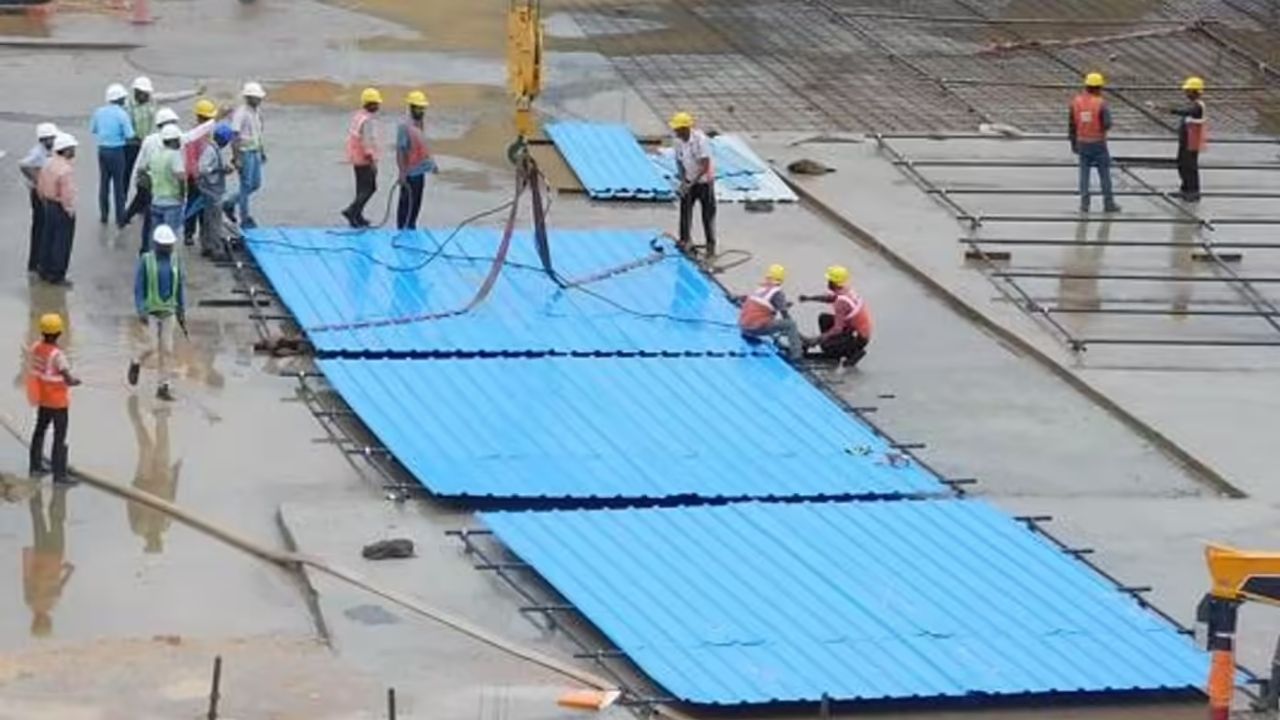
The nuclear construction of units 5 and 6 in Kaiga, India, recorded a continuous concreting of 7,250 m³ under a 75-meter artificial cover, with an ice plant producing 510 tons per day to control the concrete temperature during monsoon rains in the Western Ghats.
The nuclear construction of units 5 and 6 in Kaiga, in the Uttara Kannada district, Karnataka, India, completed one of the largest continuous monolithic concrete pours in the history of the Nuclear Power Corporation of India Limited. The operation poured about 7,250 m³ of concrete into the reactor foundation, even under monsoon rains in the Western Ghats.
The information was published by the Times of India on July 6, 2026, in a report by Niranjan Kaggere. According to the newspaper, the execution was carried out by engineers from Megha Engineering & Infrastructures Ltd. and required a 75-meter cover, daily ice production, high-capacity pumps, and strict quality control for nuclear infrastructure.
Rain and concrete created an unusual challenge in Kaiga
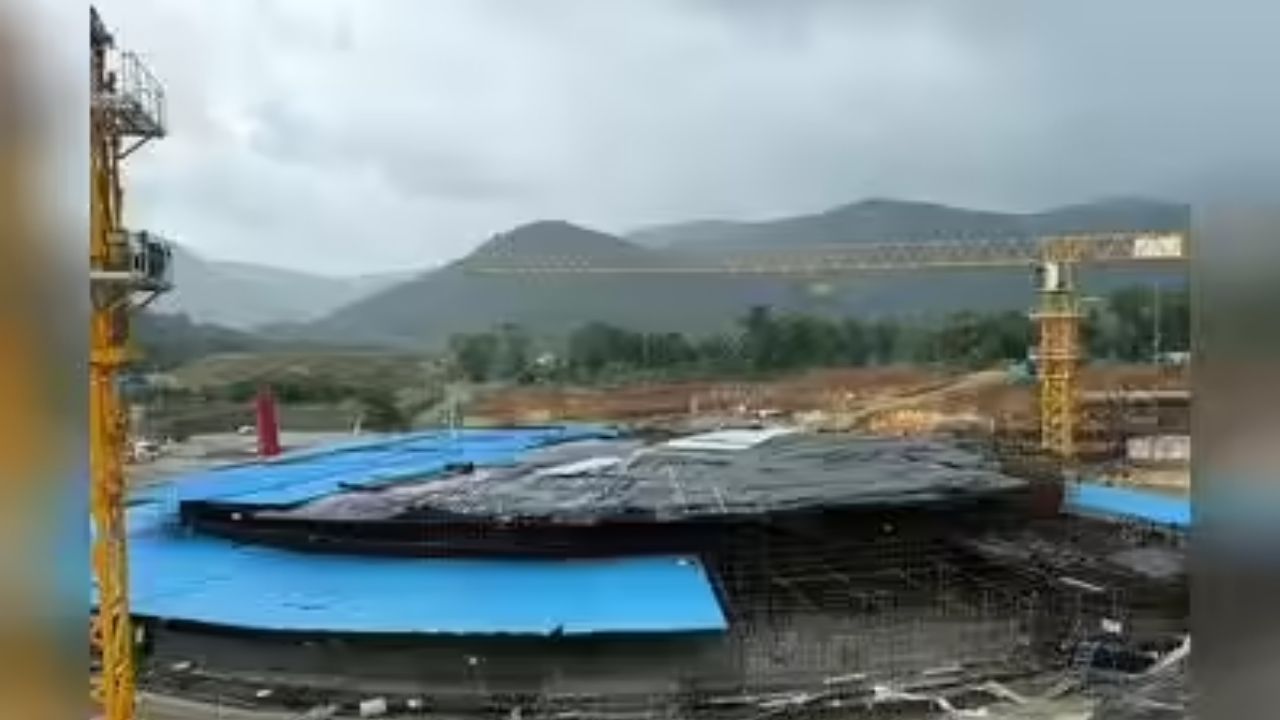
Large-scale concrete pours are usually avoided during periods of heavy rain, because excess water can alter the mix, affect strength, delay curing, and compromise structural integrity. In Kaiga, however, the engineers went the opposite way and continued the operation during the southwest monsoon.
-
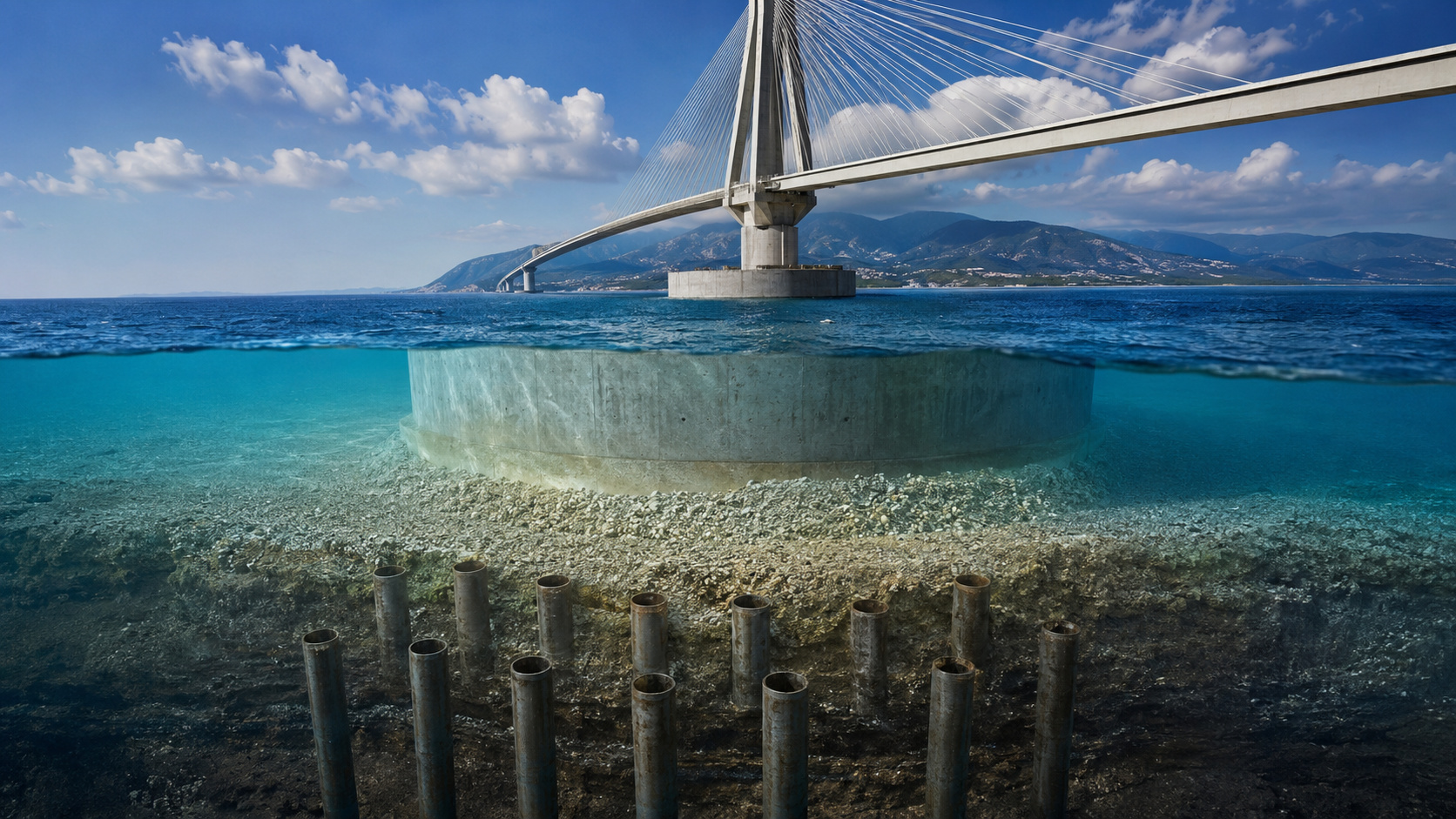
Without finding rock up to 100 meters deep, engineers reinforced the seabed with steel tubes and supported an entire bridge on giant concrete bases.

-
Couple bought a 1920 farmhouse for $12,000, transported the entire structure 6 km to an abandoned lot in Iowa, and spent about $80,000 to transform the century-old property into a permanent home, preserving original wood, history, and old charm.

-
The largest stadium in the world is being built in Morocco with a capacity for 115,000 spectators and a cost of $500 million, while the country invests $6 billion in projects to try to host the 2030 World Cup final and establish itself as an African tourism powerhouse.
-
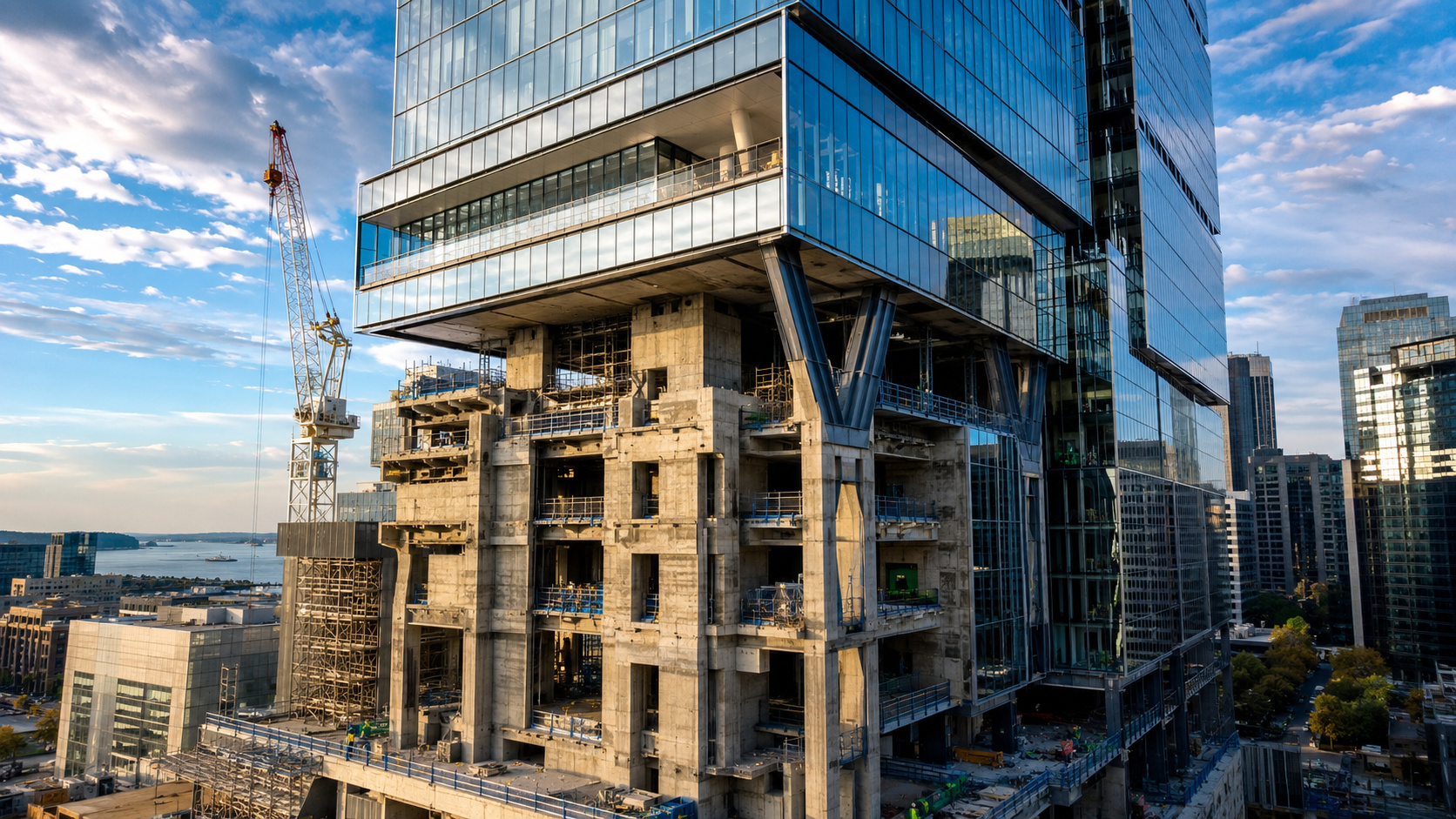
While cities are still demolishing entire buildings to construct from scratch, Sydney preserved 95% of the core of an old tower, nearly doubled its area, and avoided an estimated 12,000 tons of emissions.


The decision required detailed planning, precision logistics, and coordination throughout the process. In a nuclear construction, any failure in the foundation can have significant structural impact, so each stage, from production to concrete pouring, had to follow strict protocols.
75-meter cover protected the reactor foundation
To prevent rain from reaching the freshly poured concrete, engineers erected an artificial cover 75 meters in diameter over the site. The structure protected workers, equipment, and the concreting area, allowing the execution to continue without interruption.
This cover was essential because the operation involved approximately 7,250 m³ of concrete poured continuously into the foundation of the new reactors. Without this protection, rainwater could alter the material’s performance and jeopardize the quality of the structural base.
Continuous concreting required uninterrupted pace
The pouring of concrete needed to occur without pauses, a fundamental characteristic in a monolithic concreting of this magnitude. Interruption could create unwanted joints, curing variations, and weak points in a structure designed to nuclear standards.
According to sources connected to the project, the operation took place in one of the wettest regions of the country, with restricted access to the site and specific requirements for nuclear infrastructure. The Kaiga nuclear project combined climatic difficulty, technical demand, and unusual scale in a single stage.
Ice plant controlled the temperature of the concrete
Another challenge was maintaining the concrete temperature within the established standard during execution. For this, engineers installed a temperature-controlled concrete production unit with a capacity of 360 m³ per hour.
The operation also included an ice plant capable of producing 510 tons per day, in addition to storage for 400 tons. The goal was to keep the pouring temperature around 19 °C, reducing the risks of thermal stresses during the concrete curing.
Ice prevented thermal stress during curing
In massive concreting, temperature control is crucial because the heat generated by cement hydration can create thermal differences between parts of the structure. If these differences are too large, cracks and performance loss may occur.
In the Kaiga nuclear project, the ice helped cool the mixture and keep the concrete within the planned conditions. This care is especially important in reactor foundations, where durability and structural integrity need to meet much higher criteria than common constructions.
Foundation received high steel density
The concreting also involved a reinforcement density of 360 kg per cubic meter. This means a large amount of steel embedded in the concrete, a characteristic compatible with critical structures that require strength, stability, and precision.
This level of reinforcement makes execution more complex because the concrete needs to fill all the spaces between steel bars, without flaws, voids, or segregation. The process requires proper vibration, controlled pouring, and constant technical monitoring to ensure the foundation is homogeneous.
Supply chain needed to be set up on site
To keep the concreting uninterrupted, the team created on-site storage capacity for over 2,600 tons of cement and fly ash. This stock was necessary to avoid stoppages during the operation, especially in a region affected by heavy rains and limited access.
Hundreds of engineers, quality control specialists, surveyors, safety professionals, and skilled workers operated in shifts. The scale of the nuclear project required materials, equipment, and teams to function as a single synchronized chain.
Quality was monitored at all stages
According to the Times of India, all phases of the operation underwent quality assurance and control protocols. This included production, transportation, pouring, vibration, and curing of the concrete, following prescribed criteria for pressurized heavy water reactors.
This type of oversight is indispensable in nuclear infrastructure. Unlike conventional construction, the foundation of a reactor needs to meet long-term safety, strength, and stability requirements. Technical precision is part of the project’s inherent safety.
Kaiga is located in a monsoon region with difficult access
The project for units 5 and 6 of Kaiga is located in Uttara Kannada, in Karnataka, in the Western Ghats. The region is known for heavy rains during the southwest monsoon, which increases the complexity of large-scale construction.
Besides the weather, restricted access to the site also increased the logistical challenge. Transporting materials, keeping equipment operational, and coordinating teams in a continuous concreting window required prior preparation and quick response to changing conditions on site.
Stage marks progress of the new reactors
For the Nuclear Power Corporation of India Limited, the concreting of the foundation represents an important milestone in the construction of units 5 and 6 of Kaiga. The completion of this stage indicates structural progress in a project linked to the expansion of the Indian nuclear program.
The nuclear work also demonstrates the scale of engineering required to build energy infrastructure in adverse climatic environments. The achievement is not only in the volume of concrete but in the ability to maintain nuclear standards during rain, logistical pressure, and simultaneous thermal control.
Engineering overcame the monsoon with extreme planning
The concreting in Kaiga shows how large energy projects depend on specific solutions for climate, material, and safety. Giant coverage, ice plant, high-capacity pumps, supply stock, and teams in shifts allowed a critical stage to be executed without interruption.
The case also raises a larger discussion about energy infrastructure in difficult regions. Do you think that this type of nuclear work shows indispensable technological advancement to expand energy, or should projects of this size have even more public debate due to the risks and costs involved? Share your opinion.