






 Portuguese
  Spanish


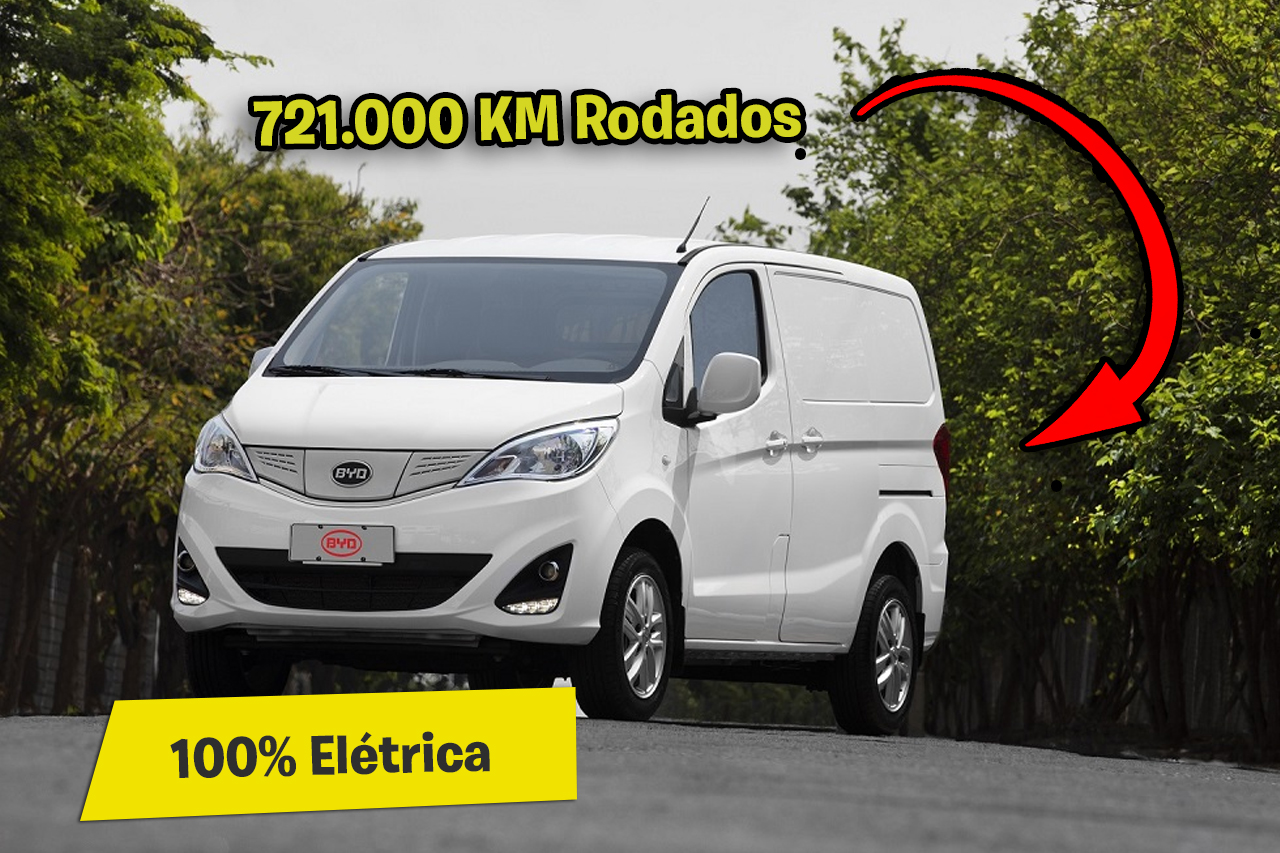


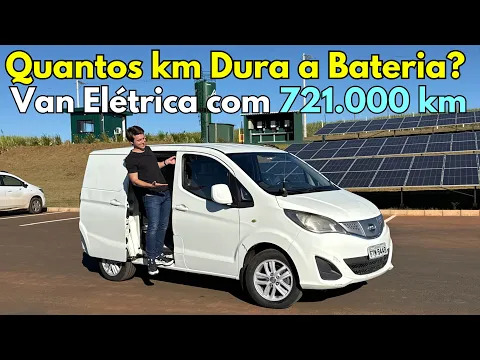
A BYD eT3 Electric Van from 2017/2018 Surpassed 721,000 Km While Maintaining the Original Battery in Severe Urban Delivery Use.
The story of a BYD eT3 with over 721,000 km driven and the original battery is an important milestone for those still fearing the lifespan of electric vehicles. Recorded on video during an event in Brazil, the van continues to operate after years of severe urban delivery use, showing that degradation can be much less than many imagine.
The specific unit in question is from 2017/2018, before the popularization of the Blade Battery, and still maintains full usability with the same battery. For logistics applications — with many charge and discharge cycles — this figure is surprising and hints that the battery is not the “Achilles’ heel” of the electric vehicle.
In 2022, Quatro Rodas drove an eT3 with nearly 300,000 km and recorded a range loss of about 16% after six years, within expectations from specialists. This reinforces that, in real-world use, degradation tends to be slow and predictable.
-
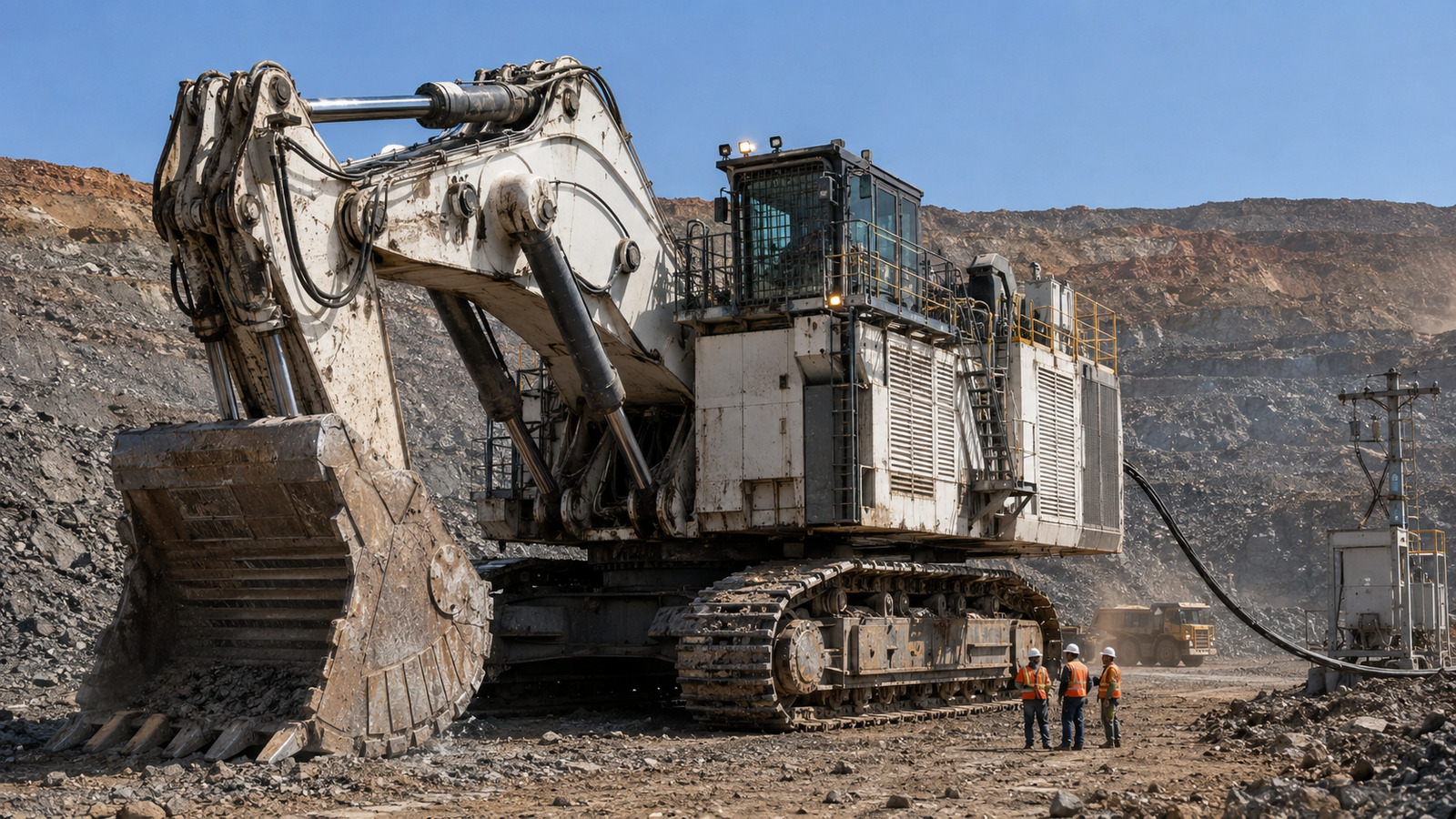
Unprecedented achievement in India: a colossal 650-ton, nearly 3,000 hp excavator is transformed into 100% electric, marking a new phase in heavy mining.

-
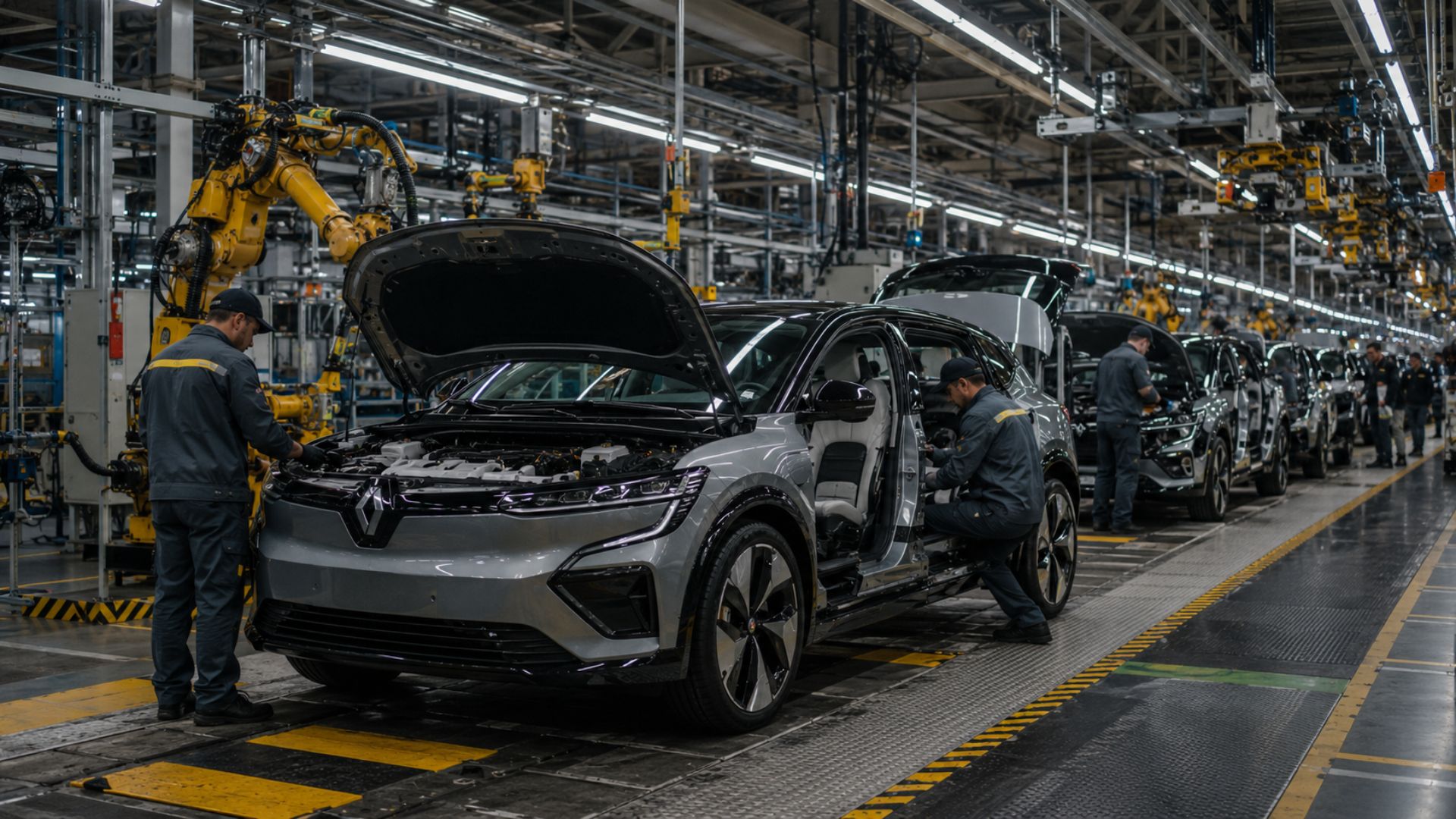
Frightened by the speed of Chinese manufacturers, Renault decided to mimic the pace, made the new electric Twingo in just 21 months, wants to repeat the feat with 36 models by 2030, and along the way, will cut up to 2,400 engineering positions.

-
Chinese battery from Dongfeng promises to exceed 1,000 km without relying on liquid electrolyte, and the detail behind the technology could change the electric car competition.

-
The end of the automotive combustion era has already begun, but many in Brazil have not yet realized the magnitude of the shift towards Chinese electric cars.
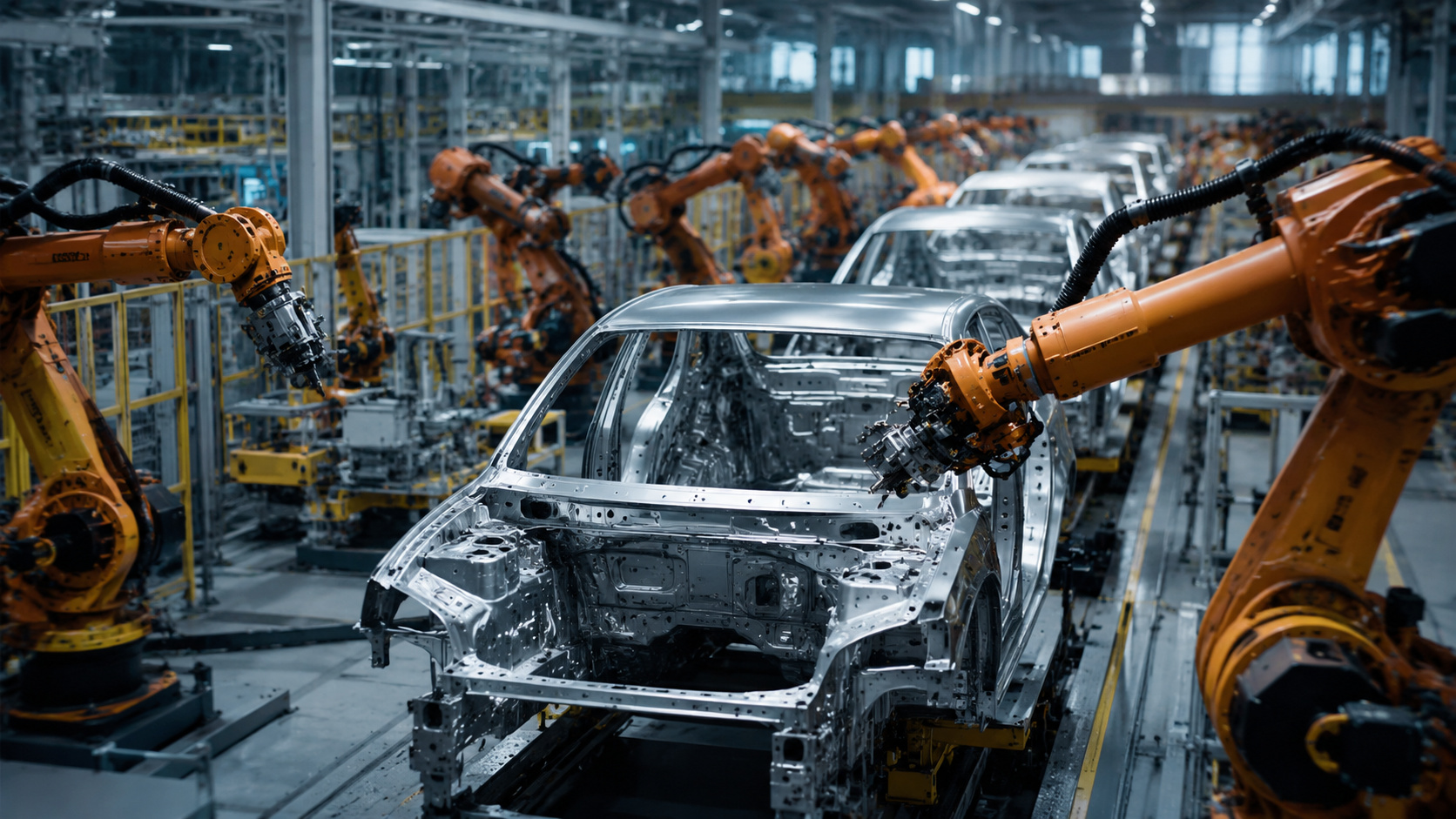
For fleet operators, high mileage does not mean a condemned battery. What suffers the most is what has always suffered in work vehicles: tires, brakes, suspension, and finish, while the electric system shows robustness.

From LFP “Pre-Blade” to Blade Battery: Why Do BYD Batteries Last So Long?
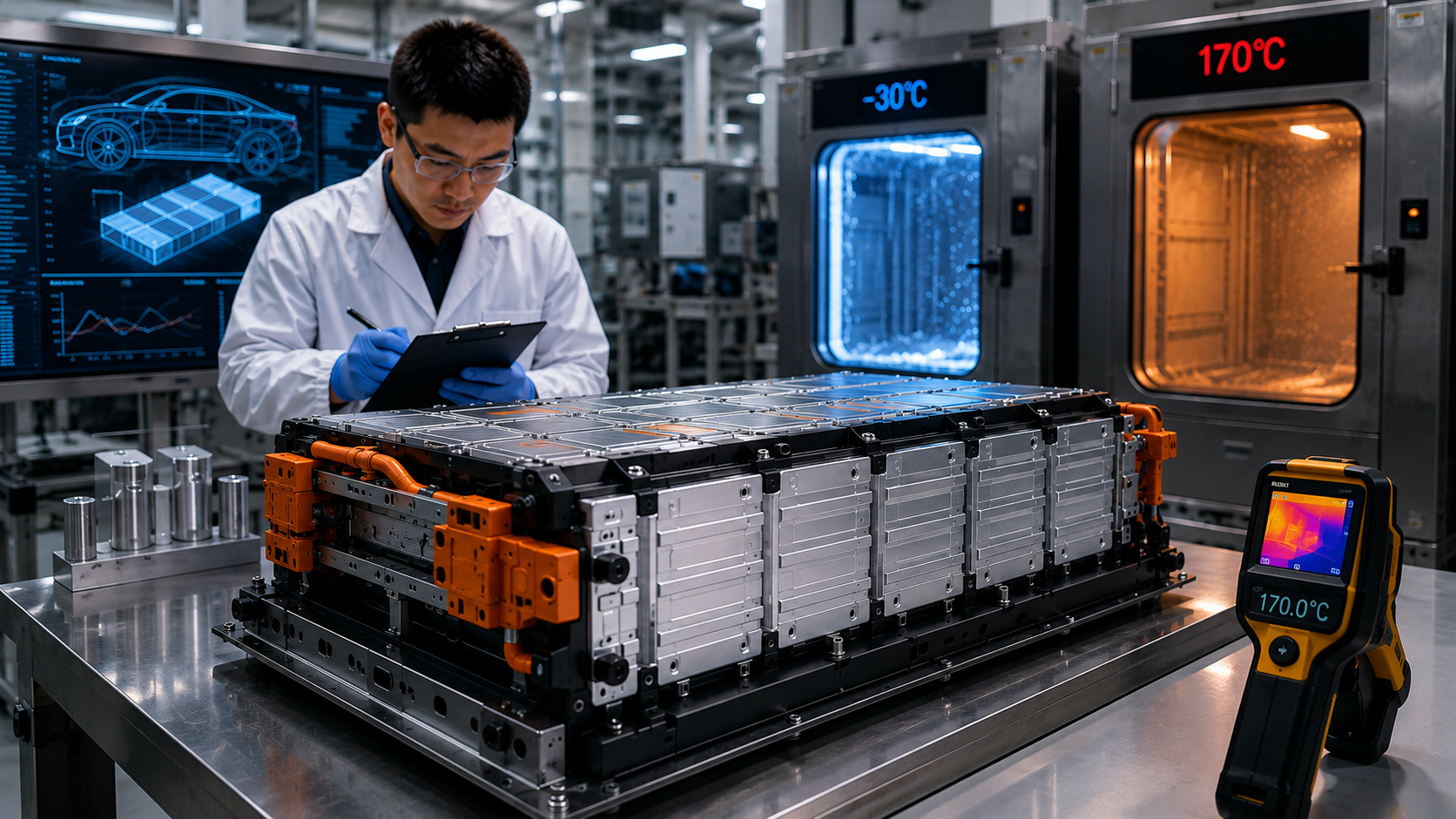
The eT3 uses a lithium iron phosphate (LFP) battery, a chemistry known for its thermal stability and long cycle life, even before the “Blade” structural arrangement. In the current versions, the Blade Battery further increases durability, with over 5,000 cycles declared by BYD itself, a metric that can exceed 1 million km in typical urban use scenarios.
In addition to longevity, the “blade” format improves space utilization in the pack and safety, helping to maintain range even with similar capacity. In practice, this means less charging anxiety and extended lifespan for those who drive a lot every day.
Another point: BYD itself updated the eT3 over the years to the Blade, maintaining the LFP chemistry and enhancing fast charging, range, and load capacity, consolidating the van as a last mile tool.
Fleet Operation: Range, Charging, and Daily Routine
According to BYD’s data in Europe, the eT3 uses a 44.9 kWh (LFP) battery, with a reference range of 233 to 275 km WLTP and DC charging of up to 50 kW. These figures are consistent with use in urban delivery cycles, where there is much regenerative braking and frequent stops.
In terms of wear, long-term experience indicates that common maintenance — tires, brakes, alignment, suspension items — will continue to be the largest budget line, while the battery preserves usable capacity for many years.
In practice, fleet operators who standardize charging procedures, monitor battery state of health (SOH), and track temperature and management software can predict costs more accurately and maximize availability.
What Changes for Your Wallet: Cost per Km, Resale, and Used Evaluation
If the battery stops being the villain, the total cost of ownership decreases due to lower maintenance and energy predictability, which is critical in 24/7 operations. The trend is that vehicles with a history of low degradation retain better resale value.
For those considering buying a used electric vehicle, it is worth adopting an objective checklist: check the SOH via diagnostics, review charging history, and operational environment, as well as inspect typical wear items. Isolated failure cases can occur, as in any vehicle, but empirical evidence and media tests indicate reliability above expectations.
In the current scenario, examples like the eT3 above and the advancement of the Blade Battery help reduce buyer uncertainty and professionalize the decision-making of fleets seeking electrification with clear payback.









Aí vcs matam os argumentos que os contra-eletricos usam sem pesquisar nada toda vez que comento que carro elétrico no brasil vale muito a pena. com uma matéria dessas vcs quebram eles.