





 Portuguese
  English
  Spanish
 5 min of reading
  0 comments


Piracicaba, Located in São Paulo, Is Known as the “Bavaria of Sugarcane.” With Ethanol Plants, Agribusiness, Startups, and Universities, It Has Created One of the Most Advanced and Wealthy Rural Hubs in the Country.
In the heart of the state of São Paulo, a city stands out as one of the most advanced ecosystems in the global agribusiness. This city is Piracicaba, historically known for its sugarcane plantations, but today it boasts an even more ambitious title: the “Bavaria of Sugarcane.” The comparison is not without merit — much like the German region is a symbol of tradition, technology, and high productivity in the industrial sector, Piracicaba has transformed its agricultural base into a sophisticated engine of innovation, bioenergy, and rural wealth.
With a GDP exceeding R$ 17 billion, the city has established itself as one of the largest agricultural technology hubs in Brazil, combining century-old ethanol plants, top universities, startups, and a highly efficient productive belt. And all this under the shadow of the sugarcane — a crop that, in Piracicaba, has reinvented itself.
The Most Advanced Sugarcane Belt in the Country
Piracicaba is part of the largest sugar-energy belt in Brazil, a cluster of municipalities with a strong presence of plants, distilleries, and areas dedicated to sugarcane production.
-
Brazilian city becomes a ‘darling’ and gains new residents every year; elected the 4th best to live in, the city combines quality of life, jobs, strong higher education, and an agribusiness powerhouse that moves billions

-
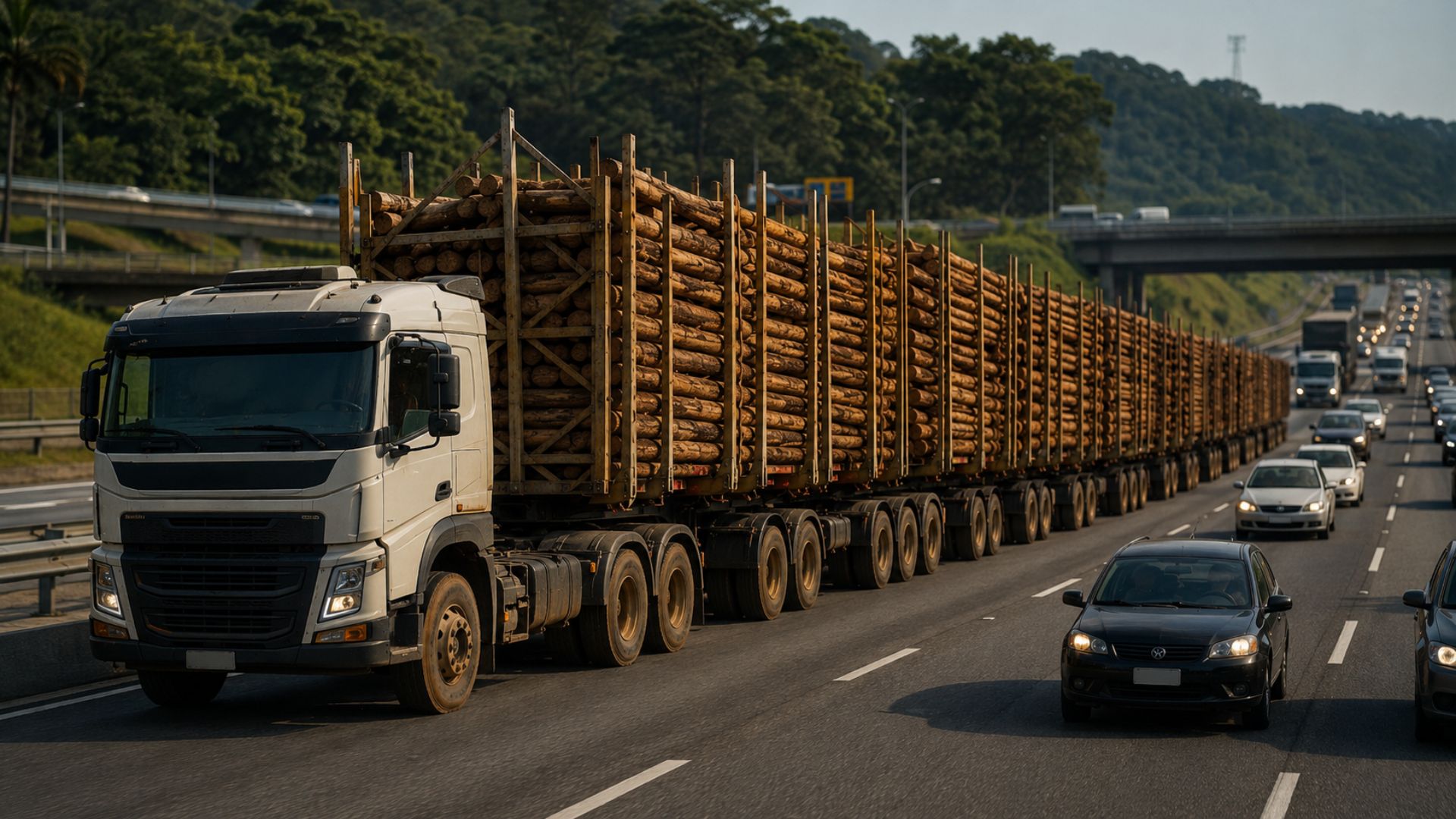
540-horsepower truck with reinforced chassis and 14-speed transmission pulls the weight of a small building within the forests of Três Lagoas in Mato Grosso do Sul because above 74 tons, the law prohibits circulation on open roads.
-
How 3 million trees planted each year are trying to reverse a thousand years of deforestation caused by the Vikings in Iceland, a green island that erosion has turned into the most eroded land in Europe, even though the forest covers only about 2 percent.
-
A green and bluish stain of 200,000 km² appeared in the icy sea above Scandinavia, and satellites revealed that it was not oil, paint, or pollution, but an explosion of phytoplankton in the Barents Sea larger than many countries.




In the region alone, there are more than 30 sugar and ethanol plants operating within a radius of 100 km, responsible for thousands of direct and indirect jobs. Some of these units belong to groups like Raízen, Copersucar, and São Martinho, which are among the largest exporters in the world.
This belt not only supplies the domestic market with ethanol and clean energy but also drives the local economy with a chain of suppliers, manufacturers of agricultural machinery, laboratories, and universities.
ESALQ/USP and the Role of Rural Intelligence
One of the pillars of the comparison with Bavaria lies in the production of knowledge and agricultural technology. Piracicaba is home to the Luiz de Queiroz College of Agriculture (ESALQ/USP), considered one of the centers of excellence in agricultural sciences in Latin America. Founded in 1901, the college plays a crucial role in training agronomists, rural economists, and researchers.
It is here that projects in bioenergy, plant genetics, process automation, and agriculture 4.0 are born — technologies that are later applied on a large scale in the surrounding properties. Furthermore, ESALQ also functions as a hub connecting academia, businesses, and public policies.
Alongside ESALQ, other centers such as the Agronomic Institute (IAC) and Embrapa Instrumentation strengthen the innovation environment.
Agtech Valley: The Silicon Valley of Agribusiness Is Here
If Bavaria is home to large industries and technological centers, Piracicaba also has its valley of innovation. The term “Agtech Valley” was coined to describe the environment formed by more than 90 startups, incubators, accelerators, and research centers focused on technological solutions for agriculture.
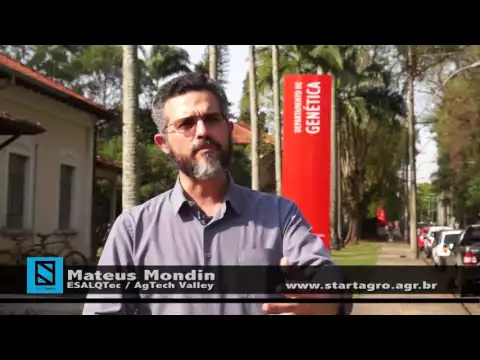

Companies like Agrosmart, Solinftec, Aegro, and Perfect Flight develop everything from climate monitoring platforms and spraying drones to farm management software and artificial intelligence applied to soil.
The presence of Pulse Hub, an initiative by Raízen to accelerate startups in the sector, has solidified Agtech Valley as an international reference — attracting investors from Brazil, the USA, Europe, and Asia.
Ethanol and Bioenergy: The New Green Gold
Piracicaba is a key city for ethanol production in Brazil, with a large part of the fuel being sent to supply urban centers like São Paulo and Campinas.

In addition to anhydrous and hydrated ethanol, local plants also produce bioelectricity, selling clean energy generated from sugarcane bagasse to the National Interconnected System.
With this, the municipality combines agricultural production with energy generation, enhancing its economic resilience and reducing its carbon footprint. Some plants in the region also operate with energy cogeneration, supplying neighboring cities and exporting surplus to the national grid.
Food Industry and Agroprocessing
The city hosts various agroprocessing and food industry companies, especially in the sectors of juices, processed foods, animal feed, and fermented products. Large brands like Arcor, Tetra Pak, and Dori have operational plants or distribution centers in the city, taking advantage of the facilitated logistics and proximity to the fields.
Additionally, the municipality benefits from the integration between small and medium producers and local agribusinesses, strengthening the cooperativism model and adding value to rural production.
High Income and Low Informality: The New Face of the Interior
The impact of all this is reflected in robust socioeconomic indicators. Piracicaba has one of the highest per capita incomes in the interior of São Paulo (R$ 47,000/year, according to IBGE), and it shows lower informality and unemployment rates compared to the national average.
The presence of skilled labor, structured public services, and technical education networks creates a favorable environment for talent retention and sustainable growth. Many young people studying at ESALQ or at technical schools like SENAI end up being absorbed by local companies or starting their own startups.
The real estate sector is also thriving: planned neighborhoods, condominiums, and business hubs are emerging to meet the demand of professionals who see Piracicaba as synonymous with quality of life and real opportunities for advancement.
Why “Bavaria of Sugarcane”?
The metaphor with the German Bavaria is supported by four central factors:
- Historical vocation for agriculture: sugarcane in Piracicaba has a century-old tradition;
- High productivity based on science: universities and research centers have transformed the field into a living laboratory;
- Strong industrial base: plants, machinery, fertilizers, and logistics form a robust chain;
- Culture of innovation and export: technologies created in the municipality are used in plantations from Argentina to Vietnam.
If Bavaria combines craft beer and luxury cars with cutting-edge engineering, Piracicaba mixes ethanol, agritech startups, and rural tradition with applied science and global business.


Be the first to react!