Portuguese
  Spanish


For over 140 years, Iceland has been trying to recover its forests. Three million trees are planted each year to reverse the deforestation initiated by the Vikings and the erosion that made the island the most degraded land in Europe, but the forest covers only about 2%.
Iceland is waging a centuries-long battle to bring its forests back. Today, about 3 million trees are planted every year in an effort to reverse over a thousand years of deforestation and erosion that have left the island almost treeless.
It all began when the first Viking settlers arrived on the island around the year 874 and found a land covered with forests. In about 300 years, almost all the trees were cut down, and Iceland became one of the most eroded places on the planet. More than a century of work has increased forest cover by only about 1.5%.
How the Vikings turned the green island into a desert
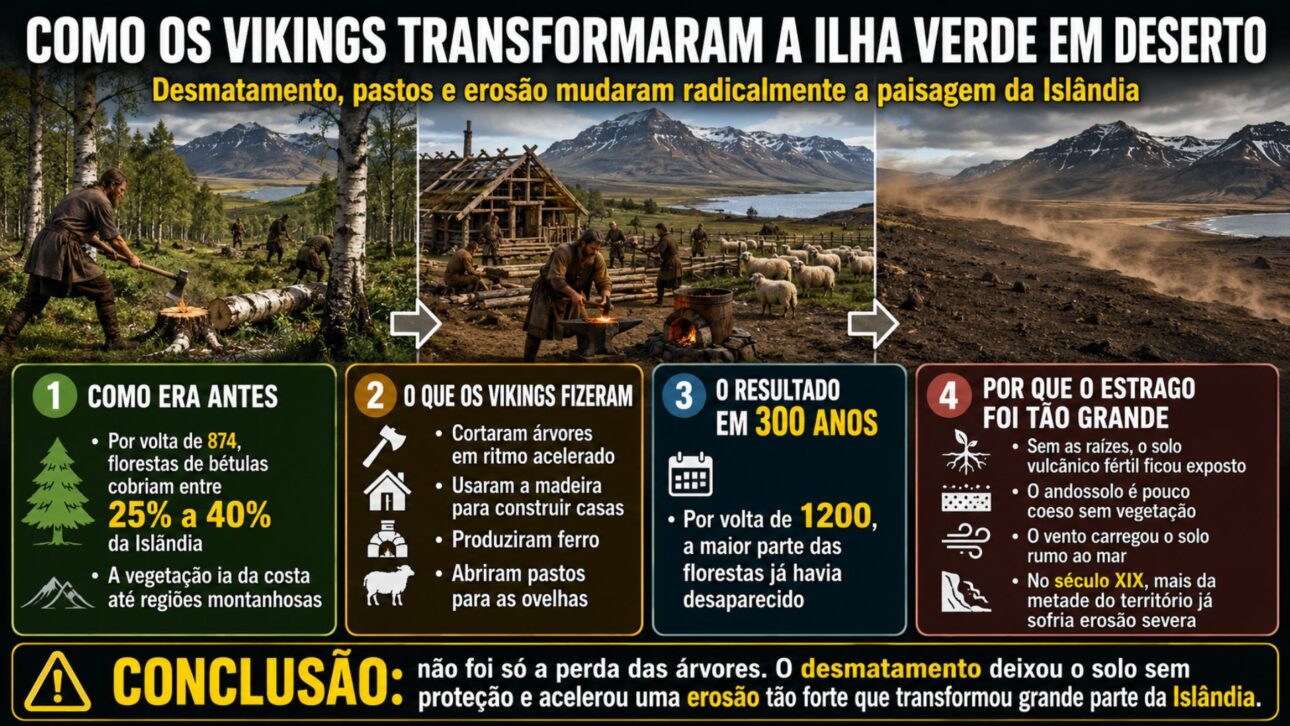
When the Vikings landed around 874, the landscape was very different from today. It is estimated that birch forests then covered between 25% and 40% of Iceland, stretching from the coast to the mountainous regions. To survive the harsh North Atlantic winters, the settlers began cutting trees at an accelerated pace, using the wood to build houses, produce iron, and clear pastures for sheep. In about 300 years, by around 1200, most of these forests had disappeared.
-
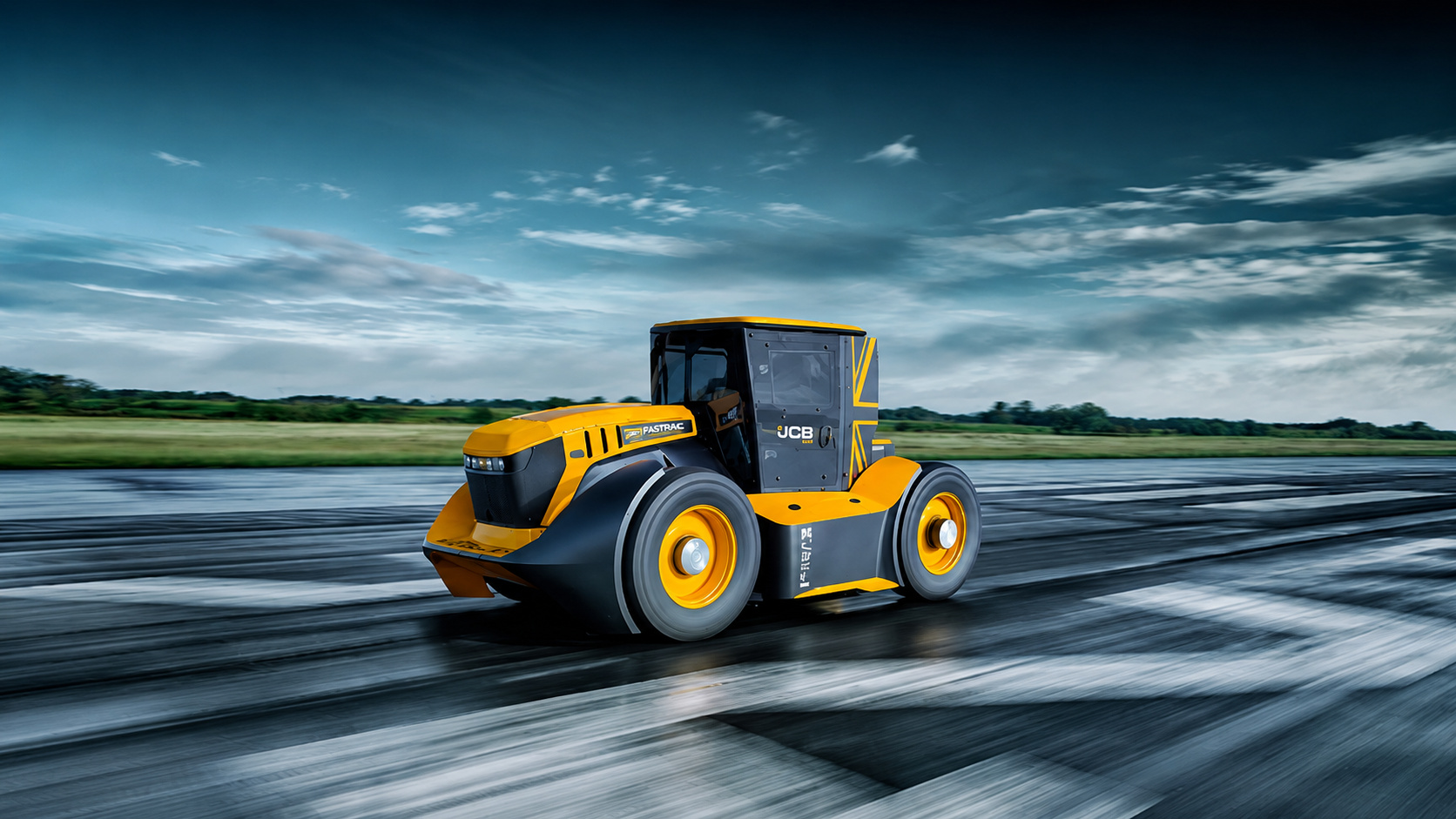
World’s Fastest Tractor, the JCB Fastrac Two, Hits Nearly 247.5 km/h with Over 1,000 Horsepower

-
At 86, mountaineer Carlos Soria becomes the oldest person ever to summit an 8,000-meter peak, reaching the top of Manaslu in Nepal.

-
Brazil Secures Spot in International Mathematical Olympiad as Students Excel in One of the World’s Most Competitive Selections, Highlighting Growth in STEM Education Among Young Talents
-
June 2026 Heatwave in France Depletes “Blanc de Meudon” as Residents Use Chalk Powder to Cool Homes by 3 to 7°C Without Air Conditioning


The problem is that deforestation did not stop with the loss of trees. Without roots to hold the ground, the fertile volcanic soil, called andosol, which took millennia to form, was exposed. Being poorly cohesive without vegetation, it is now one of the most vulnerable to erosion in the world. Instead of wearing away slowly, the soil was literally carried by the wind towards the sea, and by the 19th century, more than half of the territory was already suffering from severe erosion.
The Sandstorm of 1882 That Changed Everything
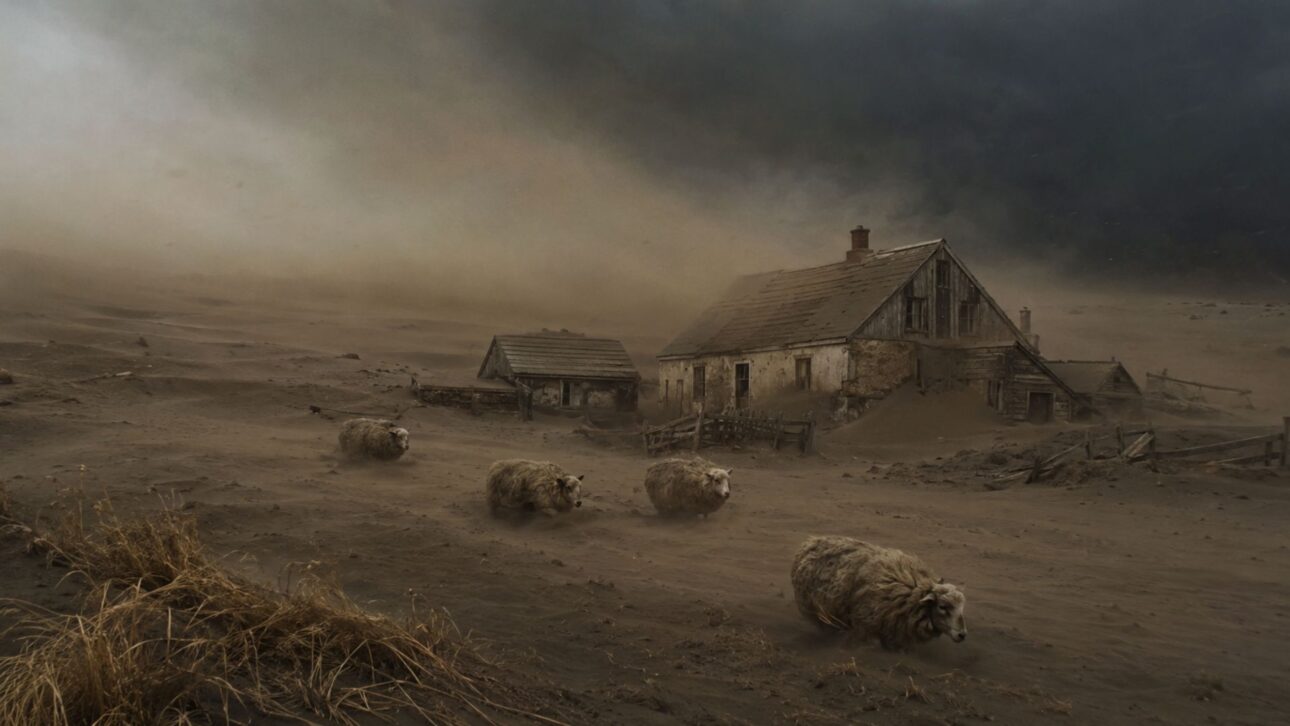
The turning point came with a catastrophe. In 1882, east of Reykjavík, a sandstorm lasted almost two weeks and buried Gunnarsholt, one of the oldest farms in Iceland, about 100 km from the capital. The force of the wind ripped plants from the soil, killed hundreds of sheep, whose wool was filled with sand, and filled a nearby lake with earth. When it was all over, farmers even found fish on the dry ground where there used to be water.
It was after this disaster that the effort to plant trees and contain erosion began more than 140 years ago. Even so, the results seemed small: forest cover increased from about 1% at the beginning of the 20th century to only about 2% today, an advance of only 1.5% in over a hundred years. According to the Icelandic forestry service, at this rate, it would take the country another 150 years just to reach 5% forest cover.
Why Planting Trees Wasn’t Enough: The Secret Lies in the Soil
For a long time, reforestation projects missed the mark. It was believed that simply distributing seedlings was enough for the forests to return on their own. However, the land was no longer the same as what the Vikings had cleared a thousand years before. Centuries of erosion had removed almost all the fertile layer, leaving only compacted mineral soil, volcanic rock, and sand, where small birches could not take root or survive the winter.
In response, Iceland’s soil conservation service developed a two-step method, unprecedented on that scale. First came stabilization: in the most devastated areas, a resilient grass was planted, capable of growing even in volcanic sand and holding the ground, while fences kept sheep out. Then, it was necessary to wait years, sometimes decades, for the soil to accumulate enough organic matter and life. Only then did the planted trees have a chance to thrive.
The Trees That Survive the Cold and the Return of Life
The second innovation was choosing the right species. After 23 years of testing in areas battered by wind and frost, the forestry service found that the most resilient trees came from regions with similar climates, such as the Siberian larch, lodgepole pine, and black poplar, which survived where European species perished. Today, about a third of the 3 million seedlings planted each year are native birches, and the rest are foreign species used to stabilize the soil while it recovers.
The effects surprised even the scientists. According to the monitoring of the new forests, carbon absorption jumped from about 65 thousand tons of CO2 per year in 1995 to nearly 127 thousand tons years later.
In the oldest forest in the country, Hallormsstaðaskógur, in the east of the island, protected in 1905, larches and birches already reach 20 meters in height. With the planted trees, animals also returned: small forest birds began to appear and nest in an Iceland that, in some cases, never even had names for them.
The invasive lupine and the sheep: the dilemmas that continue


Not everything, however, went as planned. In 1945, to accelerate soil recovery, Alaskan lupine was introduced, a plant capable of fixing nitrogen and growing in poor soils. It worked too quickly: today it covers about 314 km² of Iceland and is officially considered an invasive species, as it does not distinguish between degraded areas and fragile ecosystems.
Scientific models indicate that about 13% of the territory has ideal conditions for the plant, an area that could more than double by the end of the century, threatening the native vegetation of the highlands.
The other long-standing challenge is the sheep. Brought by the Vikings in the 9th century, they roam freely in the highlands every summer, and an old law assigns the responsibility of fencing the areas to the landowner, not the farmer.
Therefore, almost all modern reforestation happens within fences, because outside, the same forces that destroyed the original forests continue to act. Despite everything, the Icelandic government now aims for a much bolder goal: to increase forest cover to at least 10% of the territory.
More than a century of planted trees to reverse Viking deforestation and erosion shows that recovering a forest can take generations.
Tell us in the comments if you think it’s worth insisting on this type of project, even with such slow results.