





 Portuguese
  English
  Spanish
  4 min of reading
  0 comments


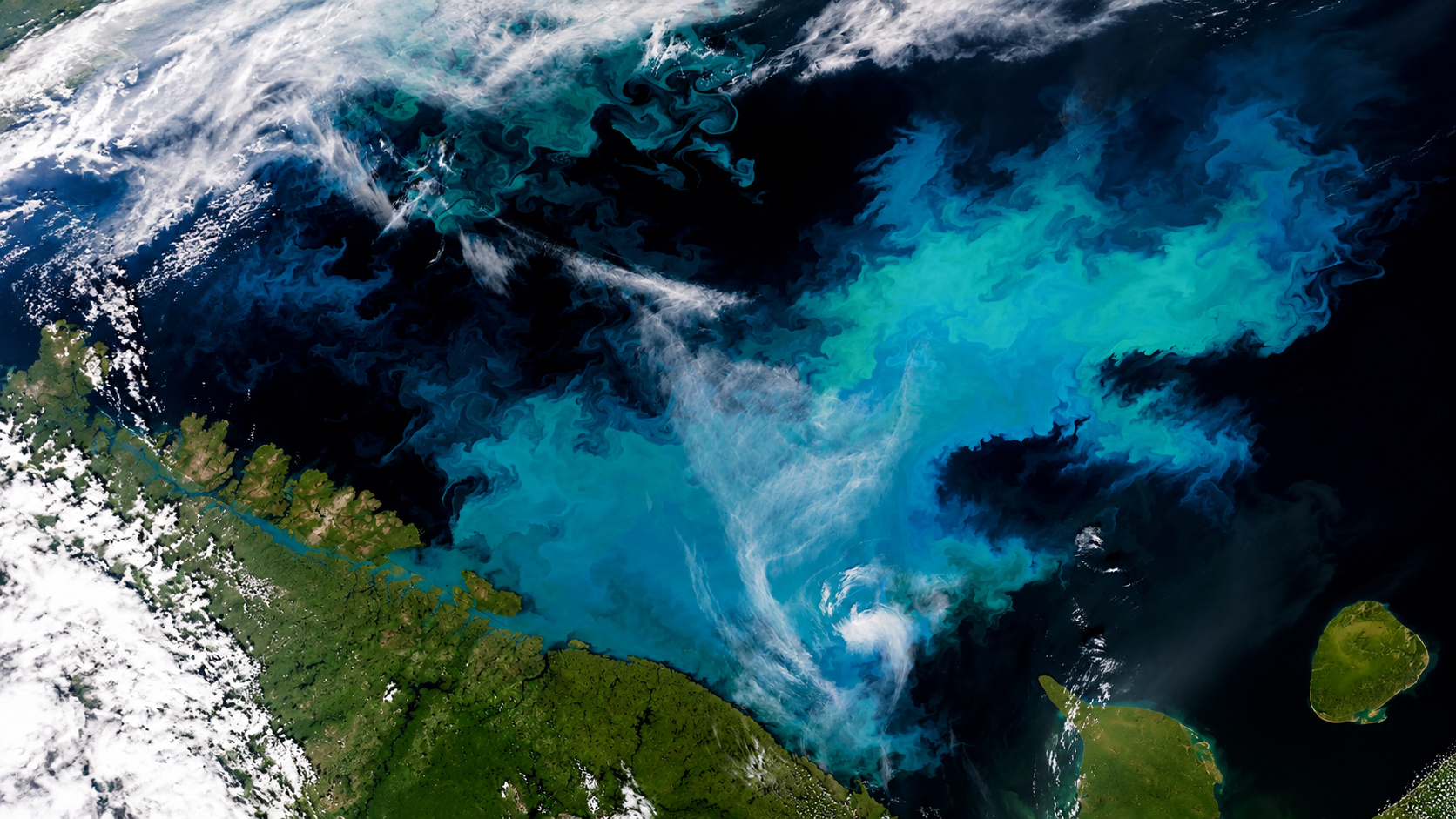
Satellite Sentinel-3 recorded a phytoplankton bloom of more than 200,000 km² in the Barents Sea, above Scandinavia.
An image captured on August 3, 2023 by one of the Copernicus Sentinel-3 satellites revealed a huge green and bluish patch in the Barents Sea, north of the Scandinavian Peninsula. According to the European Copernicus program, the phenomenon covered more than 200,000 km², an area larger than countries like Uruguay, Syria, or Cambodia. At first glance, the coloration might seem like pollution, oil, or some chemical discharge in the ocean. But what the sensors recorded was a large phytoplankton bloom, formed by microscopic plant-like organisms that float in the seas and sustain much of the marine food chain.
The giant patch appeared in the high northern Europe as if the ocean had been painted green
The Barents Sea is located between the north of Norway, Russia, and the Arctic Ocean. It is a cold, strategic, and biologically active region where Atlantic and Arctic water masses meet.
In summer, prolonged sunlight, surface warming, and water stratification create favorable conditions for explosive phytoplankton growth. Copernicus had already recorded similar blooms in the region in other years, especially between July and August.
-
Diamond spat from the Earth’s depths carries a drop of water trapped 660 kilometers deep and shatters the old theory that this mantle boundary would be a dry and insurmountable frontier within the Earth.

-
With a weight of 70 tons and the power to move an Airbus A380 of up to 600 tons, an airport tractor pushes giant planes backward with centimeter precision even before they start their engines.

-
They forget to tell you that the same molten rock that can hold a tremor also works like slippery oil capable of turning a dormant fault into a catastrophe of devastating magnitude.
-
Philippines experience hours of tension after a 7.8 magnitude earthquake causes deaths, spreads tsunami warnings across Asia, and triggers a major rescue mobilization in the south of the country.




The case in August 2023 drew attention due to its scale. An area of more than 200,000 km² means a biological patch larger than many entire countries, visible from space and extensive enough to alter the ocean’s appearance in satellite images.
The phenomenon was not dirt, but microscopic life on a continental scale
Phytoplankton is composed of microscopic organisms that perform photosynthesis. They use sunlight, carbon dioxide, and nutrients dissolved in the water to grow.
Despite their size being invisible to the naked eye, these organisms have a planetary impact. They form the base of the marine food chain, feeding everything from small crustaceans to fish and, indirectly, large ocean animals.


Copernicus describes these blooms as essential phenomena for the marine nutrient cycle and ocean productivity. In 2025, the program itself again recorded turquoise and milky-blue swirls in the Barents Sea, explaining that they are caused by large concentrations of phytoplankton.
Why the Barents Sea favors such large blooms
The summer in the Arctic and subarctic regions creates a powerful combination for phytoplankton. With more sunlight, warmer surface layers, and separation between waters of different temperatures and salinities, the organisms can remain in illuminated zones for longer. This stratification favors the growth of blooms.
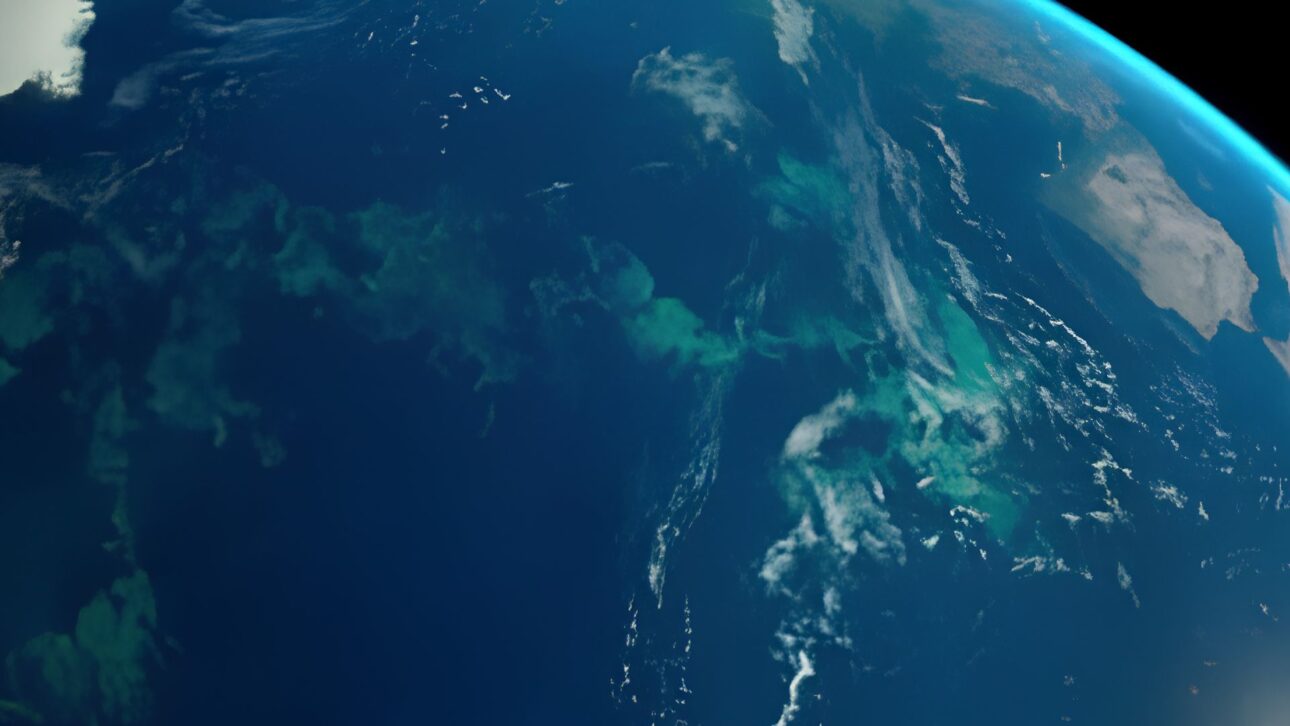
The Barents Sea is also linked to the transport of heat from the Atlantic towards the Arctic. Copernicus notes that the region participates in the process of heat dissipation from surface waters and that climate changes may alter this balance, amplifying the process known as the “Atlantification” of the Arctic.
This makes the region especially important for scientists monitoring climate, marine productivity, and changes in polar ecosystems.
Satellites can see organisms that the human eye would never see from space
The scale of the phenomenon is only understood thanks to satellites. Sentinel-3, part of the European Union’s Copernicus program, monitors ocean color, sea surface temperature, ice, vegetation, and other environmental parameters.
In the case of blooms, the sensors detect variations in water color associated with the presence of pigments like chlorophyll.
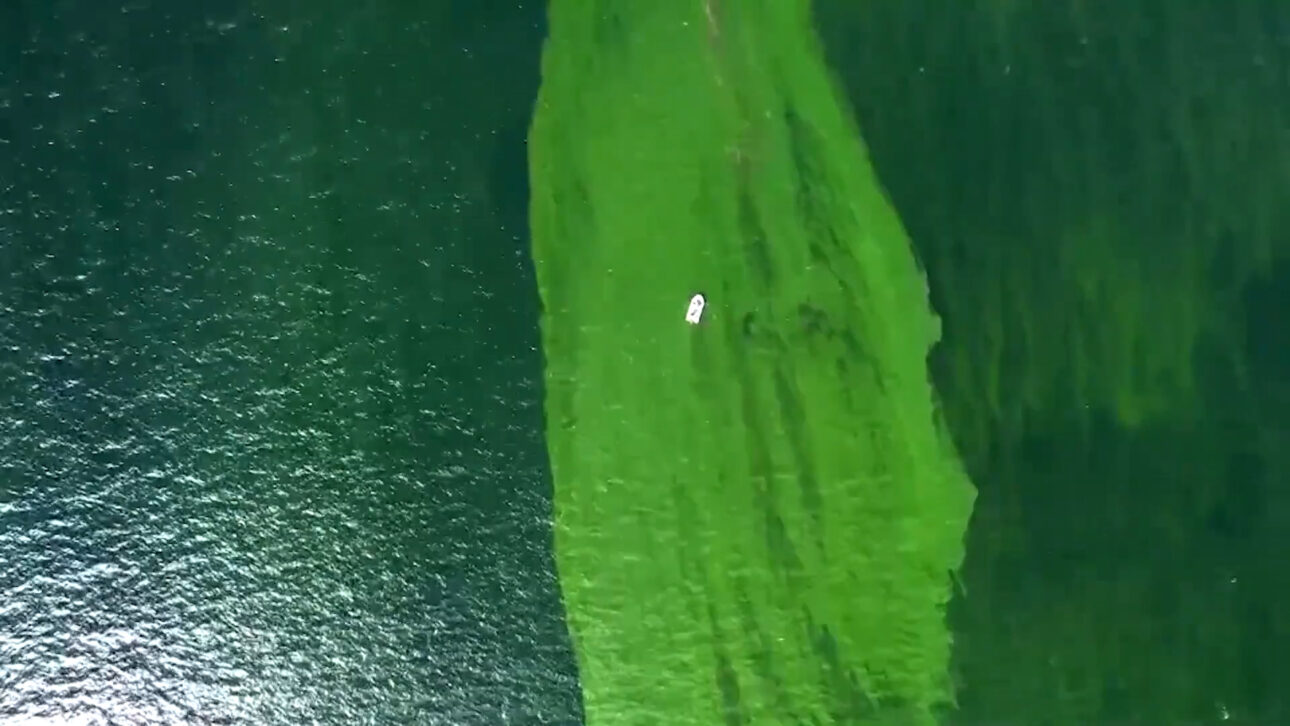
Without this type of observation, a 200,000 km² patch could go unnoticed in its real dimension. Ships and planes would only see isolated sections. The satellite shows the complete picture, revealing the continental scale of the process.
An explosion of life that can also serve as a climate indicator
Phytoplankton blooms are not automatically bad. In many cases, they are a natural and fundamental part of marine ecosystems.
The problem arises when changes in temperature, ocean circulation, nutrients, or climate alter the frequency, location, intensity, or composition of these blooms. Some species can be harmful, while others sustain entire food chains.

In the Barents Sea, scientific interest is even greater because the region is at the frontier between the Atlantic and the Arctic. Changes there can indicate broader transformations in the polar ocean, in fish stocks, in carbon absorption, and in the climate dynamics of the northern hemisphere.
The ocean looked stained, but revealed an invisible gear of marine life
The image captured by Sentinel-3 is impressive precisely because of the contrast. What looks like a strange stain in the icy sea is actually an explosion of microscopic organisms sustaining part of ocean life.
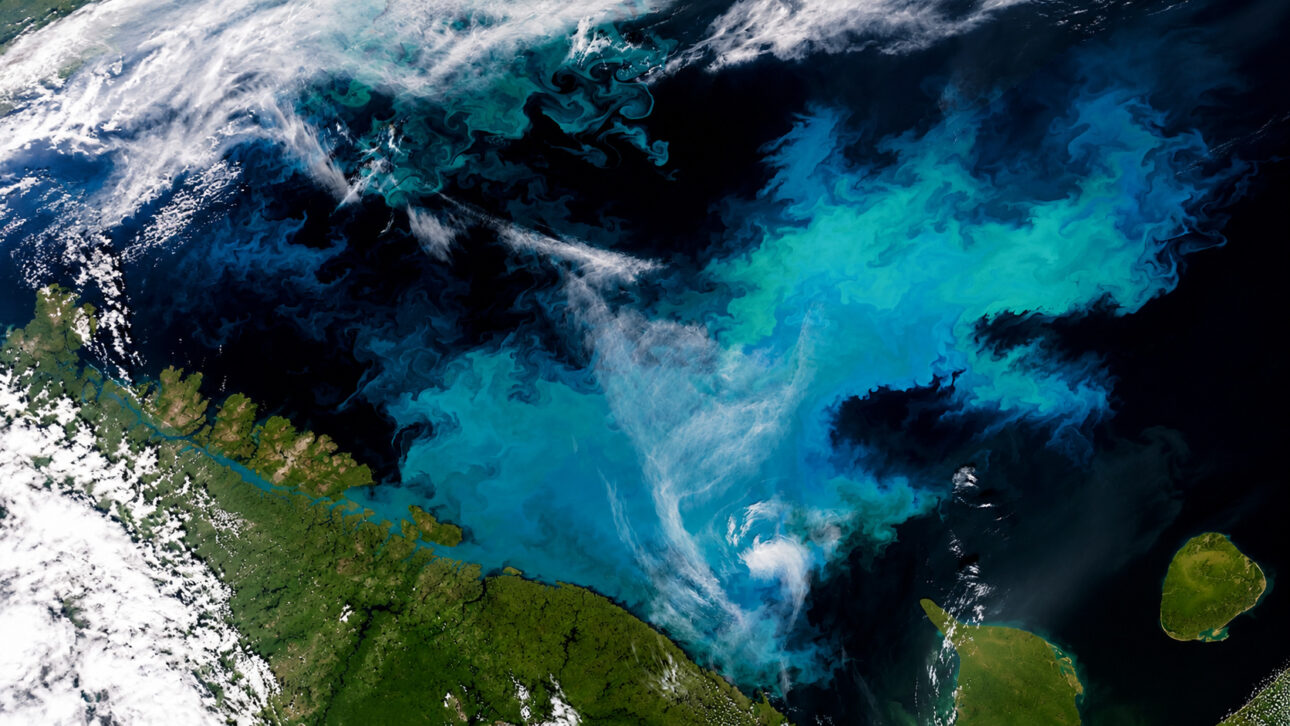
In an area larger than 200 thousand km², the phytoplankton tinted the Barents Sea and showed how invisible processes can reach a continental scale.
The phenomenon also reinforces the importance of satellite monitoring, capable of transforming colorful swirls in the ocean into scientific data about climate, carbon, nutrients, and biodiversity.
In the end, the “green stain” above Scandinavia was not oil, paint, or pollution. It was one of the planet’s most discreet and powerful forms of life appearing, suddenly, in a size large enough to be seen from space.


Be the first to react!