Portuguese
  Spanish


Installed on the coast of Paraná, concrete blocks molded to imitate natural habitats helped to deter trawling, form artificial reefs, protect 15 thousand hectares, and promote marine biodiversity. After 25 years, a scientific expedition found groupers, schools of fish, encrusted organisms, and a sandy bottom transformed into a monitored submerged ecological corridor.
The concrete blocks installed on the coast of Paraná 25 years ago have ceased to be merely artificial structures on the seabed and have begun to function as a base for reefs, a shelter for species, and a barrier against trawling. The initiative was born from studies started in 1997 and took shape with structures launched into the sea from 2001.
According to the Rebimar Project/Associação MarBrasil, in institutional material about the 25 years of submerged transformation, with no visible publication date in the sent text, a scientific diving expedition revisited the area to compare the current scenario with the degraded environment left by industrial trawling.
Concrete blocks were designed to imitate natural habitats
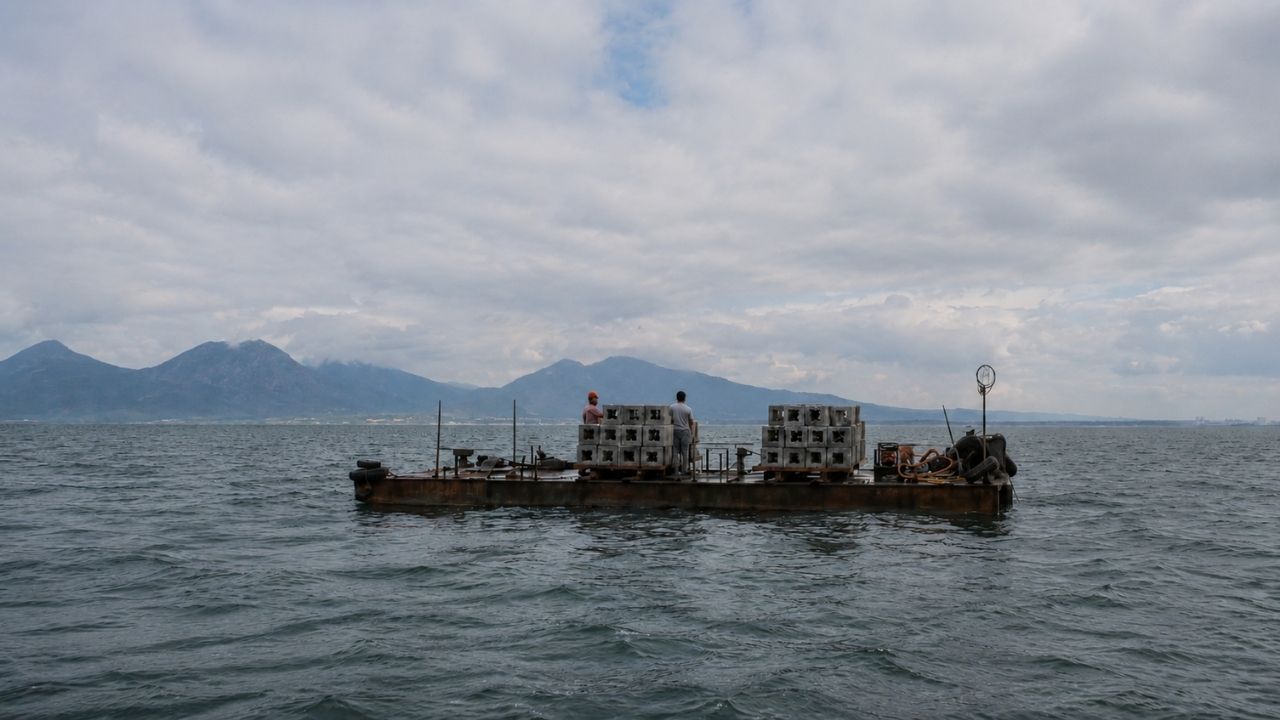
The proposal was not to throw just any material into the sea. The concrete blocks were designed to increase the surface for encrustation, create crevices, and offer shelter for marine organisms. Each unit had an internal shape similar to a clover, increasing the complexity of the artificial habitat.
-
A nearly 70-year-old Chinese inventor has registered 90 patents and created a device that stores water in the roots, helping seedlings survive drought while trying to transform the arid slopes of the Loess Plateau into green areas without relying on heavy irrigation.

-
Researchers want to change the way of producing rare earth magnets, reducing purification steps and making better use of the elements found in Swedish deposits.
-
5.5 tons pulled from the seabed: a ‘living carpet’ of invasive coral was suffocating the Baía de Todos-os-Santos until the Brazilian Navy descended with divers, steel brushes, and acid salt to carry out the largest eradication operation of the species ever conducted in the country.

-
Micron invested $9.3 billion in a factory in Hiroshima to produce the memory that powers the brain of global artificial intelligence.

The engineering of the reef was decisive for the concrete to become a support for life. The material received pH correction to approximate seawater, favoring colonization by bacterial microfilms, sponges, oysters, corals, and other species associated with the seabed.
Paraná Coastline Had Sandy Bottom and Fishing Conflict
The choice of the area considered environmental and social characteristics. The Paraná coastline had a predominantly sandy bottom, few islands, and little rocky substrate, which reduced the presence of natural shelters for fish, crustaceans, and invertebrates.
At the same time, there was a conflict between artisanal and industrial fishing. According to researchers, trawlers from other states passed very close to the coast. The concrete blocks helped create a physical barrier against trawling, reducing pressure on the seabed.
RAM Project Gave Rise to Parque dos Meros
After studies, scientific validations, and environmental licenses, about two thousand concrete structures and two grain barges were sunk in 2001. The RAM Project was born, the basis of the area now known as Parque dos Meros, between the Currais Archipelago and the Itacolomis Islands.
The name reflects one of the most visible signs of local recovery. The region began to record gatherings of groupers, a threatened fish that can reach three meters and weigh up to 400 kilograms. The presence of these animals reinforces the function of the concrete blocks as shelters in an area previously pressured by trawling.
Rebimar Expanded the Structure with 3,500 More Blocks
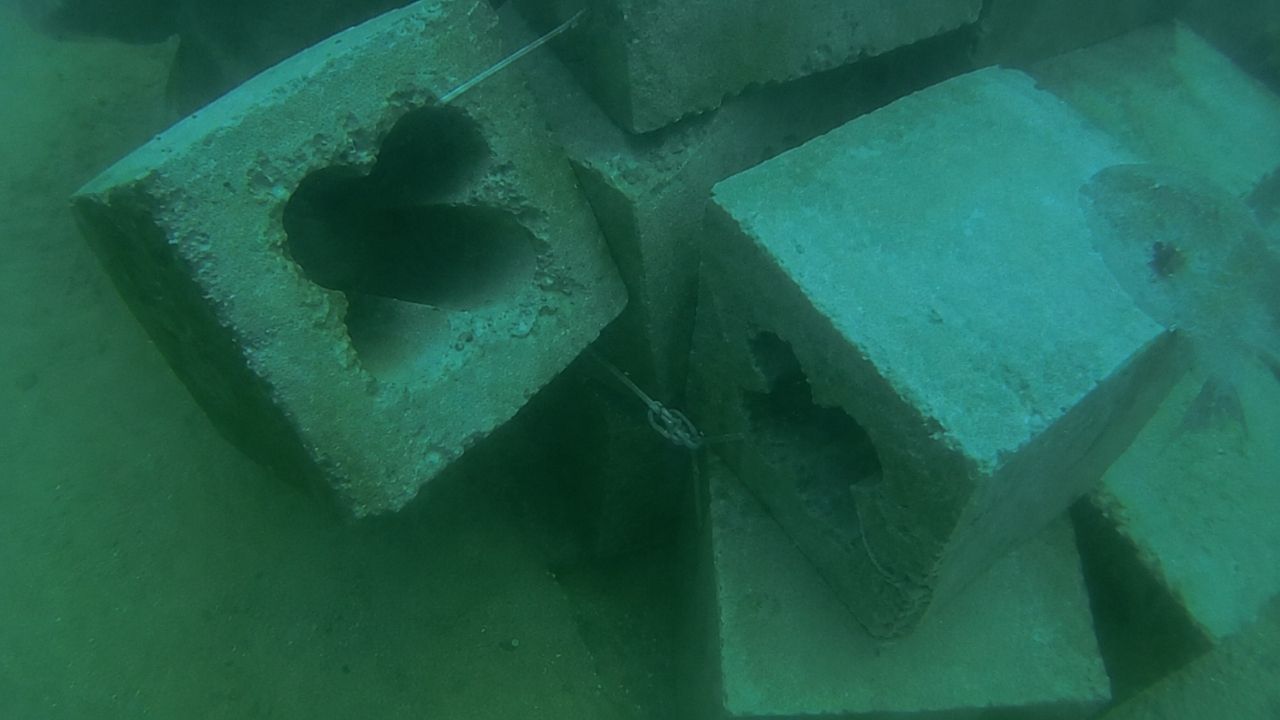
In 2004, Ariel Scheffer and Frederico Brandini founded the MarBrasil Association, ensuring continuity of the work started in Paraná. Later, between 2010 and 2012, the Marine Biodiversity Recovery Program, Rebimar, installed 3,500 more concrete blocks.
This new phase involved the participation of the local community, especially artisanal fishermen, who helped choose the installation points through public consultation. They also received GPS training, strengthening safe navigation and coastal management.
Ecological Corridor Protects 15 Thousand Hectares
The result was the formation of a marine ecological corridor with 12 kilometers of extension and over 15 thousand hectares protected against impactful activities. The area expanded habitats and favored everything from benthic organisms to large fish and invertebrates.
The concrete blocks helped transform a degraded sandy seabed into a more complex submerged landscape. According to the project, the structure also protects fish larvae and non-commercial species that were previously caught and discarded by large nets.
Gray concrete turned into a surface teeming with life
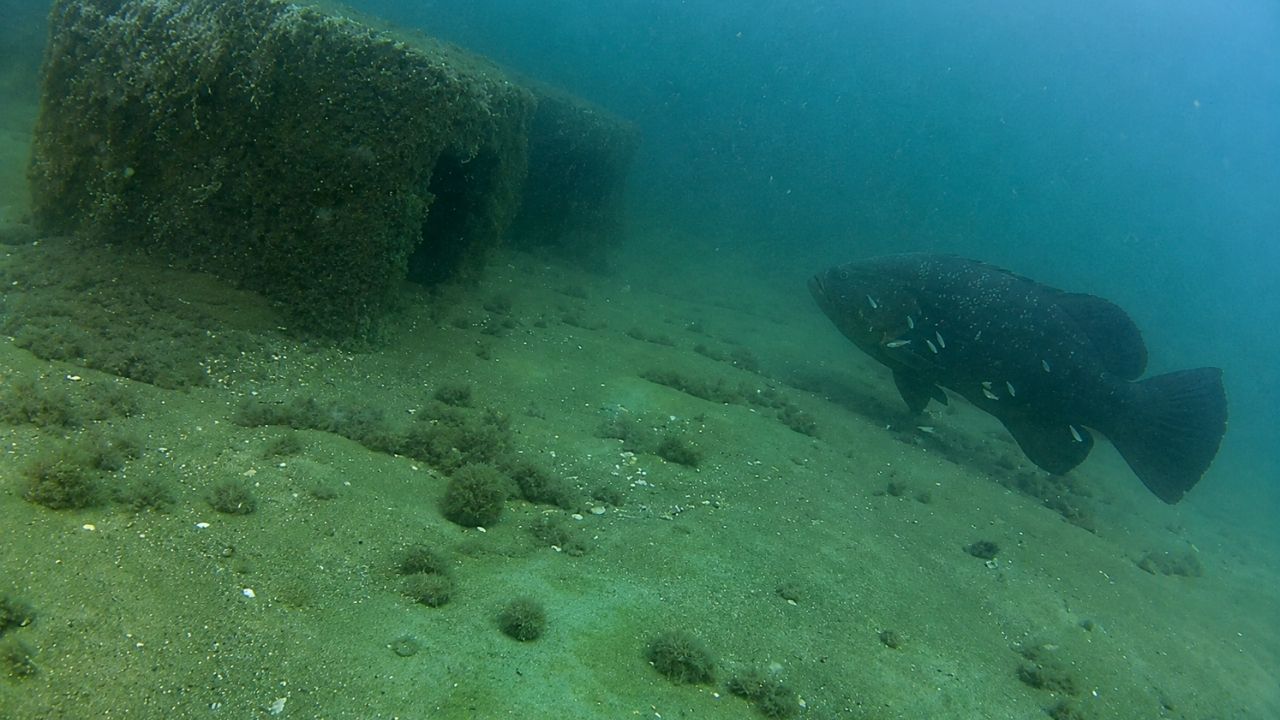
During the scientific expedition, researchers reported that the structures remain intact and colonized by colorful benthic communities. What was once gray concrete now gathers encrusted organisms, schools of fish, and species associated with reef environments.
Ariel Scheffer stated that the consolidated benthos, his area of research, were “wonderful,” with various species encrusted on the structures. The transformation shows how the correct design of concrete blocks can accelerate the formation of habitats in areas with little natural substrate.
Project became a legal reference for artificial reefs
The case of Paraná also had institutional importance. According to the Rebimar Project, this was the first Brazilian initiative of artificial reefs with a license from Ibama and the Ministry of the Environment, resulting from four years of studies and two years of post-installation environmental monitoring.
This point differentiates planned conservation from ocean dumping. Concrete blocks only make environmental sense when they undergo technical analysis, appropriate site selection, licensing, monitoring, and dialogue with fishing communities, especially when the goal is to recover biodiversity and manage coastal use.
What this submerged transformation brings to debate


Twenty-five years later, the concrete blocks on the coast of Paraná show how a planned intervention can change the underwater landscape. The concrete became a shelter, schools of fish returned to circulate, giant groupers began to appear, and an area of 15,000 hectares gained the function of an ecological corridor.
Do you believe that planned and licensed concrete blocks can help recover degraded areas of the sea, or should this type of project only advance with rigorous monitoring and many years of research? Leave your opinion in the comments and join the discussion.