Portuguese
  Spanish


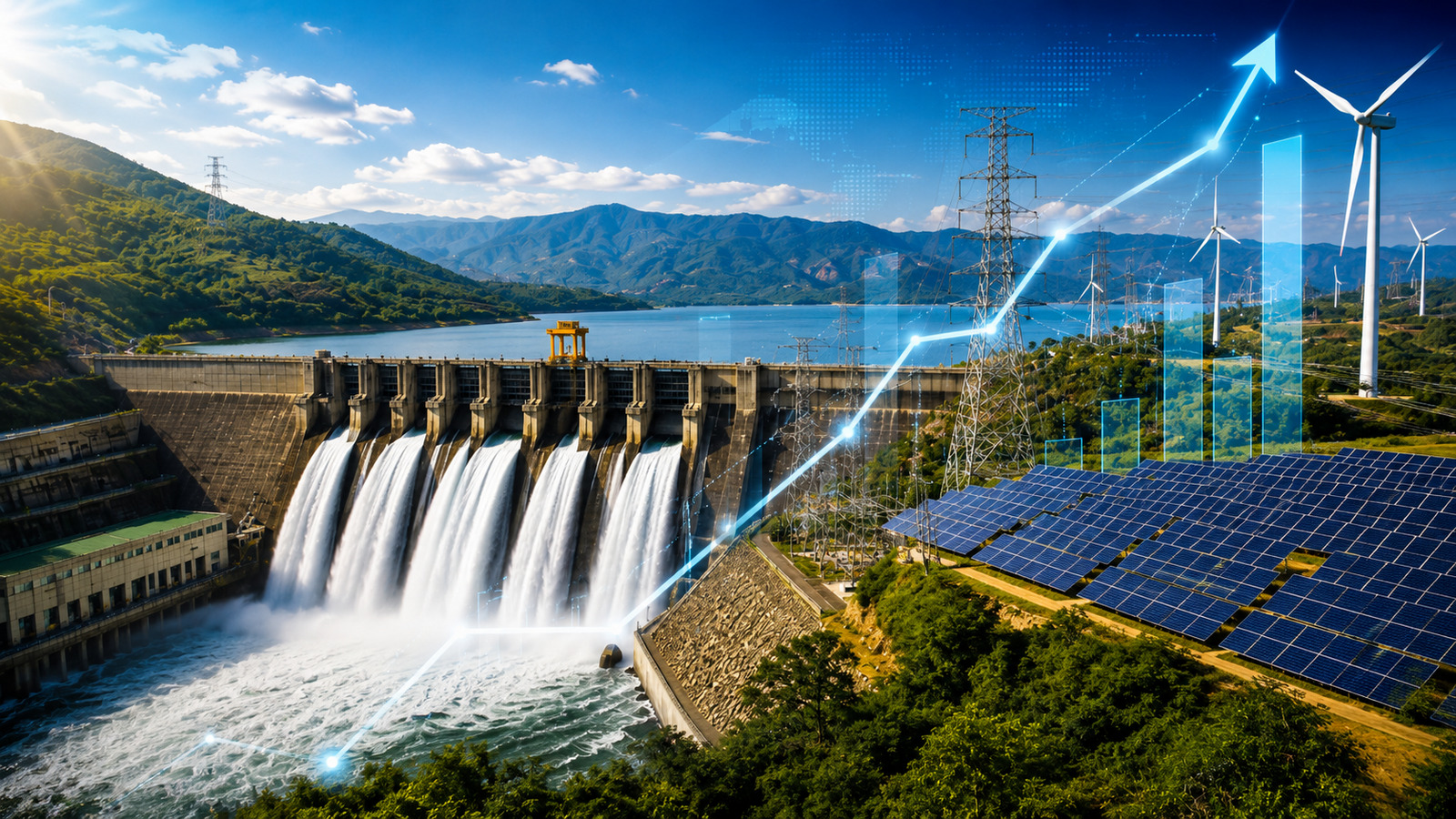

Ethiopia expands electricity capacity to almost 9,800 MW, reinforces renewable matrix with hydroelectric, wind, and solar power, increases population’s access to electricity, and seeks to establish itself as a regional energy hub in Africa
Ethiopia, a BRICS country, has more than doubled its electricity capacity in seven years, reaching almost 9,800 MW, with renewable energy at the core of a strategy that expands access, strengthens the economy, and elevates the country in Africa.
Installed capacity almost reaches 9,800 MW
Installed capacity increased from approximately 4,400 megawatts to almost 9,800 MW. This leap placed Ethiopia among the largest clean energy hubs on the African continent.
The progress was announced by Ethiopian authorities and accompanies the expansion of energy infrastructure. The expansion involves hydroelectric, wind, solar, and geothermal projects, maintaining the electricity matrix based on renewable sources.
-
Fired during apartheid and with a little borrowed money, an electrician started with a borrowed truck and transformed electrical services into a group connected to energy, real estate, and infrastructure in South Africa.

-
Wood has ceased to be just a construction material in Yale research and has become insulation for electrical transformers that face intense heat, aging, and increasing pressure from the renewable energy-powered grid.
-
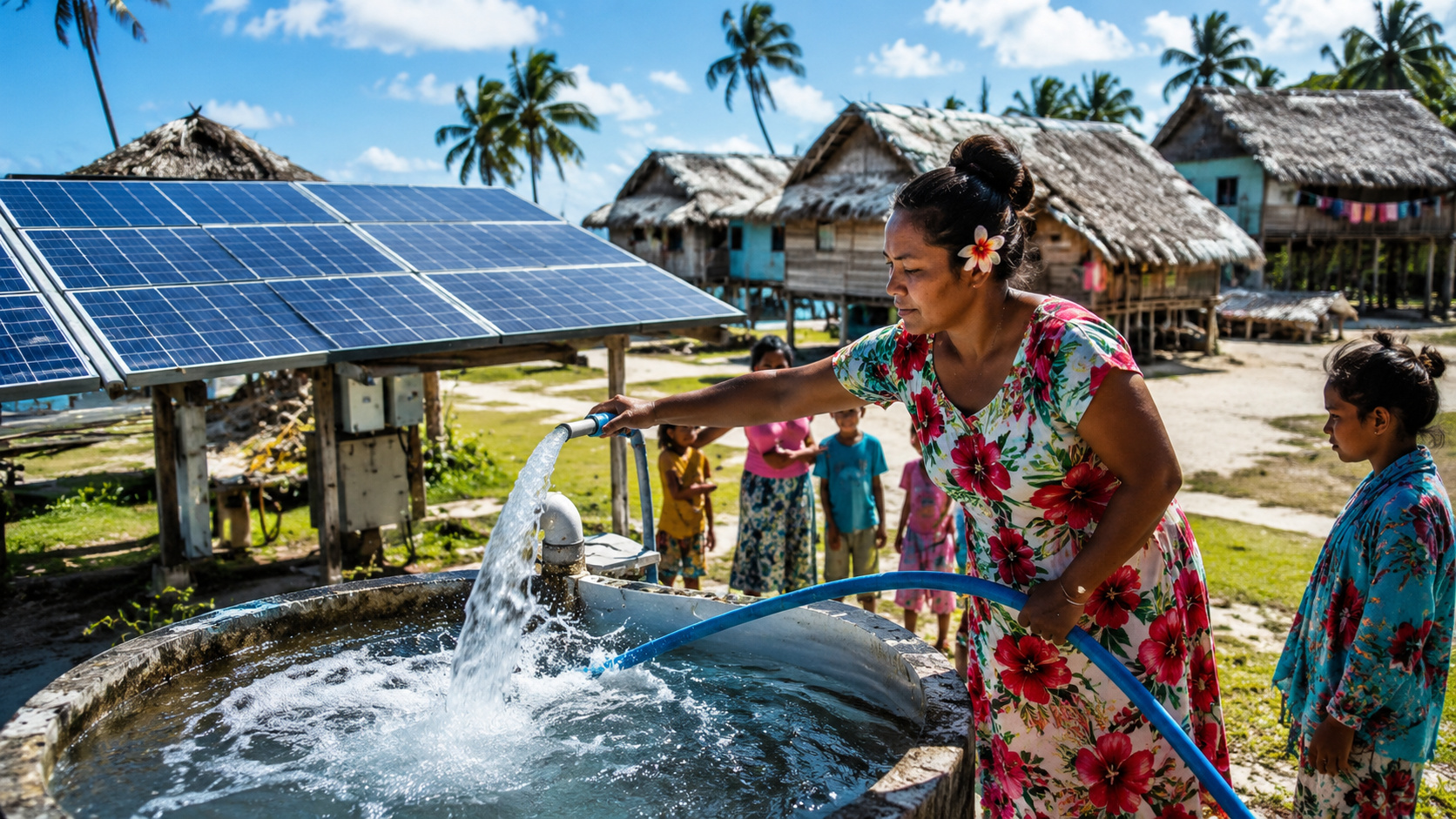
More than 1,000 residents of a remote island in Kiribati now have clean water and electricity with solar systems operated by the community itself.
-
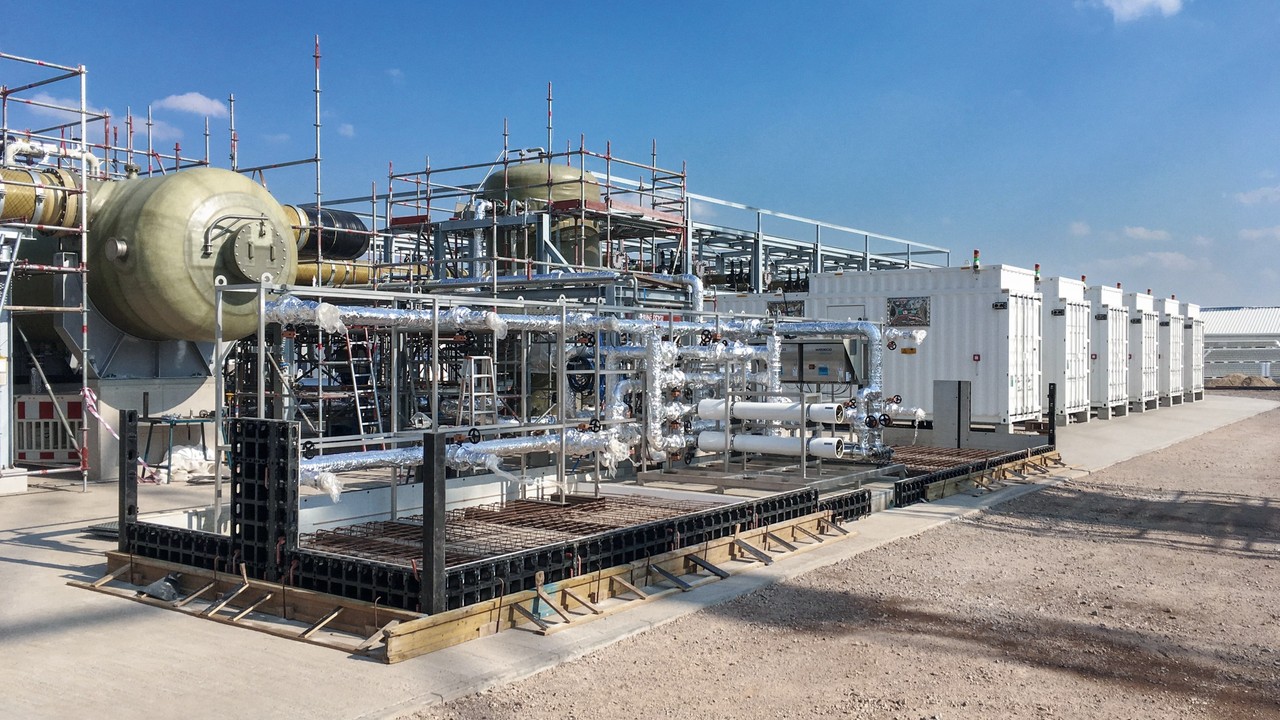
Ceará brings together 7 giants and R$ 66 billion to transform Pecém into the largest green hydrogen hub in Brazil, with final decisions expected by the end of 2026.

Access to electricity also grows
In addition to the increase in generation, the population’s access to electricity rose from 44% to approximately 54%. This growth shows that the expansion of supply is accompanied by greater service reach.
Renewable energy appears as the central axis of this change. Hydropower continues to predominate, while wind and solar sources gain increasing participation in Ethiopia’s electricity mix.
Africa’s largest hydroelectric plant drives progress
Much of the growth is linked to the inauguration of hydroelectric projects. Among them is the plant already considered the largest in Africa, which reinforces the weight of hydropower in the national strategy.
This commitment consolidates Ethiopia as one of the most active African countries in expanding clean sources. The country seeks to transform its generation into a basis for growth, industrialization, and regional integration.
Government wants to make the country a regional energy hub
This move is part of a strategy by the Ethiopian government to position the country as a regional energy hub.
In addition to supplying the domestic market, Ethiopia seeks to expand electricity exports to neighboring East African nations.
This direction strengthens Ethiopia’s economic position within the continent. Electricity generation is now treated as an instrument of integration, expanding the country’s influence in the region.
BRICS expands international projection
The energy expansion occurs at a time of greater international projection. Ethiopia recently joined BRICS and has been increasing its presence in debates on sustainable development, infrastructure, and global economic cooperation.
In a scenario pressured by the energy transition, the focus on renewable energy reinforces the country’s strategic importance.
While many economies still depend on fossil fuels, Ethiopia invests in its hydropower and renewable potential.
With information from Fórum.