Portuguese
  Spanish


From Low-Cost University Projects To Billion-Dollar Investments By Energy Giants, Brazil Turns Waste Into A Powerful Source Of Clean Fuel, Paving The Way For A Sustainable Future.
Brazil is transforming waste into clean fuel through a series of real innovations. While the idea of a backyard inventor achieving global success is inspiring, the true energy revolution in the country happens collaboratively. Projects ranging from universities to industry giants illustrate how the Brazilian creative spirit is practically building a more sustainable future.
The Power Of Popular And Academic Innovation In Creating Clean Fuel
The idea of a lone genius revolutionizing the world is deeply appealing. It reflects a social desire for accessible solutions to environmental challenges. In Brazil, this innovative spirit flourishes in academic settings, where creativity meets scientific rigor.
A notable example comes from the Federal University of Alagoas (UFAL). There, three engineering students developed a low-cost biodigester. The inspiration arose from observing a waste treatment system. The prototype, built with a 20-liter water jug, cost only R$ 140. The invention, awarded for its simplicity, aims to treat waste from the university cafeteria and has the potential to be used in farmers’ markets, restaurants, and small rural properties, generating clean fuel and biofertilizer.
-
App Drivers Unite in Major Solidarity Effort to Aid Venezuela Earthquake Victims, Mobilizing the Brazilian Amazon with Donation Campaign

-
Green Roofs on Homes Gain Popularity for Reducing Heat, Noise, and Rain Impact in Brazil
-
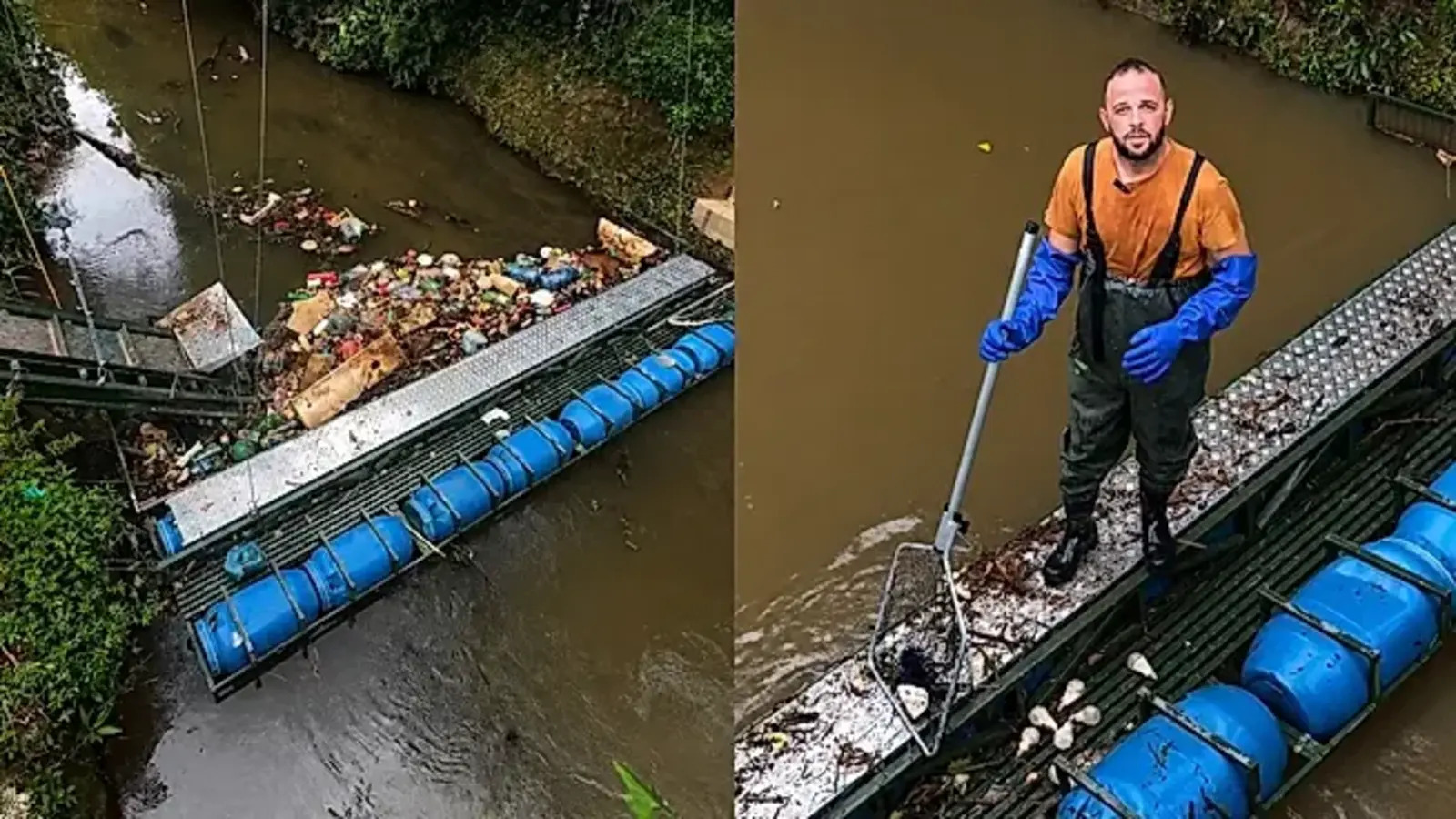
Brazilian promises his children to save a river, creates an eco-barrier in his backyard, has already removed more than 40 tons of trash from the water, and even inspires the idea in other states of the country.

-
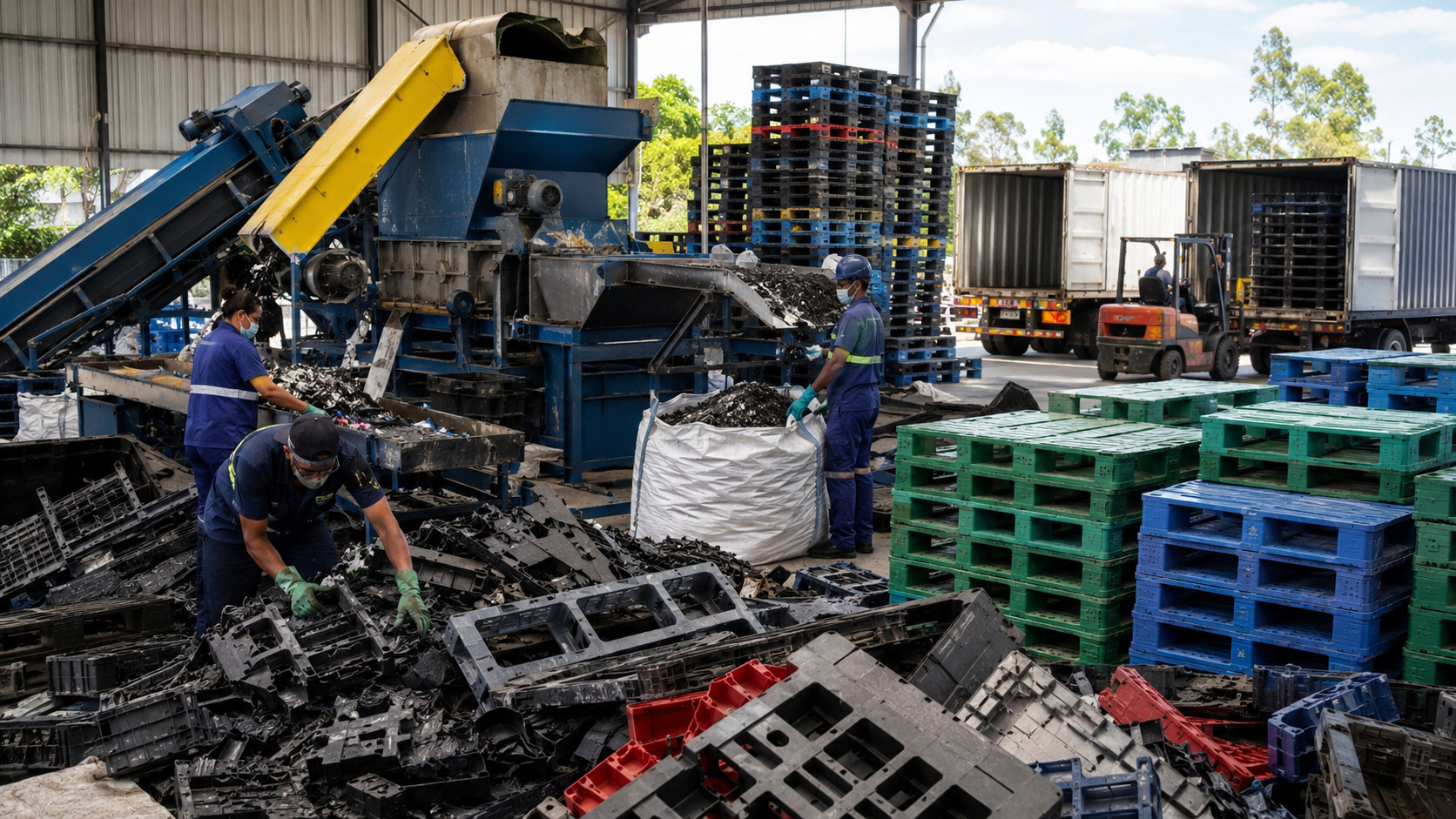
How a Brazilian company created a system that transforms broken pallets of any brand into new assets, recycles 80 tons of plastic per month, and found a profitable solution to a problem that challenges industries across the country.


Innovation at UFAL didn’t stop there. The university obtained a patent for an integrated biosystem to generate methane gas and biofertilizer. Developed from a master’s thesis, the system uses accessible materials such as PVC boxes and concrete pipes. Its low operational cost makes it ideal for small properties and agro-industries, promoting energy self-sufficiency and improving quality of life in rural areas.
How Waste Becomes Clean Fuel On A Large Scale
While academic ingenuity plants the seeds of change, it is large companies that scale these technologies. They transform waste into significant amounts of energy, integrating clean fuel into the national energy matrix.
GNR Fortaleza, a partnership between Marquise Ambiental and MDC Energia, is a prominent example. The plant processes biogas from the Caucaia Landfill in Ceará and purifies it to produce biomethane. Its most notable achievement was becoming the first in Brazil to inject biomethane directly into a gas company’s network, Cegás, with unprecedented authorization from ANP. With a capacity to produce 100,000 m³ per day, biomethane from GNR Fortaleza already accounts for 15% of the gas distributed by Cegás.
The Power Of Agriculture In The Production Of Renewable Gas
Another giant driving the clean fuel sector is Raízen. The company invested around R$ 300 million in its second biogas plant, located in Bioparque Costa Pinto. The unit uses waste from ethanol and sugar production (vinasse and filter cakes) to generate renewable natural gas. The total production capacity, 26 million m³ per year, has already been sold under long-term contracts to two giants: Yara Brasil Fertilizantes and Volkswagen do Brasil. Volkswagen will become the first automaker in the country to use biomethane in its factories, reducing CO2 emissions by more than 90% compared to fossil gas.
Potential, Policies, And The Future Of Biomethane In Brazil
These projects are part of a strong sector development context. Projections from the International Energy Agency (IEA) indicate that Brazil could quadruple its biomethane production by 2027, becoming the fifth largest producer worldwide. The main sources of raw material are landfills and the sugar-energy sector.
Growth is supported by a strong regulatory framework. The New Gas Law (2021) allowed the interchange between natural gas and biomethane. The RenovaBio policy (2017) included biomethane in the generation of Decarbonization Credits (CBIOs), making it financially more attractive. Decrees such as Methane Zero also create incentives for the production of this clean fuel.
Despite the positive outlook, there are barriers. The lack of pipeline infrastructure in the interior and difficulties in financing smaller projects are challenges to be overcome. However, the potential of the sanitation and urban solid waste sector is immense, especially with the goal of eliminating dumpsites.