Portuguese
  Spanish


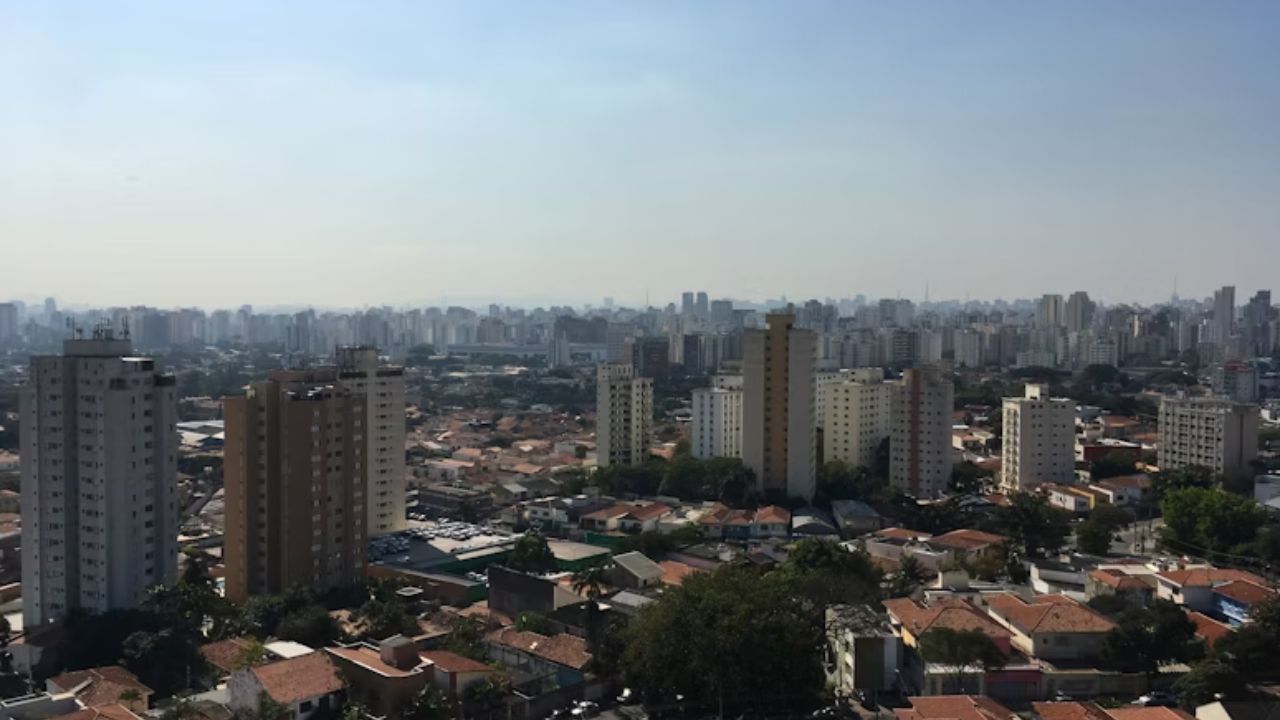

With a Fleet That Surpasses Metropolises Such as New York and Tokyo, the Paulista Capital Dominates the Skies with a Unique Combination of Need, Economic Power, and Robust Infrastructure.
In the heart of Brazil, a metropolis stands out not only for its size but also for its intense air traffic. São Paulo has established itself as the world capital of helicopters. This Brazilian city boasts the largest fleet of rotorcraft in the world, a reality driven by urban challenges and a strong corporate demand. Understand the factors that led to this title and how the city manages such a busy sky.
The Uncontested Leadership of the Brazilian City in the Skies
The assertion that São Paulo dominates helicopter air traffic is based on solid data. The Brazilian city not only leads but does so with an impressive margin, creating a unique scenario in the world.
The metropolitan region of São Paulo houses over 411 registered helicopters. This impressive number represents about 20% of the entire national fleet, which exceeds 2,000 aircraft. The concentration is a remarkable achievement, considering that the global fleet for civil and military purposes is estimated at over 50,000 units. This leadership places the Paulista metropolis ahead of other major global urban centers.
-
From Hotel Porter to CEO: Brazilian Entrepreneur Leads Travel Agency Serving Major Brands and Generating $270 Million in Revenue

-
From Selling Cleaning Products in Vans to Over 300 Franchises: Entrepreneur Targets $30 Million by Expanding into Professional Cleaning Services and Laundries

-
China Constructs 5.1 km Undersea Highway in Dalian Bay, Reducing Travel Time from 1 Hour to 5 Minutes
-
Massive Transporters Otto and Lore Move ALMA Radio Telescope in Chile’s Atacama Desert



The Intensity of Operations
The dominance is not only in the number of aircraft but in the frequency of their use. The skies of São Paulo are a true expressway. Approximately 2,200 takeoffs and landings occur every day. The intensity is such that it has become popular to state that a helicopter lands in the city every 45 seconds. Companies in the sector, such as Avantto, log thousands of flight hours annually, with about 1,400 monthly takeoffs, demonstrating that flying is part of the business routine in the Brazilian city.
Why Does São Paulo Fly? The Engines of Vertical Growth
The demand for helicopters in the Brazilian city is driven by a combination of practical, economic, and social factors.
The primary driver for vertical growth is the failure of ground transportation. São Paulo is a metropolis paralyzed by traffic jams that can stretch for 150 km. With a fleet of 7 million vehicles, the average speed in traffic during peak hours is only 14.8 km/h. In this scenario, the helicopter becomes a utility tool. A journey that would take hours by land can be done in minutes by air.
The Corporate Imperative in This Brazilian City


The primary use of helicopters is corporate. For businesspeople and executives, “time is money.” The agility of air transport allows for multiple meetings in different locations on the same day, something unfeasible by land. Major financial centers of the Brazilian city, such as Paulista and Faria Lima avenues, are filled with buildings crowned by helipads, reflecting this reality. The market offers air taxi services, charter flights, and shared ownership to meet this demand.
In addition to traffic and business, socioeconomic factors sustain the culture of the helicopter. Its use is linked to economic power and the quest for safety. Air transport offers a “bubble” of protection, avoiding threats such as robberies. This reality creates a strong social contrast, where an elite moves through the sky while the majority of the population faces slow and less secure ground transport.
A Unique Ecosystem for Flying in the Brazilian City
The operation of such a large fleet is only possible thanks to a unique infrastructure and control system in the world.
São Paulo has more than 260 helipads, more than half of the 427 existing in all of Brazil. This dense network allows for efficient point-to-point travel. However, the capacity of the hangars in the Brazilian city for long-term parking is nearing its limit, driving new investments, such as the HBR heliport project, which will accommodate 200 helicopters.
HELICONTROL: Orchestrating Traffic in the Skies of São Paulo
The management of such a complex traffic is handled by HELICONTROL, the only air traffic control system in the world dedicated exclusively to helicopters. Operated by the Brazilian Air Force (FAB), the system was created in 2004 to ensure the safety and fluidity of operations. In one year, HELICONTROL managed over 30,000 helicopter movements without recording any incidents, a pillar that enables the entire market.
A Contrast with New York and Tokyo
The reality of São Paulo differs greatly from other major cities. In New York, second in the ranking, the primary use of helicopters is for tourism, and the industry faces strong pressure from community groups against noise. In Tokyo, the model is more focused on public service, with a large part of the fleet operated by police, firefighters, and emergency medical services. The Brazilian city, in turn, has established the helicopter as an essential tool for the economy and business.