Portuguese
  Spanish


The president of Volkswagen in Brazil, Ciro Possobom, said that the aggressive entry of Chinese automakers like BYD is putting pressure on prices and resale values in the Brazilian market. In an interview with Reuters, he dismissed a price war and stated that Volkswagen is well-positioned to face the competition.
On May 18, 2026, Monday, the president of Volkswagen in Brazil, Ciro Possobom, gave an interview to the Reuters agency and acknowledged that the resale values of the German brand’s vehicles have been falling in the national market. According to the executive, the main cause is the aggressive entry of Chinese automakers, especially BYD, which have been offering electric and hybrid models at lower prices in Brazil. Possobom stated, in the same conversation, that Volkswagen believes it is well-positioned to face this advance and indicated that the company does not intend to enter a price war with Asian rivals.
The statement comes at a time of accelerated transformation in the Brazilian automotive sector. According to data from the consultancy Focus2move published in April 2026, BYD climbed four positions in the national sales ranking until March, recording a 73.6% increase for the year, while the electrified vehicle segment grew 111.2% in the same period, with the Chinese brand concentrating about 79.1% of electric sales in the country. Despite this pressure, Possobom showed optimism with Volkswagen’s recent performance in Brazil in April 2026, a month he described as strong and superior to the consolidated result of the first quarter.
What Volkswagen in Brazil said about the pressure from the Chinese

In his statement to Reuters, Possobom said that new entrants are arriving in the Brazilian market aggressively, exerting downward pressure on the prices practiced. Still, he reinforced that Volkswagen believes it is in a favorable position to face this wave, without needing to give up margin or strategy. This is the central point of the message: the brand admits the problem, but refuses to fight for the same tactical ground that the Chinese have chosen, which is the list price.
-
Kia K4 Launches in Portugal with 7-Year Warranty, Targets Volkswagen Golf with 1.0 Turbo Engine, Unavailable in Brazil

-
Uber Women Expands Across Brazil: Female Riders Can Now Choose Women Drivers, Schedule Rides, and Set Automatic Preferences

-
Brazil Plans to Launch Ethanol-Fueled Hybrid Cars in 2026 as an Alternative to Fully Electric Vehicles

-
Hyundai HB20S 2026 Surpasses Onix with Turbo Engine, Fuel Efficiency of 15.2 km/l, and Over 750 km Range, Leading Compact Sedan Sales in Brazil with 5,205 Units Sold.
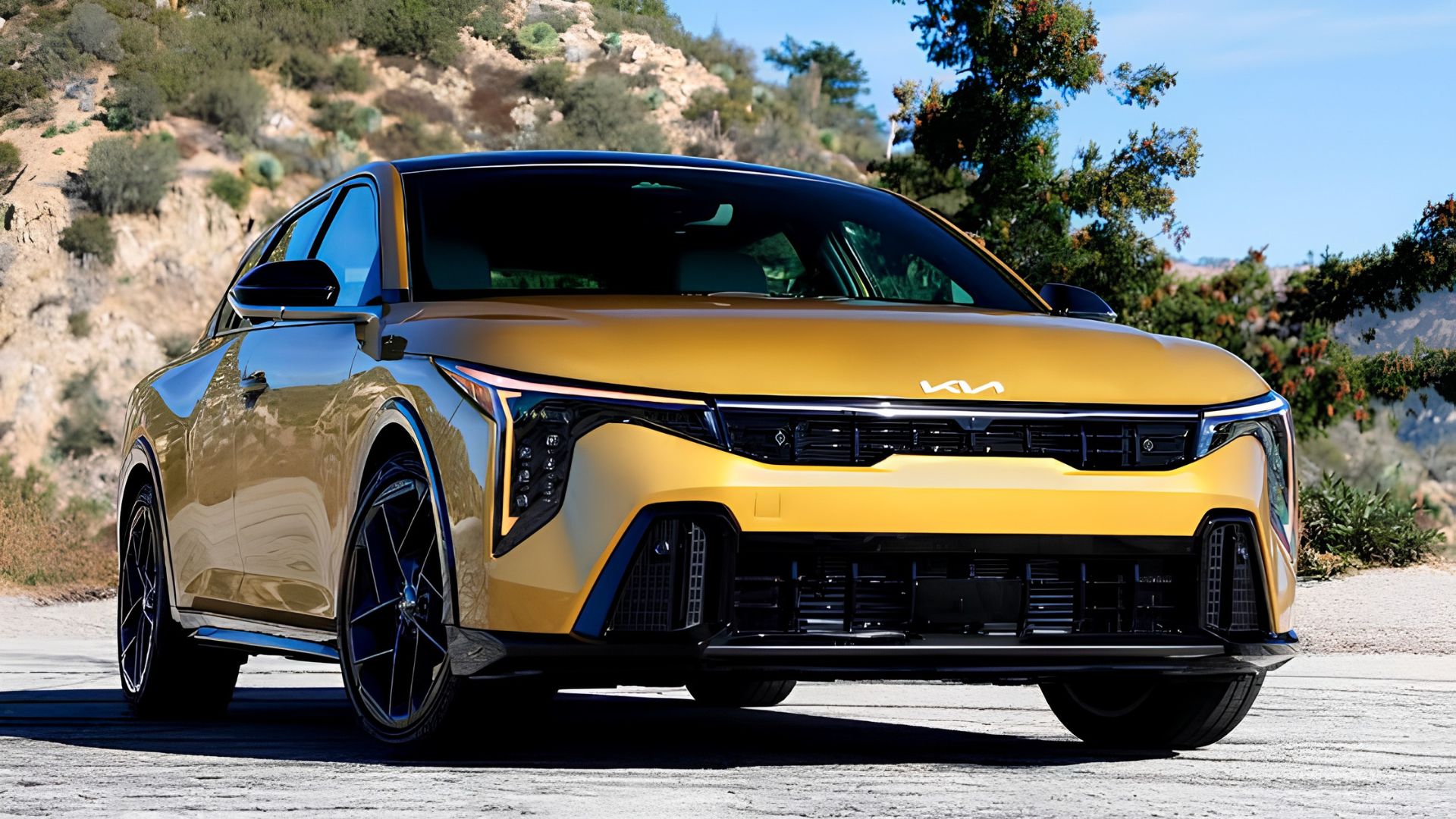


The movement appears in a scenario where Brazil is, in the words of the executive himself in other interviews, the third-largest global market for the Volkswagen group, with a presence that has spanned over seven decades in the country. The drop in resale value is especially sensitive because it affects the consumer who is thinking about trading in their car and realizes that their vehicle has lost market value more quickly than expected, even without significant changes in use or maintenance. It is a side effect of the entry of the Chinese automakers that is being discussed throughout the sector.
Why Volkswagen Rules Out Entering a Price War with BYD
The decision not to participate in a price war is not just rhetoric. Traditional operators tend to avoid this type of battle because their production costs, with a local auto parts supply chain, labor charges, and fixed industrial structure, tend to be higher than those of brands that import ready-made or semi-assembled vehicles. Entering a discount race against BYD, in a scenario of already tight margins, could generate operational losses without ensuring a recovery of market share in the short term.

Possobom’s declared bet is on differentiators that do not involve the list price. This includes a consolidated dealership network, offering parts and services in all regions of the country, brand value accumulated over decades of operation, and a diversified portfolio among flex, hybrids, and electric vehicles. Volkswagen thus tries to position the discussion beyond the price tag, aiming at the total cost of ownership, service, and brand trust in the Brazilian market.
How BYD and Other Chinese Companies Are Changing the Brazilian Automotive Market
BYD entered Brazil with a portfolio strategy focused on electrified and hybrid vehicles, a segment that is growing at a much faster rate than the total market. In parallel, brands like Great Wall Motors, Chery, Geely, and Leap Motor have been expanding their presence, with successive launches, network expansion, and the installation of industrial plants in the country. This set of movements is what Possobom describes as the aggressive entry of Chinese automakers into the Brazilian market, a phenomenon that has changed the competitive balance in less than three years.
The numbers reinforce the size of the challenge. In July 2025, Reuters reported that BYD had shipped about 22,000 cars from China to Brazil in just the first five months of that year, taking advantage of the window of reduced tariffs before the import tax increase. In parallel, the company started production in Camaçari, Bahia, assembling vehicles from imported kits. The combination of local production, direct importation, and an aggressive portfolio in electrified vehicles explains why Volkswagen in Brazil began to feel the impact on the resale value of its own models.
The effects of the war in Iran on Volkswagen’s supply chain
In the same interview with Reuters, Possobom commented that the war in Iran has had direct and indirect impacts on Volkswagen’s operations, but so far, supply chain disruptions remain manageable. According to the executive, the company had to resort to air transport for some components due to uncertainties in shipping routes passing through the Strait of Hormuz, a strategic point for the global flow of goods.
Possobom stated that about 20% of the parts used by Volkswagen in Brazil are imported, which makes the company attentive to the unfolding conflict. Even so, he said that, for now, there is no sign that shortages will significantly affect production levels or lead to price increases for the end consumer. The outlook is cautious, with no immediate cost pass-through to the vehicle sales price list.
What to expect from Volkswagen in Brazil in the coming months
The executive appeared optimistic about the group’s recent performance in the country. According to the interview, April 2026 was a strong month for the automaker in Brazil, with results surpassing those recorded in the first quarter of 2026. This momentum supports the thesis that Volkswagen can defend its position without engaging in a price war against BYD and other Chinese brands, at least in the short term.
In the medium-term scenario, the German automaker has announced new investments in its Brazilian operations in recent years, focusing on hybrid vehicles, factory modernization, and portfolio expansion. This move also serves as an indirect response to the entry of Chinese brands: by reinforcing local production, the company aims to maintain ties with the national auto parts chain, preserve jobs, and meet the requirements of industrial programs aimed at electrification. Whether this will be enough to curb BYD’s advance is currently the main question in the sector.
Possobom’s interview summarizes the dilemma of the traditional automotive industry in Brazil: acknowledging the impact of Chinese competition without capitulating to the low-price-at-any-cost logic. Volkswagen has chosen to bet on structural differentials and a transforming portfolio, instead of engaging in a discount battle with BYD. The success of this strategy will largely depend on consumer response and the speed of adaptation of the brand’s dealership network.
Would you trade a Volkswagen for a BYD if the price difference is significant, or would you prefer to pay more to maintain a traditional brand with a consolidated service network? Leave your comment, tell us which car you drive today, and share the article with those considering renewing their fleet in this moment of transition in the Brazilian automotive market.