Portuguese
  Spanish


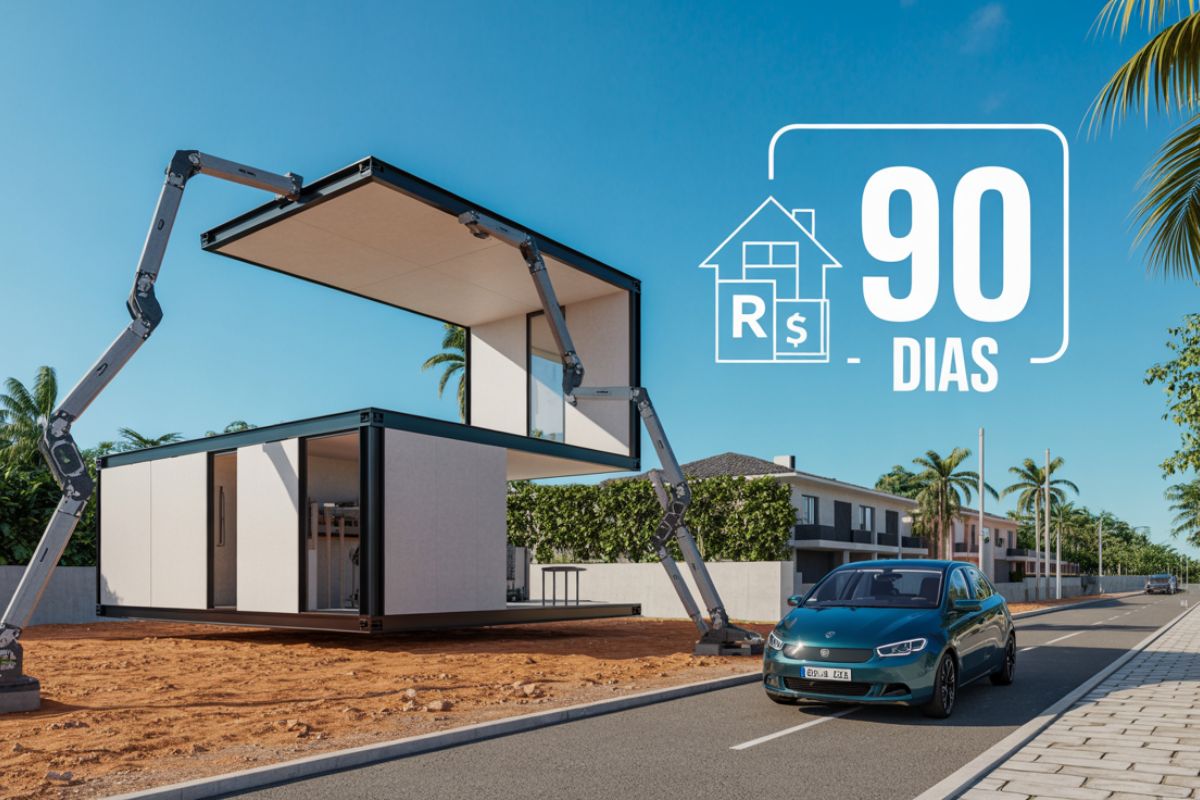


Discover the Technology of the House That Sets Itself Up, Uses Zero Energy, and Is Already a Reality in Brazil, with Projects That Are Ready in Up to 90 Days and Competitive Prices.
A silent revolution is transforming the construction industry in Brazil. The idea of having a house that sets itself up, consumes zero energy, and costs less than an affordable car has moved from science fiction to the new and promising bet of startups and innovative companies. Utilizing modular systems and sustainable technologies, these companies are redefining the concept of housing in the country.
Far from being a magic trick, the concept of house that sets itself up refers to modular construction, an industrial process that manufactures the components of the residence in a controlled environment to then assemble them on-site in record time. The result is a faster, cheaper project with no waste and a level of energy efficiency that traditional constructions hardly achieve.
What Is Modular Construction?
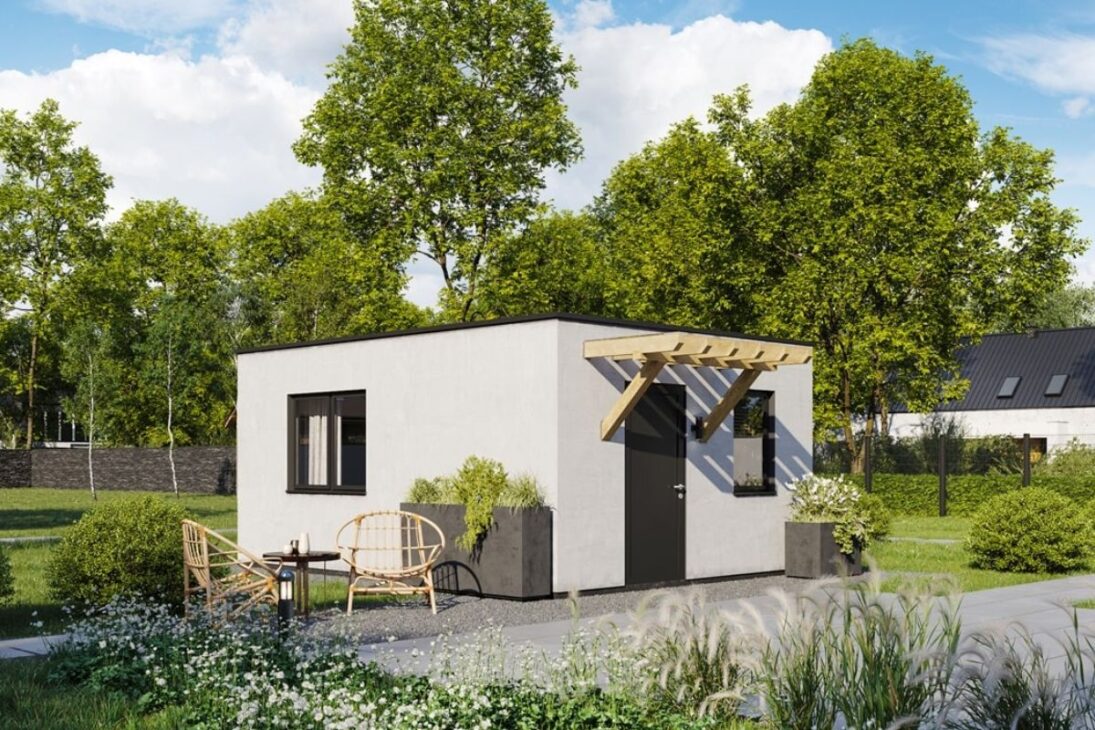
Modular construction inverts the traditional logic. Instead of bringing bricks and cement to the construction site, the house is built in “slices” or modules inside a factory. Brazilian companies like Tecverde, for example, adapted the German light wood frame system and can assemble the walls of an affordable house in just 1.5 hours on-site.
-
With 26 Million Brazilian Families in Substandard Housing, Churches to Launch 2026 Challenge: Each Parish to Build or Renovate a Home for a Local Family

-
Wood-Look Aluminum Emerges as a High-Tech Alternative for Facades and Gates, Offering Sophisticated Aesthetics and Low Maintenance

-
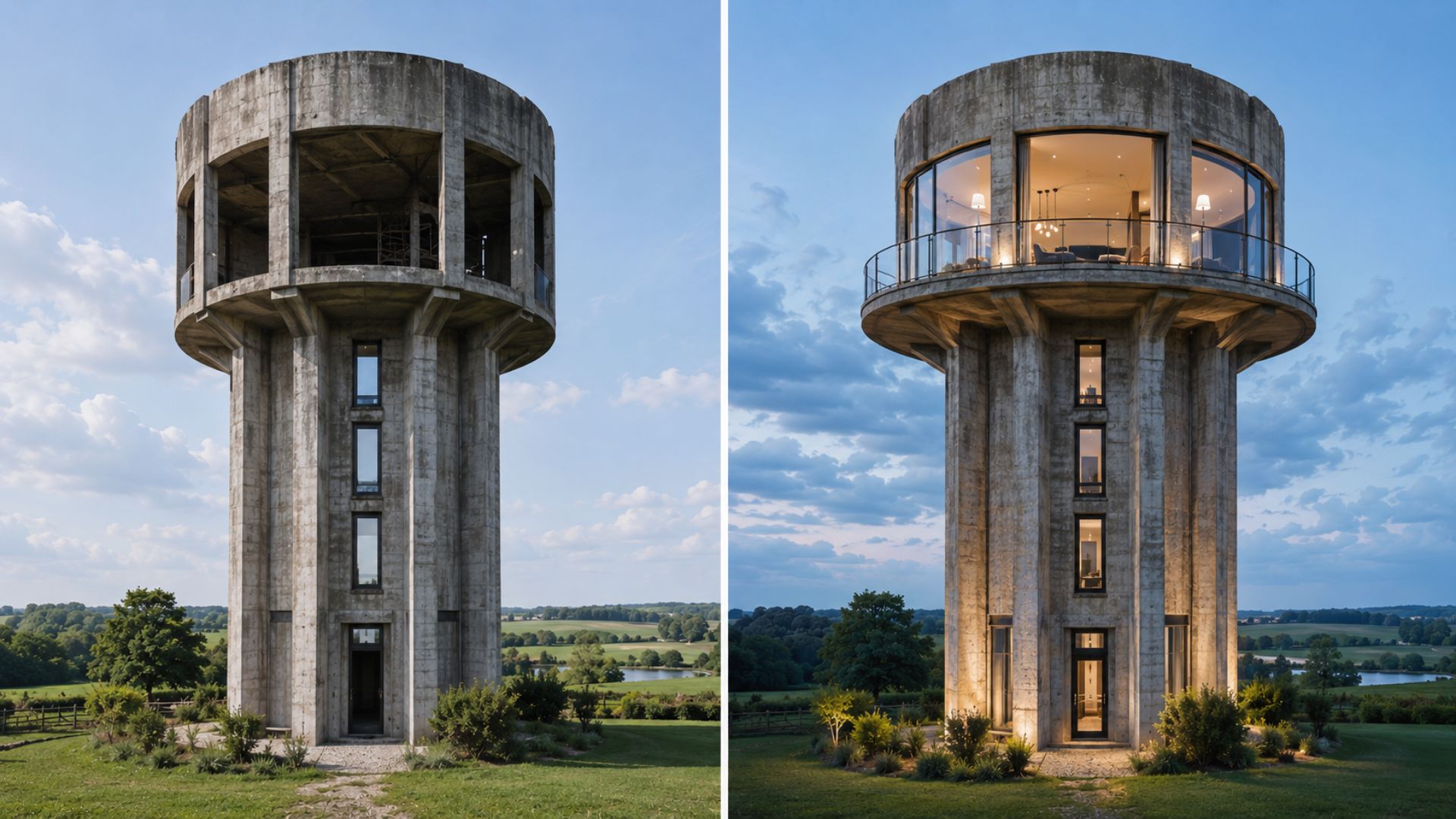
Couple Transforms 1964 Concrete Water Tower into Four-Bedroom Home with Views of London Over Four Years
-
U.S. City Builds Tiny Home Village on Water Company Land to House 136 Homeless People: Inside the Social Housing Units


Others, like Minha Casa Box and ZenHouse, utilize light steel frame, which allows them to deliver customized projects in up to 90 days. This industrial process, inspired by the efficiency of the automotive industry, offers clear advantages:
- Waste Reduction: Companies like VISIA report a reduction of up to 90% in waste generation.
- Speed: The construction time can be up to four times shorter than that of a conventional construction.
- Predictability: Since it is done in a factory, modular construction has fewer unforeseen issues and much greater cost control.
Sustainability and the Dream of “Zero Energy”
One of the greatest attractions of these projects is the focus on sustainability. The houses are designed to have very high thermal and acoustic performance, which already reduces the need for air conditioning and heaters.
Furthermore, many are already prepared for the installation of renewable energy systems. ZenHouse, for instance, offers models with preparation for photovoltaic panels and solar boilers. The goal is to achieve the status of “zero energy,” where the house produces all the energy it consumes, a concept validated in Brazil by the GBC Zero Energy certification.
Costs Less Than an Affordable Car?
Yes, it is possible. While a brand-new affordable car easily exceeds R$ 80 thousand, there are already options for modular houses with very competitive prices. ZenHouse offers a model of 33 m² for R$ 79,900, and Minha Casa Box claims that its projects can cost up to 35% less than a traditional construction.
This savings is a direct result of the industrial process, which optimizes material use, reduces waste, and decreases labor time.
Who Is Leading This Revolution in Brazil?
The modular construction market, which currently generates about R$ 300 million a year in the country, is led by innovative companies:
- Tecverde: Pioneering the construction of prefabricated affordable houses in record time.
- ZenHouse and Minha Casa Box: Focused on light steel frame models with modern and sustainable design.
- CMC Modular: Considered the largest in Brazil, responsible for major projects like Vasco da Gama’s Training Center and the largest modular development in Latin America, Alma Maraú.
Despite challenges such as cultural resistance and the need for regulation, the house that sets itself up is already a reality and points to a future where housing will be faster, smarter, and more accessible for everyone.
And you, would you live in a house that sets itself up and is ready in 90 days? Do you believe this is the solution for the future of housing in Brazil? Leave your opinion in the comments!