Portuguese
  Spanish


Brewing Grains That Would Have Become Waste Are Now Becoming Bioplastics: Discover the Italian Project That Transforms Waste Into Sustainable Materials and Also Generates Green Jobs in Southern Europe.
In the region of Sicily, Italy, an innovative project is converting waste from beer production into biodegradable and recyclable bioplastics. This is LIFE RESTART, a European Union-funded initiative aimed at transforming an environmental problem into a sustainable and socially responsible solution.
Using the discarded grains after beer production, known as BSG (brewery spent grain), the project aims to develop new organic-based plastic materials, with lower environmental impact and potential applications across various industries. In addition to the technology, the project stands out for including social impact, creating green jobs, and supporting vulnerable communities.
What Is LIFE RESTART
Coordinated by the Fondazione di Comunità di Messina, LIFE RESTART lasts three years and involves a network of local partners, including universities, breweries, social cooperatives, and environmental research centers. The production unit will be installed in Roccavaldina, Sicily.
-
Green Roofs on Homes Gain Popularity for Reducing Heat, Noise, and Rain Impact in Brazil

-
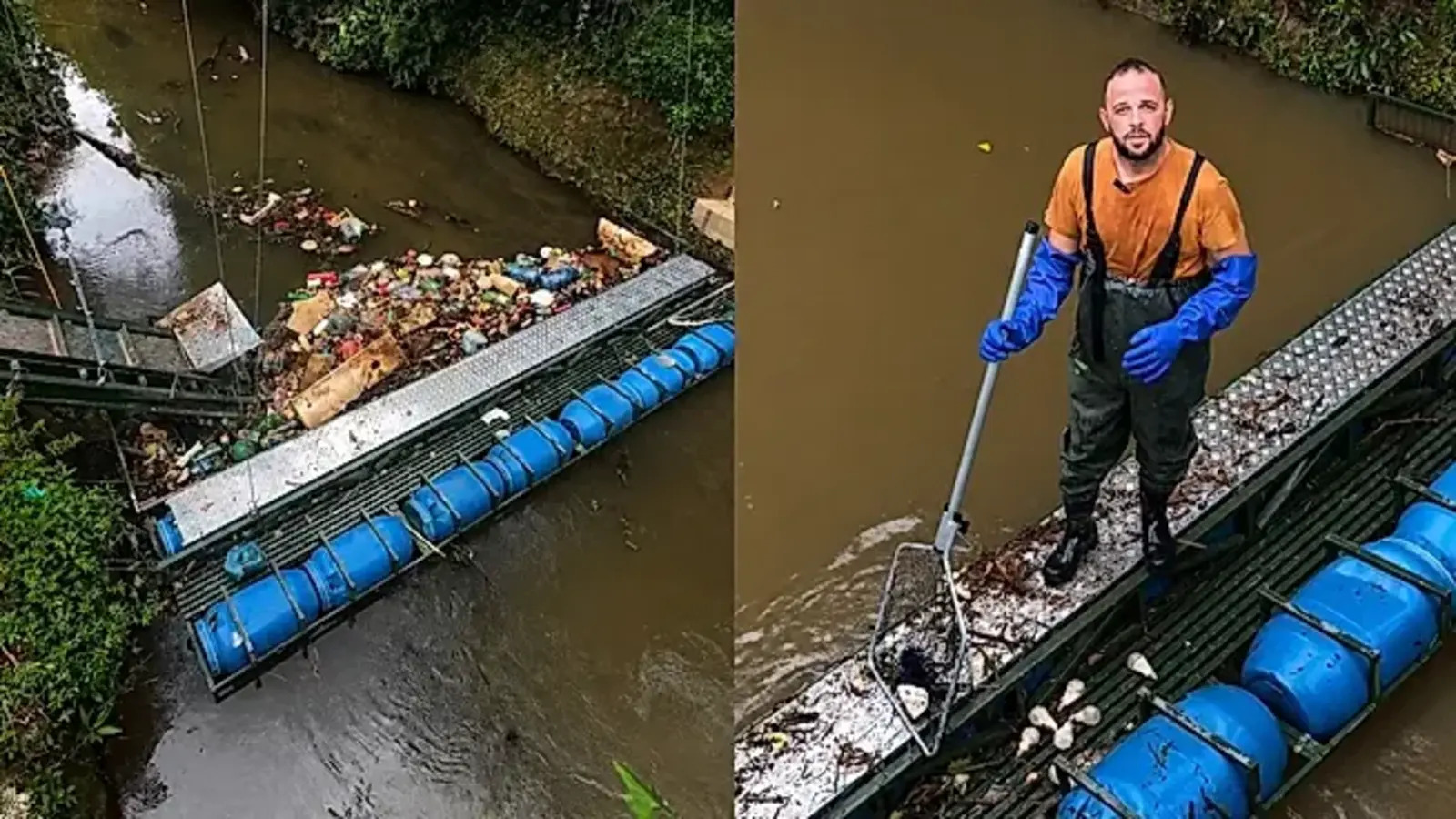
Brazilian promises his children to save a river, creates an eco-barrier in his backyard, has already removed more than 40 tons of trash from the water, and even inspires the idea in other states of the country.

-
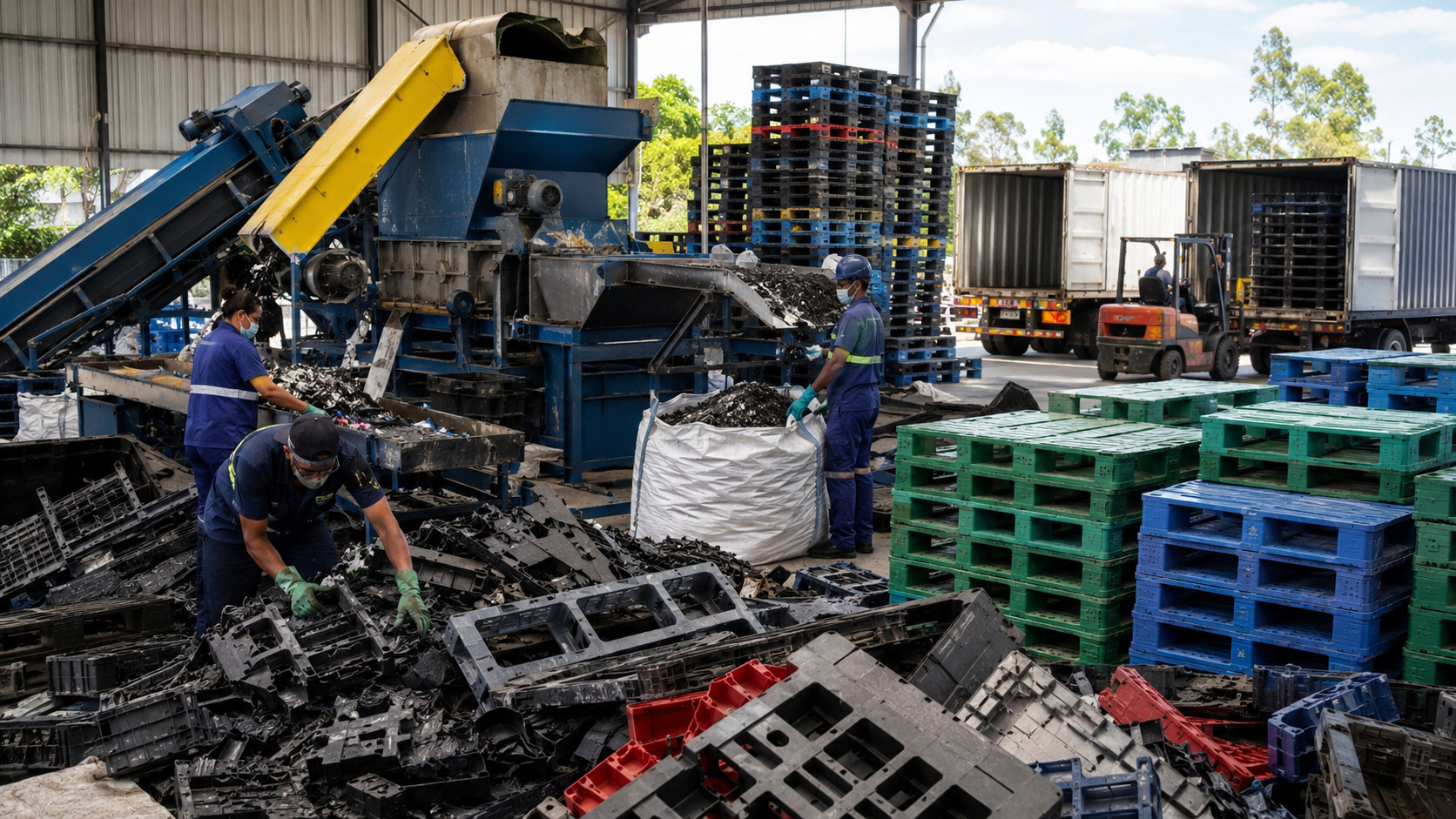
How a Brazilian company created a system that transforms broken pallets of any brand into new assets, recycles 80 tons of plastic per month, and found a profitable solution to a problem that challenges industries across the country.
-
Invasive bullfrog capable of devouring other amphibians and laying up to 20,000 eggs is found in Florianópolis, raising an alert about the threat to native fauna.


The project was created to tackle two challenges: the large amount of waste generated by the brewing industry and the search for sustainable alternatives to fossil-based plastics. The beer waste, which would normally be discarded or used for composting, goes through a pre-drying process and is transformed into high-quality biopolymers.
Environmental and Technological Objectives
According to the coordinators of LIFE RESTART, the goal is to reuse up to 75% of the brewing grains waste (BSG) and 75% of the wastewater generated during beer production. This project expects to reduce the consumption of fossil fuel-derived biopolymers by 15% and the use of virgin plastics by 35%.
The result will be a type of bioplastic with potential applications in packaging, agricultural products, utensils, and other everyday items. This new material will be biodegradable, recyclable, and produced with lower consumption of natural resources, aligning with European guidelines for a transition to a circular economy.
How the Transformation Process of Beer Into Bioplastic Works
The first stage of the process involves collecting waste from local breweries, such as Birrificio Messina, a project partner. This waste undergoes a drying and preparation phase so that it can be used as a base for new materials.
Then, the grains undergo a controlled chemical and physical transformation using clean technologies that result in moldable biopolymers. The final material can be used in various industrial applications, reducing dependence on petroleum-derived plastics.
The water used in the beer manufacturing process will also be partially reused through recycling and repurposing systems, promoting the efficient use of water resources.
Social Innovation: Green Jobs and Inclusion
In addition to environmental innovation, the project stands out for its replicable social model. The bioplastics production unit will create at least seven new jobs, two of which are intended for people in situations of social vulnerability.
The proposal is for LIFE RESTART to serve as a pilot for other communities in Italy and Europe, showing that it is possible to combine technological development with social inclusion and sustainable income generation. The project also foresees training professionals and involving local universities in research and development of new products.
European Recognition and Future Impact
LIFE RESTART is co-financed by the LIFE Program of the European Union, which supports environmental and climate actions throughout Europe. The project received recognition on the CINEA (European Climate, Infrastructure and Environment Executive Agency) portal as an example of circular economy based on biomass.
With implementation expected by the end of 2025, the results could serve as a reference for other countries seeking local solutions to global problems, such as the disposal of organic waste and the excess of plastics in the environment.
Beer That Transforms Into Solution
Transforming beer into bioplastic may seem unlikely, but this is exactly what Italy is doing with LIFE RESTART. The proposal combines scientific knowledge, industrial innovation, and social commitment to creatively tackle environmental challenges.
The project shows that the waste from one of the most consumed beverages in the world can have a second valuable life — not just as a byproduct, but as a valuable material for a cleaner and more balanced future.