






 Portuguese
  Spanish
  3 min of reading
  1 comment


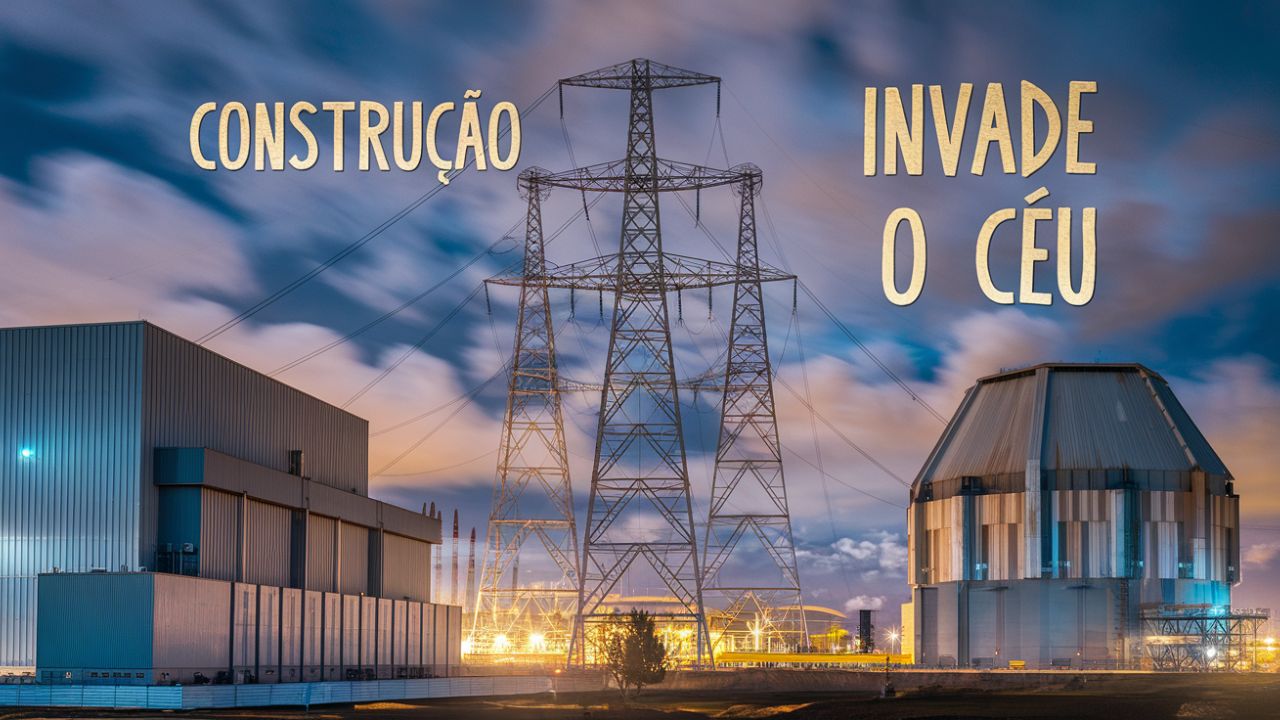


The Construction Of The Megaproject INNA, With More Than 3,000 Hectares And Scheduled To Include Wind, Solar Parks, And Green Hydrogen Production, Threatens To Compromise The Scientific Observations Of The Extremely Large Telescope (ELT) And Cherenkov Telescope Array (CTAO) In The Atacama Desert, Putting Historical Astronomical Discoveries And Billions In Global Investments At Risk.
Looking Up At The Darkest Sky In The World, Only To Suddenly See It Dazzled By Artificial Lights. In The Atacama Desert, A Stage For Some Of The Most Fascinating Discoveries In Astronomy, This Threat Has Become A Reality. The Construction Of An Electric Megaproject, Called INNA, Has Put At Risk Not Only State-Of-The-Art Telescopes But Also Decades Of Scientific Research. Can Industrial Progress And Scientific Preservation Coexist?
The Impact Of The Construction In The Heart Of The Atacama Desert
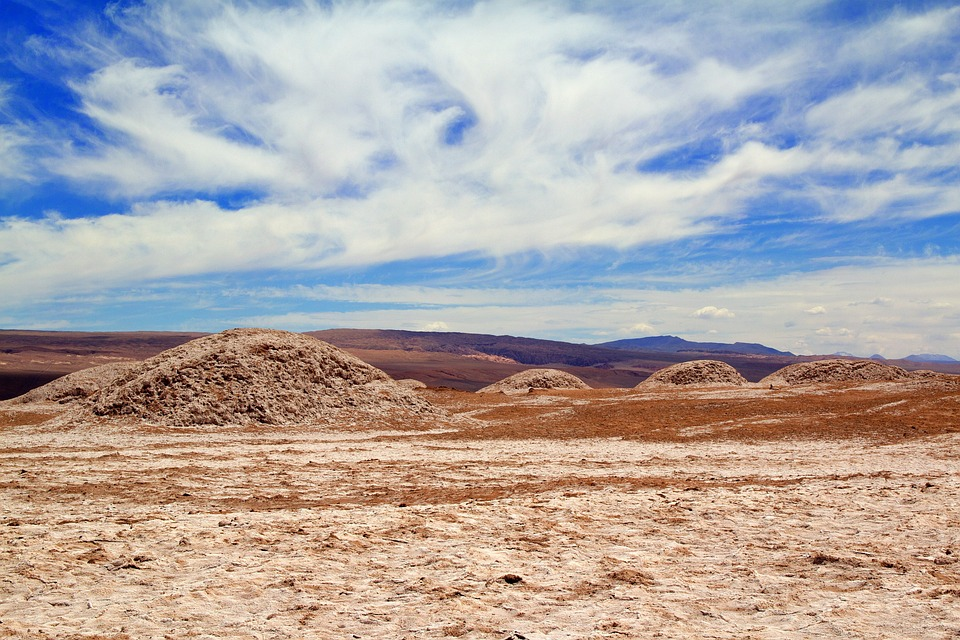
In The Atacama, Where The Sky Appears As A Mantle Of Endless Stars, The European Southern Observatory (ESO) Made History. It Was There That Astronomers Unraveled The Black Hole At The Center Of The Milky Way And Captured The First Image Of An Exoplanet. All Thanks To Instruments Like The Very Large Telescope (VLT), A Complex That Relies On The Absence Of Artificial Light To Function. But What If The Perfect Sky Disappears?
Two Revolutionary Projects, The Extremely Large Telescope (ELT) And The Cherenkov Telescope Array (CTAO), Are Also At Stake. The ELT Is Set To Be The Largest Optical Telescope In The World, While The CTA Is Focused On Gamma-Ray Observations. Both Depend On The Dark And Clear Sky Of The Atacama, But The Construction Of The Electric Megaproject Could Turn These Ambitions Into Frustrated Dreams.
-
Bolivian Female Construction Workers Form Association to Combat Discrimination and 38% Pay Gap in the Industry

-
Near Amsterdam, residents buy land and discover they must also build streets, manage drainage, handle waste, and grow food on half their plot.
-
Brazil’s WEG to Open New Factory in China by 2027, Expanding Production of Large Rotating Electric Machines and Low to Medium Voltage Motors in Rugao

-
Chinese Shipyard Secures $1 Billion in Orders for Low-Carbon Container Ships Amid Global Fleet Renewal Efforts


Megaproject INNA: Promises And Controversies
AES Andes, A Subsidiary Of The American AES Corporation, Proposed The INNA, A Gigantic Industrial Complex Of 3,000 Hectares. The Project Includes Wind And Solar Parks, Green Hydrogen Production, And Even A Port. Located Near The Paranal Telescopes, It Promises Advances In The Sustainable Energy Sector, But At What Cost?
According To The ESO, The Greatest Enemy Of Astronomers Is Not Just The Light, But Also The Dust And Turbulence Generated By Construction. The Once Immaculate Sky Of The Atacama Is Threatened With Losing Its Status As A Perfect Haven For Observations. It Is Like Trying To Hear A Symphony In The Middle Of Noisy Construction.
The Battle Of Astronomers Against AES Andes
Since 2020, Scientists Have Been Trying To Negotiate With AES Andes, Proposing The Relocation Of The Project. Despite Promises To Mitigate Impacts, The Proximity Of INNA Remains A Problem. The ESO Insists That Changing The Location Would Be The Most Sensible Solution To Preserve The Sky Of The Atacama.
In 2024, Chile Implemented A Rule To Reduce Light Pollution Near Observatories. This Law Offers Hope, But Will It Be Enough? The Struggle For A Dark Sky Is A Race Against Time As The Work Proceeds.
The Importance Of Balance Between Science And Development
The Atacama Is Not Only For Chile; It Is A Treasure For Humanity. The Astronomical Advances Made There Have Global Impact. Is It Worth Compromising This Legacy For An Industrial Project?
The Dilemma Is Clear: How To Balance Economic Progress With Scientific Preservation? The INNA Could Be A Step Forward In Sustainable Energy, But If Poorly Planned, It Will Be A Setback For Astronomy. The Solution Lies In Finding Harmony Where Sky And Earth Can Shine Together.





Tanto lugar para construir e foram bem do lado dos telescópio, estão fazendo de propósito isso aí