






 Portuguese
  Spanish
  3 min of reading
  0 comments


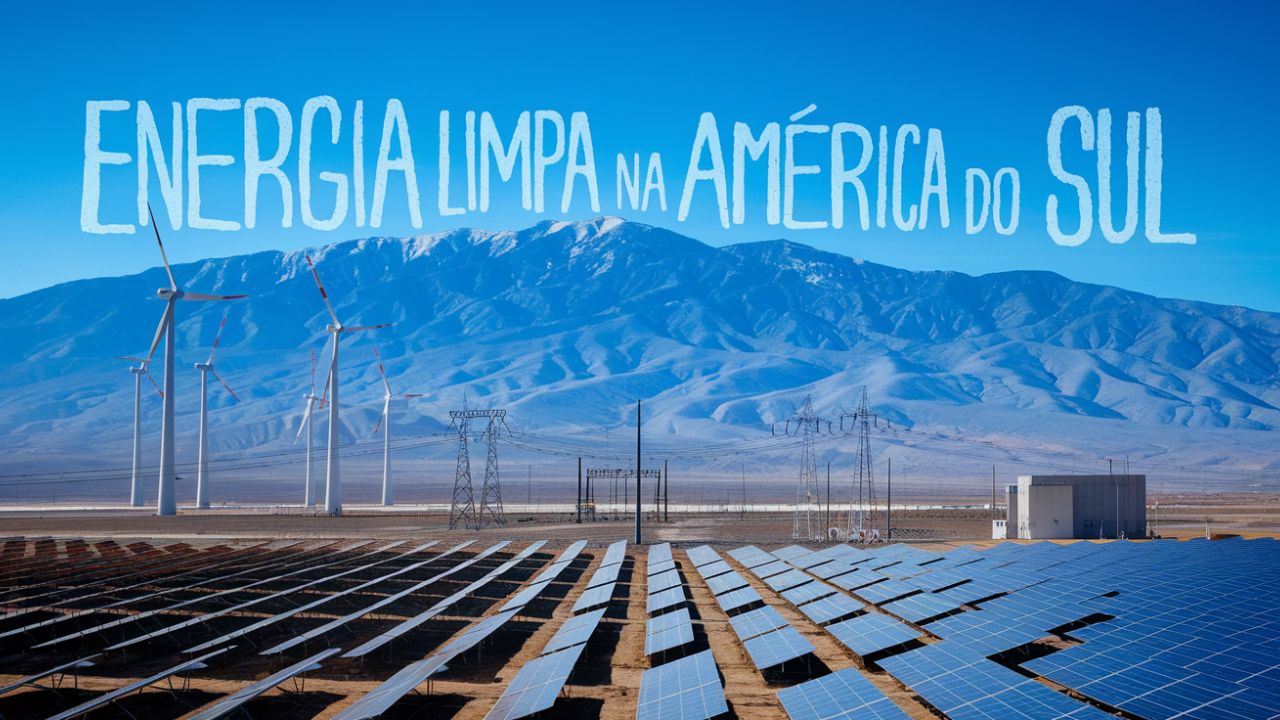
With a network of wind and solar parks capable of generating more than 1.5 GW, sufficient to supply 1.7 million homes, the construction of a megaproject in Chile is redefining the energy future of South America, attracting billions in investments and positioning the country as a global leader in clean energy.
The rolling mountains of the Andes are the stage for one of the largest renewable energy projects on the planet. It seems like a movie, but it’s real. Andes Renovables is transforming Chile, a country that many underestimate, into a giant of clean energy. This £1.5 billion megaproject not only has the potential to change the energy future of Chile but also of all South America.
Chile has always been known for its stunning landscapes, such as the Atacama Desert and the Andes peaks. But now, it is positioning itself as a global leader in clean energy, thanks to the Andes Renovables megaproject. This project is a bold step towards the goal of carbon neutrality by 2050, showing that the country is taking its commitment to the planet seriously.
What Makes Andes Renovables a Transformative Megaproject?
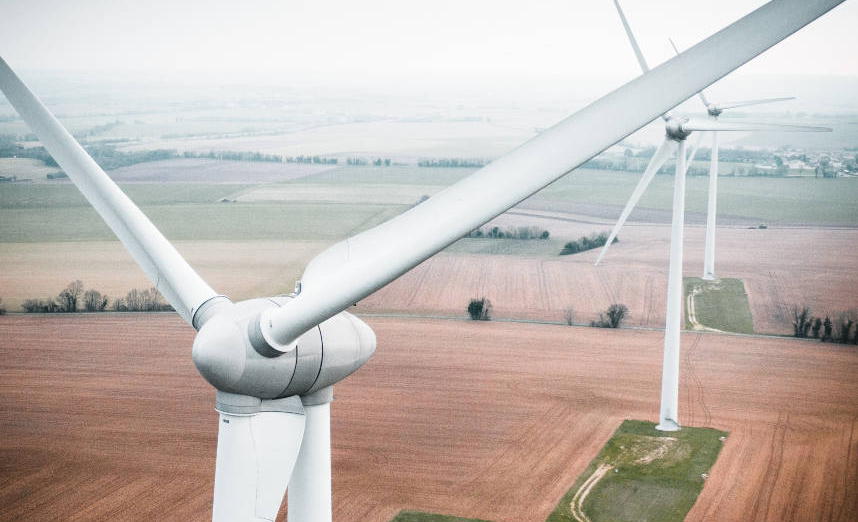
The Andes Renovables megaproject is more than just a renewable energy initiative. It combines a complex network of wind parks, solar facilities, and storage systems, with a total capacity of more than 1.5 GW. To put this in perspective, it generates enough energy to supply more than 1.7 million homes every year!
-
Brazilian scientists are simultaneously advancing two research projects on clean hydrogen and driving solutions that could transform the energy matrix, enhance industrial competitiveness, and accelerate large-scale emission reduction targets.

-
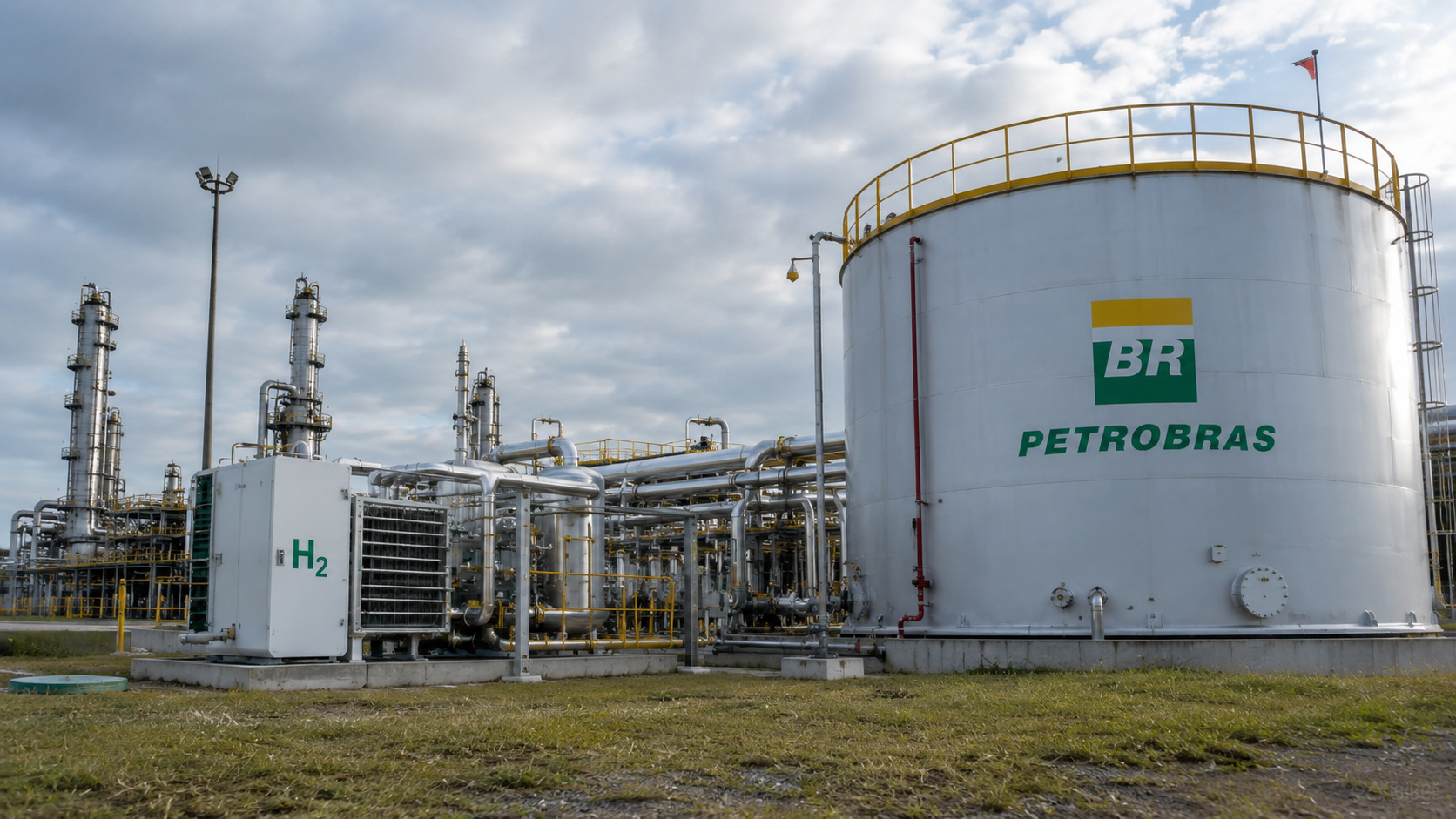
Advancement in renewable energy: A R$ 150 million project launched by Petrobras and Finep aims to create state-of-the-art electrolyzers for green hydrogen, strengthening national research and preparing Brazil to compete in a billion-dollar energy market.
-
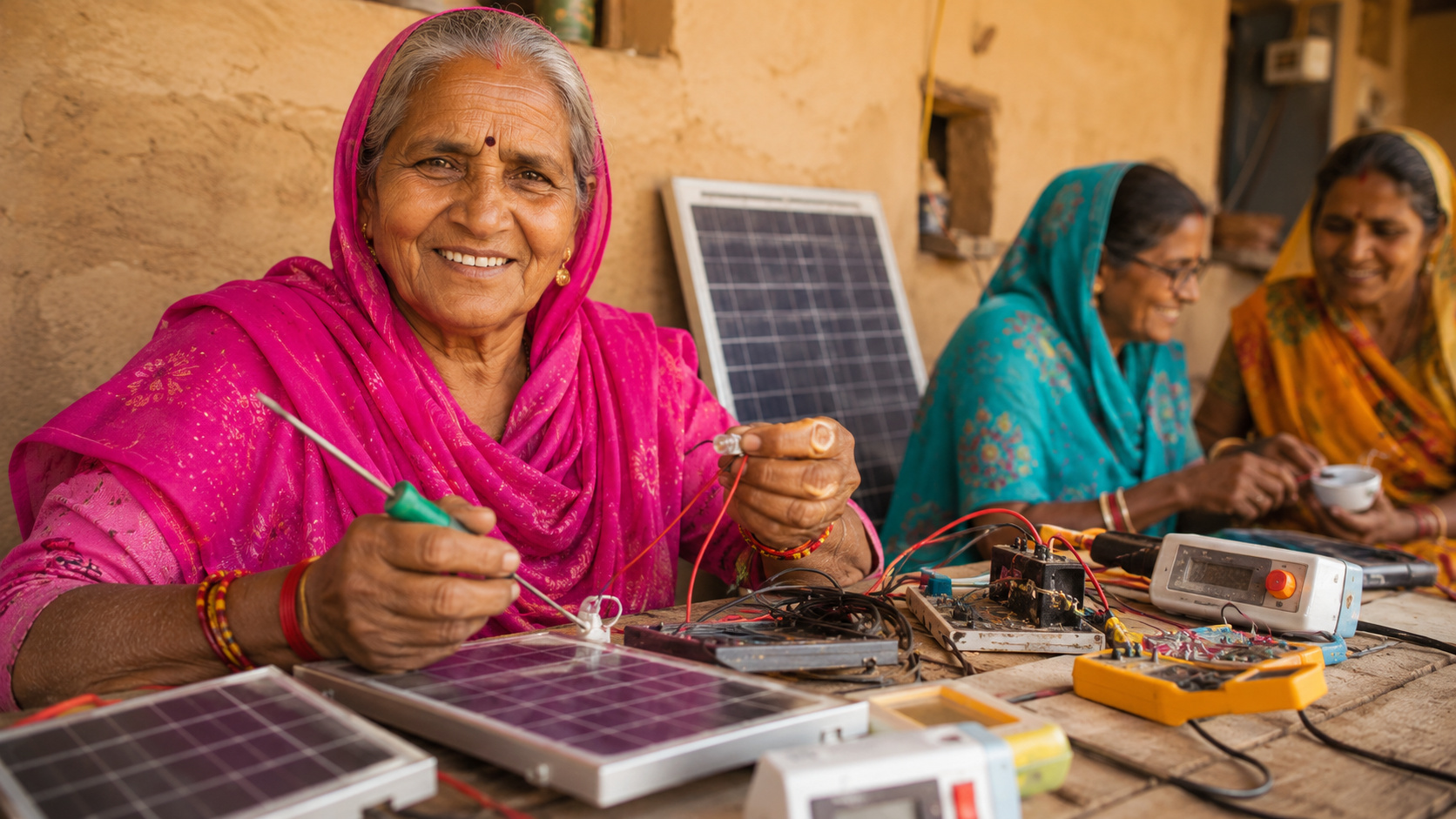
Illiterate or semi-literate grandmothers were trained to repair solar systems, open rural workshops, and light up homes that still depended on kerosene.
-
The world has bet on green hydrogen as the fuel of the future, but now faces the side effect: producing 1 kilogram requires about 9 liters of ultrapure water, and the largest projects on the planet are precisely in the driest regions of the Earth, where water is already scarce for people.


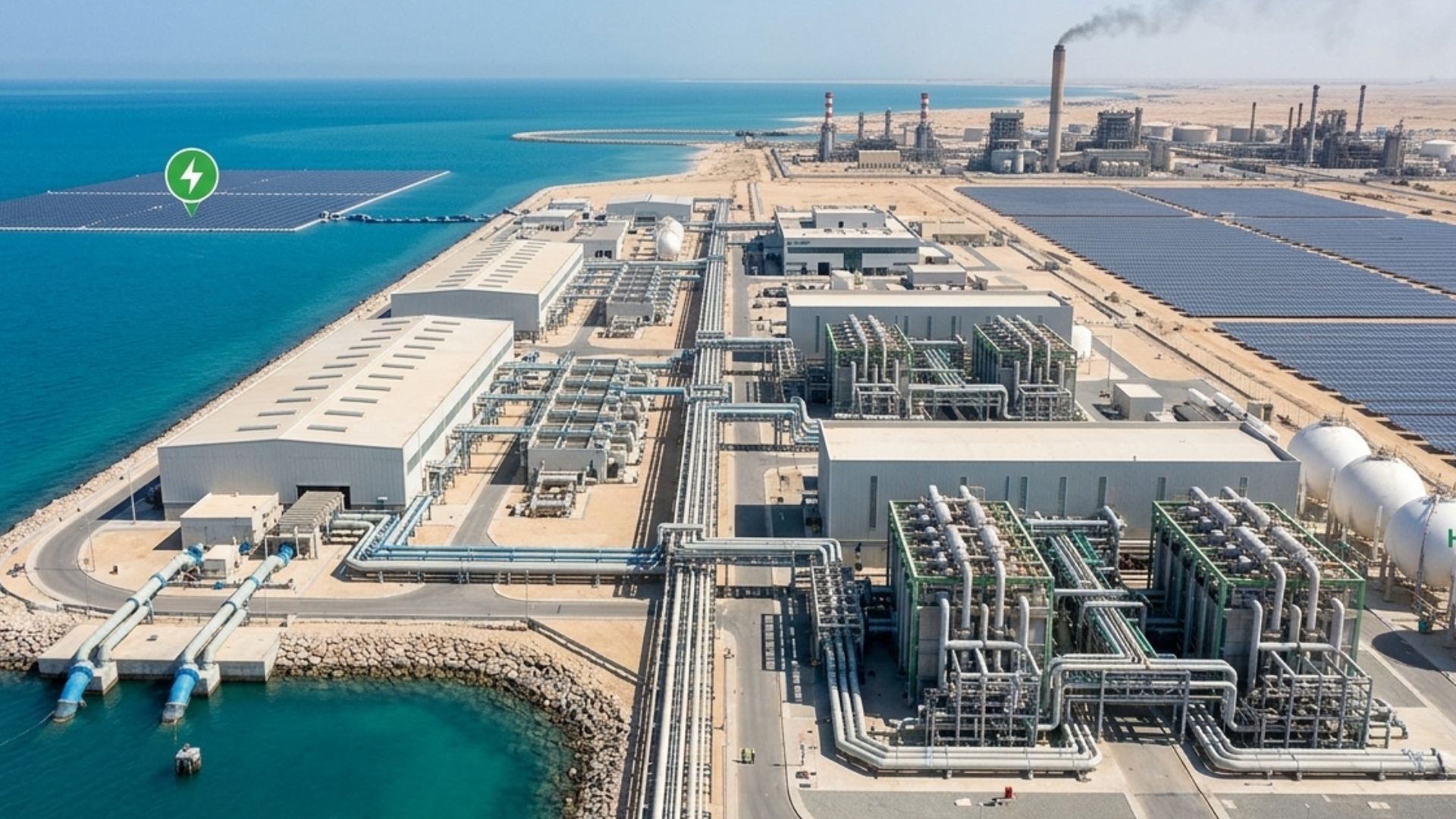
Strategically distributed between the Atacama Desert, famous for its intense sun, and the coastal regions where winds are abundant, the project maximizes Chile’s unique natural resources. It’s like transforming the raw potential of nature into an energy masterpiece.
Economic and Social Impacts
The construction of Andes Renovables is injecting about US$ 1.8 billion into the Chilean economy. And the impact goes beyond the numbers. Thousands of jobs are being created, giving new life to remote communities that are often overlooked by large projects.
After construction, these regions are also expected to benefit from improved infrastructure and long-term jobs in the maintenance of the facilities. It’s like planting a tree that will bear fruit for generations.
Beyond Borders: The Energy Geopolitics of South America
According to the website Express, the Andes Renovables megaproject is not just good for Chile. It has the potential to redefine the energy balance across South America. With the possibility of exporting clean energy to neighboring countries, Chile could become a regional stabilizer, reducing dependence on fossil fuels and paving the way for a new era of energy cooperation.
Challenges and Controversies: The Dark Side of the Green Transition
Not everything is rosy on the path to a sustainable future. Critics point out that the megaproject faces significant environmental challenges, such as the proximity of wind parks to critical habitats, threatening migratory birds.
The Atacama Desert, one of the most fragile ecosystems in the world, is under scrutiny due to the potential impact on land and water consumption during construction.
There are also social tensions. Indigenous groups question the occupation of ancestral lands, claiming a lack of real dialogue. And while investors and large companies reap huge profits, local communities often get a much smaller share of the financial benefits.
A Bold Leap Into the Future: The Legacy of Andes Renovables
The Andes Renovables megaproject is a symbol of how an underestimated country can shine in an increasingly sustainability-focused world. But success will not be measured solely in numbers or energy generated. It will also be defined by how Chile balances its ambitions with respect for the environment and social justice.
If successful, the project will be more than a Chilean achievement; it will be a global example of how to turn challenges into opportunities. After all, great changes start with bold steps.




-

-

-

9 people reacted to this.