






 Portuguese
  Spanish


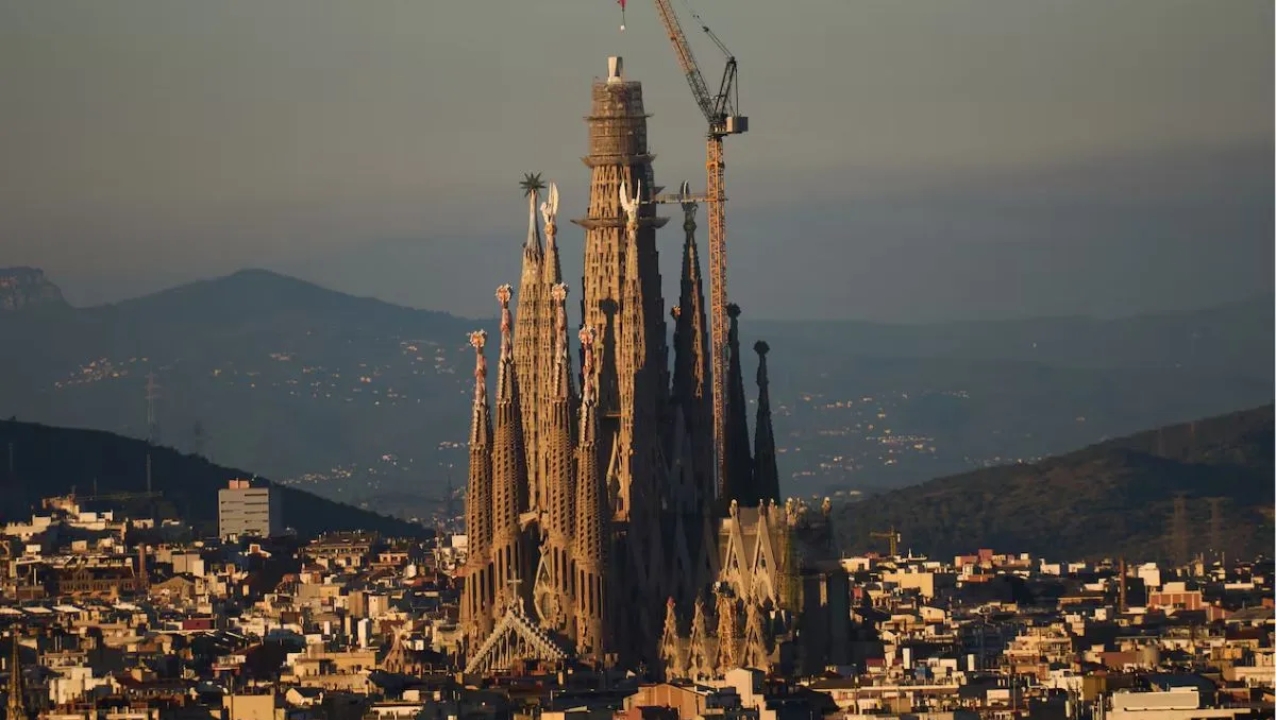


With 142 Years of Construction, the Sagrada Família in Barcelona Continues to Grow. Gaudí’s Temple, a Symbol of Faith and Genius, May Be Completed Only in 2033, After More Than a Century of Building
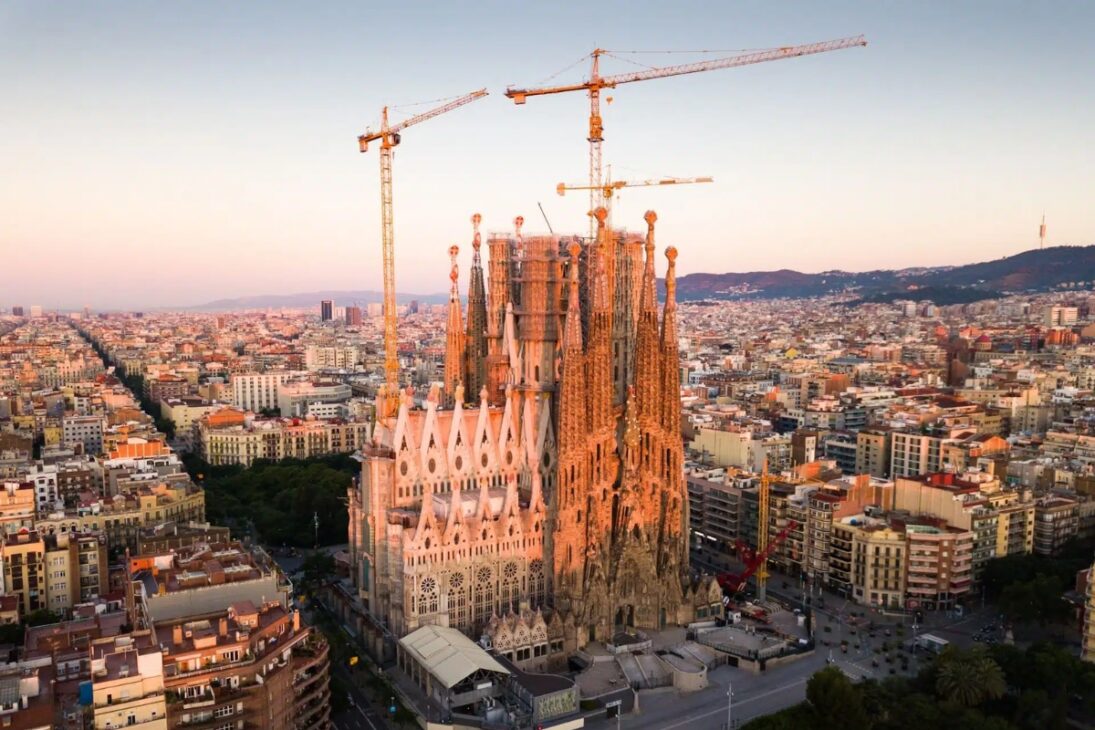
142 years ago, one of the most impressive and enduring works in the history of architecture began: the Basilica of the Sagrada Família in Barcelona. Even after a century and a half, the project initiated in 1882 remains ongoing, standing as the oldest construction on earth still under construction. More than just a simple church, it represents a symbol of human perseverance, creative genius, and the union between faith, nature, and art.
A Dream That Began Modestly and Became Eternal
The original project was simple and was conceived by the architect Francisco de Paula del Villar. However, the course of history changed when Antoni Gaudí, Barcelona’s most famous architect, took over the project. He completely redesigned the plans, introducing forms inspired by nature and an architectural conception that broke with all the standards of the time.
Gaudí dedicated more than 40 years of his life to the construction of the basilica, imprinting his spirituality and genius into it. When he passed away in 1926, only a small part of the temple was completed. Since then, generations of architects, engineers, and craftsmen have continued his work, facing wars, crises, and technical limitations that threatened to interrupt the project many times.
-
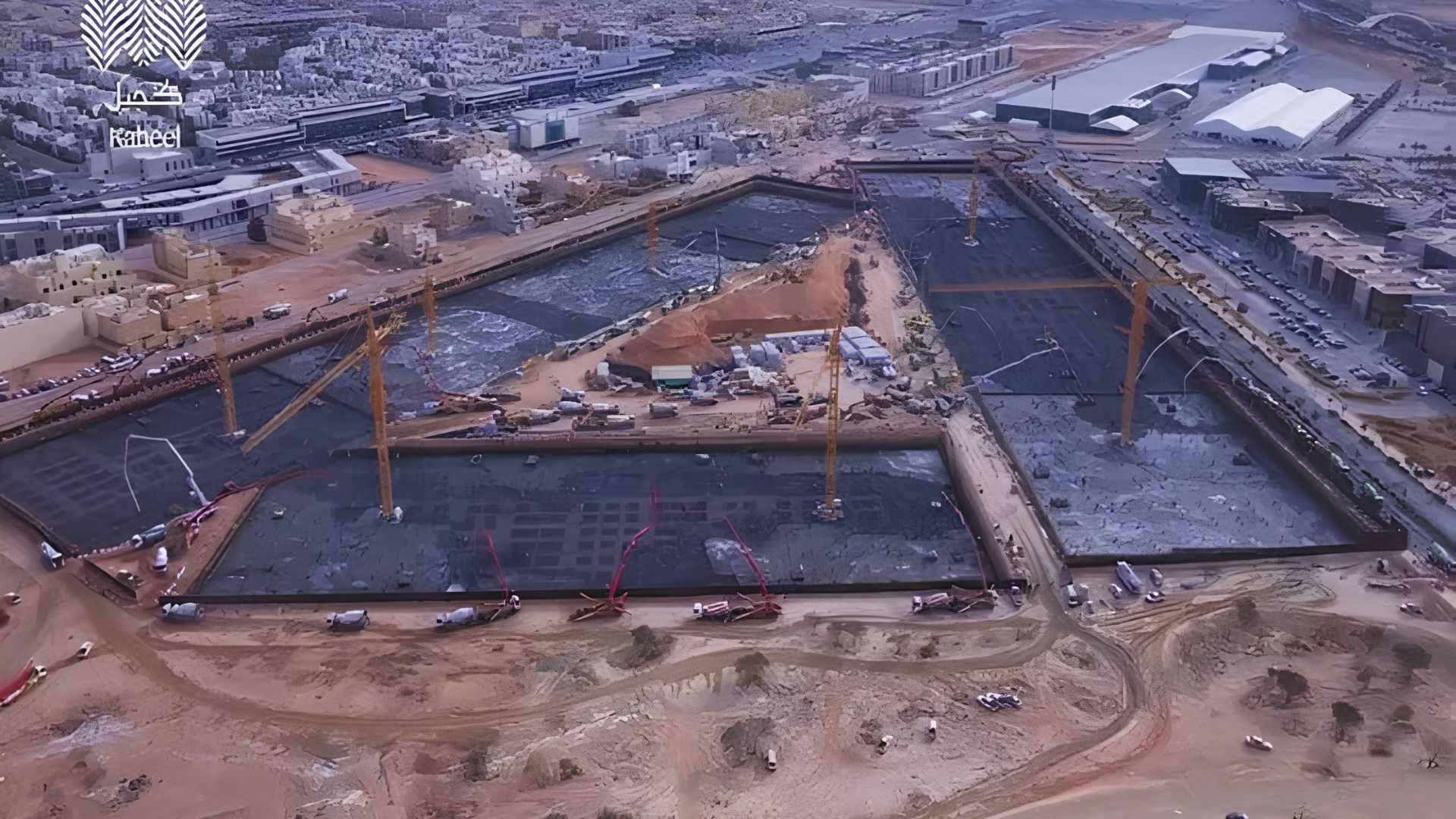
More than 6,000 trucks poured nearly 70,000 cubic meters of concrete without interruption for 72 hours to create the largest continuous concrete pour in history and erect a megaproject in Saudi Arabia.

-
28-meter, 156-ton titans traveled 20,000 km from China to the port of Santa Catarina: Portonave received 7 fully electric megacranes, part of a R$ 210 million package, to double container handling.
-
They exchanged the idea of a large house for a 35 m² warehouse, spent US$ 12,000 on the structure, and created a tiny house in Colorado with space to live and work.

-
A newly opened terminal in the middle of the Amazon has begun transporting soy and corn through Amapá, eyeing the queue of ships that is congesting the ports in the South.



A Challenge That Crossed Centuries
During the 20th century, the work was marked by interruptions caused by conflicts and the loss of original documents, including the detailed plans left by Gaudí. Still, the Sagrada Família survived time and was reborn with the help of modern technology.
Today, the construction combines digital modeling, 3D printing, and millimeter precision technologies, enabling what once seemed impossible. Each new phase is designed to faithfully respect Gaudí’s original vision, preserving the aesthetics and symbolism of his organic forms, inspired by trees, mountains, and natural light.
The Temple That Will Touch the Sky
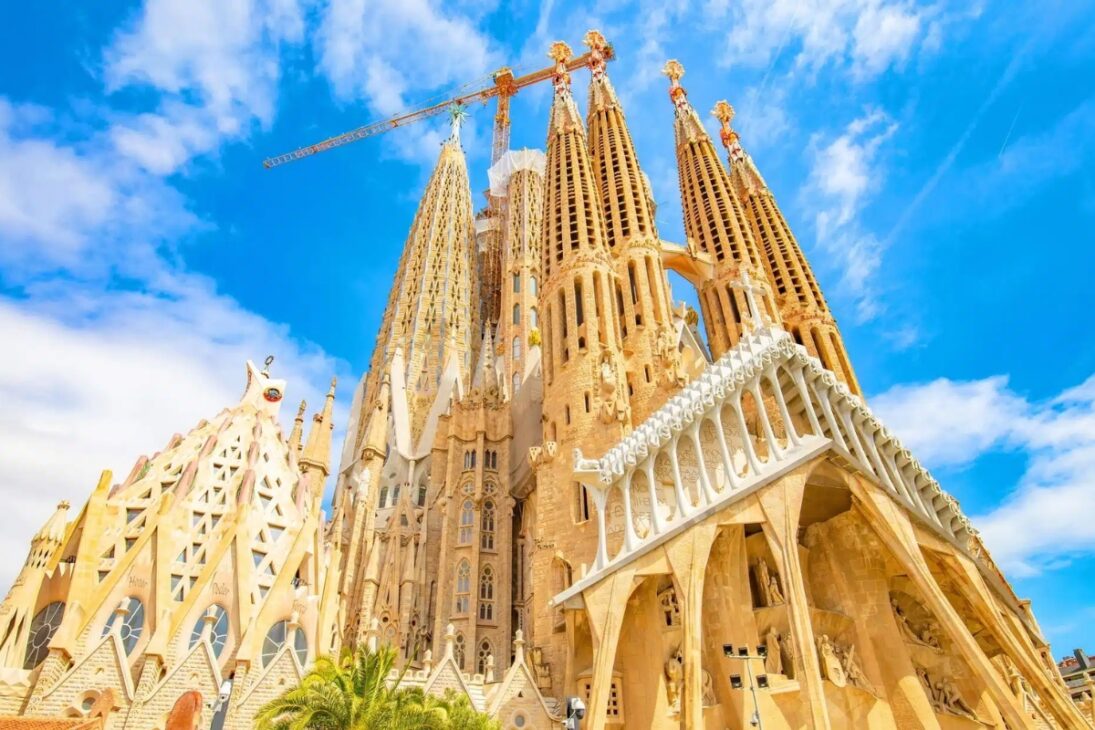
When completed, the Basilica will feature 18 towers. The tallest of them, dedicated to Jesus Christ, will reach a height of 172.5 meters, becoming the tallest religious building in Europe. The interior, composed of columns resembling tree trunks and stained glass that creates colorful light plays, makes each visitor feel as though they are inside a sacred forest.
Initially, the expected completion date was 2026, in honor of the centenary of Gaudí’s death. However, recent delays caused by economic factors and the pandemic have led to a new estimate pointing to 2033. Even so, for many, the time seems to only reinforce the mystical character of the work, a construction that seems never to want to be finished.
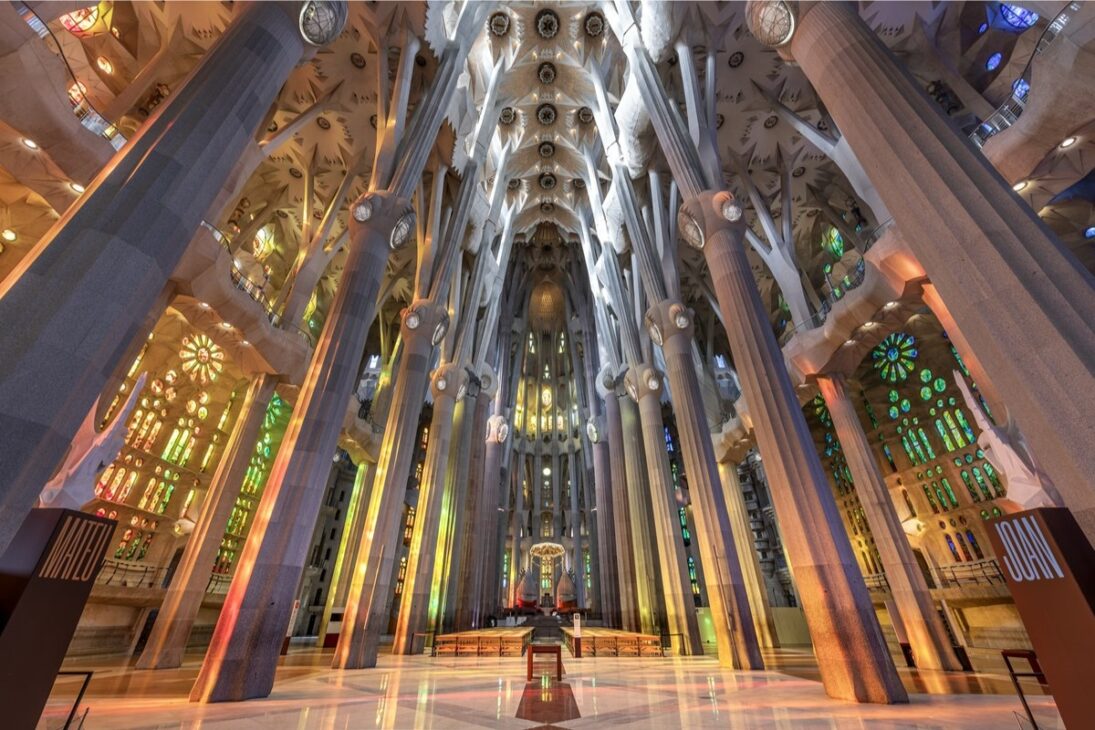
A Legacy That Transcends Generations
The Sagrada Família is not merely an unfinished church, but a living metaphor of human perseverance. Each stone laid carries more than a century of history, faith, and dedication. The temple has become one of the most visited monuments in the world, attracting millions of tourists and architecture scholars every year.
More than a religious symbol, the work represents the meeting between the past and the future, reminding us that some dreams are too big to fit in a single life. And perhaps that is precisely why the Sagrada Família continues to grow, slowly, but with the same strength and devotion that moved Gaudí more than a hundred years ago.




Parece as obras do PT aqui no Brasil!
6/11/2025
Como obra de arte dentro deve ser belíssimo….como as catedrais góticas Assalam Malaiku