






 Portuguese
  Spanish
  2 min of reading
  0 comments


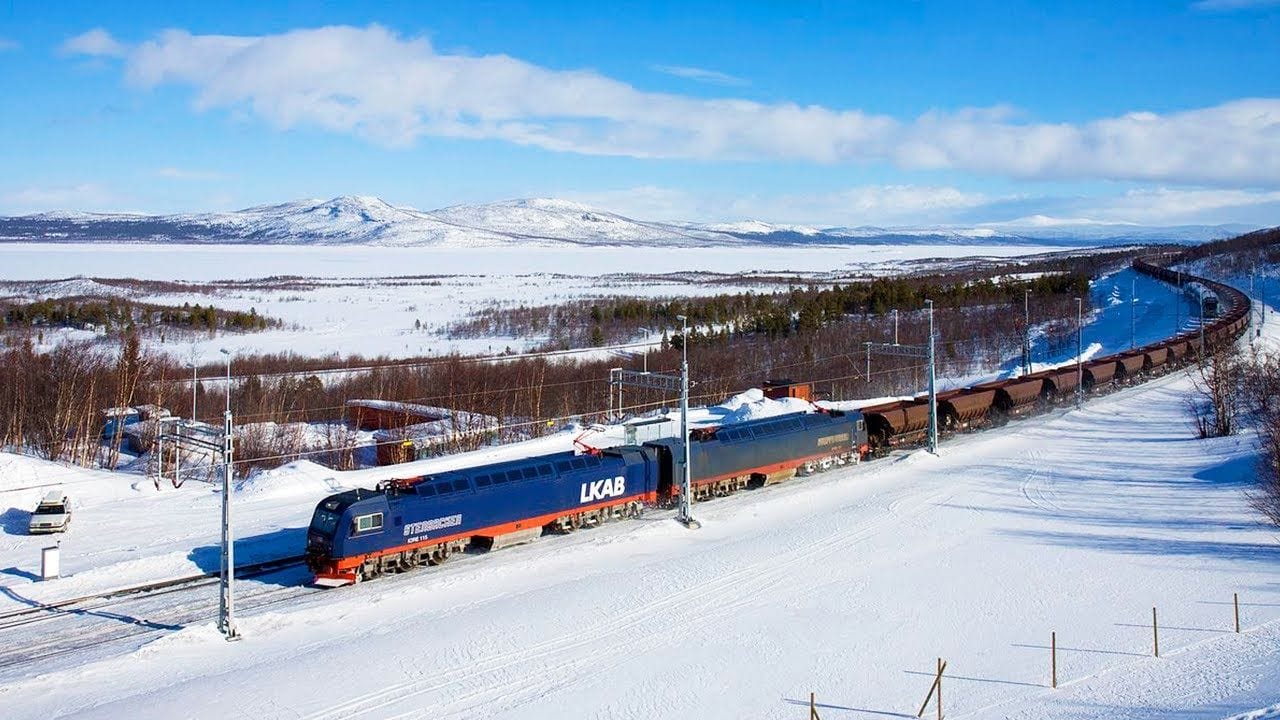
The Construction Of The Ofotbanen Railway In The Norwegian Mountains, A Work That Not Only Connects Norway To Sweden But Also Tells A Story Of Overcoming And Innovation, Is An Achievement That Challenges Extreme Conditions And The Tumultuous History Of The Region. This Railway Project, Persisting For Nearly 250 Years, Stands Out As A Landmark Of Engineering And Human Resilience.
The Ofotbanen Railway, Stretching Over 43 Km Through The Frozen Mountains Of Norway, Represents Not Only A Feat Of Civil Engineering But Also A Testament To The Persistence And Innovative Spirit Of The Scandinavian People. Amid Natural And Political Adversities, This Construction Became A Symbol Of The Economic And Military Rise Of The Region.
Challenges Of Railway Construction
The Construction Of The Railway Faced Unimaginable Challenges, From The Bankruptcy Of Construction Companies To The Nazi Occupation During World War II. More Than 5,000 Workers Faced Extreme Conditions, Working In Freezing Temperatures, And Many Struggled With Illness And Madness. The Project, Initiated In 1874, Took Nearly 20 Years To Complete, Overcoming Significant Natural And Geopolitical Obstacles.
In Addition To Being An Engineering Marvel, The Ofotbanen Railway Had A Vital Role In The Economy. Intended For The Transportation Of Iron Ore, It Was Crucial For Exploring The Rich Ore Deposits In The Swedish Lapland. The Railway’s Role In The Movement Of Natural Resources And Its Contribution To The Local Economy Are Invaluable.
-
Bolivian Female Construction Workers Form Association to Combat Discrimination and 38% Pay Gap in the Industry

-
Near Amsterdam, residents buy land and discover they must also build streets, manage drainage, handle waste, and grow food on half their plot.
-
Brazil’s WEG to Open New Factory in China by 2027, Expanding Production of Large Rotating Electric Machines and Low to Medium Voltage Motors in Rugao

-
Chinese Shipyard Secures $1 Billion in Orders for Low-Carbon Container Ships Amid Global Fleet Renewal Efforts


Construction Under Extreme Conditions
The Railway Workers Faced The Harsh Conditions Of The Arctic Circle. The Lack Of Daylight During Winter And The Mountainous, Icy Terrain Made Construction Particularly Challenging. The Structure Includes 23 Tunnels And Seven Bridges, Demonstrating The Skill And Determination Of Those Involved.
The Ofotbanen Railway Is Not Just A Transport Route; It Is A Symbol Of Resilience And Entrepreneurial Spirit. Despite Adversities And Political Challenges, The Railway Helped Shape The History Of Norway And Sweden. Its Construction Helped Open New Pathways For Economic Development And Regional Integration.
Today, The Ofotbanen Railway Remains A Vital Artery, Transporting Not Only Ore But Also Passengers And Goods Between Norway And Sweden. With Expansion Plans Underway, The Railway Promises To Continue Being An Important Link In The Scandinavian Region, Potentially Connecting To All Of Europe.





Be the first to react!