Portuguese
  Spanish



Brazilian Rare Earth Mine Reveals Western Dependency on China and Brazil’s Strategic Role in the Energy Transition
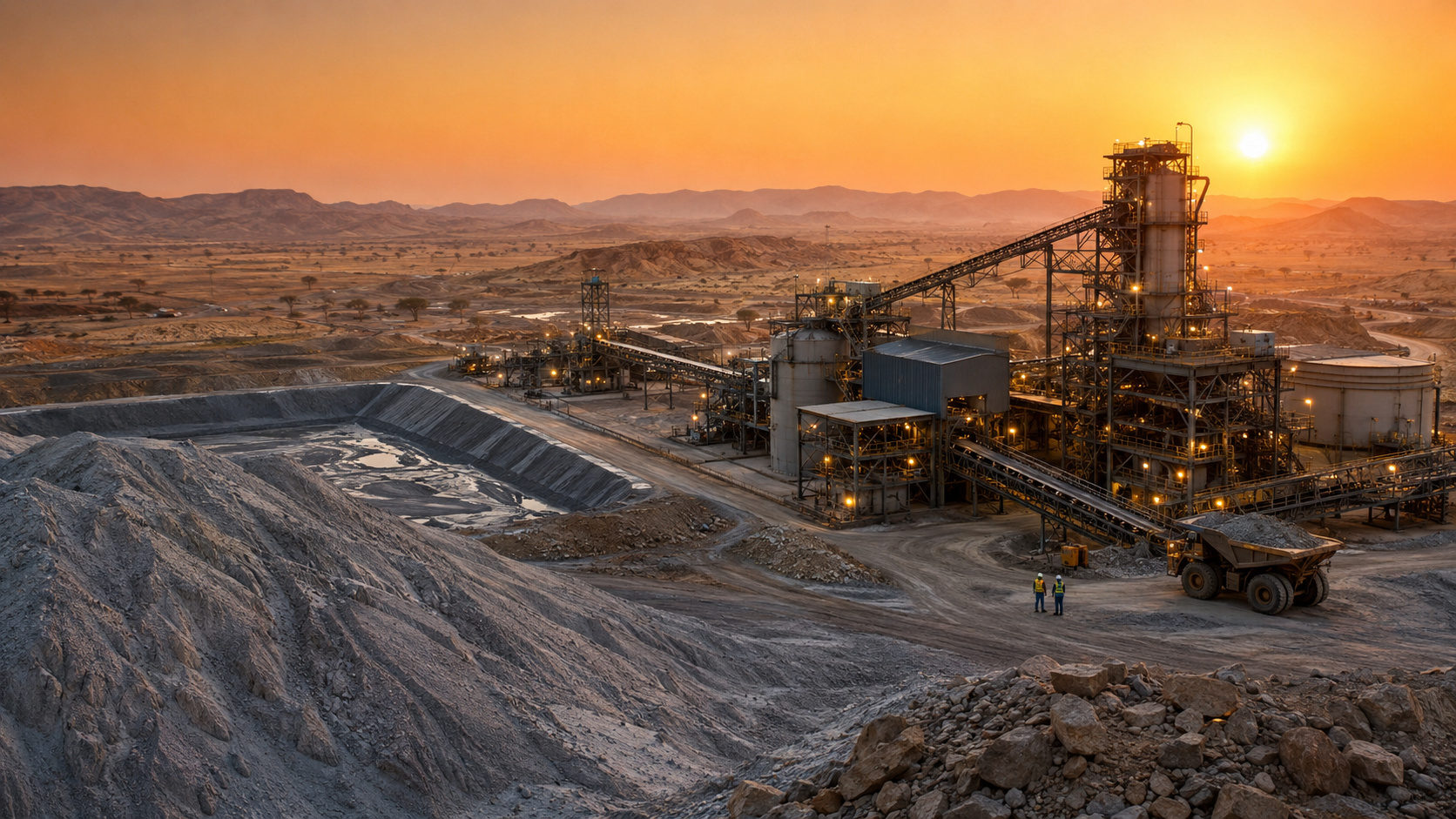
A mine located in Minaçu (GO), Serra Verde, has become a crucial link in the global supply chain of heavy rare earths — essential elements in the manufacturing of technologies such as electric cars, wind turbines, and military systems. It is the only significant producer outside Asia and operates with American capital, but primarily exports to China, according to the site Info Money.
Although it has emerged as an alternative to the Chinese monopoly, Serra Verde’s production is tied to Chinese companies until 2027. The reason is clear: only China has the necessary infrastructure to process these elements on an industrial scale. “They were the only customer capable of processing,” says Thras Moraitis, the company’s CEO.
The West Seeks Alternatives but Still Depends on China
Even with pressures from the United States and investments in separation plants in Europe and North America, the West still lacks sufficient technological capacity to replace the Chinese model. MP Materials, an American company in the sector, also exports a large part of its production to China.
-
Canadian Investment Transforms Remote Brazilian Amazon Town into Copper Hub for Global Electric Vehicle and AI Data Center Markets

-
Brazilian Company in Minas Gerais Innovates by Using Electric Currents to Extract Critical Metals from Industrial Waste

-
U.S. Acquires Brazil’s Only Rare Earth Mine for $2.8 Billion, Diverting It from China

-
Indian Project Aims to Recover Zinc and Silver from Mining Waste, Targeting Over ₹3.8 Billion Revenue in 28 Months


The Chinese dominance is a result of decades of industrial planning, which puts the rest of the world in a reactive position in the face of the growing demand for strategic minerals.
Brazil as a Key Player
Brazil has one of the largest potentials outside Asia to supply heavy rare earths, but faces structural obstacles to process these minerals internally. According to experts, this bottleneck limits national prominence in a strategic area for energy transition and technological sovereignty.


“Brazil can change the game,” says Constantine Karayannopoulos, co-founder of Neo Performance Materials. For that to happen, a technological and industrial leap would be necessary.
Despite new investments and promises of diversification, the export flow remains tied to China. The Brazilian mine, a symbol of a broader geopolitical dispute, shows how control over supply chains can define the future of energy and industrial security.