






 Portuguese
  Spanish


The unit in Minas Gerais uses molten oxide electrolysis to recover critical metals from mining waste and industrial processes. Niobium, tantalum, and tin appear among the materials in focus. The electric current acts on heated and liquid oxides. The technology shows how part of the waste can gain new industrial use.
While mining generates materials difficult to utilize, a unit in Coronel Xavier Chaves, near São João del Rei, works to recover critical metals present in mineral and industrial waste. The information was released by Boston Metal, a technology company focused on the production of metals.
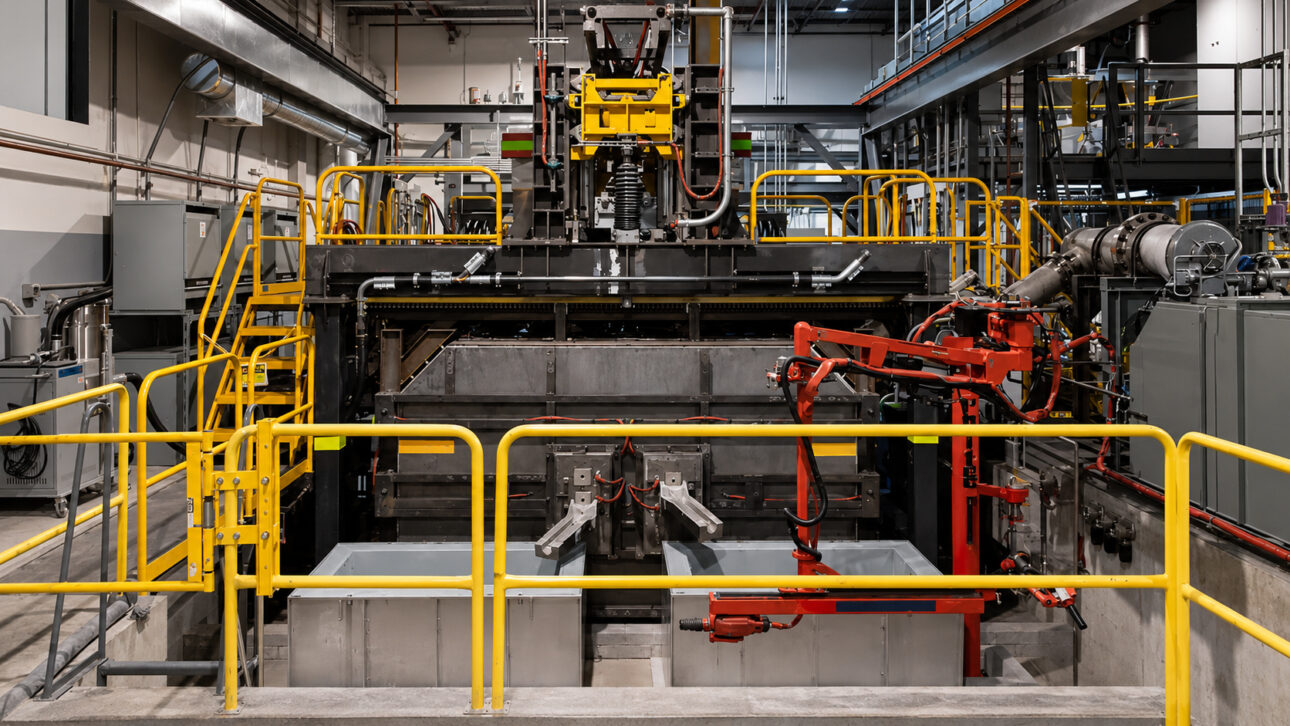
The operation uses molten oxide electrolysis, a method in which the material is heated until it becomes liquid and receives an electric current. The goal is to separate metals trapped in complex mixtures that may still have value for the industry.
The result depends on the material used and the metal to be recovered. Therefore, the technology does not work as an automatic solution for any mining waste or industrial process.
-
U.S. Acquires Brazil’s Only Rare Earth Mine for $2.8 Billion, Diverting It from China

-
Indian Project Aims to Recover Zinc and Silver from Mining Waste, Targeting Over ₹3.8 Billion Revenue in 28 Months

-
Global Race for Rare Earths Intensifies as U.S. and China Compete, Putting Brazil’s Vast Reserves in the Spotlight

-
Giant 142 kg Emerald from Brazil’s Bahia Region Auctioned with Starting Bid of Nearly $16 Million


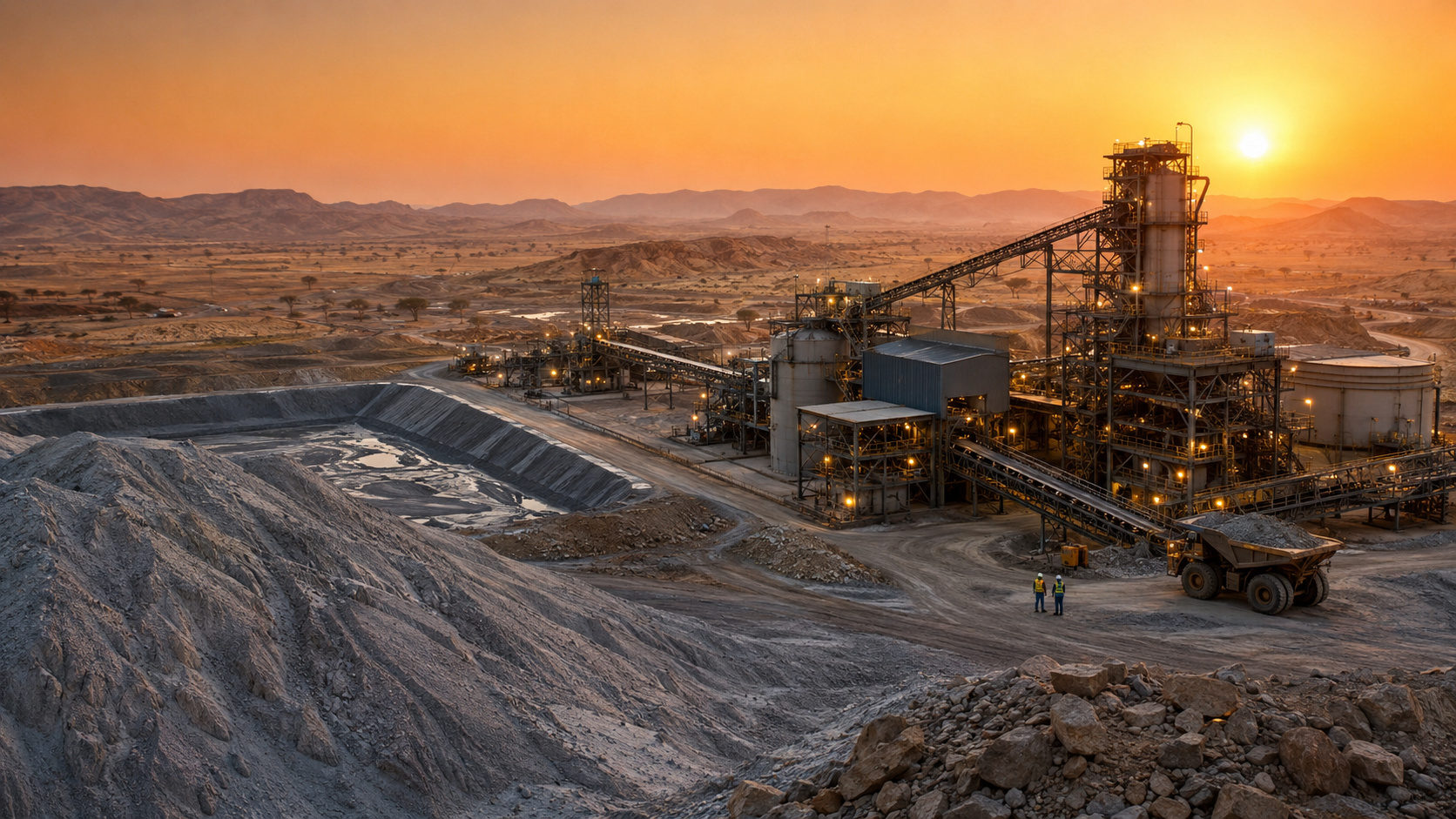


Critical metals are important for electronics, steel, and infrastructure
Critical metals are important materials for industrial chains, electronic equipment, and advanced technologies. In this case, the term highlights the relevance of these elements for activities that require stable supply.
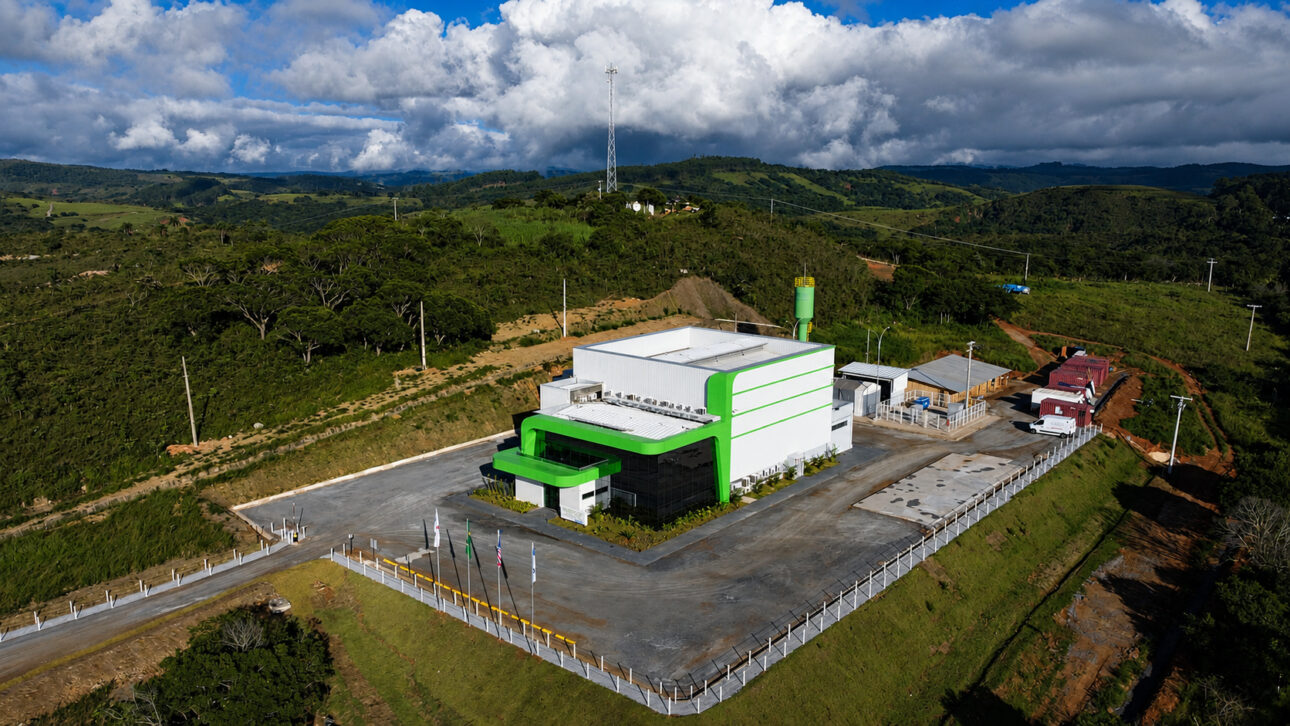
In the Minas Gerais operation, the focus includes niobium, tantalum, and tin. These metals can appear in metal alloys, electronic parts, and industrial applications that require resistance and durability.
The recovery of metals gains importance because some waste still carries useful materials, but in concentrations or mixtures that make utilization more difficult by common methods.
How molten oxide electrolysis separates metals
Oxide is a material formed by metal and oxygen. In molten oxide electrolysis, this material is heated until it reaches a liquid state.
Then, the electric current acts on the mixture. This process helps to selectively separate the metals of interest, without using the traditional blast furnace route.
In simple terms, the technology combines heat and electricity to extract value from materials that could have limited utilization in conventional processes.
Plant in Minas Gerais went through stages to reach industrial scale
Boston Metal, a technology company focused on metal production, reports that its Brazilian subsidiary is located in Coronel Xavier Chaves, near São João del Rei. The unit is presented as the first application of the company’s technology for the production of critical metals.
In 2022, the Brazilian subsidiary was opened and the installation site was defined. In 2023, offices and a pilot plant were completed, with the start of operations.
In 2024, construction of the industrial plant began. The company’s page records the completion of the work in 2025 and points to 2026 as a milestone for revenue generation with production on an industrial scale.
Niobium, tantalum, and tin enter metal recovery
Niobium can improve the quality of steel and has applications in automobiles, construction, and gas pipelines. This metal is important for products that need greater strength.
Tantalum has high corrosion resistance and is used in electronics and aerospace equipment. Tin is used in solders to connect electronic components and semiconductors.
In the Minas Gerais unit, tin is present in the raw material used in the process, and its extraction is part of the production. This links metal recovery to the manufacture of electronic equipment and other industrial products.
Metal recovery requires scale, control, and suitable material
The same technology does not automatically transform any waste into a product. Recovery depends on the composition of the mixture and the metal that needs to be separated.
The cells used in the process have a modular structure and can receive new units to increase capacity. This feature helps to adjust industrial production to the chosen materials.
The operation in Minas Gerais shows that mining and metallurgy waste can contain critical metals with industrial value. However, separation requires an appropriate process, technical control, and compatible scale.
The unit near São João del Rei focuses on the recovery of niobium, tantalum, and tin through the electrolysis of molten oxides. The case reveals an alternative to treat part of the waste as potential raw material.
Do you think Brazilian mining can gain value by recovering metals from waste, or is the biggest challenge still bringing this type of process to a large scale? Comment and share.


