Portuguese
  Spanish


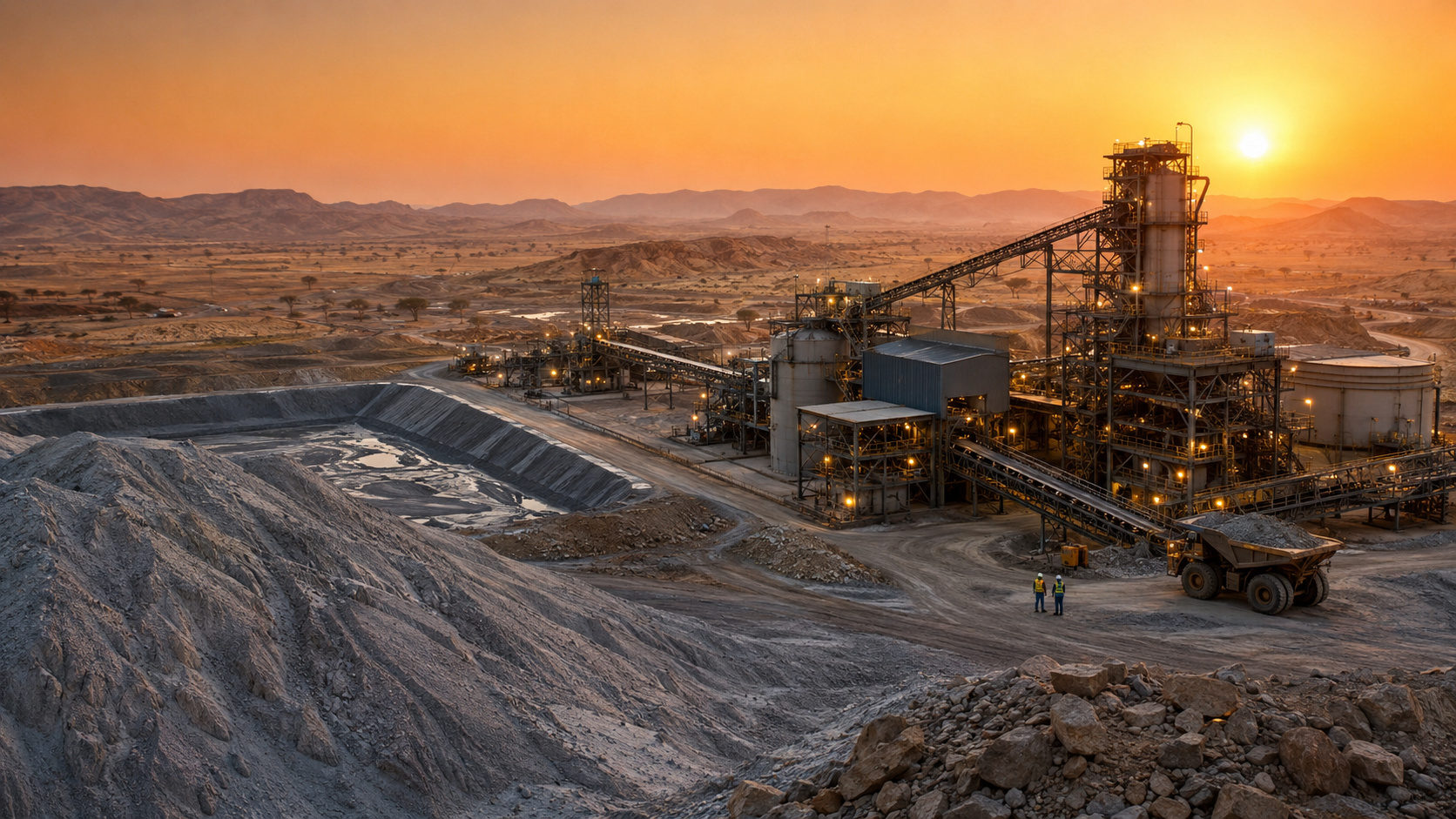

The recycling of mining tailings in Rajasthan plans to recover zinc and silver from already processed material, treat up to 10 million tons per year, use new industrial methods, and expand the debate on safety, cost, and utilization of resources that already exist in deposits.
What remains after mining can return to the industrial process. India plans a recycling of mining tailings in Rajasthan to recover zinc and silver that remained in already processed material.
The information was disclosed by Hindustan Zinc, an Indian mining and metal production company. On January 23, 2026, the company announced contracts to develop the unit, planned to treat up to 10 million tons per year.
The initiative is not yet ready. The schedule foresees completion in up to 28 months, counted from the project’s start date, with an approved investment of up to ₹3,823 crore. This limit exceeds ₹3.8 thousand crore, and crore is a counting unit used in India for large values.
-
Global Race for Rare Earths Intensifies as U.S. and China Compete, Putting Brazil’s Vast Reserves in the Spotlight

-
Giant 142 kg Emerald from Brazil’s Bahia Region Auctioned with Starting Bid of Nearly $16 Million

-
Volvo’s New Loaders Feature Obstacle Detection, Automatic Braking, and 360-Degree Operator View
-
Study Reveals 97% of Pregnant Munduruku Women in the Brazilian Amazon Have Mercury Levels Above Safe Limits, 90% of Newborns Contaminated by Gold Mining


Mining tailings can hide metals that did not come out in the first extraction
Mining tailings are the materials that remain after the initial processing of an ore. They can gather very fine particles of rock, water, and parts of the metals that were not separated in the first stage.
In the Rajasthan proposal, the focus is on zinc and silver present in already treated tailings. The recovery depends on the amount of metal still existing and the possibility of making the separation without creating new problems.
Therefore, not all tailings become a source of metal. Before the operation, it is necessary to verify if the recoverable volume compensates for the expenditure on energy, equipment, and treatment.
Project in Rajasthan foresees up to 10 million tons and investment of up to ₹3,823 crore
Hindustan Zinc, an Indian mining and metal production company, announced that the facility will have the capacity to process 10 million tons per year. The unit will be set up in Rajasthan and is planned to be completed within up to 28 months from the project’s start date.


In simple terms, this capacity indicates how much material can enter the plant in a year. The number does not equate to the amount of zinc or silver that will be recovered.
The approved investment reaches up to ₹3,823 crore, a spending forecast above ₹3.8 thousand crore to set up the unit.
Zinc and silver recovery requires new material treatment
The facility was planned to apply advanced processing techniques, that is, industrial methods used to separate zinc and silver from the part that has no metallurgical use.
This stage is not the same as just removing soil from a deposit. The tailings have already undergone processing, so the new recovery needs to deal with fine particles and a complex mixture of materials.
In practice, the plan seeks to find value in material that was left behind. This creates an additional source of metal, but does not automatically replace mining extraction.
Tailings recycling does not eliminate the need for safety in dams and deposits
Recovering part of the metal can reduce the amount of material accumulated over time. Even so, the movement and treatment of tailings need control, as any failure can affect people, water, and soil.
A recycling plant is not an automatic solution for all environmental liabilities. Dam safety and deposits require constant monitoring, water control, adequate structure, and management of the material that remains on site.
This care is important to correctly understand the Indian project. The unit is a planned operation to reuse metals, not a confirmation that all existing risks have been resolved.
Economic viability decides if the metal left in the tailings is worth a new operation
A plant of this size needs to process a lot of material to justify the expense. The project combines up to 10 million tons per year and an investment of up to ₹3,823 crore, therefore it relies on technology and scale to function.
There is also another important issue: the metal needs to be in sufficient quantity and recoverable at a viable cost. The existence of zinc and silver in the tailings does not mean that every deposit will have the same result.
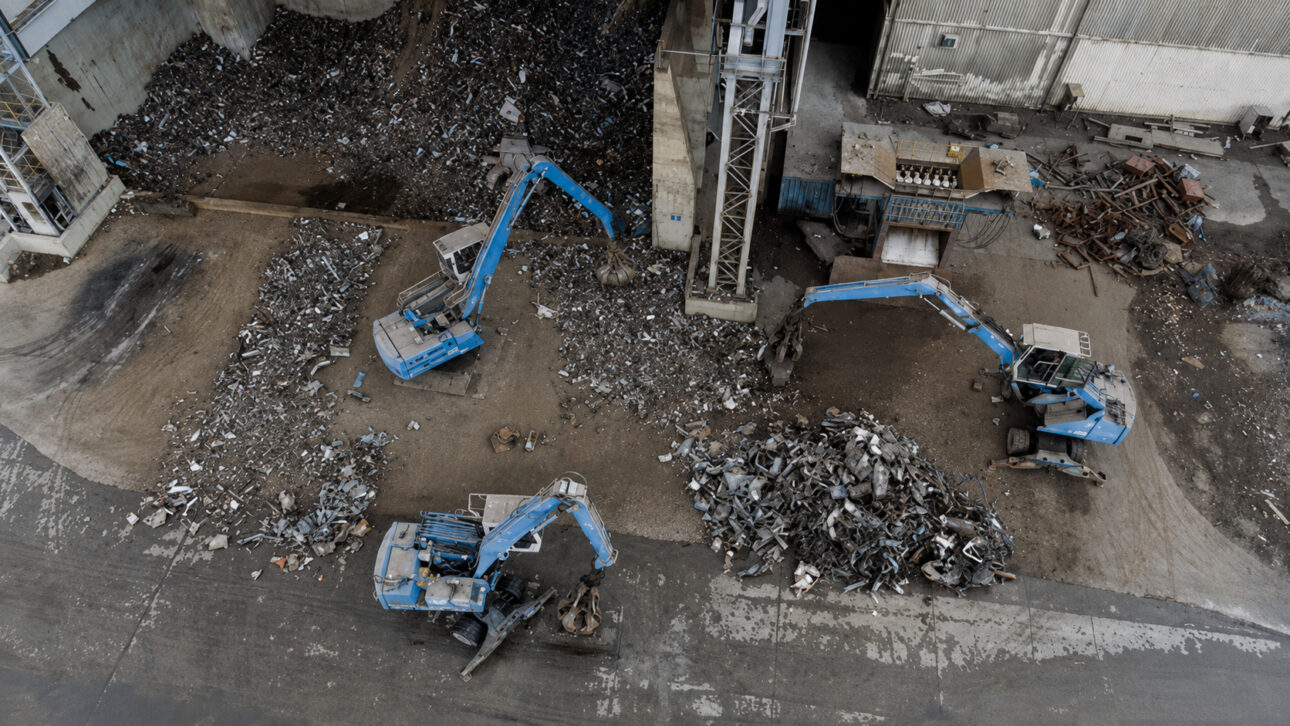
Reusing tailings can reduce waste, but each operation needs technical study, engineering, and environmental control before moving from the plan.
Brazil can view mining tailings as both a resource and a responsibility
In Brazil, the discussion about mining tailings brings together environmental liability and possible industrial use. The example of Rajasthan shows a way to process accumulated material, but it does not become a formula for all deposits.
Each location needs to be analyzed by the amount of metal, the conditions of the material, and the safety of the structure. This evaluation avoids two mistaken interpretations: treating all tailings as mere waste or treating recycling as an automatic response to risks.
Recovered metals can return to the industry, but utilization only makes sense when there is control over the operation and environmental responsibility.
The project in India places mining tailings on a new industrial route. Planned for Rajasthan, the unit seeks to recover zinc and silver, process up to 10 million tons per year, and be completed in up to 28 months.
In your opinion, can recovering metals from tailings reduce the opening of new mines without diminishing the demand for environmental safety? Share your views in the comments.