






 Portuguese
  Spanish


Far from Vale and Carajás, a foreign mining company declared commercial production in July 2025 and put a farming and cattle city on the critical minerals route
The copper from Tucumã came out of nowhere. In a southeastern Pará city more associated with pasture, farming, and sawmills than cutting-edge mining, the Canadian Ero Copper invested about US$ 310 million, built an entire mine from scratch, and on July 1, 2025, declared the official start of operations. Overnight, Tucumã entered the global map of the metal that powers electric cars, power grids, and artificial intelligence data centers.
The Tucumã Operation went into full regime after commissioning the third filter press and making adjustments to the plant, already running above 75% of the projected capacity. It’s a new mine, built practically from scratch, in a country where copper has always been synonymous with Vale and Carajás. A foreign company has just proven that there is still room for a new Brazilian copper hub outside the giants’ axis.
From farming city to new copper hub
Tucumã was born as a colonization project in the Pará Amazon, a land of family farming, cattle ranching, and timber. It’s not the kind of place imagined at the center of the global race for critical minerals. And it is precisely this contrast that makes the story so surprising.
-
Brazilian Company in Minas Gerais Innovates by Using Electric Currents to Extract Critical Metals from Industrial Waste

-
U.S. Acquires Brazil’s Only Rare Earth Mine for $2.8 Billion, Diverting It from China

-
Indian Project Aims to Recover Zinc and Silver from Mining Waste, Targeting Over ₹3.8 Billion Revenue in 28 Months
-
Giant 142 kg Emerald from Brazil’s Bahia Region Auctioned with Starting Bid of Nearly $16 Million


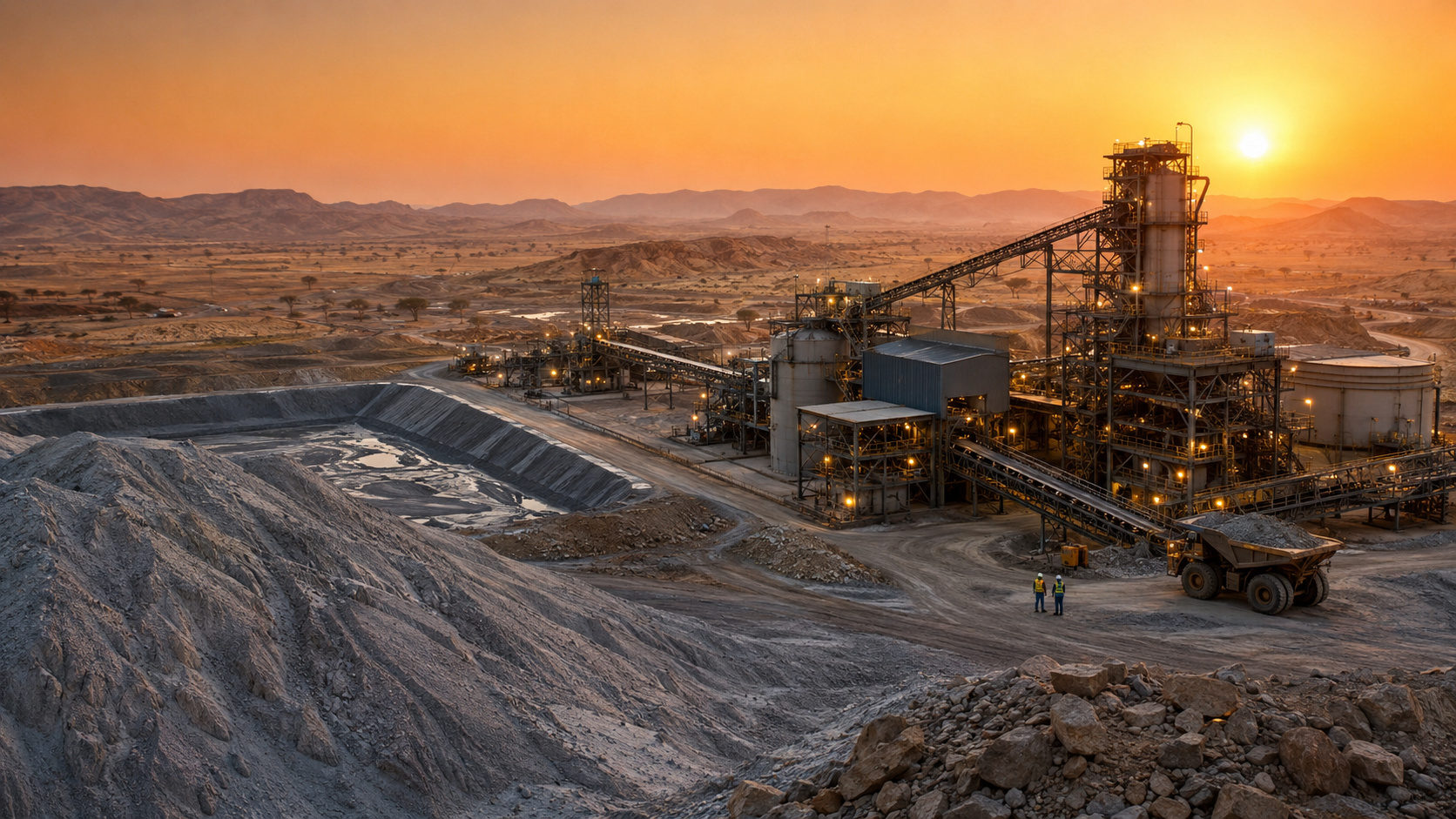

While global economic news talks about mega mines in Chile, Peru, and the Democratic Republic of the Congo, it was a small city in the interior of Pará that received a complete greenfield operation, with a processing plant, dam, infrastructure, and logistics to export copper concentrate. What seemed unlikely, an international standard mine sprouting in a dirt road city, became reality in a few years of work.
According to Mining News, Ero Copper conducted the project from study to operation at an accelerated pace, betting on an asset that the market still underestimated. The result is one of the few truly new copper mines to start operations in Brazil in recent years.
The US$ 310 million that built the mine from scratch
Building a mine is not like setting up a warehouse. The US$ 310 million investment had to cover everything: opening the pit, beneficiation plant, filtration system, energy, access, and all the environmental apparatus required to operate in the Amazon. It’s heavy capital, long-term and high-risk, wagered on a single point on the map.
The Tucumã plant was designed to process 4 million tons of ore per year. By July 2025, when the milestone was declared, the operation was already running at about 75% of that capacity, a sign that the learning curve, always delicate in new mines, was progressing as expected.
The impressive detail is the speed. While many mining projects drag on for more than a decade between discovery and first production, Tucumã moved from the drawing board to the market in a timeframe that placed the mine among the few relevant new developments in the copper sector in the country.
What the commercial production in July meant
In mining jargon, declaring commercial production is a precise milestone, not a catchphrase. It means that the mine has moved past the testing and commissioning phase and has begun operating in a stable and continuous manner, with the plant delivering volume and quality within the project’s parameters. It is the line that separates the construction site from the metal factory.
To get there, Ero Copper needed to commission the third filter press, equipment that removes water from the concentrate before transport, and make modifications to the plant. Only after the operation sustained levels above 75% of capacity did the company set the date for July 1, 2025.
This formality has real economic weight. From this milestone, costs are no longer treated as investment, and the revenue from copper sales starts to enter the cash flow recurrently, changing the financial logic of the entire enterprise.
How much copper from Tucumã will come out
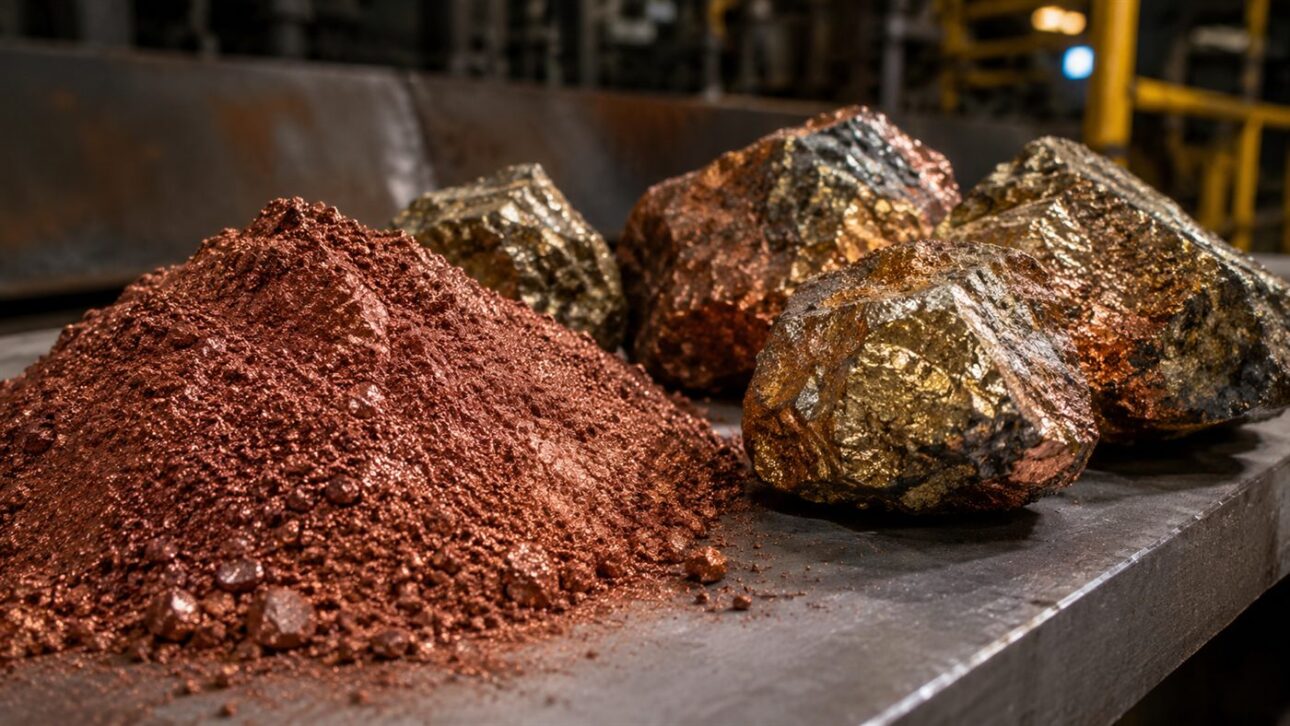
The reserve numbers show why the bet makes sense. According to Gazeta Carajás, the operation works with reserves of around 43 million tons of ore, with an average copper grade of 0.83%, which represents about 356.6 thousand tons of contained metal and an estimated lifespan of around 12 years in open-pit mining. It is from this volume that the copper from Tucumã, now reaching the market, comes out.
In the short term, the projection is robust. For 2025, the expectation is to produce between 37.5 thousand and 42.5 thousand tons of copper in the Pará operation, a huge leap compared to the approximately 5.2 thousand tons of concentrate recorded still in the startup phase, in 2024. In a single year, the mine moves from the thousands to the tens of thousands of tons.
This volume is not gigantic compared to the super-large mines of Carajás, but it is significant and, most importantly, new: every ton that comes out of Tucumã is an additional supply of copper that Brazil did not have before.
Why the World Wants This Copper
The timing couldn’t be better. Copper is the metal of electrification: it’s in cables, motors, batteries, and substations. Without it, there are no electric cars, no expansion of electrical grids, and no explosion of data centers that artificial intelligence demands. That’s why the energy transition has turned copper into a strategic asset contested by powers.
The demand projections are aggressive, and the market fears supply deficits in the coming decades precisely because opening new mines is expensive, slow, and environmentally sensitive. In this scenario, a mine that starts operating today is worth gold, or rather, it’s worth copper. Each project that manages to reach full operation helps close the gap that worries the global industry.
This is Tucumã’s fit in the larger story. The city in Pará has started supplying, amidst projected scarcity, one of the most coveted inputs of the 21st-century economy.
It’s Not Vale or Carajás: The Shift in the Copper Map
When it comes to copper in Brazil, the mind goes straight to Vale and the Carajás complex. The Tucumã operation breaks this automatism. It’s a foreign, medium-sized company proving that the Brazilian subsoil holds copper opportunities beyond the assets of the big players. Tucumã’s copper is proof that the map can have more names.
This matters for the country. The diversification of operators and producing regions reduces dependence on a single player, attracts international capital, and spreads development to municipalities that previously only lived off agriculture. A copper map with more than one name on it is a stronger map for Brazil.
National copper mining, historically small compared to the country’s geological potential, gains a concrete argument with cases like this: it’s possible to transform known deposits into real and competitive mines, even away from the spotlight.
What Changes for Tucumã and Pará
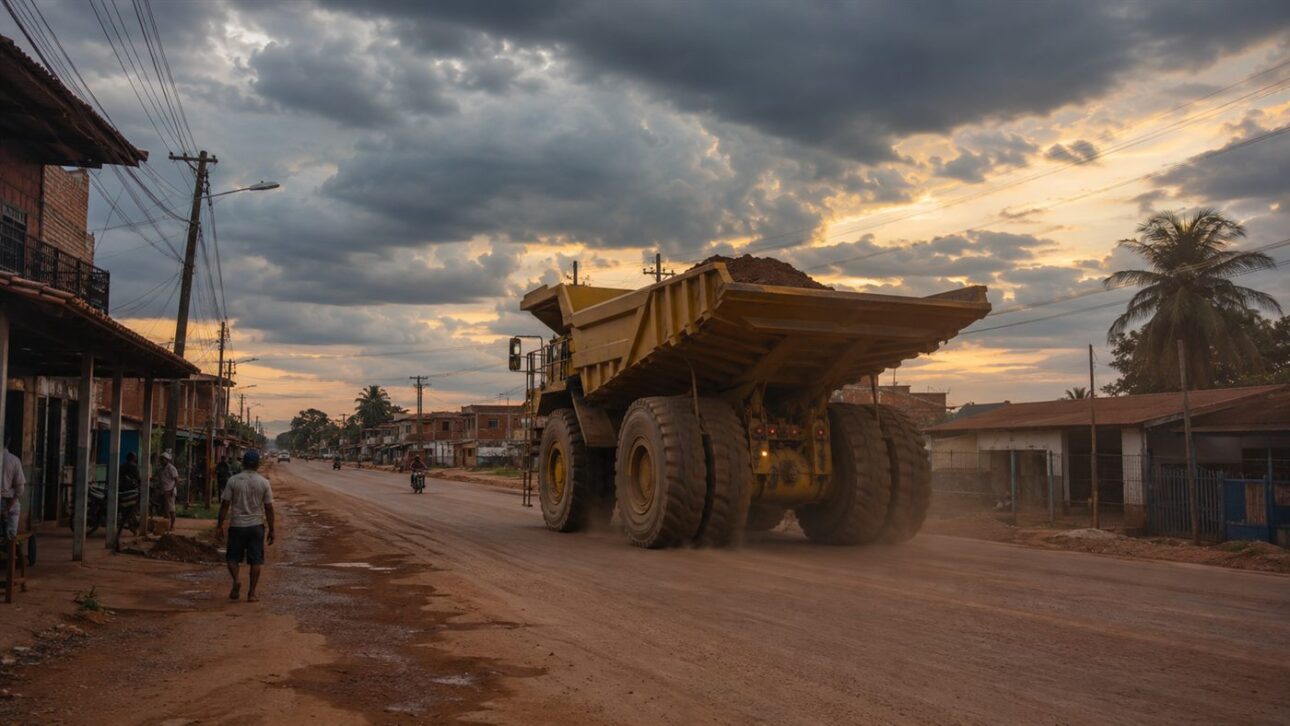
For the city, a fully operational mine means revenue, direct and indirect jobs, a supply and services chain, as well as royalties that help the municipal budget. It’s an injection of formal economy in a place where it is usually scarce.
At the same time, the arrival of an operation of this size brings the typical dilemmas of mining towns: pressure on urban infrastructure, increased cost of living, economic dependence on a single sector, and the need to plan for the day after the mine closes. Twelve years of open-pit mining pass quickly.
The challenge, for Tucumã and Pará, is to transform the temporary income from mining into lasting development, with economic diversification and investment in education and infrastructure that will survive the depletion of the deposit.
The challenges of mining copper in the Amazon
None of this erases the environmental tensions. Operating a mine in the Amazon requires strict licensing, dam control, water and waste management, and constant monitoring, in a biome that attracts the world’s attention. The scrutiny on each new mine is, and should be, severe.
The case of Tucumã will be monitored as a thermometer: is it possible to reconcile the production of a metal essential to the energy transition with the preservation of the Amazonian environment? The answer is not given and will depend on the conduct of the operation over the coming years.
For now, the fact is concrete and counterintuitive: a rural town in Pará has become a global supplier of copper, from scratch, driven by foreign capital and the world’s thirst for critical minerals. If Tucumã succeeded, how many other forgotten deposits in Brazil are just waiting for the moment to enter the map?


