Portuguese
  Spanish


Behind the advancements brought by artificial intelligence (AI) there is a dark secret: AI could leave the world without electricity in 2025. However, solar energy could save us from this catastrophe. Want to know more about this little-known risk? Keep reading.
Technology giants like Amazon, Google, and Microsoft are heavily investing in artificial intelligence. These companies need very powerful processors to store and transmit data. Additionally, companies across all sectors are adopting digital transformation, which further increases the demand for data processing.
All this information is stored in data centers, which are physical facilities with many servers, storage units, and networking equipment. These data centers operate 24 hours a day, 7 days a week, consuming a lot of energy.
Data Centers Need Cooling Systems to Keep Equipment at an Appropriate Temperature, Further Increasing Electricity Consumption


In 2023, there were about 8,000 data centers worldwide, consuming 1.5% of global energy. This number is growing rapidly, and it is predicted that these data centers will consume 4% of the world’s energy by 2030. To give you an idea, each hour of watching Netflix consumes 0.008 MWh of electricity, while training ChatGPT-3 (artificial intelligence) in 2020 used 1.3 TWh, more than what 120 homes consume in a year.
-
Solar energy reaches 55 GW, becoming the second largest power source in Brazil’s energy mix

-
Brazilian scientists are simultaneously advancing two research projects on clean hydrogen and driving solutions that could transform the energy matrix, enhance industrial competitiveness, and accelerate large-scale emission reduction targets.
-
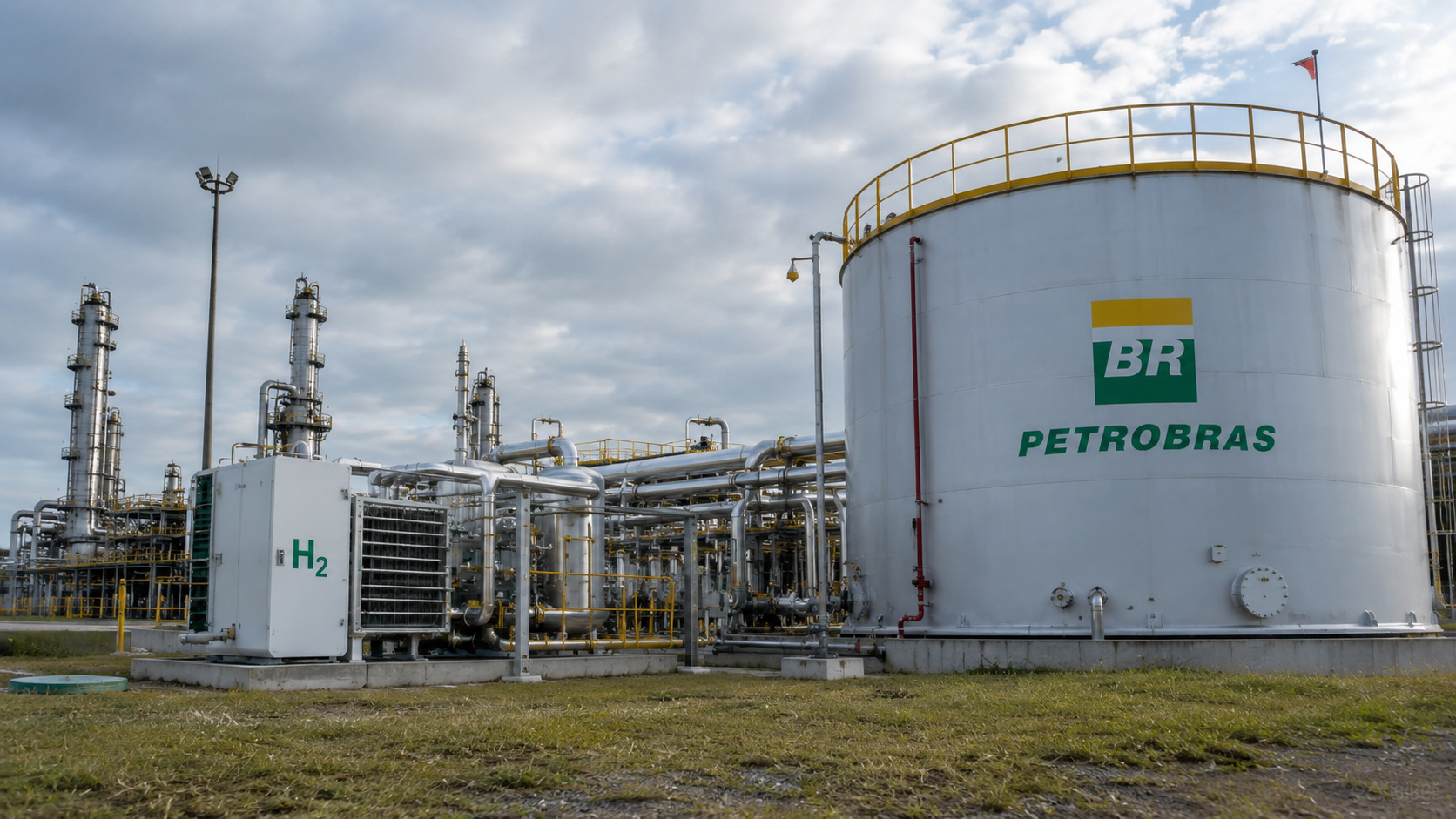
Advancement in renewable energy: A R$ 150 million project launched by Petrobras and Finep aims to create state-of-the-art electrolyzers for green hydrogen, strengthening national research and preparing Brazil to compete in a billion-dollar energy market.
-
Solar energy can increase property value by up to 10% and become a selling point.


Elon Musk, owner of Tesla, predicted that by 2025 there will be a shortage of electricity in the world. He explains that the rapid advancement of artificial intelligence, coupled with the popularity of electric vehicles, will increase the demand for chips and electrical transformers beyond supply capacity. According to Musk, the current shortage of neural chips will transform into a shortage of electrical transformers and eventually lead to a critical lack of electricity.
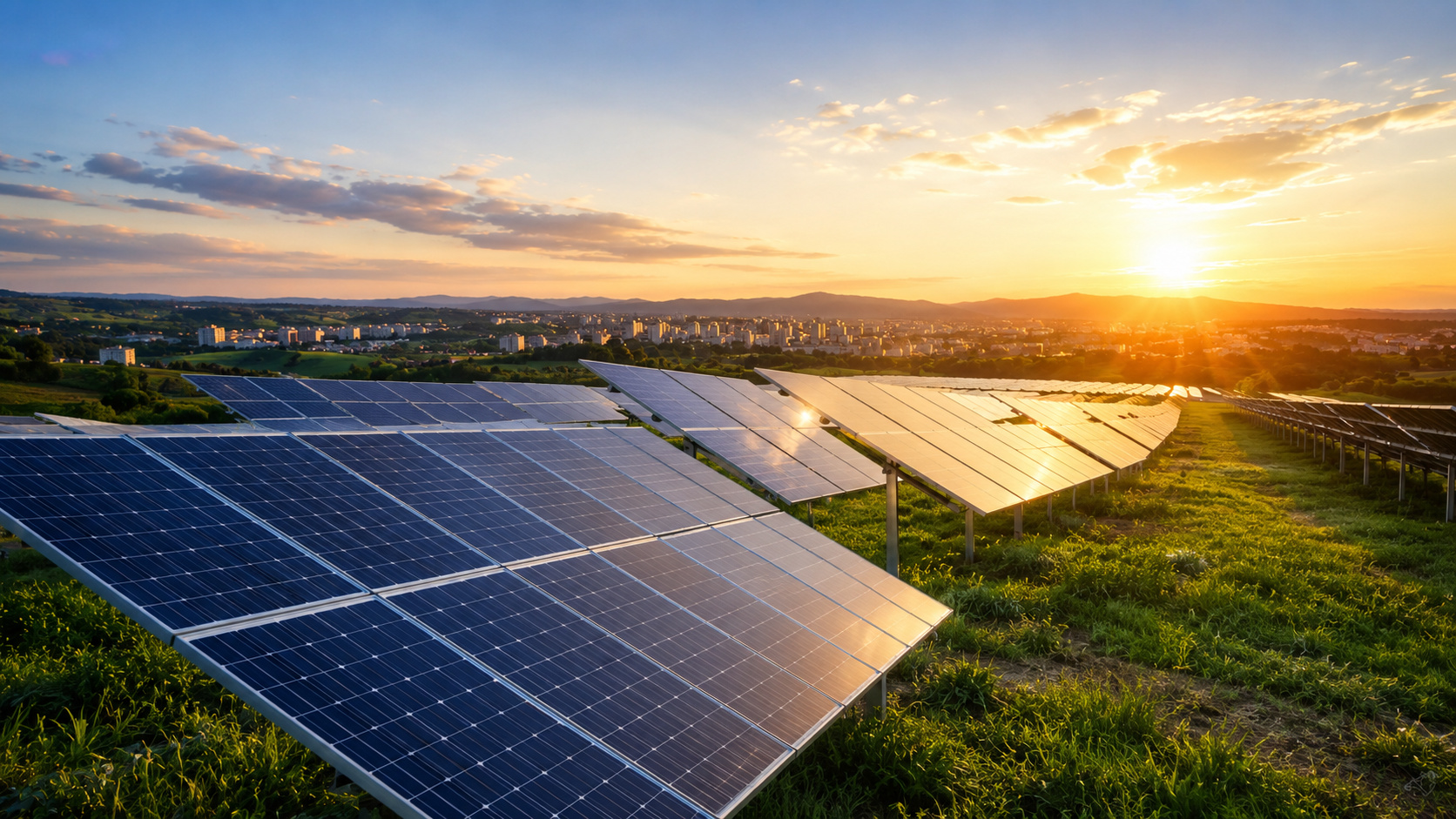
To Solve This Artificial Intelligence Problem, Elon Musk Suggests Increasing the Generation of Clean Energy, Such as Solar Energy, and Increasing the Production of Electrical Transformers
In 2023, renewable energies hit a record in implementation, accounting for 86% of installed capacity worldwide, with solar energy representing 73% of this growth. Will solar energy be enough to offset the growth of artificial intelligence?
Increasing solar energy generation could be the solution to avoid a global electricity crisis. Share your opinion in the comments and understand how Elon Musk’s solar panel could revolutionize the solar energy market.