






 Portuguese
  Spanish


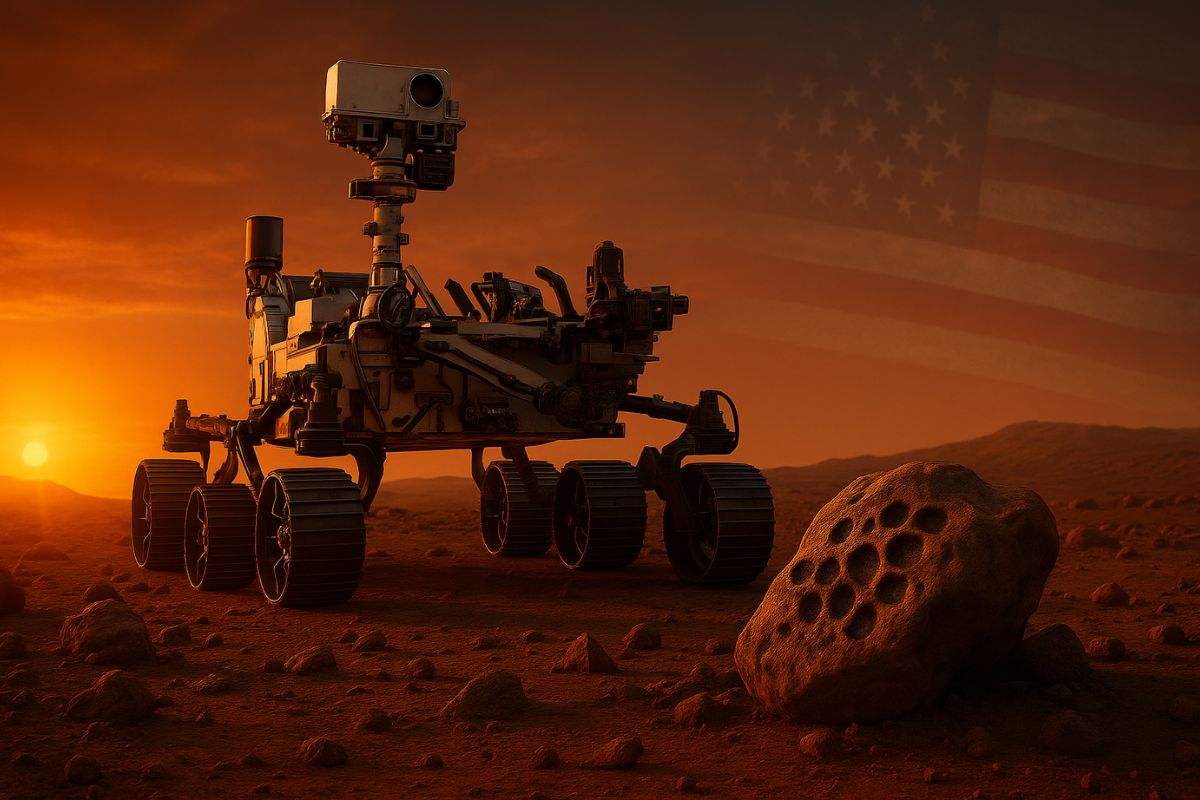


NASA Announces Discovery On Mars With Signs That May Indicate Fossilized Microorganisms In Ancient Rocks, But 50% Budget Cuts Put The Mission At Risk That Could Bring Samples To Earth And Confirm The Possible Existence Of Life Outside The Planet.
The NASA Announces Discovery On Mars That May Redefine The Understanding Of Life In The Universe. The Perseverance Rover Identified In 2024 A Rock With Spots Known As “Leopard Spots”, Structures That Resemble Remnants Of Preserved Microorganisms In Ancient Martian Lakes. The Material Was Collected In The Sheiava Falls Region, Near The Jezero Crater, Where Rivers Flowed About 3.5 Billion Years Ago.
Scientists Highlight That The Initial Analysis Revealed Carbon-Based Organic Compounds, As Well As Minerals Such As Iron, Phosphorus, Calcium Sulfate, And Hematite. The Chemical Hypothesis Was Considered, But Discarded For Requiring Extreme Temperatures That Do Not Align With The Geological History Of Mars. Therefore, The Possibility That The Records Have Biological Origin Is Growing.
What Scientists Found
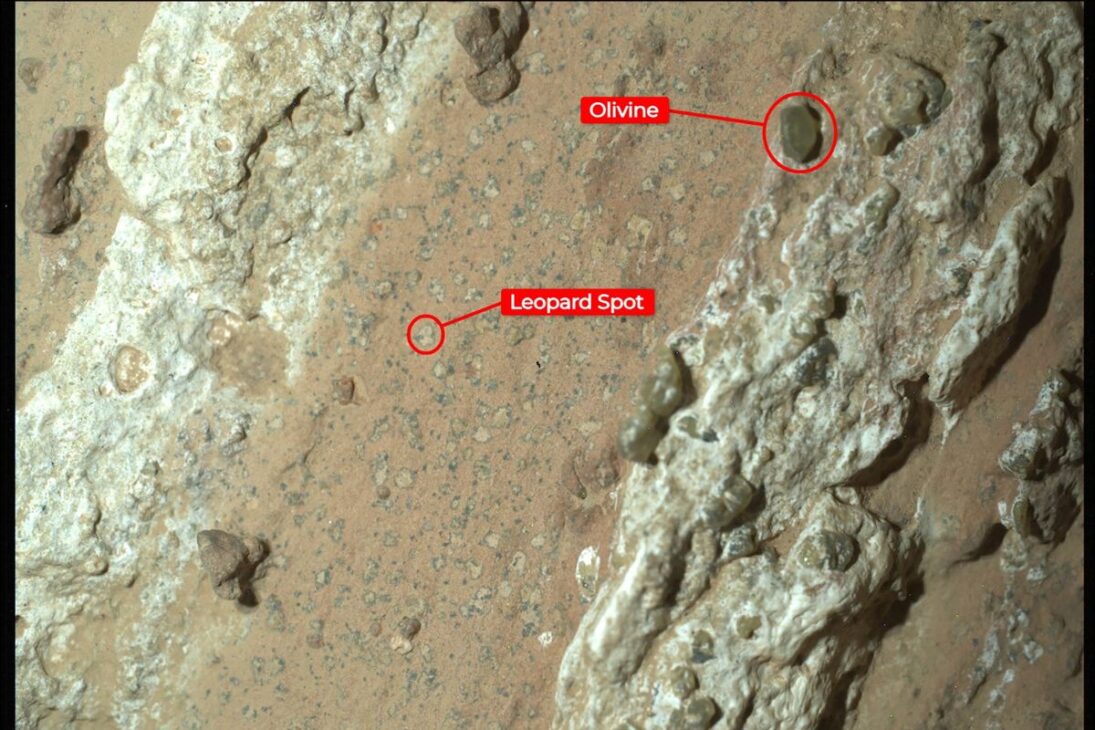
The Rover Used Advanced Instruments Such As Sherloc, Capable Of Detecting Organic Molecules, And PIXL, Which Identifies The Chemical Composition Of Rocks.
-
AI Data Centers Now Feature Built-In Nuclear Power Plants and Have Ordered Non-Existent Reactors

-
In India, thousands earn about $2.50 an hour cooking and cleaning with a phone strapped to their heads, as every move is recorded to train humanoid robots for jobs they might one day replace.

-
Nuclear Fusion Study Proposes Transforming Mercury into Gold Using Tokamak Neutrons, but Real-World Application Remains Uncertain
-
Brazilian Researchers Develop Floor Tiles That Convert Student Footsteps into Electricity to Reduce University Energy Costs





Together, These Tools Showed Signs Similar To Those That Have Been Associated With Fossilized Microorganisms On Earth.
According To Experts Cited In An Article From Nature, The Patterns Found May Be “True Fingerprints” Left By Bacteria In Ancient Martian Slimes.
This Finding Is Considered Especially Relevant Because It Coincides With The Same Period When Life Is Thought To Have Emerged On Earth, Billions Of Years Ago.
If Confirmed, The Discovery Would Reinforce The Idea That Life May Not Be An Exclusive Phenomenon Of Our Planet, But Rather A Recurring Possibility In Different Environments In The Cosmos.
The Challenge Of Budget Cuts
Despite The Scientific Impact, The Advances Face Obstacles.
NASA Planned To Bring To Earth 27 Tubes Of Samples Collected By Perseverance, Which Would Allow For A Complete Analysis In Earth-Based Laboratories.
However, Cuts Of 50% In The Agency’s Budget Put This Mission At Risk.
The Lack Of Resources May Delay Or Even Make The Logistics Necessary To Transport The Material From Mars To Earth Impossible.
This Threatens The Chance To Definitively Validate The Indications Already Found, In Addition To Compromising Decades Of Research On The Possibility Of Life Outside Earth.
What Is At Stake For The Future Of Space Exploration

The Cuts Raise Concerns Not Only About The Present But Also About The Future Of Space Exploration.
Bringing Samples From Mars Would Be A Fundamental Step To Prepare Manned Missions And To Expand International Scientific Cooperation Around The Search For Extraterrestrial Life.
The Political Impact Is Evident: Reducing NASA’s Capacity At A Time Of Relevant Discoveries May Weaken The United States’ Leadership In Space Research, Opening The Door For Other Powers, Such As China And Europe, To Advance In This Field.
The Fact That The NASA Announces Discovery On Mars With Concrete Evidence Of Microbial Life Is A Milestone For Science.
However, The Budget Limitations Cast Doubt On Whether These Evidence Will Be Confirmed Definitively.
And You, Do You Believe That Humanity Is Facing Proof That We Are Not Alone In The Universe, Or Will Budget Cuts Delay This Answer? Leave Your Opinion In The Comments — We Want To Hear From Those Following The Directions Of Space Exploration Closely.


