








The electricity hunger of artificial intelligence has become so gigantic that the world’s largest tech companies have stopped simply buying energy and have gone after entire nuclear power plants, closing gigawatt contracts and even ordering reactors of a type that hasn’t yet entered commercial operation anywhere.
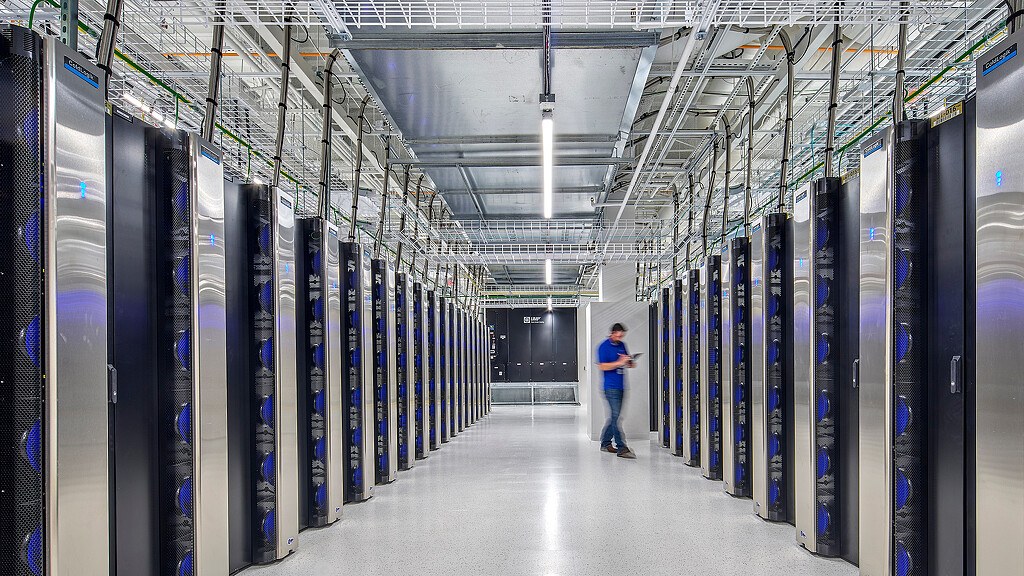
Training and running the artificial intelligence models that have become trendy consumes an unimaginable amount of energy. Each new AI-dedicated data center draws from the grid the equivalent of a medium-sized city’s consumption, and the bill only grows. The problem is that this hunger has clashed with an electrical grid that was already at its limit, and tech giants discovered there weren’t enough outlets for so many machines.
The solution they found has an old name and a new face: nuclear energy. Instead of waiting for the grid to cope, companies like Meta, Amazon, Microsoft, and Google started closing direct agreements with atomic plants, securing a firm and carbon-free supply for themselves. It’s a move that would have seemed absurd a few years ago and has now become a race.
Billions of watts contracted
The numbers are impressive. Meta announced agreements totaling more than six gigawatts of nuclear energy to power its AI superclusters, including a twenty-year contract with a plant in the state of Illinois. Amazon is investing billions to transform land connected to a nuclear plant in Pennsylvania into an atom-powered data center campus, with nearly two gigawatts available.
-
In India, thousands earn about $2.50 an hour cooking and cleaning with a phone strapped to their heads, as every move is recorded to train humanoid robots for jobs they might one day replace.

-
Nuclear Fusion Study Proposes Transforming Mercury into Gold Using Tokamak Neutrons, but Real-World Application Remains Uncertain

-
Brazilian Researchers Develop Floor Tiles That Convert Student Footsteps into Electricity to Reduce University Energy Costs

-
Cambridge Scientists Achieve Solar-Powered Plastic Recycling, Converting Waste into Valuable Chemicals Without Fossil Fuels, Paving the Way for a Low-Carbon Circular Economy



Microsoft took an even more symbolic step: it closed a deal to restart one of the reactors at Three Mile Island, the plant famous for an accident in the 1970s, now resurrected just to power servers. And Google ordered energy from small modular reactors from the company Kairos Power. Combined, the big tech contracts already exceed ten gigawatts of new or recovered nuclear capacity in the United States.
Reactors that don’t exist yet
Here lies the most surprising detail of the story. Much of this promised energy will come from so-called small modular reactors, the SMRs, a technology that promises compact nuclear plants, manufactured in series in a factory and assembled on-site like Lego pieces. The problem is that almost none of these reactors are commercially operational yet: companies are, in practice, contracting energy from machines that exist more on paper and in prototype than in concrete.
It’s a calculated risk bet. The big techs have so much money and urgency that they are willing to finance in advance the development of this new nuclear generation, funding reactors that might only be ready by the end of the decade. The logic is simple: without firm and clean energy, the AI race stalls, and no one wants to be the one left without a plug at the decisive moment. I imagine the level of faith required to sign a contract for something that hasn’t yet left the factory.
Everyone’s electricity bill
This entire appetite has a side effect that reaches people’s homes. When a big tech buys huge blocks of energy and competes for every available megawatt, the pressure on the grid rises, and there is a real fear that the common consumer’s electricity bill will rise along with it. In some regions of the United States, residents already complain about higher tariffs and transmission works ultimately funded by those who just want to keep their fridge running.
That’s why securing their own energy source has become so strategic for tech companies. By tying up an entire nuclear plant just for themselves, Meta or Amazon remove their gigantic demand from the public grid, theoretically relieving pressure on other consumers. In theory, everyone wins; in practice, it depends on how the new energy is built and who pays for the infrastructure that connects it. This is a debate that is just beginning.
Why not solar or wind
The natural question arises: why nuclear, and not the trendy renewables? The answer is the word firmness. Sun and wind are cheap but intermittent: they stop when night falls or the wind ceases, and an AI data center cannot turn off part of the servers because a cloud arrived. The nuclear reactor, on the other hand, delivers constant power 24 hours a day, exactly the type of supply that a hungry artificial brain requires to not blink.
This nuclear renaissance driven by technology has effects that go beyond data centers. It injects money into a stagnant sector, accelerates the development of compact reactors, and may ultimately make atomic energy cheaper for everyone. We often see AI as the villain of energy consumption, and it is, but it might end up inadvertently funding the return of a clean and powerful source.
There are, of course, the old ghosts. Radioactive waste, safety, the high cost of building a plant, and the time it takes remain real challenges, and restarting reactors or betting on unproven technology brings uncertainties. But the market’s message is unequivocal: to power the next generation of artificial intelligence, the chosen path was to return to the atom.
In the end, it’s quite a turnaround. The most futuristic technology we have, AI, has knocked on the door of the densest energy source we know, nuclear, and the two worlds are now intertwined. Whoever secures a reactor first will also secure the front spot in the race.
Does it make sense to fund artificial intelligence with nuclear reactors that aren’t even ready yet?


