






 Portuguese
  Spanish


Discover How a Traditional Brazilian Product Gained a Fundamental Role in Innovative Space Technology, Boosting NASA Rockets with Sustainable Biofuel, Resulting from Research that Connects Agriculture, Science and the Future of Off-Earth Exploration.
When we talk about Brazilian coffee, the first image that comes to mind for many people is that of a hot, aromatic cup, a symbol of the routine and work of millions of Brazilians.
However, what many do not know is that coffee produced in Brazil — the world’s largest producer of the beverage — has gone beyond the boundaries of our planet.
A product derived from Brazilian coffee has even been used in NASA missions, not as a beverage, but as part of a technological innovation that is helping to power rockets and pave the way for more sustainable fuels in space exploration.
-
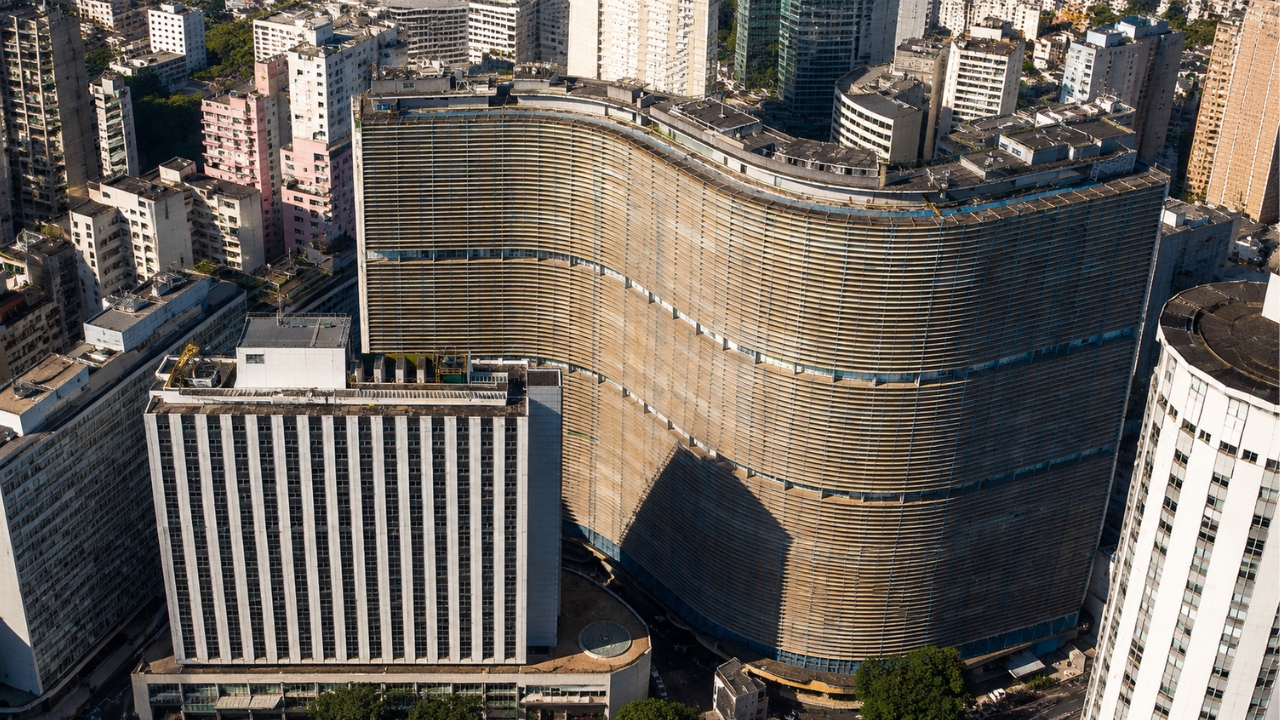
Latin America’s Largest Residential Complex Located in São Paulo Boasts 1,160 Apartments, 72 Shops, 22 Elevators, and 104 Staff Members

-
Rare 1747 Lutheran Bible from Germany, Preserved in Southern Brazil, Showcases Unique Engravings and Handcrafted Techniques

-
Texas Teens Win $50,000 at World’s Largest Science Fair for Developing Non-Surgical Brain-Controlled Bionic Prosthesis with 98% Accuracy

-
Before Japan Became a Football Powerhouse, Zico Transformed the Amateur League, Boosted the J.League, and Was Honored with a Statue at Kashima Antlers


From Bean to Rocket: The Surprising Journey of Brazilian Coffee
Brazil is responsible for about 35% of the world’s coffee production, according to data from the International Coffee Organization (ICO), and is a reference in quality and volume.
But what few know is that the waste generated in the coffee production process — such as husks and pulp, discarded after roasting and grinding — can be used as raw material for a highly efficient and ecological biofuel.
That is exactly what Brazilian researchers, in partnership with Riser Energy (based on real initiatives for Brazilian biofuels), discovered by transforming this waste into a sustainable fuel that can be used in rockets.
This transformation represents a giant step for sustainability in the aerospace sector, as it makes use of materials that would traditionally be discarded and would go through decomposition processes that release greenhouse gases.
The Science Behind Coffee Biofuel
The fuel is produced through a process called pyrolysis, which consists of the thermal decomposition of organic coffee waste in the absence of oxygen, generating bio-oil and gases that can be refined to compose alternative fuels.
This bio-oil has characteristics that make it suitable for use in high-performance engines, such as those in rockets.
The difference of this biofuel lies in its carbon-rich composition, which provides the necessary energy for propulsion, in addition to being a renewable source with low environmental impact.
Partnership with NASA and Space Tests
NASA, always committed to reducing the environmental impacts of its missions and seeking alternative fuels that reduce dependence on fossil fuels, became interested in the Brazilian project.
In 2019, the American agency conducted tests with the biofuel produced from coffee in suborbital rockets, demonstrating that it is possible to achieve stable and efficient combustion, with significantly lower emissions compared to traditional fuels such as kerosene.
Moreover, the tests showed that the use of coffee-based fuel could reduce operational costs since the raw material — coffee waste — is cheap and abundant in Brazil and other producing countries.
Environmental and Economic Impacts of Coffee Fuel
The development of this biofuel represents an innovation that can transform the aerospace industry and, more broadly, the transportation sector.
The combustion of coffee-derived fuel produces less carbon dioxide and other polluting gases, contributing to the reduction of the carbon footprint of space missions.
In economic terms, utilizing agricultural waste creates a new production chain, with the potential to generate jobs in coffee-producing regions, especially in rural areas, promoting sustainable development.
To give an idea, it is estimated that Brazil generates about 20 million tons of coffee waste annually, a raw material practically discarded and which can now become a valuable resource for high-tech industries.
Brazilian Coffee and the Future of Space Exploration
The use of biofuels is a global trend, especially in the context of climate change and the search for sustainability.
Major space agencies, such as NASA, ESA (European Space Agency), and Roscosmos, have invested in research to reduce the environmental impact of space missions.
In this scenario, Brazil stands out not only as a coffee producer but as an important protagonist in the innovation of biofuels, showing that local knowledge can generate global solutions.
This technology is still in the experimental phase, but advancements indicate that in the future, rockets could be powered by fuels derived from renewable sources like coffee, contributing to a cleaner planet and more sustainable space exploration.
Curiosities and Historical Context
Besides aerospace use, Brazilian coffee also has other interesting stories in the field of innovation.
For example, researchers are studying the use of coffee in the production of bioplastics and biodegradable materials, which can replace petroleum-derived products in everyday life.
Historically, coffee has gone through several phases, from a simple commodity to a high-value product, generating billions in global trade.
And now, it even finds space in cutting-edge technological and scientific areas.
And Now? What Does the Future Hold for Coffee and Brazil?
The journey of Brazilian coffee, from the soil to the stars, is a story of innovation, sustainability, and technological potential.
What seemed to be just an everyday beverage has transformed into raw material for fuel that could drive the future of space exploration.
Could this technology be the key to transforming other heavy industries, such as commercial aviation and land transport, making them more eco-friendly?
And you, did you imagine that such a traditional product, present in the lives of Brazilians, could be helping to power NASA rockets? What other little-known national innovations do you believe could revolutionize the world?


UM excelente trabalho feito por nossos cientistas,sem contar que nosso café: já ganha viagens espaciais.