Portuguese
  Spanish



Understand What “Telephobia” Is, the Irrational Fear of Phone Calls Affecting Up to 23% of Young People, and How Google’s Artificial Intelligence Is Capitalizing on This Anxiety.
According to behavioral studies and reports from international media, Generation Z has been demonstrating a curious phenomenon for years: a growing and sometimes irrational fear of talking on the phone. Where many see social anxiety, Google saw a business opportunity, developing a technology that, instead of helping to overcome the fear, completely circumvents it.
The so-called “telephobia” affects a significant portion of young people, who prefer asynchronous communication through text and audio messages over the urgency of a phone call. Google’s response to this trend was not to create a tool to encourage conversation, but rather an artificial intelligence that makes calls for them, deepening their dependence on its services.
What Is Telephobia and Why Does It Affect Generation Z?
Telephobia is defined as an irrational fear of making or receiving phone calls. Studies show that up to 23% of Generation Z admit to suffering from this anxiety. Young people, who have grown up in a digital environment dominated by instant messaging, often feel uncomfortable with the spontaneity and pressure of real-time conversation.
-
Stingless Bee Honey from Brazil Can Cost Up to $120 a Liter, Surprises with Flavors of Wood, Citrus, and Even Cheese

-
Woman Claims to Have Spotted a Technical Pattern in Recent FIFA Tournaments, Predicts Possible World Cup Winner
-
Chevrolet Offers Chance to Win a 2026 Sonic RS for Free via WhatsApp
-
Earthquake vs. Tsunami: Which Causes More Destruction and Why One Can Be Even More Dangerous


This preference for asynchronous communication, where one can think before responding, has created a void that technology is now seeking to fill. Generation Z avoids the phone, and large tech companies are paying attention to this behavior.
An AI That Makes Calls for You
Google’s response to Generation Z’s telephobia was the creation of virtual agents based on artificial intelligence. The idea is simple: Google’s AI can call businesses to perform trivial tasks on behalf of the user.
Need to book a table at a restaurant, ask about the price of a service, or check product availability? Instead of making the call, the user can simply instruct the virtual assistant to do it. The concept, which is currently available only in the United States, aims to eliminate the need for direct human interaction via phone.
How Does Google’s Virtual Agent Work?
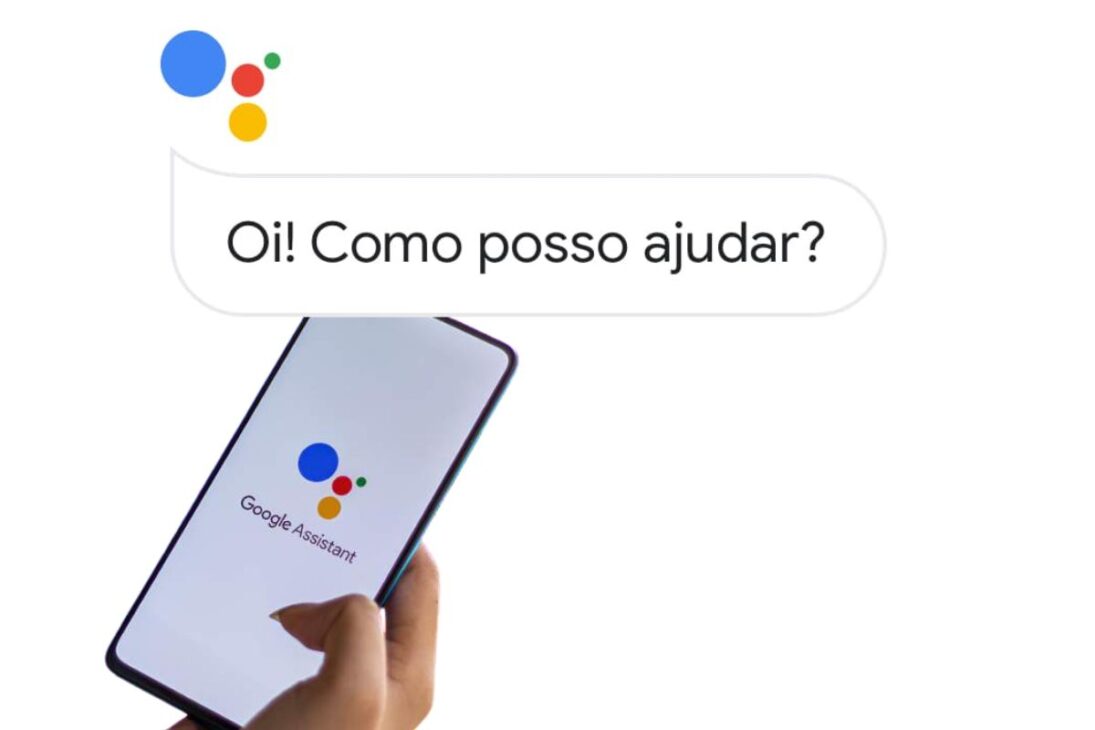
The tool is integrated into Google’s search system. When searching for a location or service, the artificial intelligence offers predefined options, like “ask about price” or “check availability.”
Once an option is selected, the system asks a few questions to refine the query, such as the desired dates for a reservation. From there, the virtual agent makes the call autonomously and returns with the answer for the user, transforming what would be a verbal interaction into an information exchange based on text.
A Convenience Tool or a Form of Dependence?
While Google positions the tool as a way to save time, critics argue that it exploits a vulnerability of Generation Z. Instead of encouraging the development of communication skills, the technology offers a solution that may deepen isolation and reliance on corporate services.
The emerging discussion is whether, under the pretext of making life easier, these tools are not making us more impersonal and dependent on large companies to mediate our most basic interactions. The tool’s advertising focus on “getting more done in less time,” rather than on accessibility, is seen by some as an indication of the real commercial intentions behind the technology.
The Future of Communication and the Role of Generation Z
The phenomenon of telephobia and the technological response to it say a lot about the future of communication. Generation Z is shaping new forms of interaction, and tech companies are rushing to adapt and capitalize on these trends.
The question that remains is whether the convenience offered by these new tools will outweigh the potential negative impacts on how we relate to each other. Google’s bet is clear: for Generation Z, the efficiency of an AI may be more valuable than a human conversation.
And you, would you use artificial intelligence to make your calls? Leave your opinion in the comments.