Portuguese
  Spanish


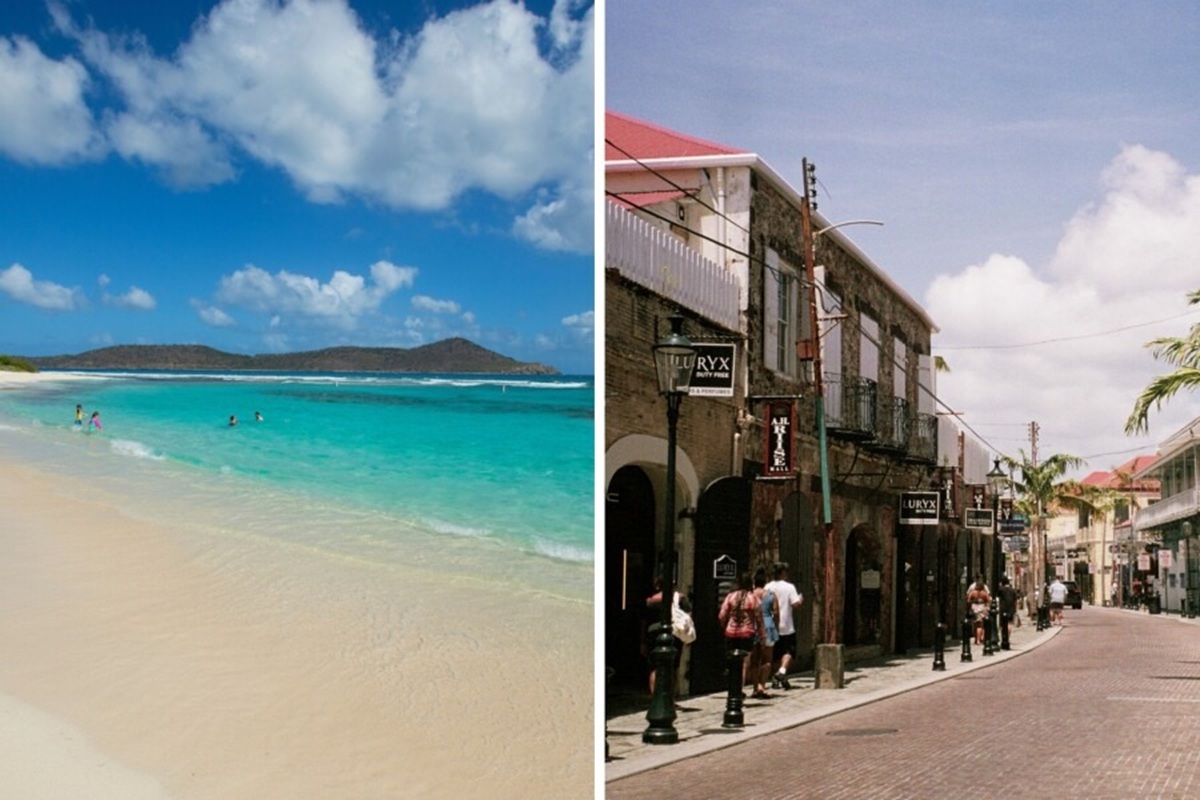


Revisiting The Purchase Of The Virgin Islands In 1917 For US$ 25 Million, Residents Of The Territory Of The United States Draw Historical Parallels With The Negotiations Involving Greenland, Highlighting Political Exclusion, Strategic Military Interests, And Lasting Impacts Of Danish And American Colonialism On Local Populations
Traces Of Danish Imperial Rule For 250 Years Remain Visible In The United States Virgin Islands, A Territory Purchased In 1917 For US$ 25 Million, While Recent Remarks By Donald Trump Regarding Greenland Rekindle Historical Memories Of Annexation Without Popular Consultation And Political Exclusion.
Physical And Cultural Marks Of Danish Rule In The Caribbean Islands
Signs Of Denmark’s Dominance Are Still Spread Across St. Thomas, St. Croix, St. John, And Small Islets That Today Form The United States Virgin Islands. Town And Street Names Remain In Danish, Such As Frederiksted.
Historic Buildings Use Yellowed Bricks Brought By Ship Across The Atlantic, And Facades Of Old Sugar Plantations Stand Tall, Sites Where Enslaved Africans Were Forced To Work During The Colonial Period.
-
New York removed the tracks from over 2,500 subway cars and dumped everything at the bottom of the Atlantic, and what seemed like trash turned into an artificial reef teeming with fish and divers.

-
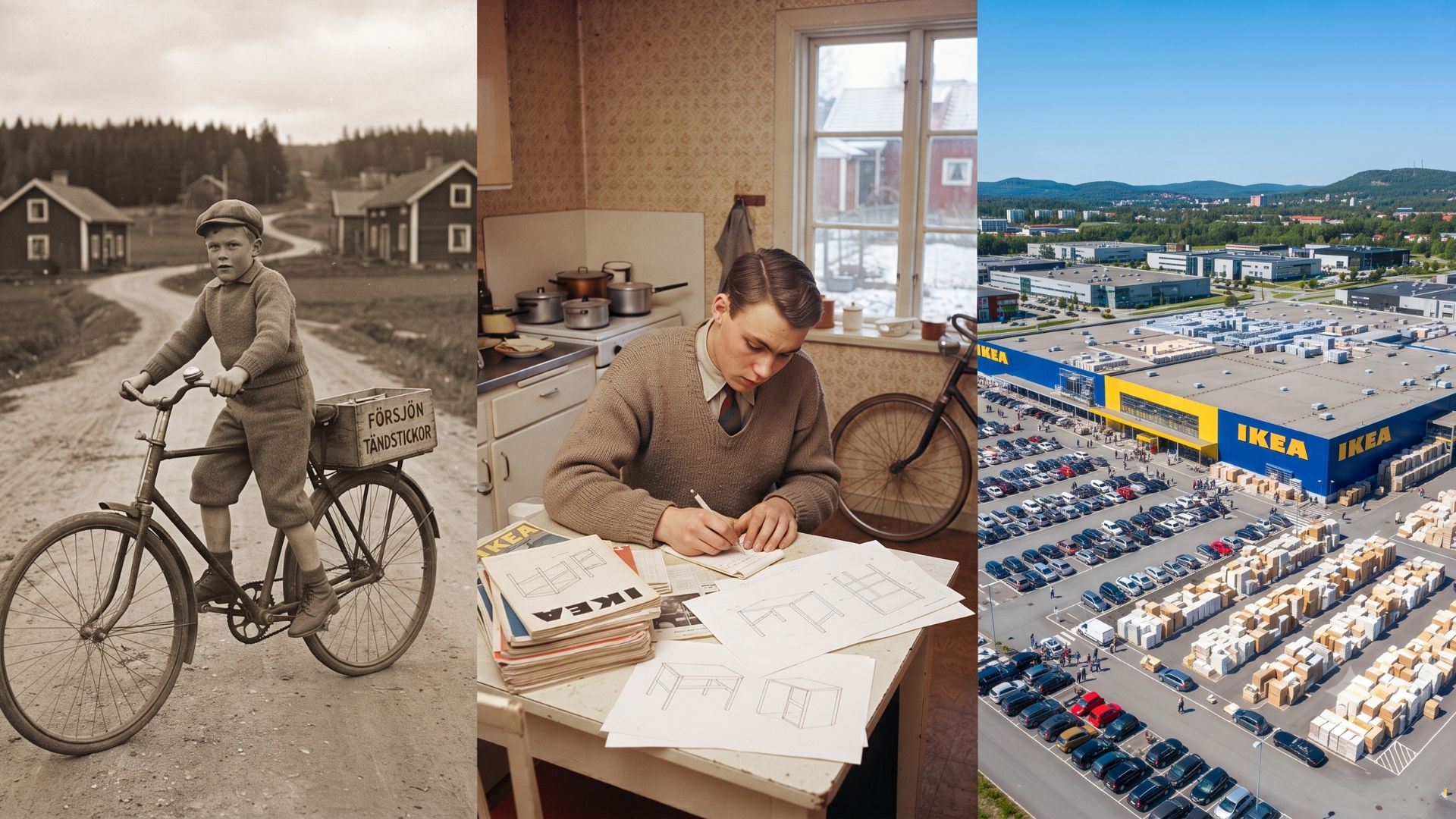
From matches sold by bicycle at age 5 to a global furniture empire: the lumberjack’s son founded IKEA at 17 in his uncle’s kitchen and transformed a small company into the largest furniture retailer on the planet.
-
The mansion in Flamengo, built in 1865 for the Baron of São Clemente and closed for 20 years, has become a spa, event hall, and gym for “Symphony,” a luxury condominium that sold 70% of its gross development value in the first month on the R$ 60 million land of the former Bennett College.

-
The Ipiranga convent, a 1924 building adjacent to the Museum that remained vacant for a decade and became home to dozens of cats, is reborn as “Alma Mater,” a luxury development worth R$ 130 million with a pool in the courtyard and a clubhouse in the former nuns’ chapel.




These Traces Coexist With Vibrant Caribbean Cultural Expressions, Such As Dancers In Colorful Costumes And Music Guided By Drums, Alongside Commercial Chains Like McDonald’s And Home Depot, Reflecting The Territory’s Status As An Unincorporated Area Of The United States.
For Some Residents, The Combination Of Colonial Heritage And Contemporary American Influence Illustrates A Historical Continuity. This Perception Gained Momentum With Recent Negotiations Involving Greenland, Which Evoked Memories Of Processes Experienced In The Local Past.
Historical Memory And The Fear Of Decisions Without Popular Participation
With Donald Trump’s Negotiations With Denmark Regarding A Possible Deal For Access To Greenland, Residents Of The Islands Report A Sense Of Reliving A Familiar History. Afro-Caribbean Stephanie Chalana Brown, A Visual Historian, States That The Colonial Past Resurfaces In New Formats.
Brown Reports That Her Ancestors Were Among The First Enslaved By The Danish Colonial Power. Currently, She Is Involved In Groups Seeking Reparations From Denmark For The Historical Impacts Of Slavery And The Sale Of The Territory.
According To Brown, Both As Enslaved People And Later As Inhabitants Of A Territory Transferred From Denmark To The United States, Her Family Members Were Negotiated Without Consent. This Experience Grounds Her Concern For The Future Of Greenland.
She Fears That The Island’s Residents May Face A Similar Situation, Lacking Effective Participation In Decisions Regarding The Use And Fate Of Their Lands, Repeating A Historical Pattern Of Political Exclusion.
The Purchase Of The Virgin Islands And Its Lasting Political Impacts
Over A Century Ago, Then-President Of The United States, Woodrow Wilson, Acquired The Islands, Then Known As The Danish West Indies, For US$ 25 Million, After Threatening To Seize The Territory By Force.
The Context Was One Of War In Europe, And The United States Sought To Solidify Its Strategic Influence In Latin America. Wilson Justified The Purchase With Arguments Similar To Those Used By Donald Trump Regarding Greenland.
The Aim Was To Secure New Trade Routes And Prevent Rival Powers From Dominating The Region. At That Moment, The Main Perceived Threat Was Germany, Involved In World War I.
There Was Fear That Germany Would Absorb Denmark And Its Territories, Which Would Pose A Strategic Risk To The United States. After The Purchase In 1917, The Islands Became A Strategic Military Outpost In The Caribbean.
For Decades, They Functioned As A Naval Operations Base. However, The Navy’s Air Station Was Closed In 1948, And The Territory Never Became The Significant Military Asset Initially Projected.
Political Exclusion Of Local Inhabitants After Annexation
In 1917, About 26,000 Inhabitants Lived Spread Across St. John, St. Croix, And St. Thomas. They Were Not Consulted About The Acquisition Of The Territory, Although Denmark Conducted A Referendum Among Its Citizens On The European Continent.
After The Transaction, It Took Over A Decade For Island Residents To Obtain American Citizenship. The Right To Elect Their Own Governor Was Granted Only In 1970.
Currently, Like Other United States Territories, Citizens Of The Virgin Islands Cannot Vote For President And Do Not Have A Representative With Voting Rights In Congress, Limiting Their National Political Participation.
This Institutional Condition Reinforces, According To Residents, The Feeling Of Decisions Being Made From Afar, Without Direct Involvement Of The Affected Population, A Central Factor In The Comparisons With The Current Debate On Greenland.
Local Reactions To Recent Military Movements
Felipe Ayala, A Member Of The St. Thomas Historical Trust, States That The Topic Of Greenland Mainly Circulates In Private Conversations. According To Him, Residents’ Attention Is Focused On Closer International Actions.
In December, Two Aircraft Carriers Of The United States Navy, The USS Gerald R. Ford And The USS Iwo Jima, Docked In The Virgin Islands. It Marked The First Significant Naval Presence In Decades.
The Vessels Participated In Operations Related To Combating Drug Trafficking And Subsequent Actions Involving Venezuela. For Some Of The Population, The Arrival Of The Ships Represented A Temporary Economic Boost.
Other Residents Reacted With Concern. Ayala Reported That Many Homes Have A Direct View Of The Port And The Bay, Making The Military Presence Visually Impactful And Politically Unsettling Given The Regional Climate.
Greenland, Uncertain Negotiations, And Shared Concerns
Following Military Actions Involving Venezuela, Donald Trump Intensified Statements Advocating For The Annexation Of Greenland And Did Not Rule Out The Use Of Military Force. Subsequently, On January 23, He Partially Backed Down.
Trump Stated That The United States Would Have “Full Access” To The Island Through A Negotiated Agreement, Admitting That A Formal Acquisition Might Not Occur. He Declared That Any Scenario Was Possible.
The Details Of The Agreement Remain Unclear, As Does The Role Of Greenland’s Local Parliament In The Discussions. This Ambiguity Fuels Concerns Among Those With A History Of Colonial Domination.
For Brown And Other Residents Of The Virgin Islands With Ancestral Ties To Danish Colonialism, The Debate Evoked Empathy For The 57,000 Inhabitants Of The Island Of 836,000 Square Miles With An Extreme Climate.
She Questions Whether Greenlanders Are Being Included In Decisions About Policies And Military Presence. According To Brown, This Type Of Participation Has Never Been Offered To The Inhabitants Of The Virgin Islands In The Past.
The Majority Of Greenland’s Population Is Inuit, Indigenous People indigenous Also Present In Alaska And Canada. The Greenlandic Language Is Distinct From Danish, As Are Their Cultural Traditions.
Brown Also Expressed Concern About Potential Effects Of Americanization, Similar To Those She Observes In The Virgin Islands, Where, According To Her, Media Influences Affect The Cultural Identity Of Children, A Process She Describes As Gradual Cultural Erasure.
She Stated That She Hopes Such Impact Does Not Recur In Greenland, Highlighting The Value Of Local Identity In The Face Of Global Strategic Interests And Decisions Made Far From The Communities Directly Involved.