Portuguese
  Spanish


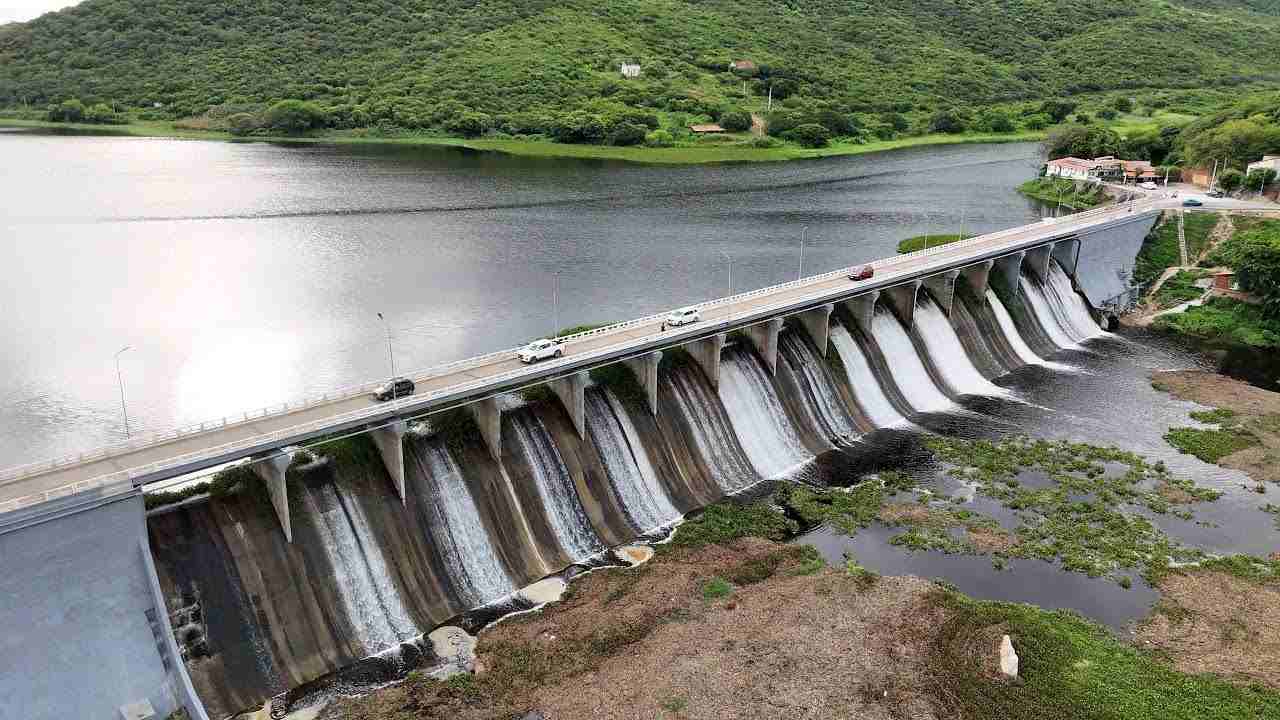


For More Than 60 Years, the Quixeramobim Dam Has Been the Main Water Source for the Ceará City. But the Reservoir Suffers Over Time, Drought, and Lack of Maintenance.
The Quixeramobim Dam, officially called Açude Engenheiro José Cândido de Castro de Paula Pessoa, originated from the great droughts that hit the Northeast in the 19th century.
During the devastating drought from 1877 to 1879, Emperor Dom Pedro II ordered the construction of dams in Ceará as a way to face the drought. One of these projects included the construction of a reservoir on the Quixeramobim River.
In 1878, a team of engineers defined the location of the future dam between two mountains west of the city. But the plan was ultimately abandoned.
-
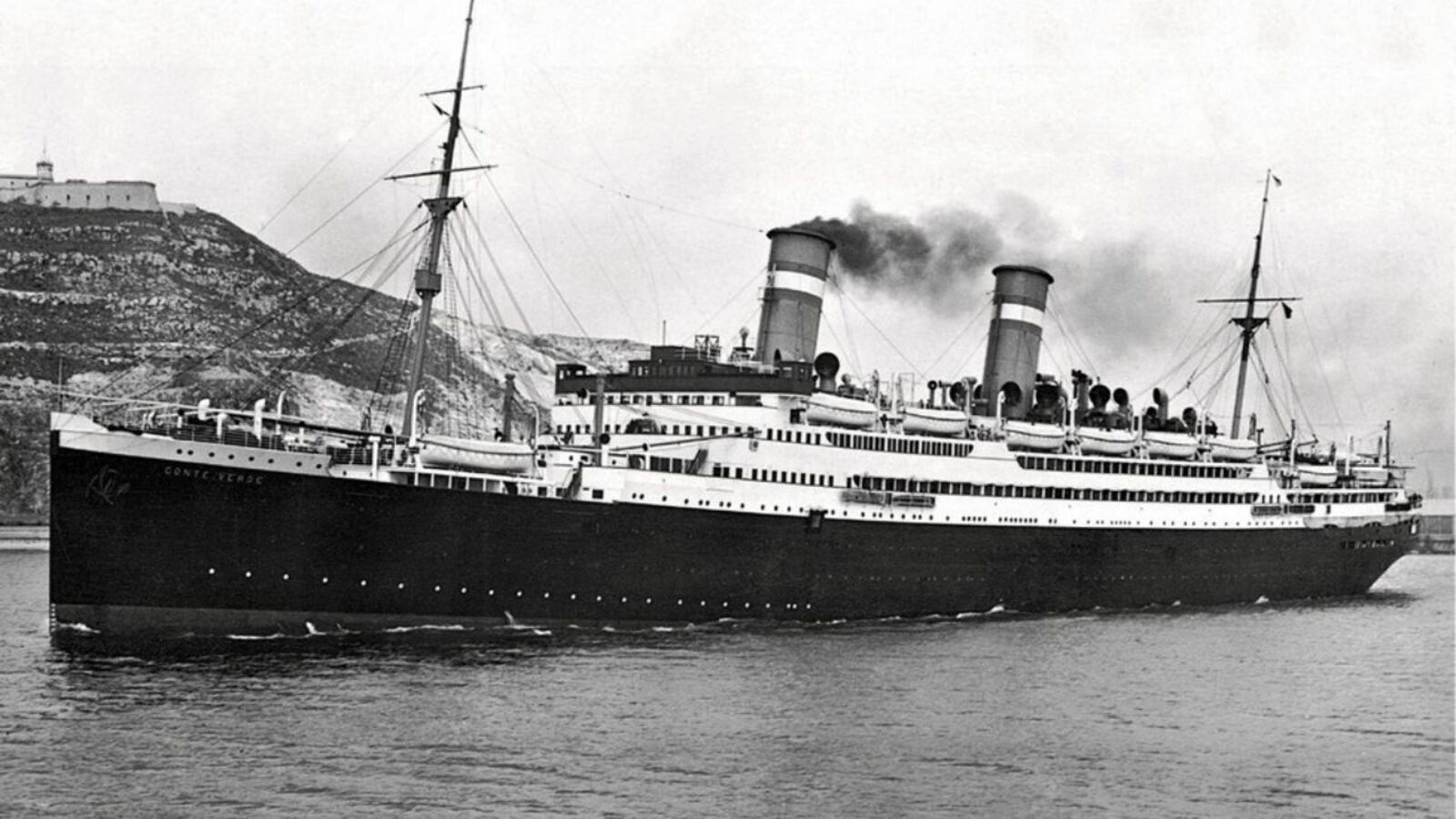
Brazilian National Team Traveled by Ship to First World Cup, Boarding Conte Verde to Reach Uruguay

-
Ancient Burial Site Uncovered in Brazil: 11,000-Year-Old Artifacts Found Beneath 300-Ton Rock

-
18-Year-Old Student Designs Modular Microhouse from Fiberglass and PET to Combat Homelessness in Brazil, Plans to Live in Prototype for a Year to Demonstrate Quick Assembly

-
The Frenchman Who Brought the World Cup to Life: Overcoming Resistance and Crossing the Atlantic with the Trophy to Create Football’s Biggest Tournament



In the following years, the drought continued to ravage the hinterland. In 1908, new studies on the dam emerged, but again, nothing was built.
Only in 1958, already under the responsibility of the National Department of Works Against Droughts (DNOCS), did the construction of the dam finally begin. Two years later, in 1960, the work was completed.
Since then, the dam has become the main source of water supply for Quixeramobim, in the central hinterland of Ceará.
Built to Face the Drought
The purpose of the work was to ensure water for the city, especially during periods of drought. The dam would also help with irrigation, livestock watering, and flood control of the river.
In addition to its water function, over time, the dam has also been used as a place for leisure and artisanal fishing.
The original project anticipated a capacity to store up to 54 million cubic meters of water. But this goal was never achieved. Current estimates indicate that the dam retains a maximum of 8 million cubic meters.
Part of the explanation lies in sedimentation – the accumulation of sediments at the bottom of the reservoir – and possible design changes during execution.
From Symbol of Hope to Crisis
The dam helped the city grow. With guaranteed water even in the driest years, Quixeramobim faced less forced migration and had more stability.
The water mirror became a tourist spot, and the overflowing event – when the water spills over – began to be celebrated as a sign of abundance.
But time passed, the city grew, and the dam lost volume. The drought from 2012 to 2017 left the dam practically dry.
The city experienced a collapse in water supply. Wells were dug in the dry riverbed, and water trucks began to distribute water in the neighborhoods. The dam, once a local pride, became a cause for concern.
Lack of Maintenance and Structural Risk
In 2016, a technical report classified the dam’s structure with a risk level of 2, indicating an urgent need for repairs. Cracks, exposed rebar, erosion in the concrete, and damaged valves were detected. Residents feared that an unexpected flood could cause a breach.
The recovery work only truly began in 2024, after years of promises and community pressure. According to DNOCS, the dam is essential for local water supply and fish farming.
Emergency Pipelines and New Phase
Given the critical situation, the government installed an emergency pipeline connecting the Açude Fogareiro to the treatment station in Quixeramobim.
The solution prevented total collapse during the driest years. In 2023, the dam overflowed after 12 years without reaching capacity. The city celebrated. It was a relief. But technicians warned: there is still risk, and recovery must continue.
Now, the city will be included in the Malha d’Água network, a state system of pipelines that will connect several dams in the Ceará hinterland. With this, it is hoped to reduce dependence on the dam.
With information from Calameo.