






 Portuguese
  Spanish


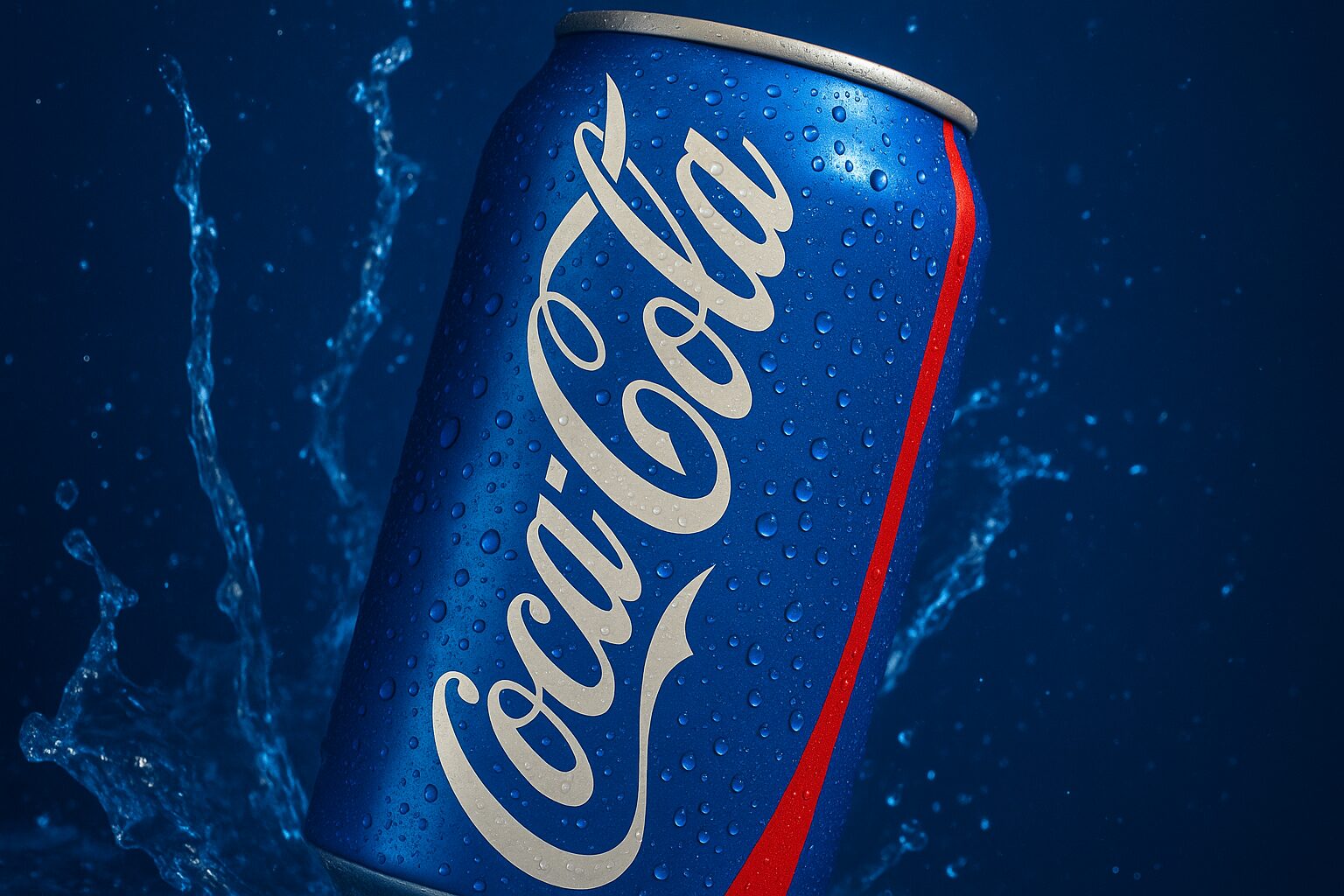


Did you know that there is a place in Brazil where the classic red of Coca-Cola is simply not welcome? In Parintins, Amazonas, the brand changes its visual identity and adopts blue. Understand why this happens — and what this transformation reveals about culture, tradition, and passion. Discover it all now!
In the city of Parintins, located on an island in the middle of the Amazon River, about 370 km east of Manaus, there is a folkloric rivalry that surpasses the limits of imagination. On one side is the Boi Garantido, represented by the red color. On the other side is the Boi Caprichoso, which carries the blue flag. This cultural and artistic dispute is the heart of the Parintins Folklore Festival, considered one of the largest and most vibrant events in Brazil. And it is precisely in this context that something unusual happens: Coca-Cola, globally known for its red label, changes color and adopts blue (blue Coca-Cola can) — something that only happens there, and nowhere else on the planet.
What Is the Parintins Folklore Festival and Why Is the Blue Can of Coca-Cola Present?
Recognized as a National Cultural Heritage of Brazil by IPHAN (National Institute of Historic and Artistic Heritage), the festival takes place annually between June 27 and 29 and drives the entire local economy and culture.
The event revolves around the dispute between the Caprichoso and Garantido bumbá cows, but also includes performances of dances, quadrilles, mirim cows (like Estrelinha, Tupy, and Mineirinho), as well as visual spectacles in the Bumbódromo, an arena shaped like a cow where the nighttime contests occur. The island where Coca-Cola is blue.
-
Ferrari, BMW, Tesla, and Chinese Automakers Shift from Copper to Aluminum Wiring to Reduce Weight and Costs in Electric Vehicles

-
Understanding Plastic Codes: Numbers 1 to 7 on Packaging Aid Efficient Recycling and Boost Circular Economy

-
400 km² of Greenhouses in Almería, Spain, Astonish American Visitor by Producing Millions of Tons of Produce for Cold-Weather Markets
-
Antarctic Volcano Emits Microscopic Gold Particles That Travel Up to 1,000 Kilometers Across the Continent



With over 100,000 temporary inhabitants during the festival, Parintins transforms into a stage of color, sound, and tradition. The city literally divides: the Caprichosos avoid any red items, and the Garantidos reject everything that is blue. This includes international brands.
Why Does Coca-Cola Change Color in Parintins?
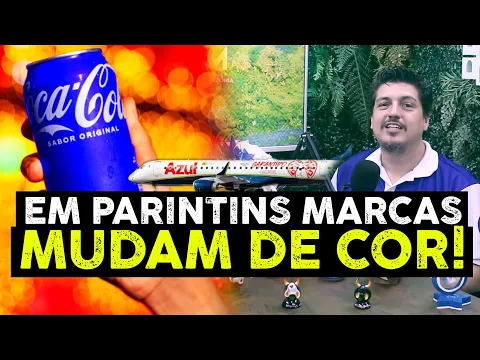

The red label of Coca-Cola is one of the most recognizable visual elements in the world. However, during the Parintins Folklore Festival, the brand adopts a unique behavior. In support of Boi Caprichoso, Coca-Cola launches a limited edition with a blue label.
This adaptation is strategic: the rivalry between the bulls is so strong that consumers would simply refuse to buy the red product if they were fans of Caprichoso. Therefore, for years, Coca-Cola has been producing customized packaging during the event.
This gesture also strengthens the bond between the brand and the local community, showing respect for cultural traditions. In previous editions, Coca-Cola’s “Isso é Parintins” campaign won marketing awards for its authenticity and cultural sensitivity.
Other Brands Also Join the Dance
It is not only Coca-Cola that adapts to the island’s reality. In 2025, for example, the Brahma brewery also launched custom cans featuring the Caprichoso and Garantido bulls, illustrated by local artist Ronan Marinho. Additionally, the brand annually delivers a beer truck to the winning bull, celebrating victory with a parade between the Bumbódromo and the champion’s corral.
The airline Azul Linhas Aéreas also joined in the fun. In support of Boi Garantido, the company temporarily changed its visual identity, slogan, and soundtrack. Between June 25 and July 1, Azul scheduled 196 extra flights to Parintins, reinforcing its role as a sponsor and facilitator of cultural tourism.
These actions highlight the strength of the event as a driver of engagement, identity, and consumption.
How to Get to the Island Where Coca-Cola is Blue?
Parintins is located on Ilha Tupinambarana, along the banks of the Amazon River. There are two main ways to access the city:
By Waterway
This is the most traditional, although time-consuming. The boat trip between Manaus and Parintins can take up to 18 hours, depending on river conditions and the type of vessel. During the festival, hundreds of boats of various sizes dock at the city port.
By Air
For those seeking more speed, the Júlio Belém Municipal Airport, in Parintins, receives commercial and charter flights. In 2024, the terminal recorded more than a thousand landings and takeoffs during the festival days, with about 20,000 passengers moving through the area.
The flight from Manaus to Parintins takes less than an hour and is the best option for tourists who wish to make the most of the event.
How Much Does It Cost to Participate in the Parintins Festival?
Tickets for the festival are highly sought after and sell out months in advance. The sections of the Bumbódromo are divided into Type 1 and 2 Seats, as well as Central and Special Grandstands.
Prices for 2025 (average values):
- Pass for 3 nights: from R$ 2,880 (Type 2 Seat) to R$ 4,800 (Central Grandstand)
- Individual tickets per night: starting from R$ 1,100
Despite the high prices, seats sell out quickly. Furthermore, there are free programs throughout the city, with street performances, open rehearsals, and side events.
Parintins: More Than a Festival, An Identity
During the Festival, Parintins transforms into a binary city: blue or red. Houses, clothing, commercial establishments, and even food are carefully chosen according to the color of the bull they support.
The rivalry is intense but respectful. What could be a confrontation, in fact, is one of the largest cultural celebrations in Brazil, uniting dance, song, performance, allegories, and indigenous ancestry.
The strength of this identity is such that multinational companies adapt century-old brands to remain relevant in the local context — as Coca-Cola did when it swapped red for blue.
When Did Coca-Cola Turn Blue for the First Time?
The first edition of Blue Coca-Cola in Parintins dates back to the mid-2000s. The brand, already established as a sponsor of the event, realized that its traditional red label caused rejection among Caprichoso fans.
It was then that, in an unprecedented move, the company launched a special blue edition, keeping all the classic elements of the brand but with a complete color change.
Since then, the initiative has been repeated every year, with variations in design and specific campaigns for the event. This practice is exclusive to Parintins and does not occur anywhere else in the world.
The case of Blue Coca-Cola in Parintins is often cited in marketing, branding, and anthropology courses as an example of strategic cultural adaptation.
The decision to change the color of a globally standardized product demonstrates:
- Cultural Sensitivity: The brand recognizes and respects the symbolic value of colors for the city’s residents.
- Customer Engagement: It becomes part of everyday life and local passion.
- Flexibility and Innovation: It shows that even large corporations can — and should — adapt.
Limited Edition: Collector’s Item
The Blue Coca-Cola in Parintins is not sold outside the city. The cans are produced exclusively for the occasion and in limited quantities, making them coveted items for collectors across Brazil.
On social media, it is common to see people trading or reselling the cans after the festival, often for much higher prices than the original.
In addition to the blue version, Coca-Cola also often launches red cans with customized prints of Boi Garantido, pleasing both sides of the dispute.
The Magical Island Where Brands Surrender to Culture
The story of the Brazilian island where Coca-Cola is blue shows that tradition, culture, and local identity can be stronger than any global standard. In Parintins, marketing learns from the people.
For three nights — and in the months leading up to it — the city vibrates in blue and red. And as the voices echo in the Bumbódromo, the blue Coca-Cola can is opened to toast not just to a party, but to a people who transformed their culture into heritage.
The island where Coca-Cola is blue is more than a marketing curiosity — it is a reminder that Brazil is made of incredible particularities. Parintins proves that the strength of popular culture can indeed bend even the biggest brands on the planet.
If you have never visited, get ready. Seeing a blue Coca-Cola is surprising, but experiencing the energy of the Parintins Festival is something that words cannot explain — only felt.







EU TBEM DEISE.
EU GOSTARIA DE IR NESSE FESTIVAL.
Um Sonho ir ao Festival de Parintins 🫶 . Tentei algumas vezes contato com agências , mas infelizmente não consegui nada ! Vou continuar tentando e quem sabe 2026 acontece !!! 😍
Qual sua dúvida?
Posso te ajudar, moro na ilha ❤️