Portuguese
  Spanish


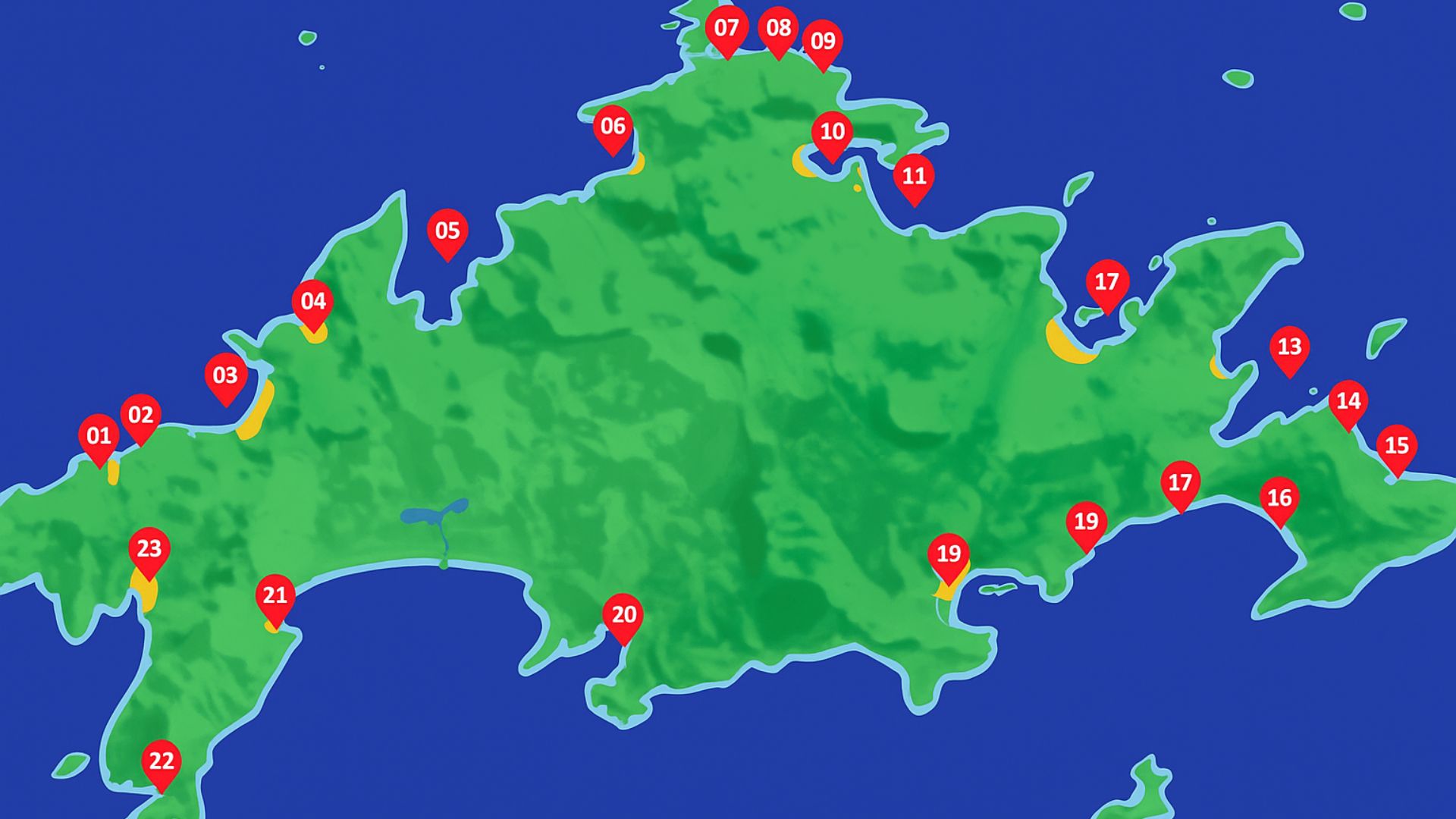


With Restricted Access, Untouched Nature, and Some of the Most Beautiful Beaches in the World, Ilha Grande Attracts Tourists Seeking Exclusivity — Unaware of Its History as a Maximum-Security Prison Where the Largest Criminal Gang in the Country Was Born
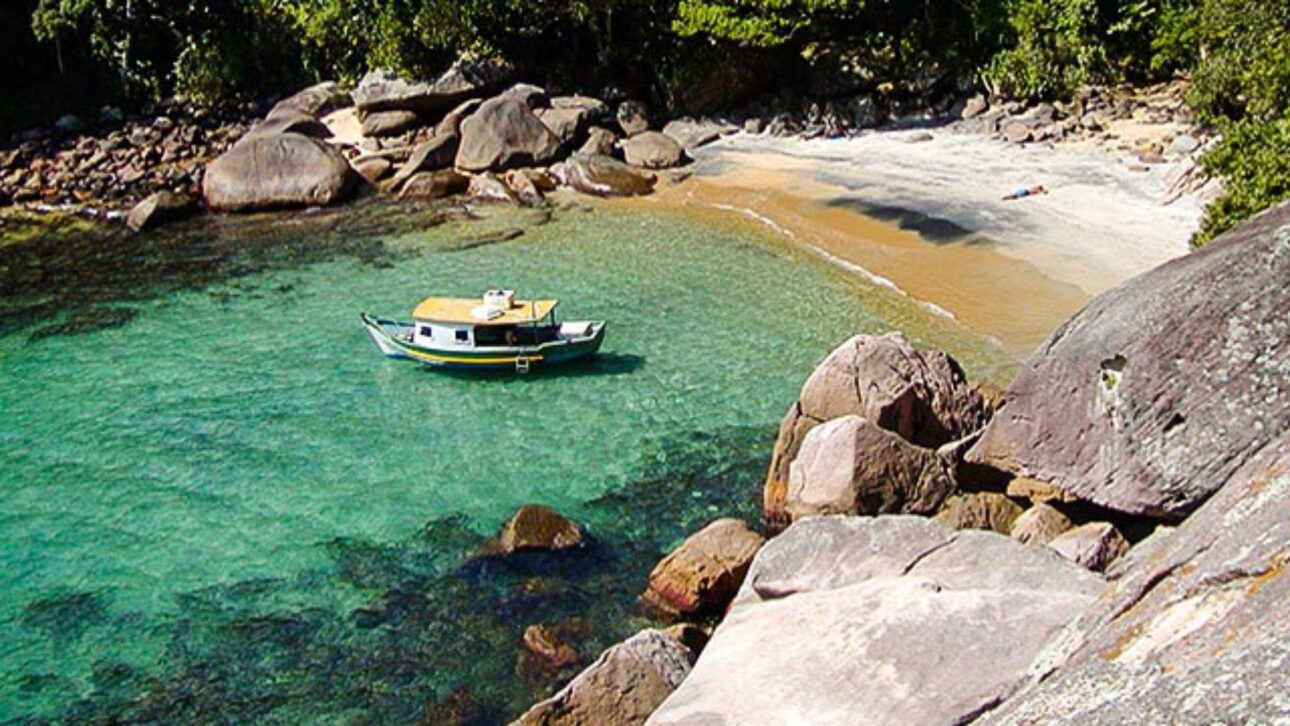
Ilha Grande, located on the southern coast of the state of Rio de Janeiro, has become one of the most sought-after tourist destinations for wealthy couples and families in recent years. With approximately 193 km² of area, the island offers isolated beaches, trails through the Atlantic forest, and a hotel structure focused on comfort and privacy. With no car traffic and strict control over construction, the place has solidified as a true ecological and luxury sanctuary.

Beaches like Lopes Mendes, Aventureiro, and Caxadaço rank in international listings, attracting visitors seeking direct contact with nature and exclusive experiences. Boat trips through the Blue and Green Lagoons, as well as complete seven-day hiking routes across the island, have turned the destination into a paradise for ecotourism and outdoor sports lovers. The increasing presence of celebrities and influencers has helped popularize the site as a high-end destination.
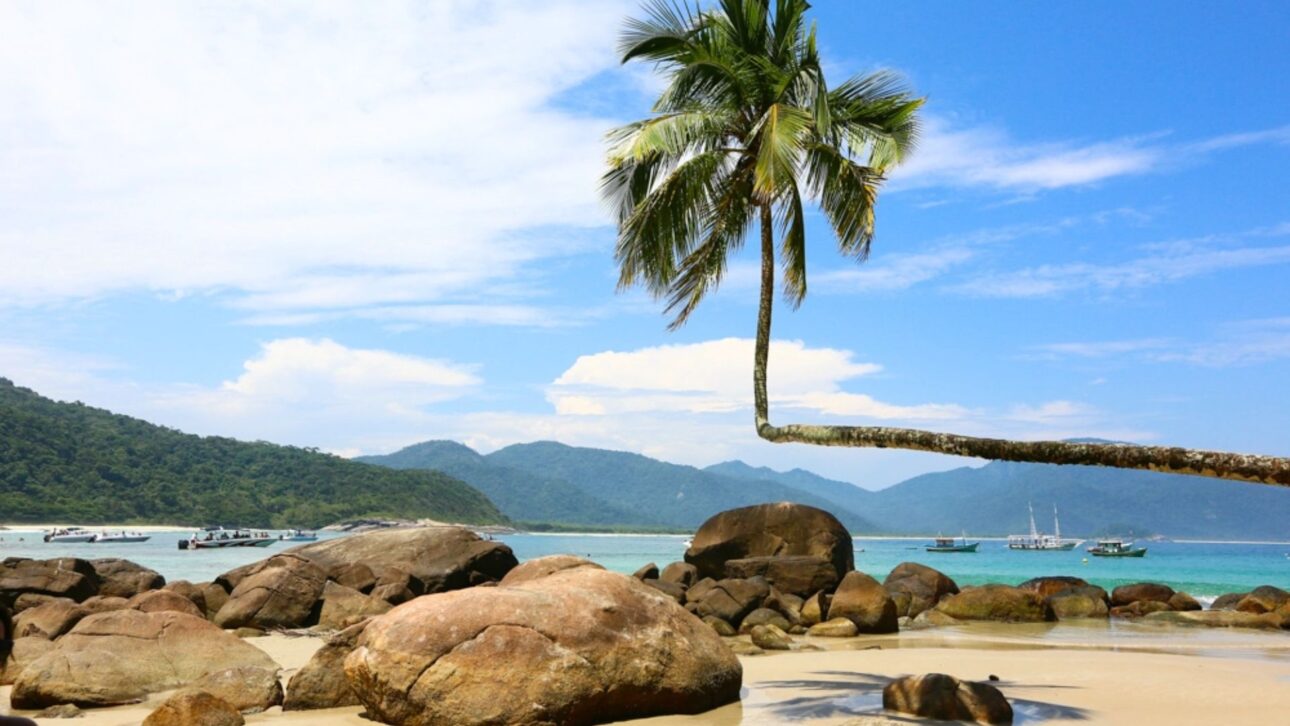
In addition to the natural beauty, wellness tourism has also grown, with the offering of camping, spiritual retreats, organic gastronomy restaurants, and activities such as yoga, meditation, and alternative therapies. The flow of tourists has increased significantly during peak seasons, especially on holidays and in the summer months, strengthening the economy of the local island communities.
-
67-Year-Old Brazilian Woman Fulfills Lifelong Dream of Wearing Lipstick After Cleft Lip Surgery, Showcased in Emotional Exhibition

-
Father Lives with 3 Children on a 15-Meter Off-Grid Houseboat, Reduces Living Costs to £500 a Month, and Filters Canal Water with a £300 System He Built

-
In 1961, Hollywood held a unique audition with 152 black cats to cast the perfect feline for the horror film The Black Cat.
-
Brazilian Truck Driver in the U.S. Earns $11,200 Commission on Heavy Haul, Highlights High Income Potential and Demands of the Job




A History of Isolation, Prisons, and Resistance
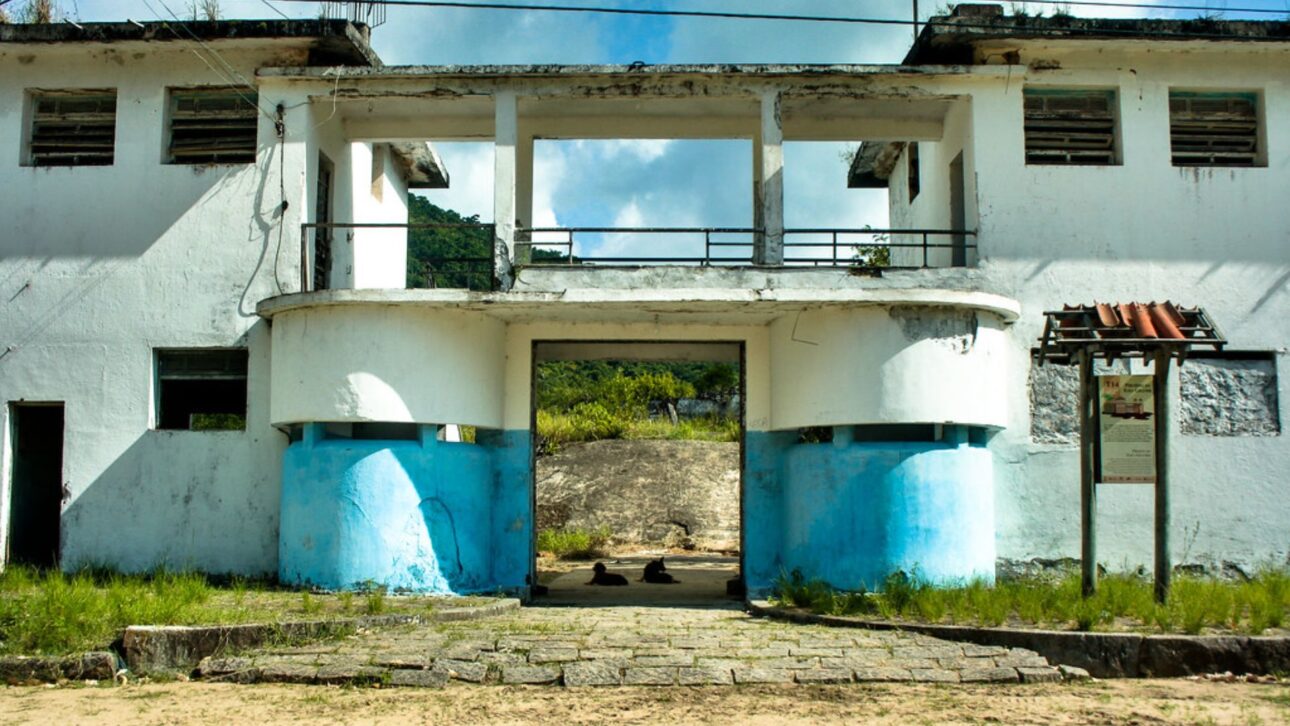
What many visitors do not know is that for almost a century, the same island that is now a symbol of tranquility was home to one of the most feared prisons in Brazil. The Cândido Mendes Penitentiary, located on the isolated Praia de Dois Rios, operated from 1903 to 1994. Initially intended for common prisoners, the prison also housed highly dangerous criminals and, during the military dictatorship, political prisoners.
Over time, the coexistence between leftist militants and common criminals resulted in exchanges of strategies, ideologies, and codes of conduct. This fusion between different groups gave rise, in the 1970s, to the organization that would later be known as Comando Vermelho. The motto “Peace, Justice, and Freedom” was created within the prison, symbolizing the unity among prisoners against institutional oppression.
The conditions of incarceration were severe. Historical records report cases of torture, repression, and riots, in addition to complaints of overcrowding and systematic violence. Accounts from former inmates and historical documents help to understand how the prison dynamics of the time contributed to the formation of one of the most structured criminal groups in Latin America.

The Ruins That Remain and the Silence of History
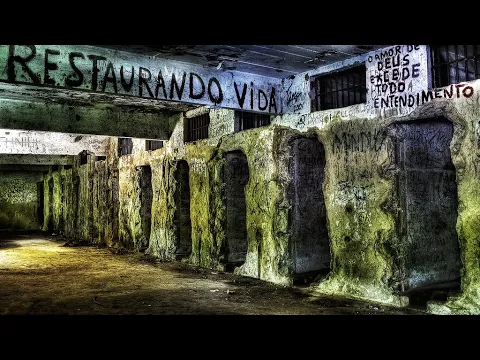
Currently, the ruins of the prison can still be visited, with access via a trail from Vila do Abraão, the main entry point to the island. The site, now overgrown with vegetation, preserves cells, corridors, and structures from the former penal complex. Visiting the old prison is one of the most impactful experiences on Ilha Grande, contrasting with the paradisiacal scenery surrounding it.
Historical and environmental tourism projects promote guided visits that explain the social and political context of that period. NGOs and universities have been actively involved in preserving the memory of the site, highlighting its importance in Brazil’s penal and political history. The aim is to foster conscious and educational tourism, encouraging reflection on the past and its reflections in the present.
As published on the website of the Institute for Sustainable Development of Ilha Grande (IDESIG), there are efforts to transform the old prison into a permanent memorial, with exhibitions, archives, and historical material about the operational periods and its relationship with the emergence of factions. The goal is to prevent the erasure of memory and value the island’s history in its entirety.
The Role of the Caiçaras in Preserving Ilha Grande
Long before the arrival of mass tourism, Ilha Grande was already inhabited by caiçara communities, who live off artisanal fishing, traditional cultivation, and respect for environmental balance. These residents were fundamental in keeping sustainable practices alive in coexistence with the local ecosystem, preserving trails, restingas, and mangrove areas. Today, many work as guides, boatmen, and hosts, contributing to the economic development without giving up their cultural identity.
Despite the historical preservation initiatives, many tourists are unaware of the extent of the role that Ilha Grande played in Brazil’s criminal and political history. The contrast between the natural beauties and the weight of the past is still poorly explored by official tourism campaigns, which prefer to emphasize only the paradisiacal aspects of the site.
Ilha Grande continues to enchant thousands of visitors every year, but its true story goes beyond the beaches with crystal-clear waters. By exploring the island, visitors also walk on a territory that was a stage for pain, resistance, and social transformation. Amid dives and trails, the memory of the prison still silently echoes beneath the Atlantic forest.
And you, were you already familiar with this story behind Ilha Grande? What is your opinion about this past that contrasts so much with the beauty of the place?