Portuguese
  Spanish


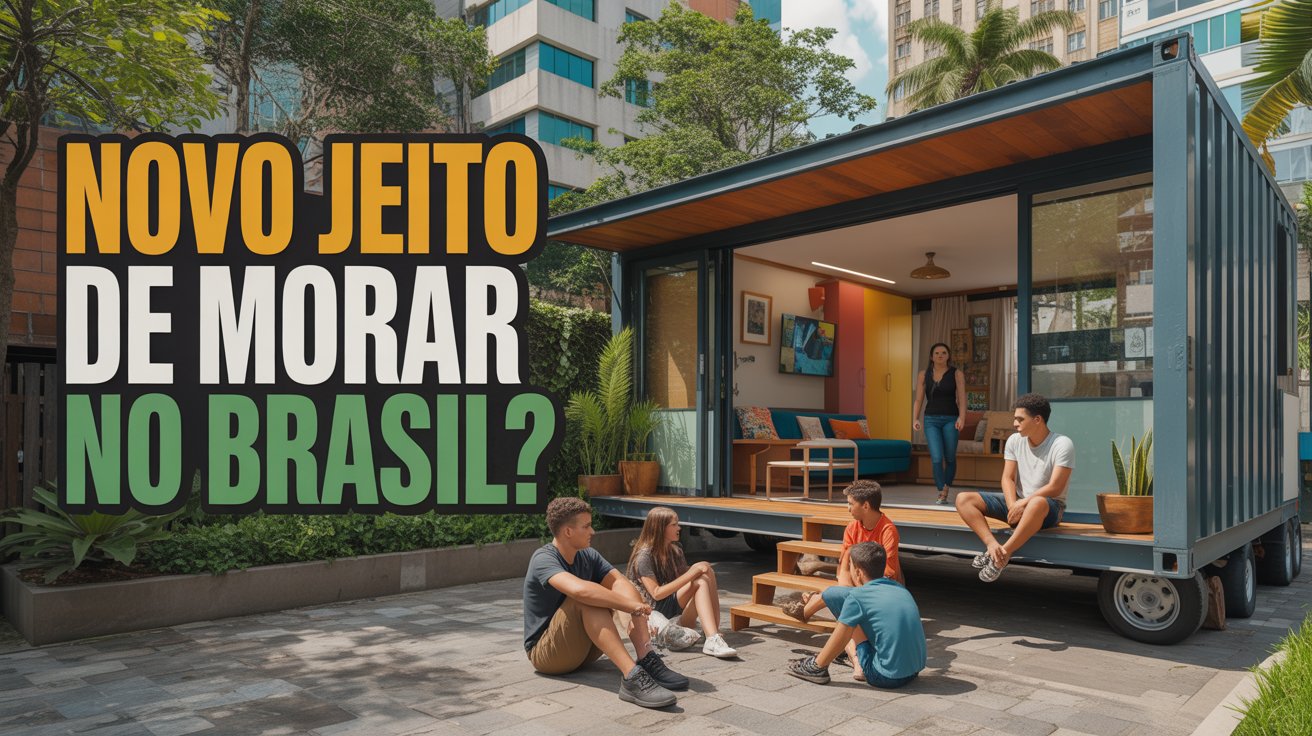

New Ways Of Living Gain Strength With Container Houses That Combine Economy, Sustainability And Speed, Transforming Traditional Construction And Attracting Young Investors And Ecotourists To Innovative And Affordable Solutions In The Brazilian Real Estate Market In 2025.
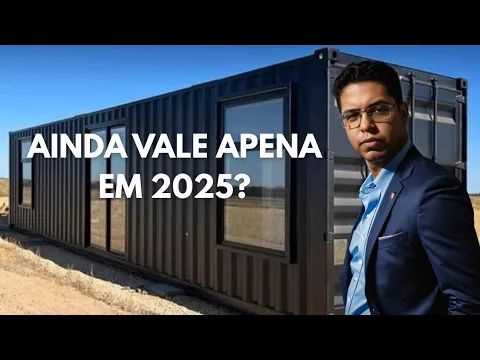
Brazil is experiencing a race for quick, sustainable, and affordable housing in 2025, with container houses emerging as the protagonist, costing up to 50% less than traditional masonry, shortening the building time from one year to a few months, and, on top of that, receiving legal incentives after Ordinance No. 1,420/2024 relaxed residential use of these metal modules.
This transformation meets a public ranging from young digital nomads in search of mobility to eco-tourism investors, all attracted by a model that combines low environmental impact, high-quality finishes, and, most importantly, a final price below R$ 130,000 – a level confirmed in budgets from Taguatinga (DF) and emerging hubs in the interior of São Paulo.
Sustainable And Economic Boom
According to industry projections compiled by the ContainerSA portal, national production of habitable modules is expected to grow 18% in 2025, driven by rising concrete costs, the need for affordable housing, and the popularity of reality architecture shows featuring luxury containers.
-
São Paulo to Convert Historic Downtown Building into Affordable Housing for Low-Income Families

-
Supermarket Deli Counter Attendants in Brazil Could Earn Over $2,100 Monthly by 2026, Plus Benefits Package
-
Americanas Sells Imaginarium and Puket to BandUP! for $29.5 Million to Address Debt After Massive Financial Loss

-
Brazilian Students Turn Recycled Plastic Bottles into Synthetic Yarn for Scarves to Aid Needy Families


According to g1, a 60 m² property made from two high-cube containers, plus 40 m² of pergola, currently costs around R$ 128,000, compared to R$ 160,000 for a conventional house of the same size.
The cost per square meter follows the same logic: R$ 4,650 in the Federal District versus R$ 6,159 in masonry, a difference that has put containers on the radar of popular home builders and the Minha Casa, Minha Vida program, whose new notice outlines green credit lines for industrialized methods.
How Construction Happens In Three Months
Speed is the most noticeable advantage: after the doors and windows are cut at the factory, the module arrives at the site with flooring and built-in fixtures, requiring only light foundation installation, network connections, and finishing in drywall or OSB.
With streamlined labor, the project generates up to 90% less waste, according to estimates from the Brazilian Modular Construction Association.
This dry construction site has also pleased municipalities that now require stricter Waste Management Plans to issue permits.
Technology Guarantees Thermal And Acoustic Comfort
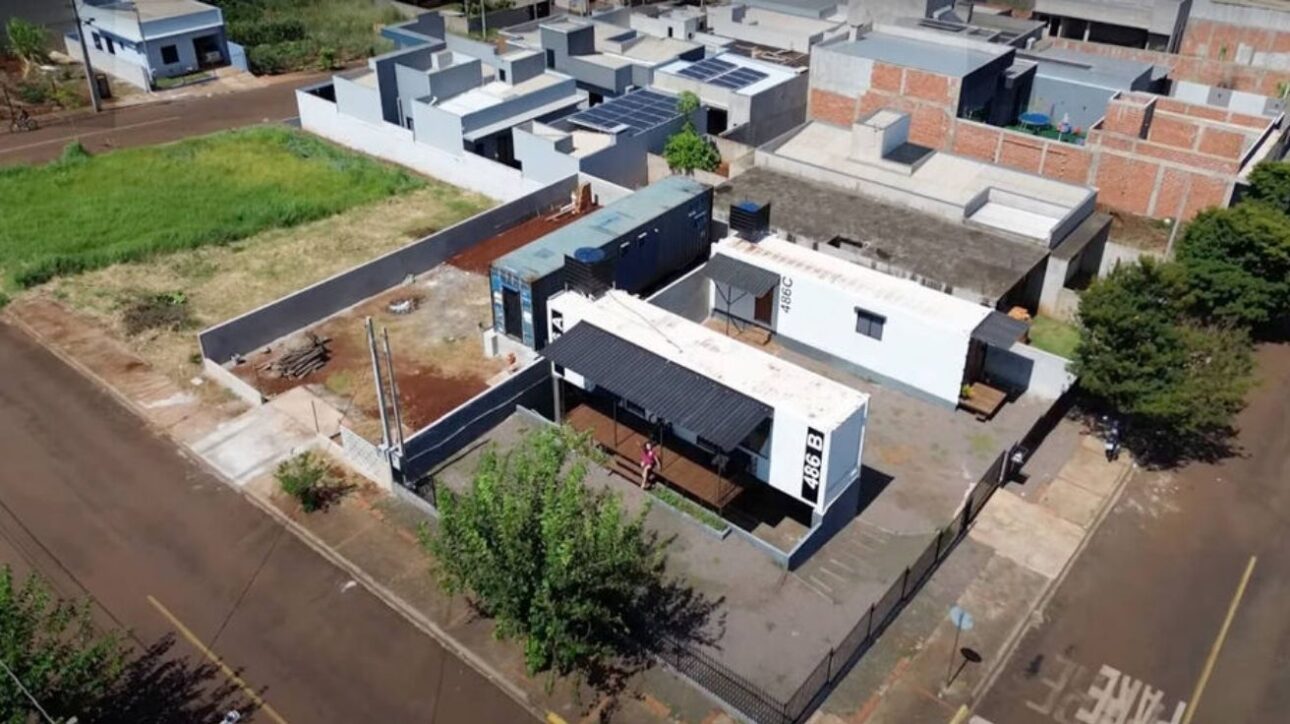
The myth that a container “turns into an oven” has been debunked thanks to rock wool blankets, polyisocyanurate (PIR) foams, and ceramic thermal paints that can lower internal temperature by up to 8 °C, as well as cementitious boards that block noise by 50 dB.
Companies like Mamila Box use double drywall, ventilated facades, and high-performance low-E frames, a standard that has raised the average ticket price but keeps the final cost below real estate launches of the same finishing standard.
For those seeking energy efficiency, plug-and-play photovoltaic kits and attached cisterns offer water and electrical autonomy, gaining points in the Caixa Econômica Federal’s new Blue House + Seal.
Legislation Becomes An Ally
Ordinance No. 1,420, dated August 27, 2024, revoked the previous prohibition of containers as habitable areas in NR 18 and established a mandatory technical report certifying the absence of chemical agents and radiation, as well as exempting the minimum ceiling height of 2.50 m required by NR 24 in certain cases.
The ABNT NBR 15873, published in 2024, standardized welding, anti-corrosion treatment, and anchoring criteria, bringing legal security to financiers.
“Today the bank evaluates the report, checks the project, and releases credit as if it were masonry,” explains Alexandre Matias, real estate law specialist, reminding that property tax, registration, and Building Code remain valid for any construction method.

Specialized Labor Becomes A Competitive Differential
The demand has created a new niche of professionals who combine architecture, naval metalworking, and structural engineering, earning up to 30% above the average because they master plasma cutting, column reinforcement, and watertightness.
Vale dos Ipês, in Planaltina (DF), maintains an internal program that trains welders to convert shipping containers into hotel suites; for each completed module, the team earns a share of the profits, a strategy that reduced execution failures to 1.3%, a lower rate than in local masonry.
Use Cases That Multiply Revenue
From coffee boutiques in Florianópolis to rural schools in Pará, containers have become a plug-and-play solution for entrepreneurship without spending fortunes on foundations or permits.
In tourism, the concept of “container cabin” is growing 22% annually, according to the AirDNA platform, which monitors seasonal rental rates; nightly rates that started at R$ 180 in 2023 rose to R$ 350 in 2025, doubling the income of small owners.
Green Filter For The Future
Experts interviewed by Folha de S.Paulo point out that if each repurposed container saves about 3.5 tons of new steel, the country could avoid 420,000 tons of CO₂ emissions by 2030 if the projection of 120,000 residential units is confirmed.
Furthermore, the Normative Instruction 24/2024 from Ibama simplified the importation of used containers, provided they are X-rayed and decontaminated, which dropped the price of Grade A REEFER modules by 12% between January and May 2025.
Steps For Those Who Want To Start
Planning, hiring a specialized office, and requesting permits remain essential steps; the novelty is that many municipalities already have container guides in PDF and digital protocols that reduce bureaucracy to a few weeks.
Among the required documents are updated registration certificates, Technical Responsibility Annotation (ART), and a descriptive memorial with thermal, acoustic, and structural calculations.
For SEO and Discover, architects recommend including terms like “affordable sustainable container house,” “modular construction 2025,” and “green financing Caixa” in blogs, keywords that currently rank at the top of alternative property searches.
Would you invest in your own container retreat, or do you still prefer the solidity – and cost – of brick walls? Leave your opinion in the comments and watch the debate heat up!