






 Portuguese
  Spanish


Discover the project by students from Paraná who recycle PET bottles to produce solidarity coats and promote sustainability in public schools.
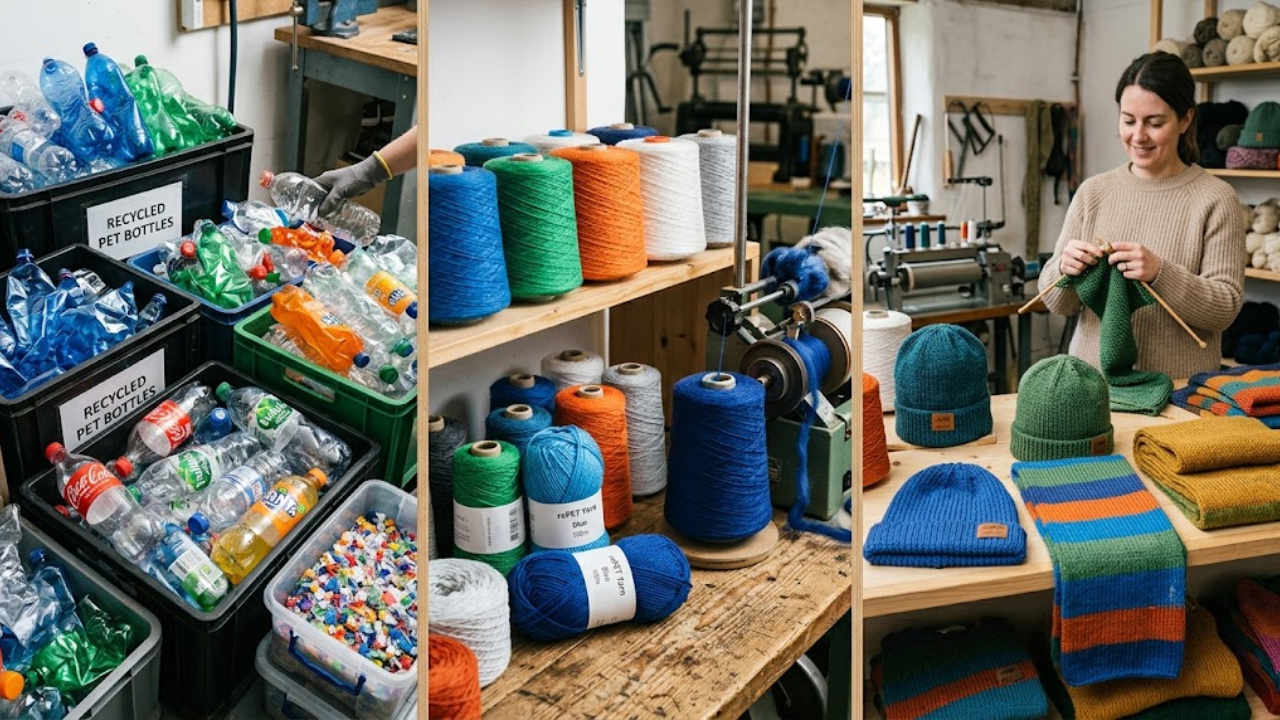
In Paraná, an innovative initiative is giving a new purpose to PET bottles, transforming what would be waste into tools of solidarity. Students from the State School Professor Giampero Monacci, in Itambé, developed a technique to convert plastic waste into synthetic wool yarns.
The material, carefully processed by the students themselves, is used to make scarves and hats that are donated to families in vulnerable situations, providing protection against the intense cold of the region.
The project, named “Robotics and Sustainability Science Club,” was born from a practical concern: when visiting 40 homes to understand how the community dealt with material disposal, the young people discovered that the final destination of recyclables was a mystery to most of the population.
-
Why the Same Citrus Fruit Has Different Names Across Brazil and How Varieties Differ

-
India Paints Road Red and Uses Smart Asphalt to Slow Drivers and Protect Wildlife in Nature Reserve

-
Yellow vs. White Fat: The Little-Known Difference That Can Impact the Quality and Flavor of Your Barbecue
-
60-Year-Old Kurt Kromm Fired Over $1.95 Cookie After 11 Years at Ford, Proves Payment and Lands Better Job




With guidance from Professor Jonathan José de Oliveira Pereira, the group decided to intervene, combining scientific learning with social responsibility, turning environmental concern into a direct effort to help others.
Public school students transform PET bottles into synthetic wool yarns
For the students, the project transcends the classroom and becomes a powerful tool for human development.
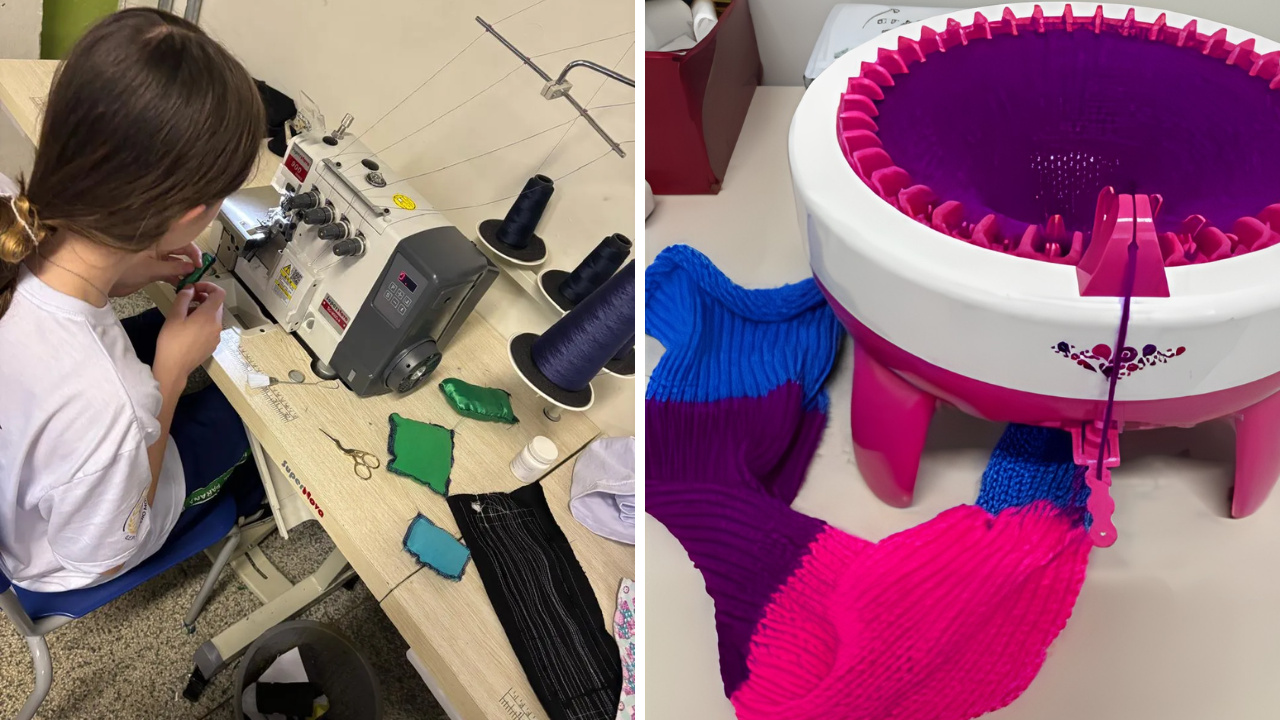
Learning to operate equipment like overlock and straight stitch machines, combined with the use of cutting-edge technology, prepares young people for future professional challenges.
However, the emotional gain is the most celebrated aspect by the students, who report how participation in the club helped them overcome shyness, improved their ability to listen to different opinions, and strengthened the collective spirit.
Professor Jonathan highlights that youth leadership was the guiding principle at all stages, from creating the club’s visual identity to managing logistics at scientific fairs, such as FECCI.
This teaching model, focused on socio-emotional development, transforms the school environment into a space where the academic curriculum integrates perfectly with civic education.
The process: from research to final product
The technical feasibility of the project was consolidated after a strategic partnership with the company Plásticos Itambé, which supplies the crushed plastic necessary for the work.
With an investment of R$ 20,000 via the Rotating Fund of the Paraná State Department of Education (SEED-PR), the school equipped an exclusive laboratory.
There, students conduct fusion and extrusion tests, using machines, tools, and a 3D printer to optimize the creation of threads from PET bottles.
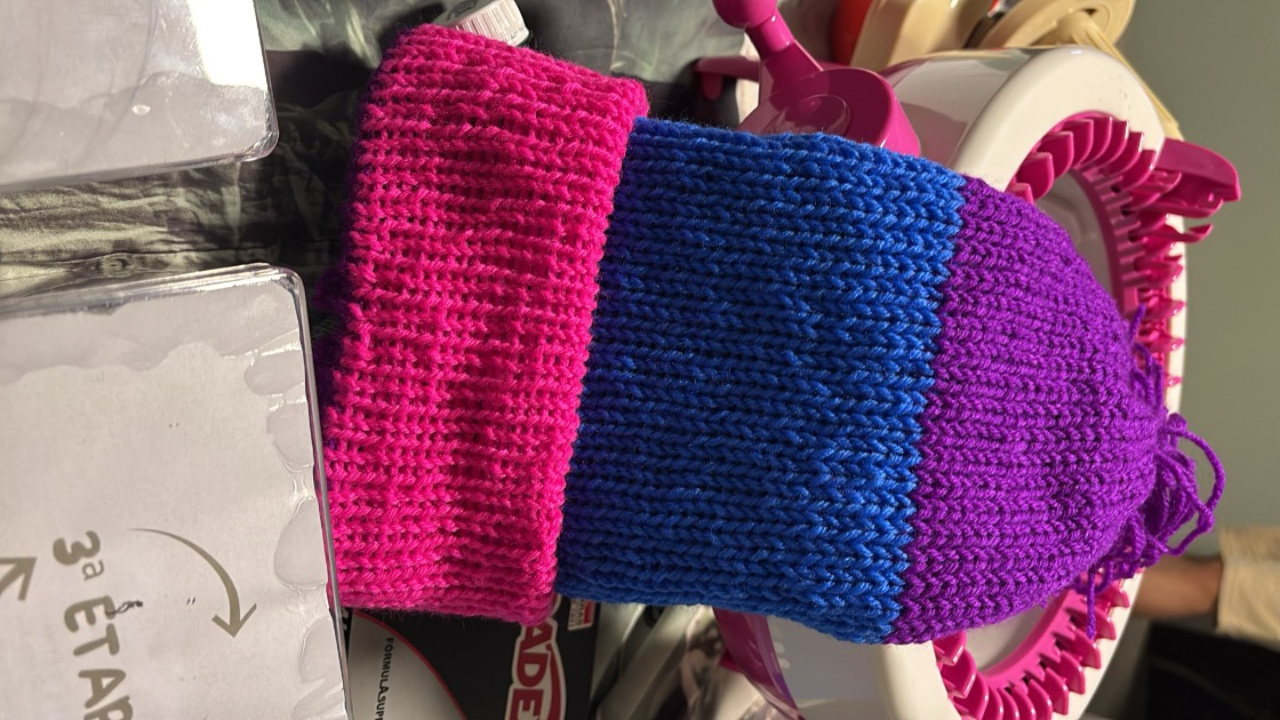
The finishing stage of the pieces also prioritizes sustainability, using natural dyes extracted from elements such as:
- Onion skins;
- Carrot;
- Beetroot.
The care in production extends to delivery, made in recycled paper packaging, reinforcing the ecological and humanitarian nature of the action in all its phases.
Community impact and the future of the project
By weaving pieces that represent affection and care, students consolidate a circular economy cycle that begins with conscious disposal and ends in social assistance.
For the Itambé community, the project is an example of how public schools can be the epicenter of practical solutions for social and environmental problems.
The success of the initiative already projects new horizons for the club, which seeks to improve the continuous production of items made from PET bottles.
The young participants not only reduced the accumulation of waste in the city, but also found a purpose in school that, according to them, transformed their lives, proving that technical knowledge, when combined with empathy, has the power to revolutionize the reality of an entire community.


